
Common stingray
Scientific name: Dasyatis pastinaca
Suborder: Myliobatoidei
Genus: Dasyatis
Family: Dasyatidae
Habitat: Shallow, warm temperate to subtropical coastal waters, preferring muddy, sandy-rocky seabeds, estuaries or lagoons. Also found in deep waters up to a depth of 200m.
Average weight: 14 – 30 kg
Max length: 1.2 m
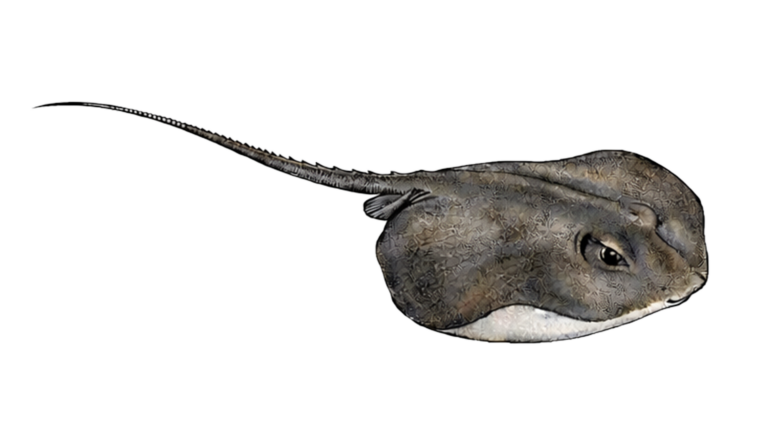
The common stingray has a kite-shaped disc that is slightly wider than it is long. Its dorsal colouration varies from olive-brown and grey-brown to golden or reddish brown. The apices of the pectoral fins are either slightly angular or rounded, and the anterior margins of the pectoral fins are straight or gently undulated. The snout is obtusely angular with a small projecting tip. The eyes are medium-sized and slightly protruding. Large females may display scattered thornlets on the central disc and along the tail. The tail is long and whip-like, reaching up to one and a half times the body length, and bears one or more venomous, barbed spines.
The common stingray is ovoviviparous and typically gives birth to between three and nine pups. Embryos develop within eggs retained inside the female’s uterus, where they are initially nourished by the yolk and remain until hatching, without a placental connection. The young are born fully developed and are capable of swimming and foraging independently soon after birth.
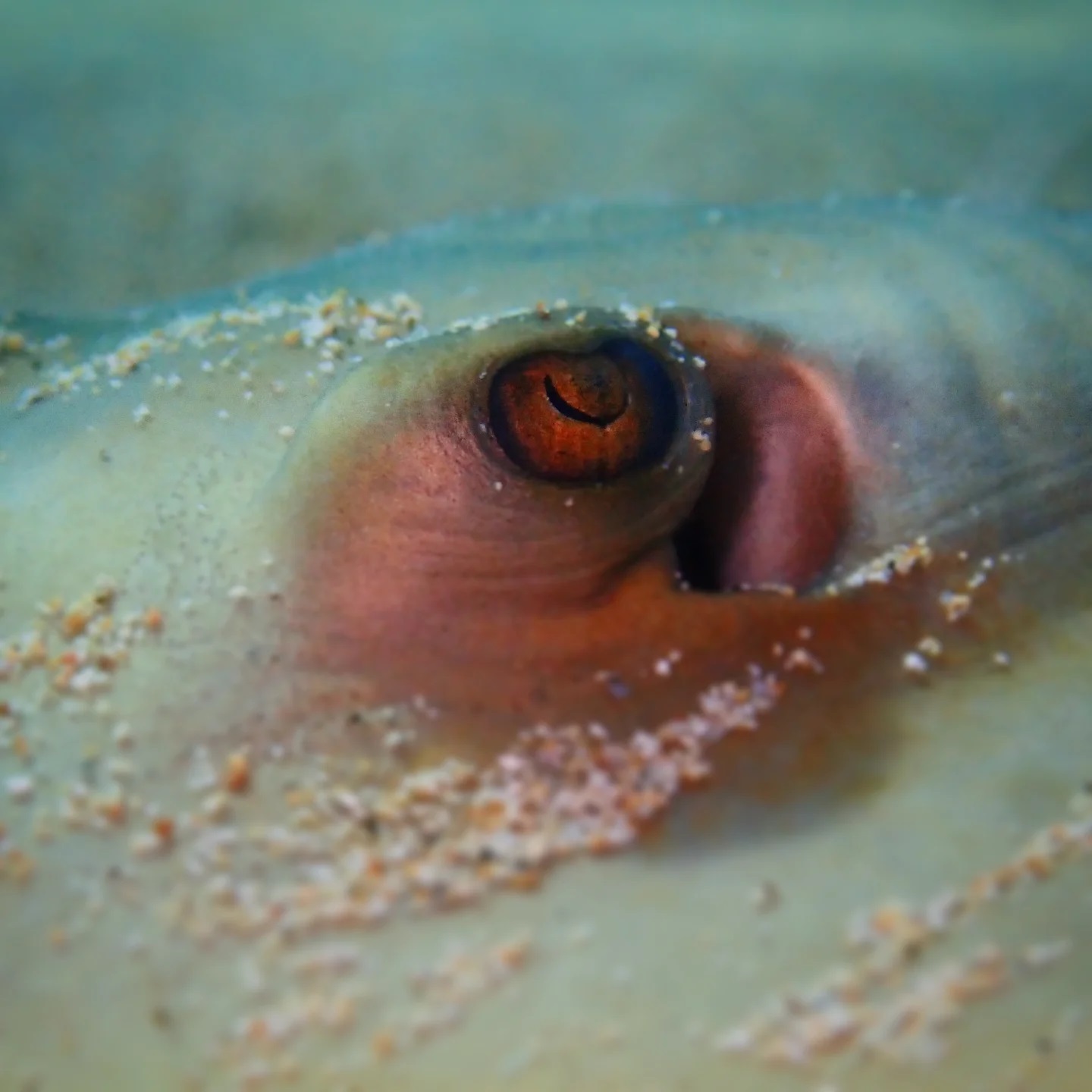
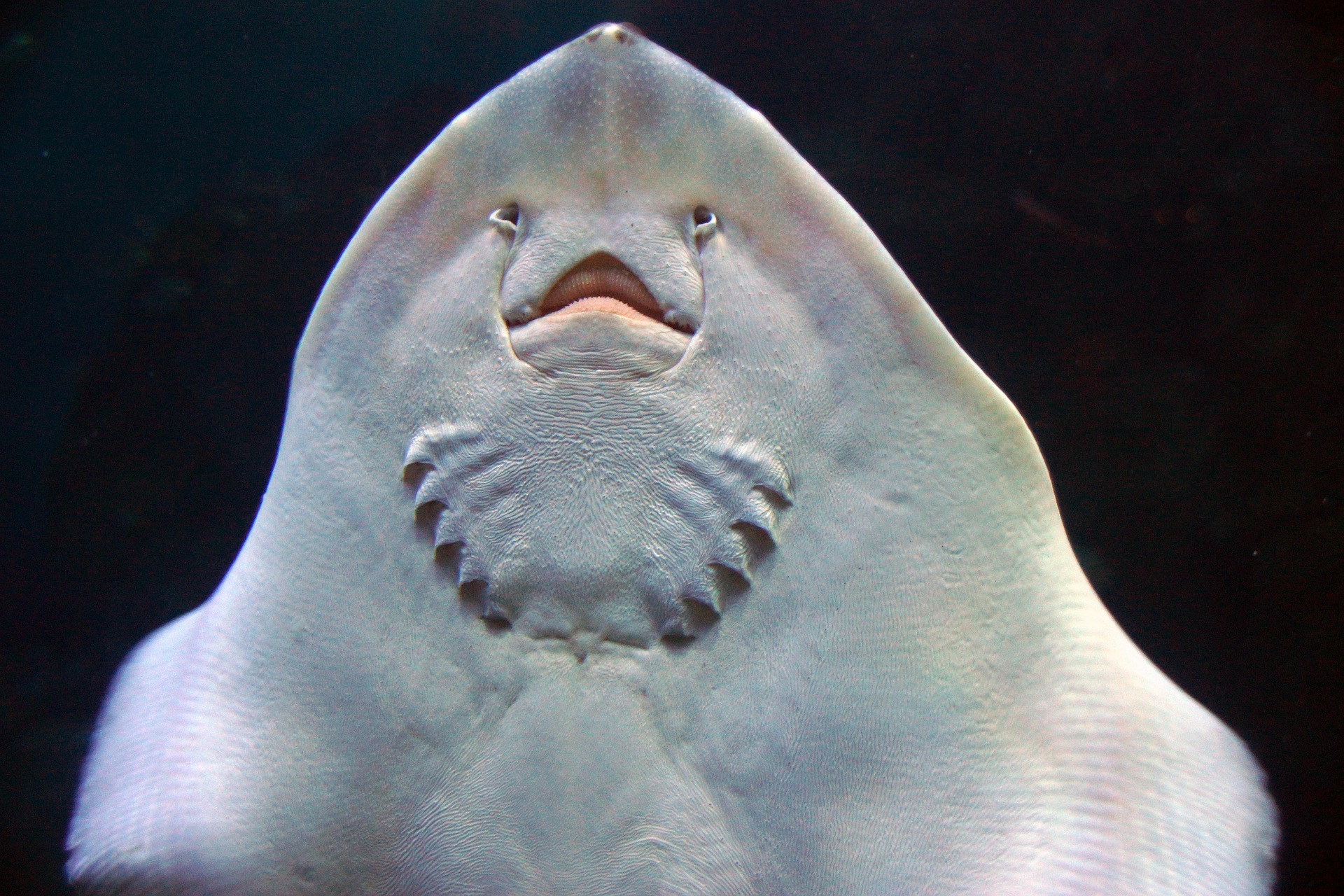
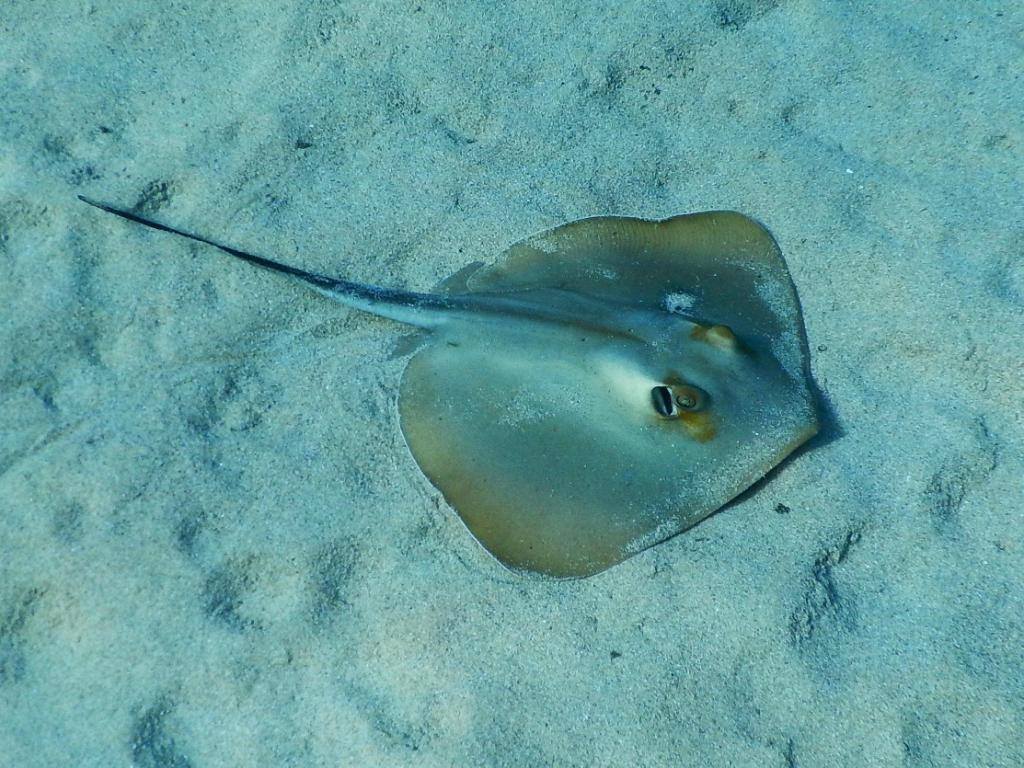
This species feeds primarily on benthic crustaceans. It commonly forages at night over sandy substrates and around seagrass beds, while during the day it is often observed resting on the seabed. Due to its coastal distribution and benthic lifestyle, the common stingray is frequently captured as bycatch in trawls, trammel nets, and other fishing gear. In some regions, it is also targeted for consumption.
The common stingray is currently listed as Vulnerable on the IUCN Red List; however, recent data on population trends remain limited. Encouragingly, growing awareness of the ecological importance of rays, together with improved fisheries management, bycatch mitigation measures, and ongoing research efforts, offers hope for the conservation of this species. Increased public engagement and responsible fishing practices can play a key role in ensuring the long-term survival of the common stingray and the continued health of coastal marine ecosystems.
The common stingray may often be observed while snorkelling or diving in Maltese coastal waters. It is important to maintain a respectful distance to avoid disturbing or threatening marine life.
Threats
What can we do?
Threats
What can we do?
Threats
What can we do?
Experiences you may enjoy
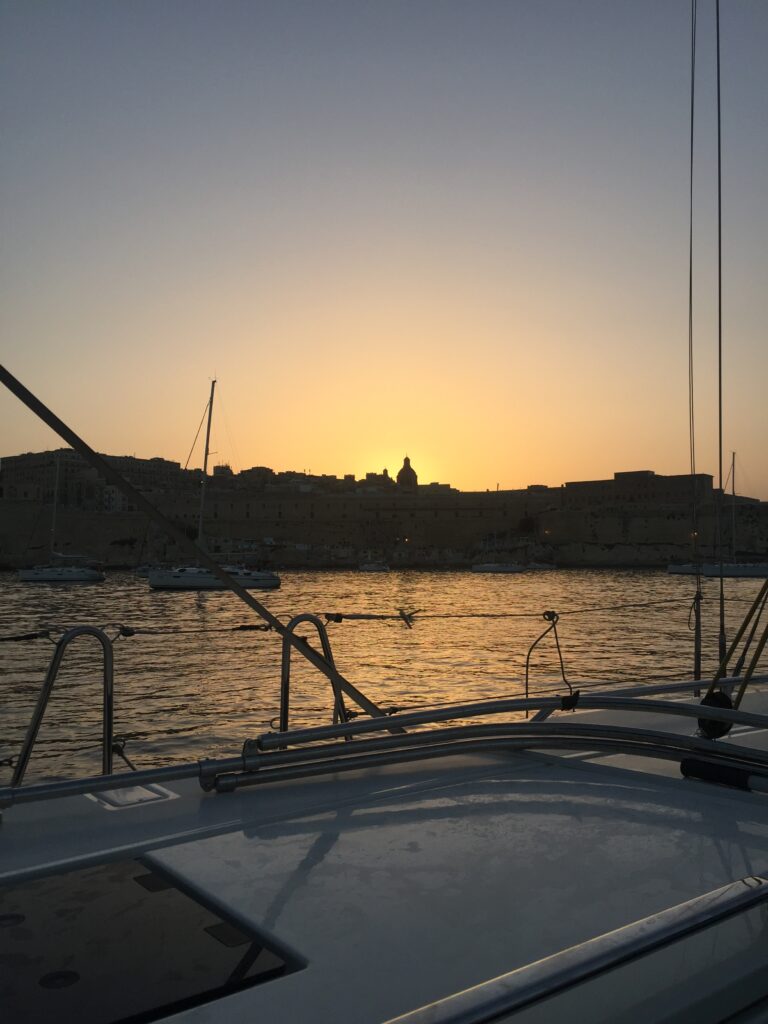
Private Sunset experience
Feel the soul of the sea, enjoy the extaordinary colors and landscapes of Maltese Islands during the loveliest hours of the day.
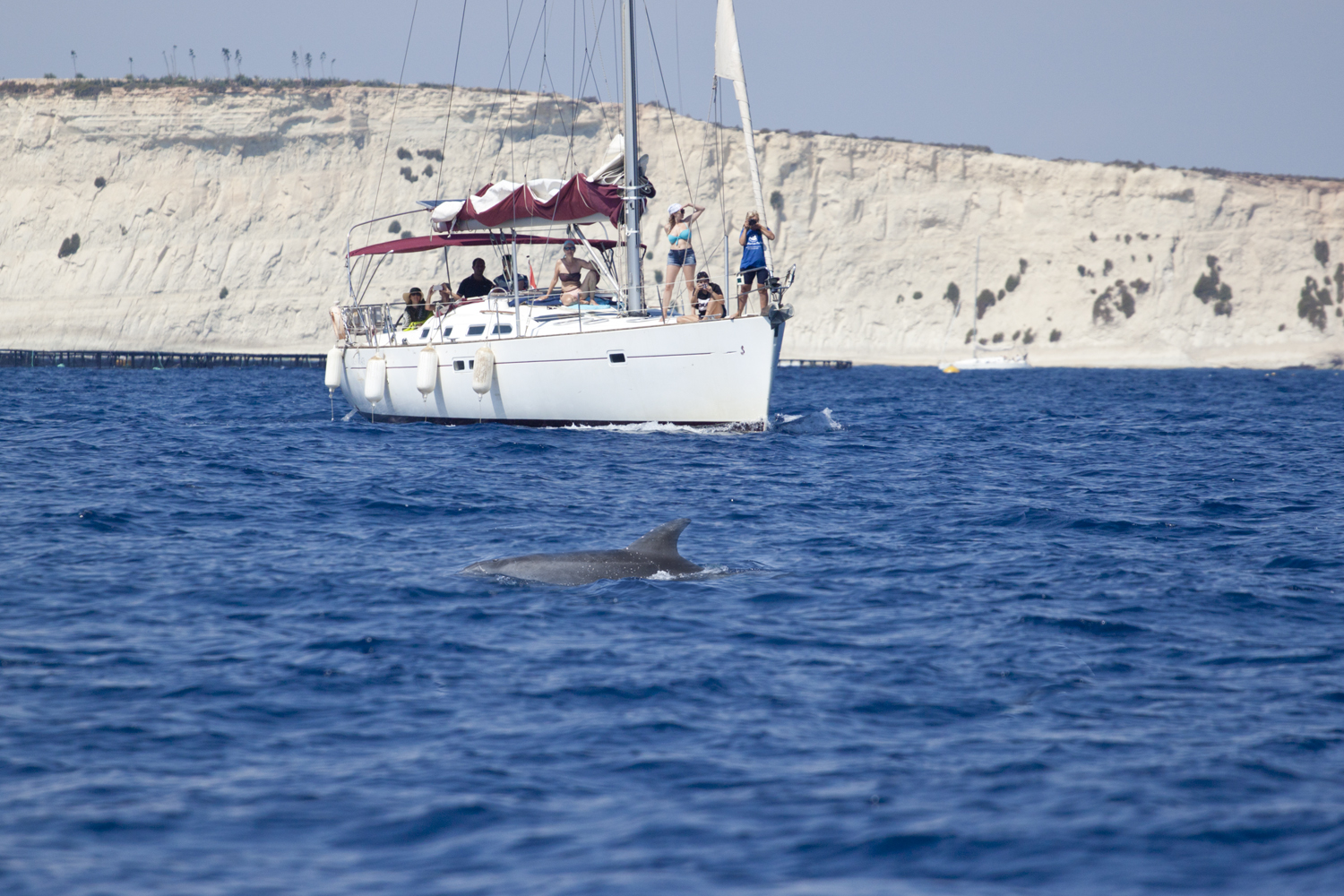
Private Marine life spotting
Enjoy a private marine life spotting experience with your loved ones. A day at sea to relax, reconnect, and discover Malta’s marine life.
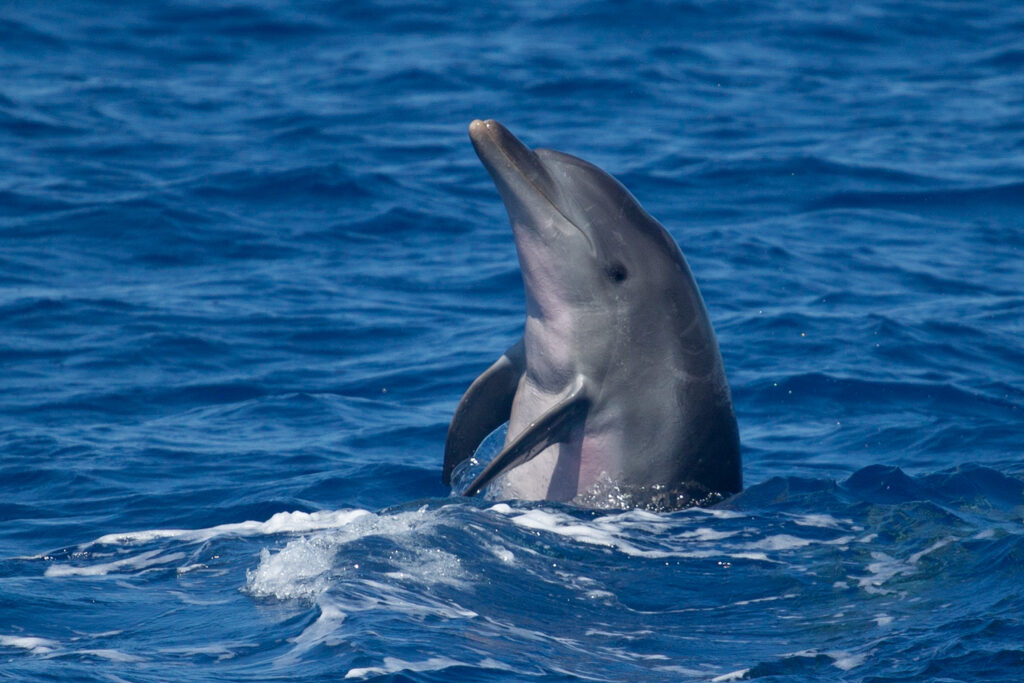
Shared Marine life spotting
Discover Malta’s marine environment on a shared boat tour with other guests. Enjoy a relaxing day at sea while spotting marine life along the way.