
Thornback ray
Scientific name: Raja clavata
Suborder: Rajoidei
Genus: Raja
Family: Rajidae
Habitat: Shallow, warm temperate to tropical coastal waters, preferring muddy, sandy, or gravel seabeds. Generally found between 10 to 60m, can also be found in deep waters up to 300m.
Average weight: 18 kg
Max length: 1.2 m
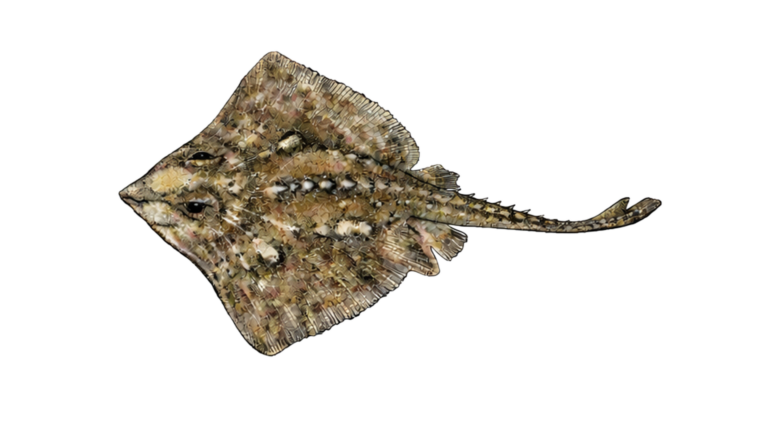
The thornback ray shares many physical characteristics with other rays, possessing a flattened, disc-shaped body with enlarged pectoral fins and a long, narrow tail approximately equal in length to its body. The dorsal surface of the body and tail is covered with small thorn-like projections that, after sexual maturity, thicken to form button-like structures known as bucklers. In juveniles and young adults, small thorns are present on the snout and scattered across parts of the dorsal surface. Some larger females may also develop thorns on the ventral side. Typically, between 21 and 25 large thorns extend in a row from the nape to the pectoral fin.
Colouration varies from light brown to grey and is marked with light and dark spots of varying sizes. The ventral surface is white, with the exception of the snout, which is grey.
Despite its common name, the thornback ray belongs to the skate family, as it lacks a venomous stinger and reproduces by laying eggs. The species is oviparous and deposits egg cases in shallow coastal waters over sandy or muddy substrates. Females may lay between 140 and 160 eggs per year. The egg cases are rectangular and oblong in shape and are distinguished by rigid horns at each corner. Embryonic development occurs entirely within the egg case, with nourishment provided by the yolk, and hatching typically occurs after four to six months.

Thornback rays are frequently targeted for their meat, making them vulnerable to overfishing. Overexploitation has been identified as a major factor contributing to declining landings. This vulnerability is exacerbated by the species’ slow growth rate and late onset of sexual maturity. As a result, the thornback ray is currently listed as Near Threatened on the IUCN Red List of Threatened Species.
In an effort to reduce overexploitation and support the recovery of skate populations, some countries have introduced minimum landing sizes, while others have reduced the Total Allowable Catch (TAC). These measures, together with growing scientific research and increased awareness of the ecological importance of skates, provide a positive step toward sustainable management and long-term population recovery.
Threats
What can we do?
Threats
What can we do?
Experiences you may enjoy
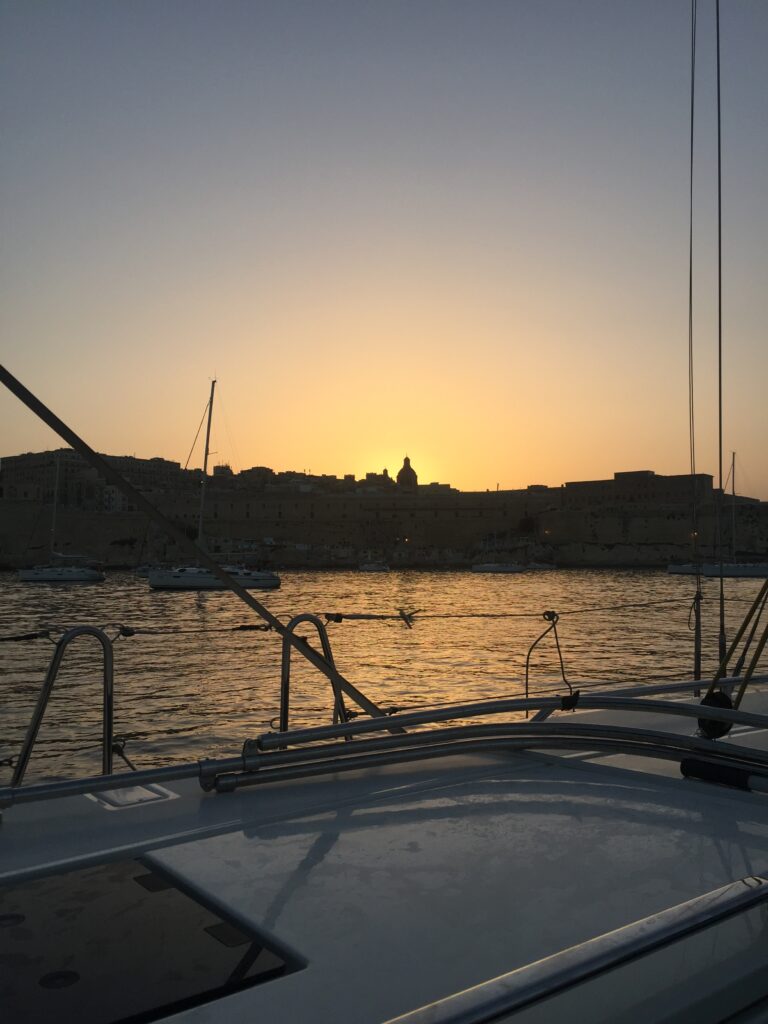
Private Sunset experience
Feel the soul of the sea, enjoy the extaordinary colors and landscapes of Maltese Islands during the loveliest hours of the day.
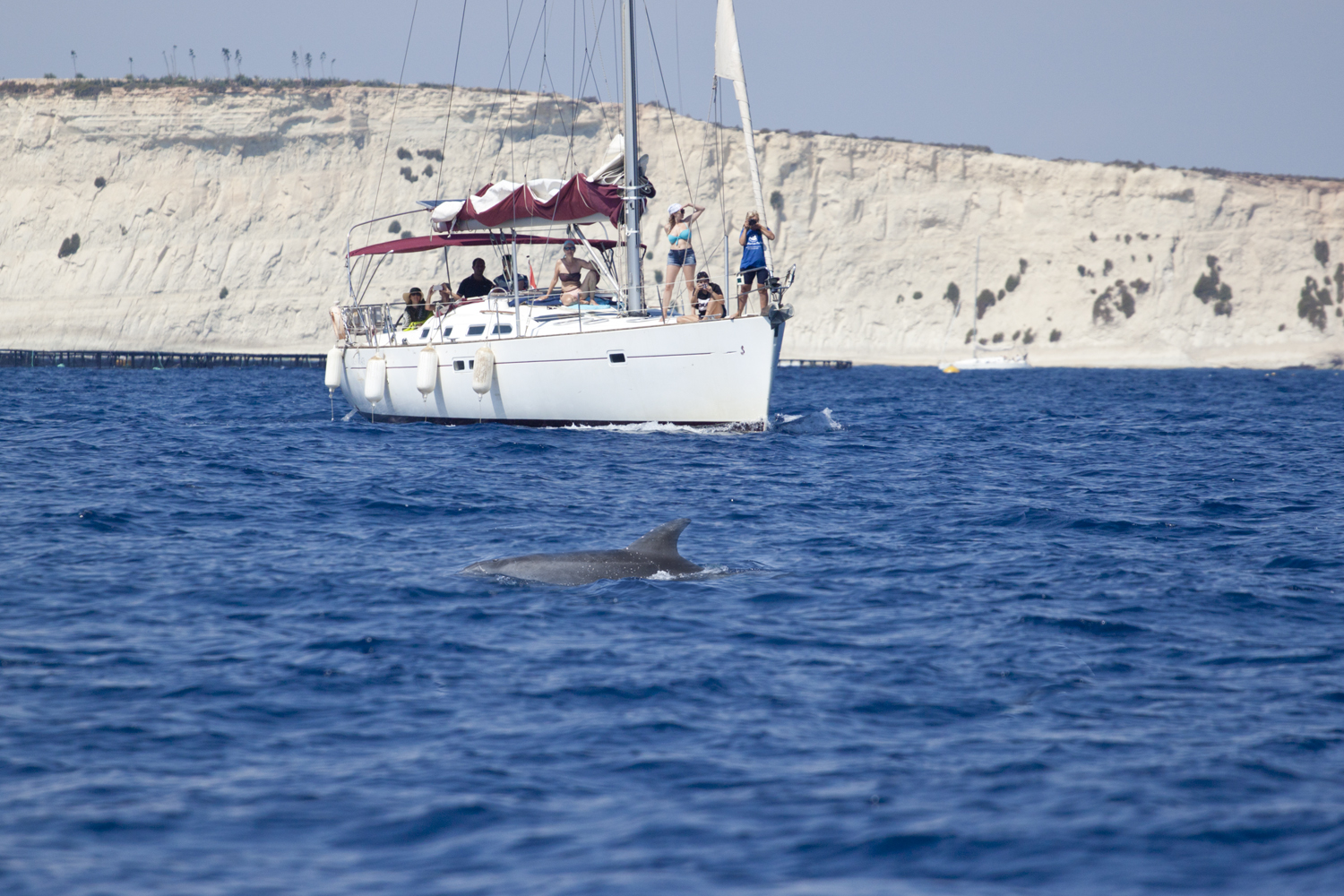
Private Marine life spotting
Enjoy a private marine life spotting experience with your loved ones. A day at sea to relax, reconnect, and discover Malta’s marine life.
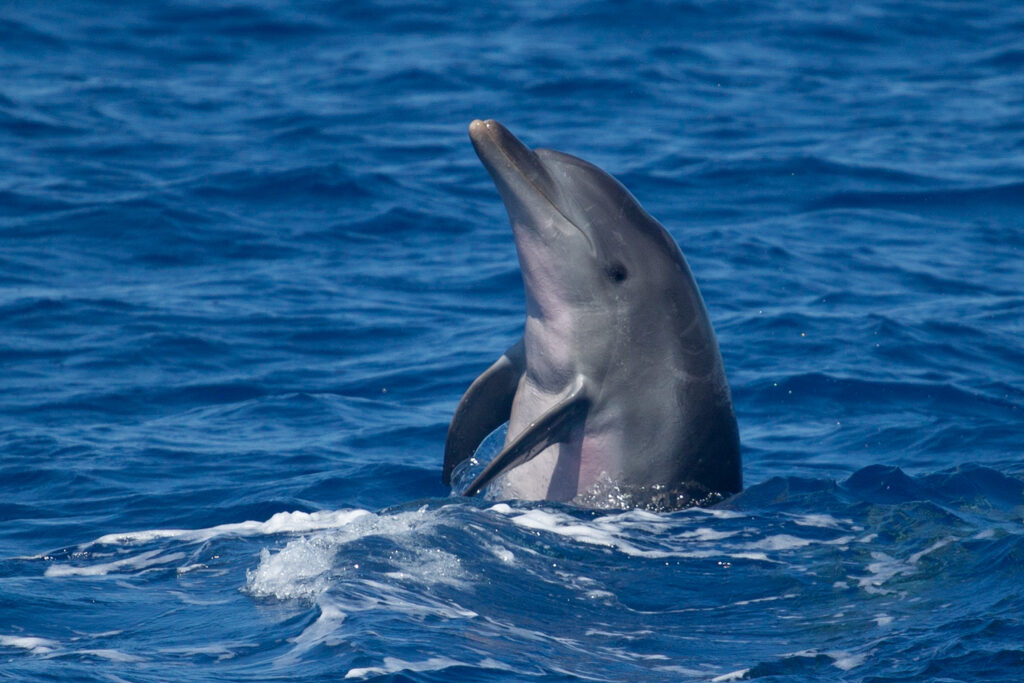
Shared Marine life spotting
Discover Malta’s marine environment on a shared boat tour with other guests. Enjoy a relaxing day at sea while spotting marine life along the way.