
Mediterranean murray eel
Scientific name: Murena helena
Suborder: Muraenoidei
Genus: Muraena
Family: Muraenidae
Habitat: Rocky bottoms, caves, crevices, and Posidonia oceanica meadows; typically in coastal areas from shallow waters down to about 80 m.
Maximum length in the Mediterranean: Approximately 1.3–1.5 m
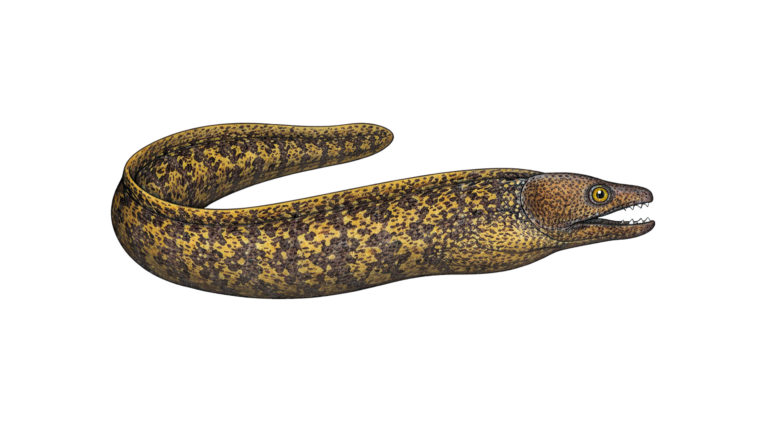
The Mediterranean moray eel (Muraena helena) is a benthic anguilliform fish that can grow to over 1 meter in length and is a characteristic species of rocky infralittoral habitats throughout the Mediterranean Sea. It has an elongated, snake-like body without visible pelvic or pectoral fins, giving it the typical finless appearance of moray eels. Its colouration is generally dark brown with yellowish speckles, which helps it blend into rocky crevices and shaded reef environments. Another distinctive feature is the presence of tubular anterior nostrils, a diagnostic characteristic of the genus Muraena.
This species typically occupies permanent shelters within crevices, holes, and cavities in rocky substrates, ranging from very shallow waters to the circalittoral zone. The Mediterranean moray eel shows strong site fidelity, often remaining in the same refuge for long periods. It is mainly crepuscular and nocturnal, emerging from its shelter at dusk or during the night to hunt. During the day, it usually keeps only its head protruding from its refuge with its mouth open, a behaviour that facilitates gill ventilation. Although this posture is sometimes mistaken for aggression, it is simply a normal respiratory behaviour.
For snorkellers and divers, it is important to note that the Mediterranean moray eel is generally not aggressive. It shows territorial but non-offensive behaviour, and incidents usually occur only if the animal is provoked or handled. At night, however, encounters are more frequent as the moray actively hunts. As a mesopredator within rocky ecosystems, it feeds primarily on fish, crustaceans, and cephalopods, playing an important role in maintaining the balance of coastal marine communities.
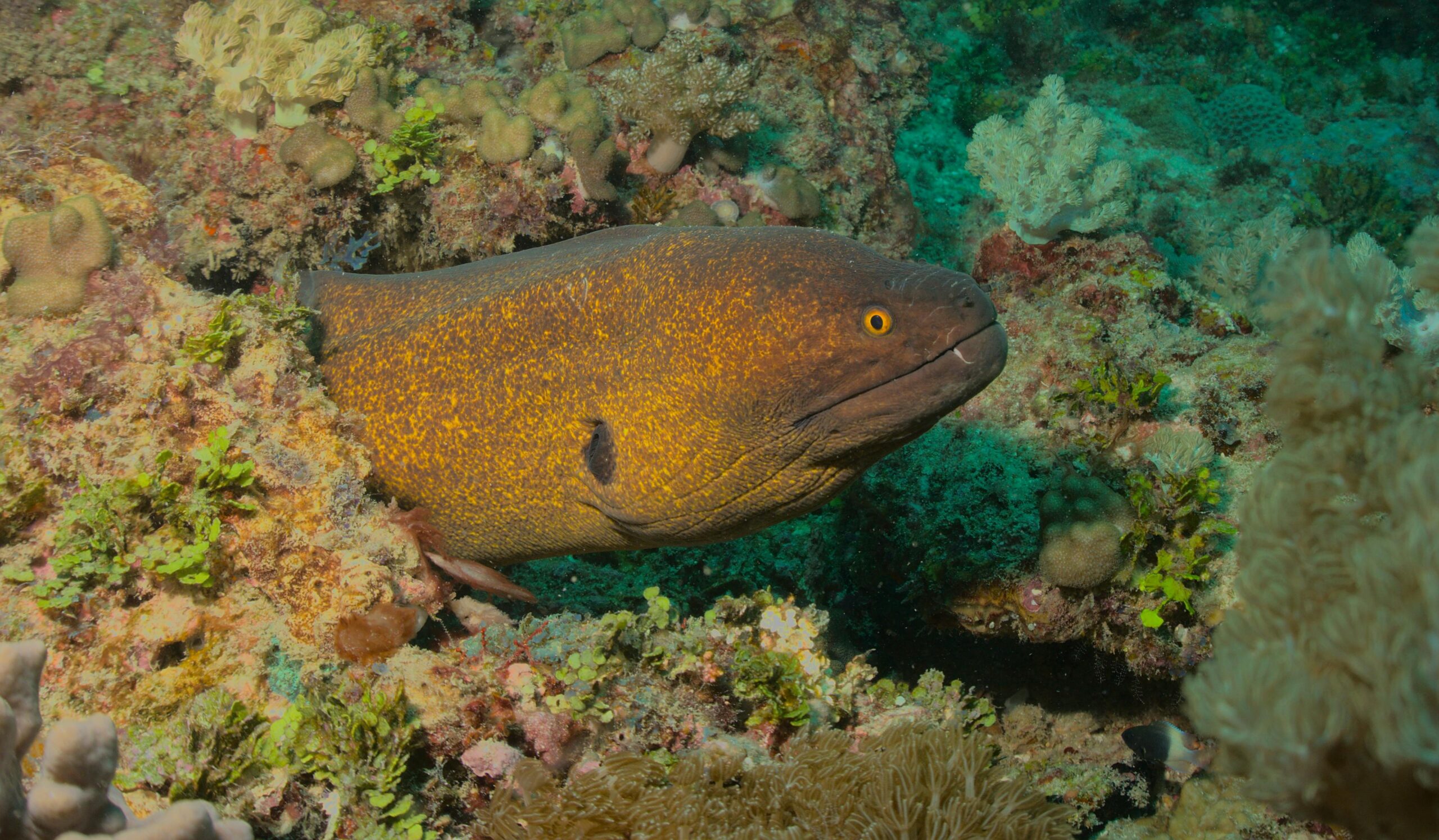
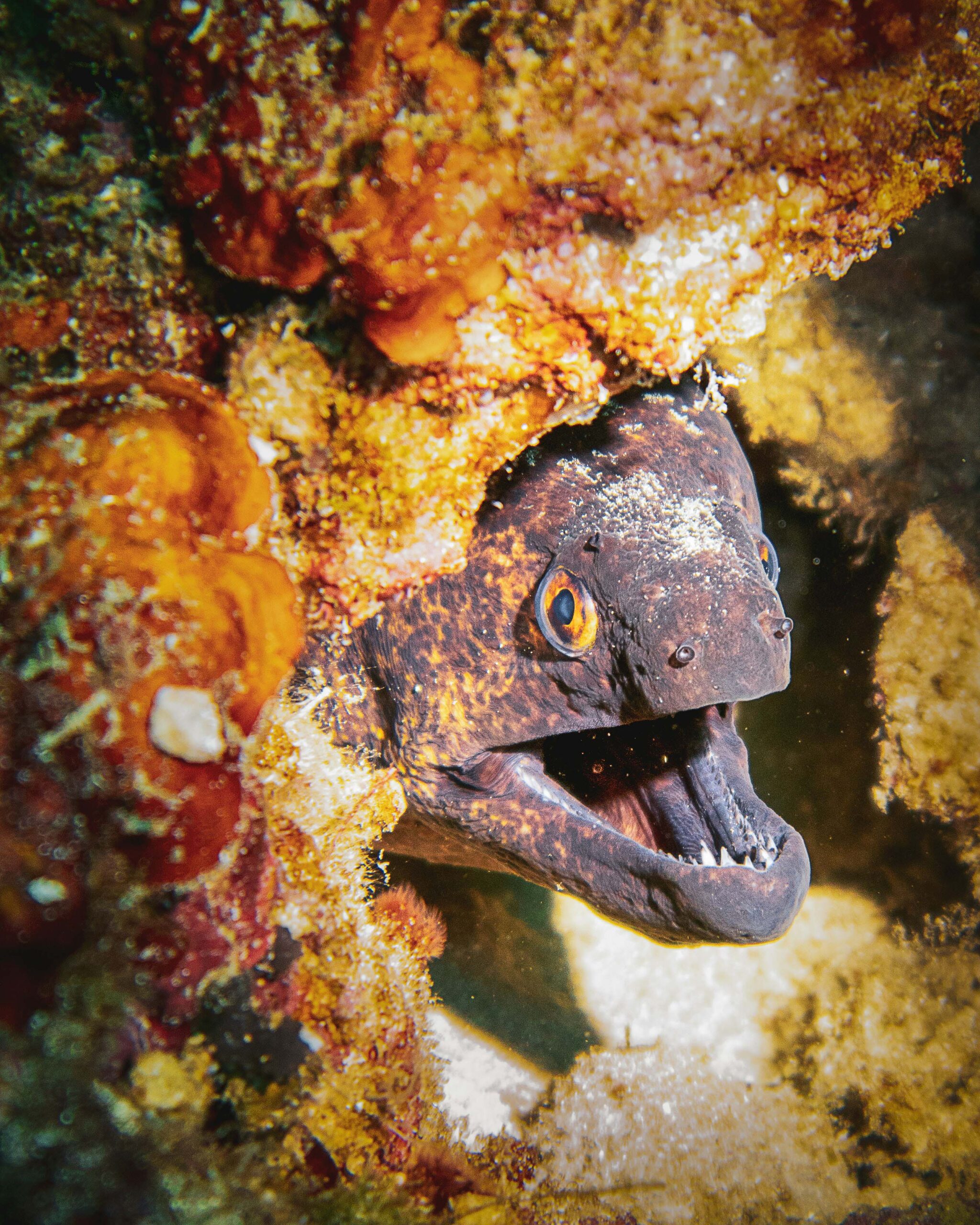
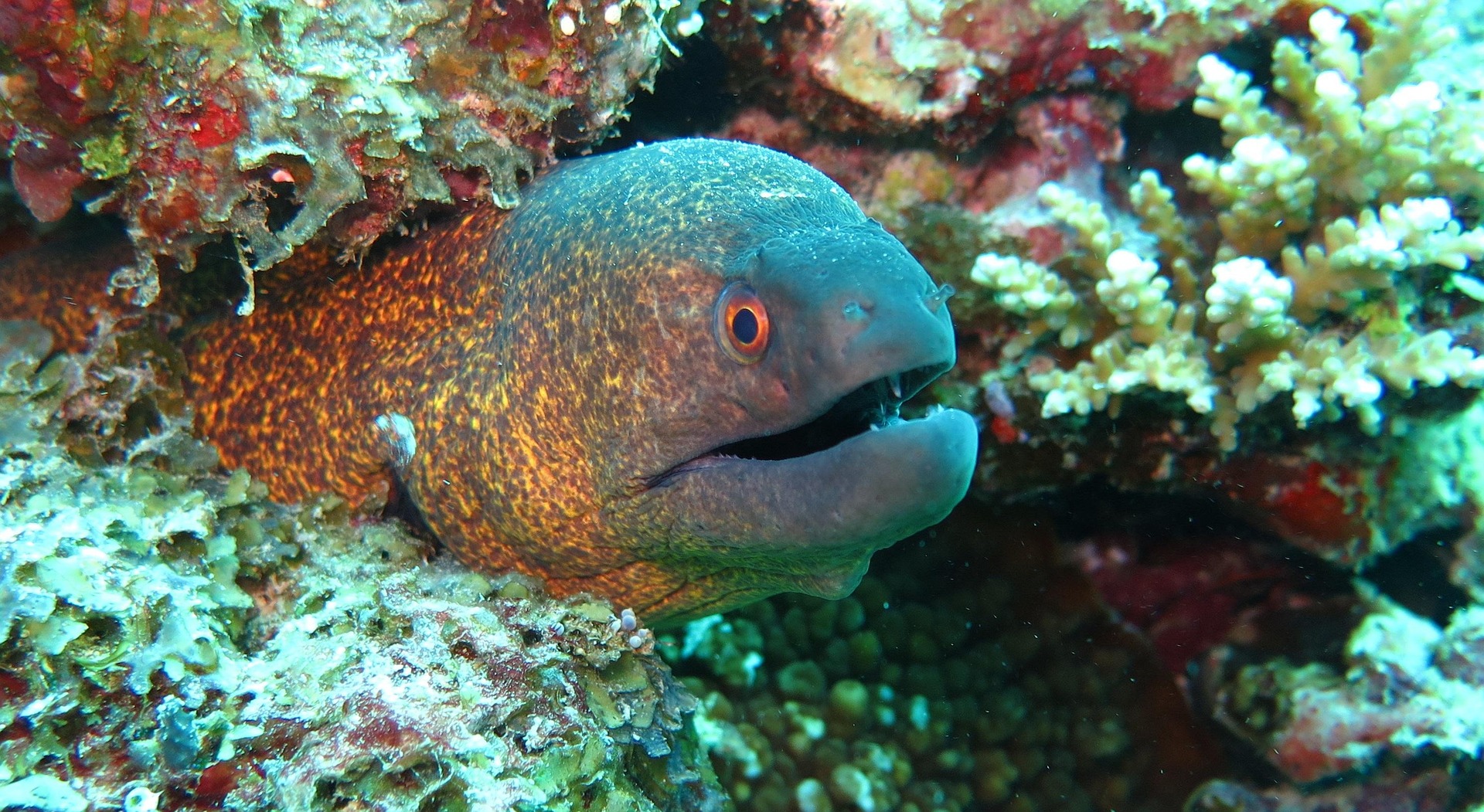
In Mediterranean coastal waters, the Mediterranean moray eel faces several pressures linked to human activities. Habitat degradation caused by coastal construction, pollution, and damage to rocky habitats can reduce the availability of suitable shelters. The species is also occasionally captured in artisanal fisheries, either intentionally or as bycatch in traps and nets. In addition, plastic pollution and chemical contaminants present in nearshore waters may accumulate through the food chain and affect predatory species such as morays. Increasing coastal tourism, diving pressure, and recreational fishing can also disturb individuals occupying shallow habitats. Climate change may further influence the distribution of the species and the availability of its prey in Mediterranean ecosystems.
Interesting fact: Moray eels possess a second set of jaws in their throat, known as pharyngeal jaws, which help them pull prey into their mouth—an unusual adaptation among fishes.
Threats
What can we do?
Threats
What can we do?
Threats
What can we do?
Experiences you may enjoy
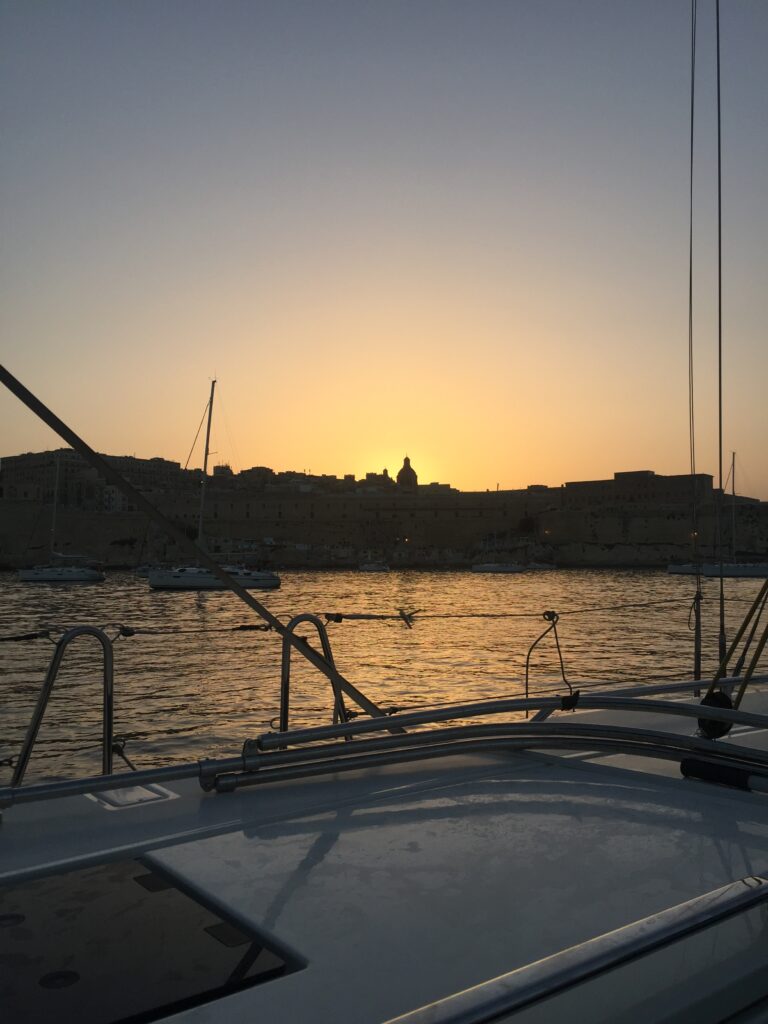
Private Sunset experience
Feel the soul of the sea, enjoy the extaordinary colors and landscapes of Maltese Islands during the loveliest hours of the day.
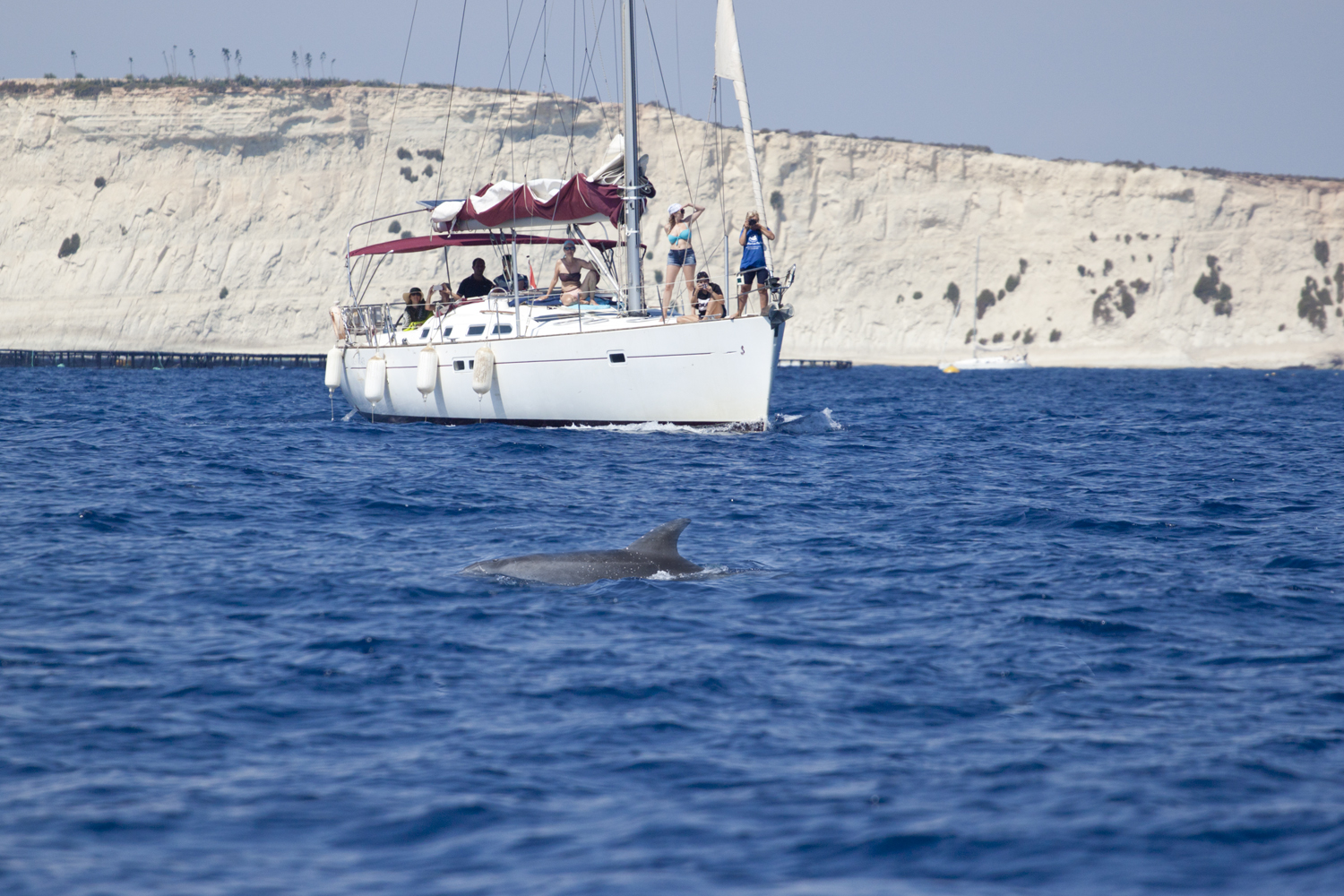
Private Marine life spotting
Enjoy a private marine life spotting experience with your loved ones. A day at sea to relax, reconnect, and discover Malta’s marine life.
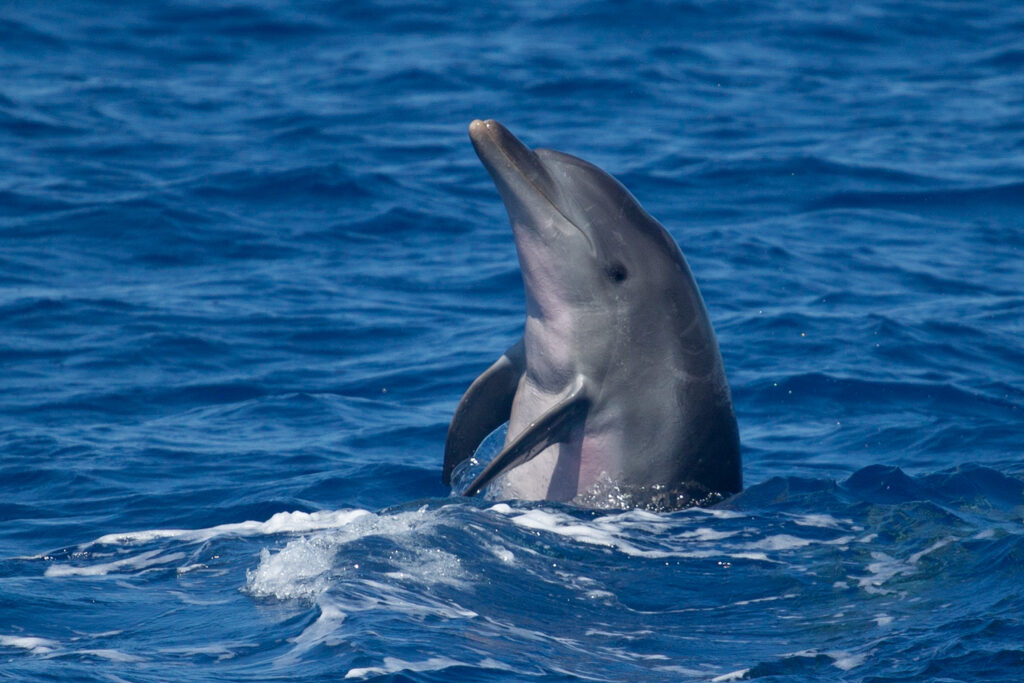
Shared Marine life spotting
Discover Malta’s marine environment on a shared boat tour with other guests. Enjoy a relaxing day at sea while spotting marine life along the way.