
Salema porgy
Scientific name: Sarpa salpa
Suborder: Percoidei
Genus: Sarpa
Family: Sparidae
Habitat: Coastal rocky areas, seagrass meadows (especially Posidonia Oceanica), and shallow sandy zones; usually from a few meters down to ~70m.
Maximum length in the Mediterranean: Commonly up to 30–35 cm, with one maximum records around 45 cm.
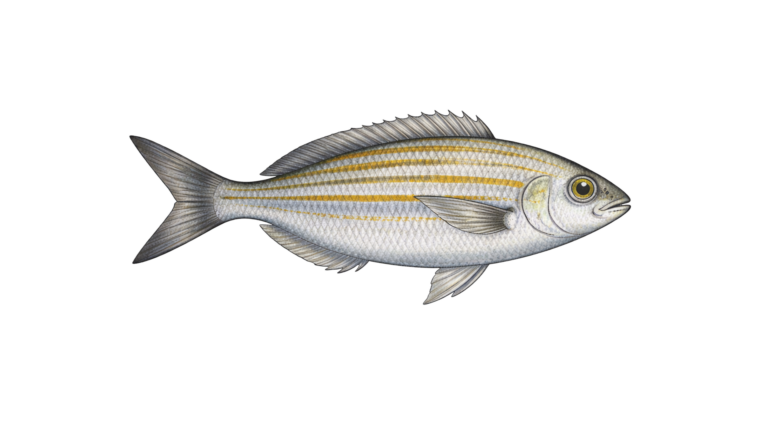
The salema is a strictly herbivorous member of the sparidae family, closely associated with Posidonia Oceanica meadows and other shallow Mediterranean habitats. It is commonly observed at depths ranging from 6 to 20 meters, where its fusiform body (tapered at both ends and widest in the middle, like a spindle) and 10–12 golden longitudinal stripes along the sides make it easily recognizable. Adults typically reach around 30 cm in length and form dense, size-homogeneous schools, making them highly visible during snorkelling and recreational diving in shallow waters.
This species is known for its trusting nature, often allowing humans to approach closely without showing signs of stress. It is primarily diurnal, moving slowly as it grazes on algae and seagrass. The salema’s distribution spans the entire Mediterranean, where it plays a key ecological role as a grazer of seagrass meadows, helping to maintain the health and balance of these important coastal ecosystems.
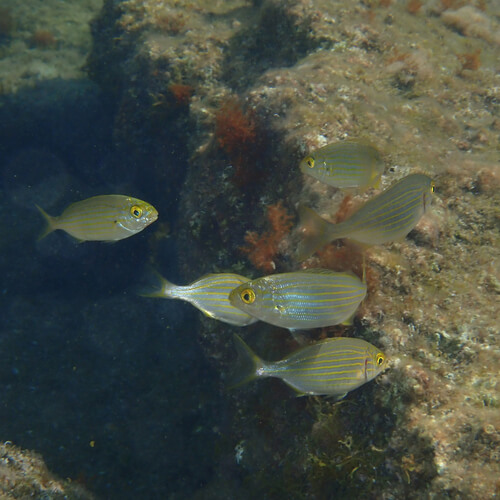
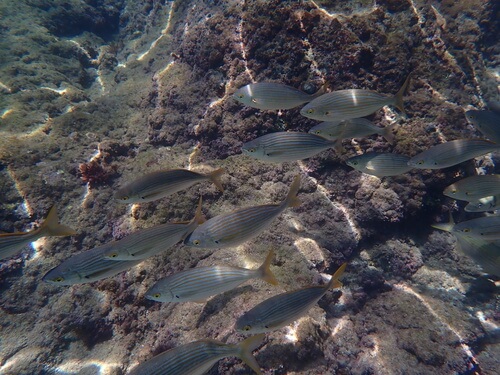
In coastal areas, the salema faces several threats largely tied to human activity and environmental changes. Its dependence on seagrass meadows makes it vulnerable to habitat degradation from coastal development, dredging, anchoring and pollution. It is also impacted by small-scale fisheries and recreational fishing, as well as bycatch in nets and traps. The accumulation of plastic debris and other pollutants in shallow waters can affect its health, while climate change, including warming seas and ocean acidification, may reduce the growth and productivity of seagrass meadows, further threatening salema populations.
Threats
What can we do?
Threats
What can we do?
Threats
What can we do?
Experiences you may enjoy
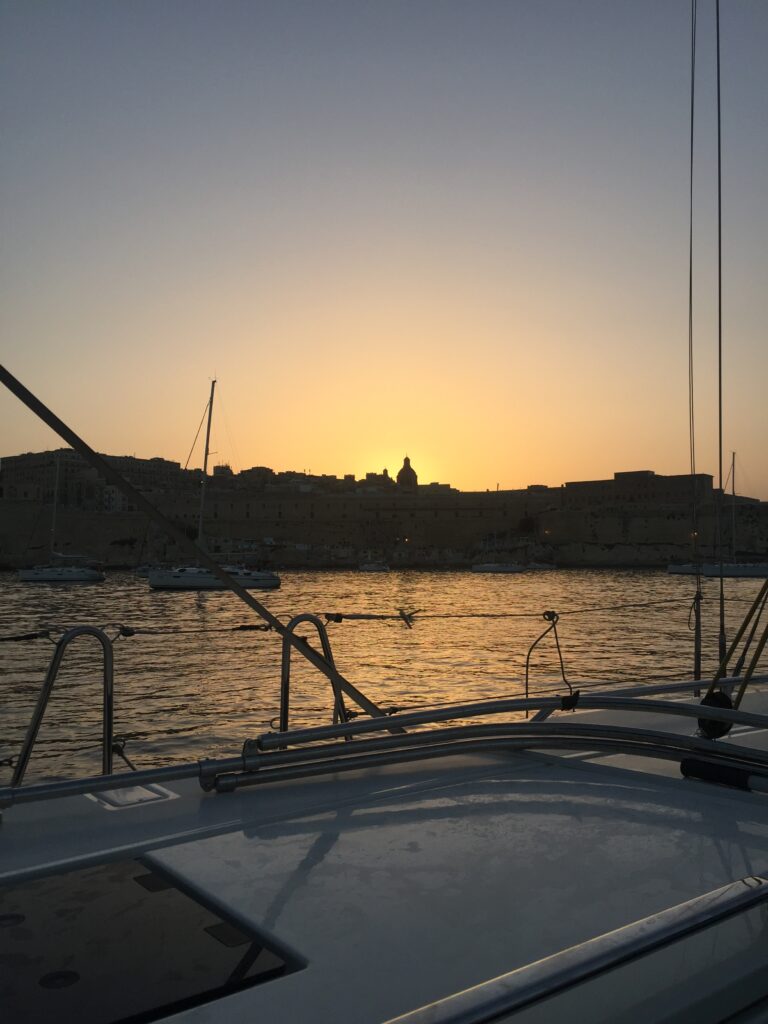
Private Sunset experience
Feel the soul of the sea, enjoy the extaordinary colors and landscapes of Maltese Islands during the loveliest hours of the day.
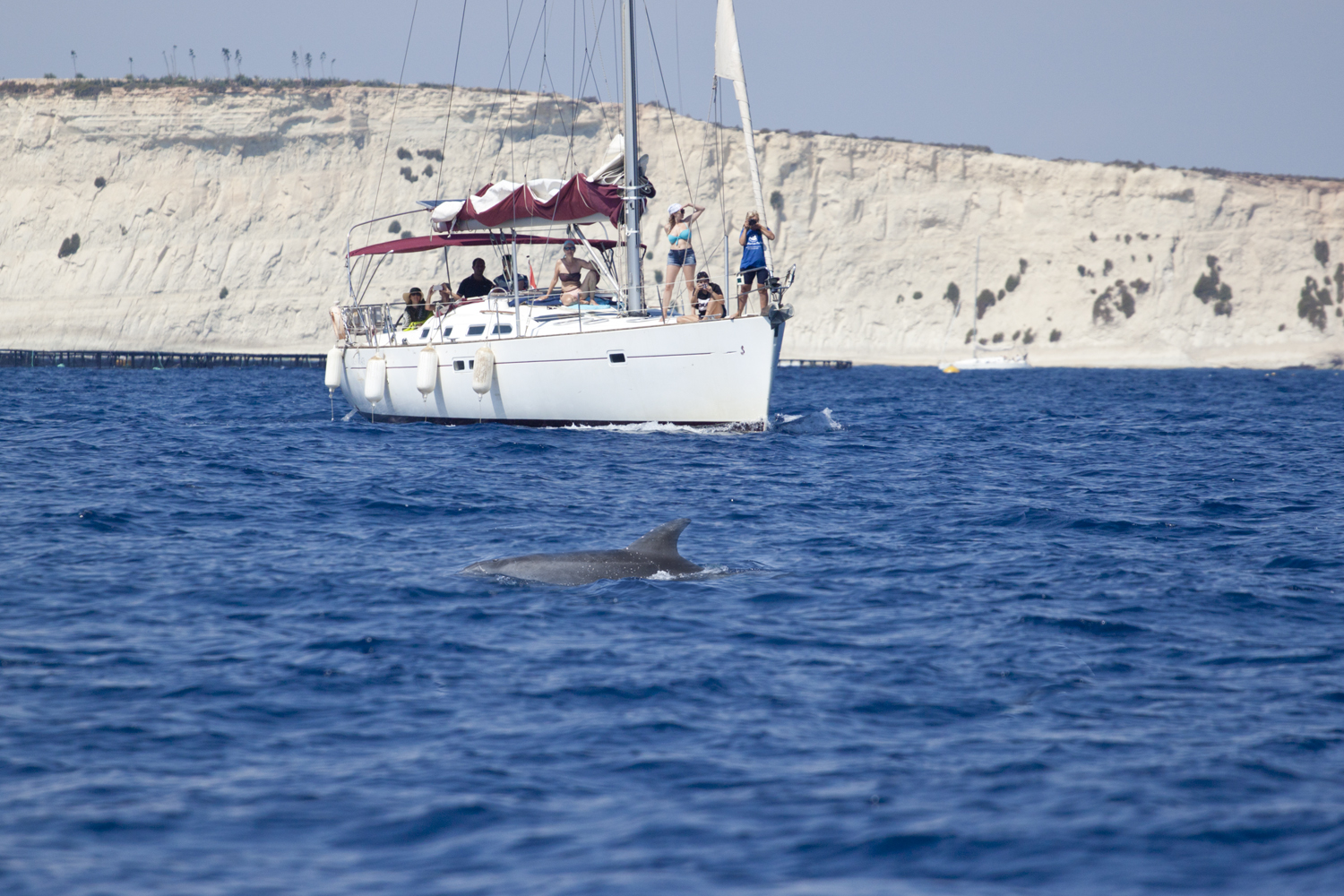
Private Marine life spotting
Enjoy a private marine life spotting experience with your loved ones. A day at sea to relax, reconnect, and discover Malta’s marine life.
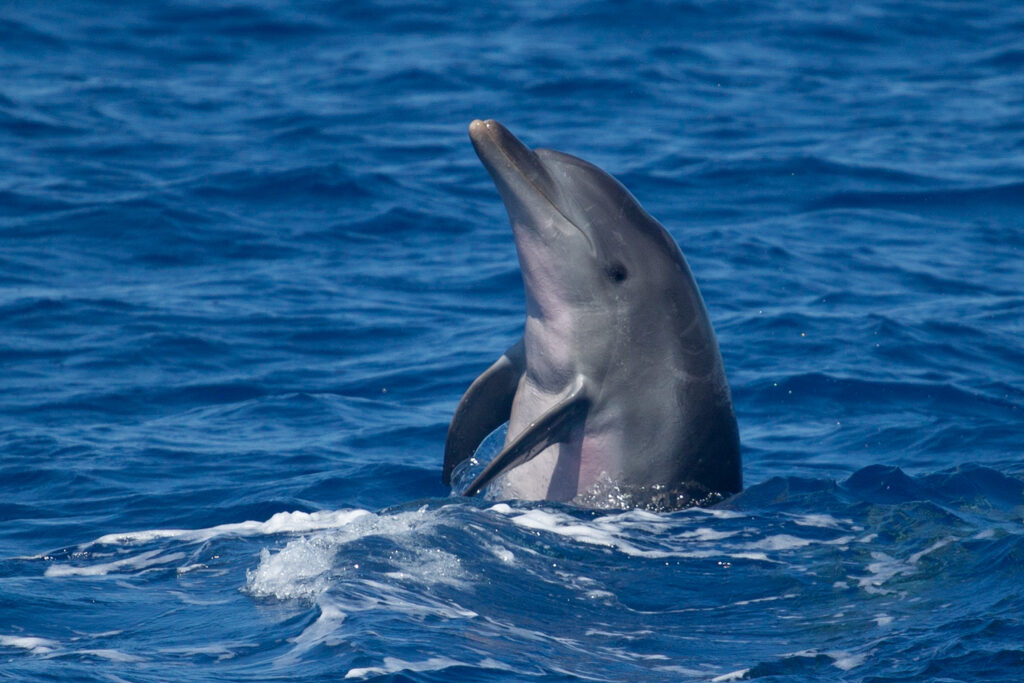
Shared Marine life spotting
Discover Malta’s marine environment on a shared boat tour with other guests. Enjoy a relaxing day at sea while spotting marine life along the way.