
Rainbow wrasse
Scientific name: Coris julis
Suborder: Labroidei
Genus: Coris
Family: Labridae
Habitat: Coastal rocky reefs, seagrass meadows (Posidonia oceanica), and mixed substrates; generally from shallow waters down to about 120 m.
Maximum length in the Mediterranean: Typically up to 18 – 20 cm
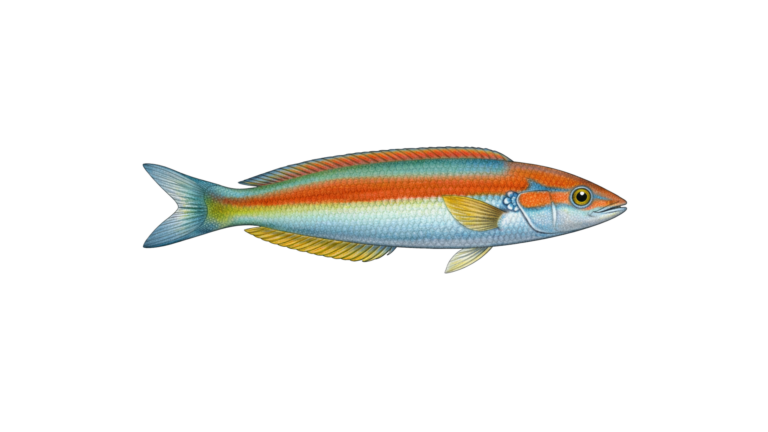
The rainbow wrasse is a small and colourful labrid fish with an oblong, laterally compressed body and marked sexual dimorphism. Males display bright blue, green, and orange colours, particularly during the breeding season, whereas females are more subdued in appearance, with brown and beige tones. This species commonly inhabits shallow coastal habitats, including rocky bottoms, Posidonia oceanica seagrass meadows, and sandy areas with algae. It is mainly active during the day and feeds on small benthic invertebrates such as crustaceans, molluscs, and polychaete worms. Rainbow wrasses exhibit diurnal and territorial behaviour, particularly during the reproductive period.
An interesting reproductive strategy occurs in this species. Two types of males are present: territorial males and satellite males. Satellite males resemble females in coloration and remain close to the nesting areas defended by territorial males. At the moment of fertilisation, they quickly approach and release sperm to fertilise some of the eggs. This “sneaker” strategy allows them to reproduce while minimising energy expenditure and reducing the risk of predation associated with the conspicuous mating displays of territorial males.
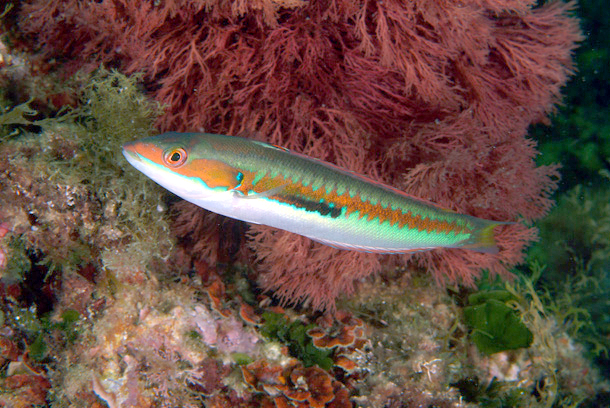
Similarly to many coastal fish species, the Coris julis faces several environmental pressures. Climate change and increasing sea temperatures can affect larval survival rates, raise metabolic demands, and cause physiological stress. In some Mediterranean coastal areas, such as Malta, the discharge of highly saline brine from desalination plants can locally increase water salinity, which may negatively affect the immune system and overall health of these marine organisms.
Habitat degradation also poses a threat, particularly the loss or disturbance of rocky reefs and Posidonia oceanica seagrass meadows due to coastal development, anchoring, and pollution. In addition, intensive tourism and recreational activities can disturb shallow coastal habitats where this species lives. Increased competition for territory and resources, together with broader ecosystem changes, may further influence local populations of this wrasse.
Threats
What can we do?
Threats
What can we do?
Experiences you may enjoy
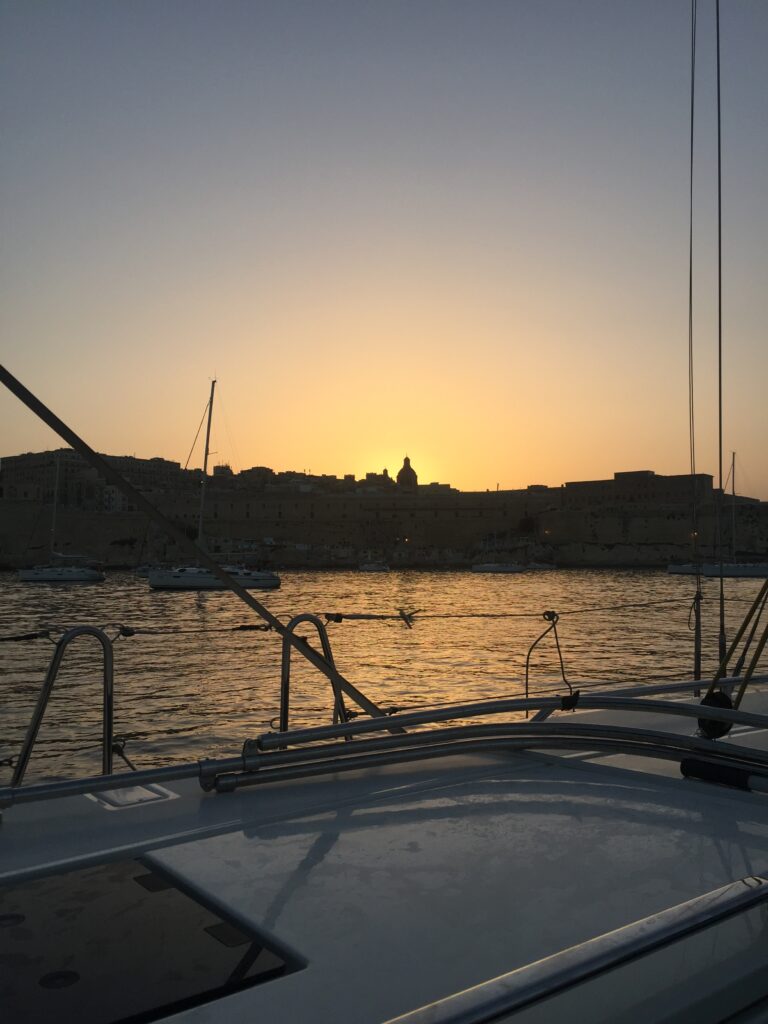
Private Sunset experience
Feel the soul of the sea, enjoy the extaordinary colors and landscapes of Maltese Islands during the loveliest hours of the day.
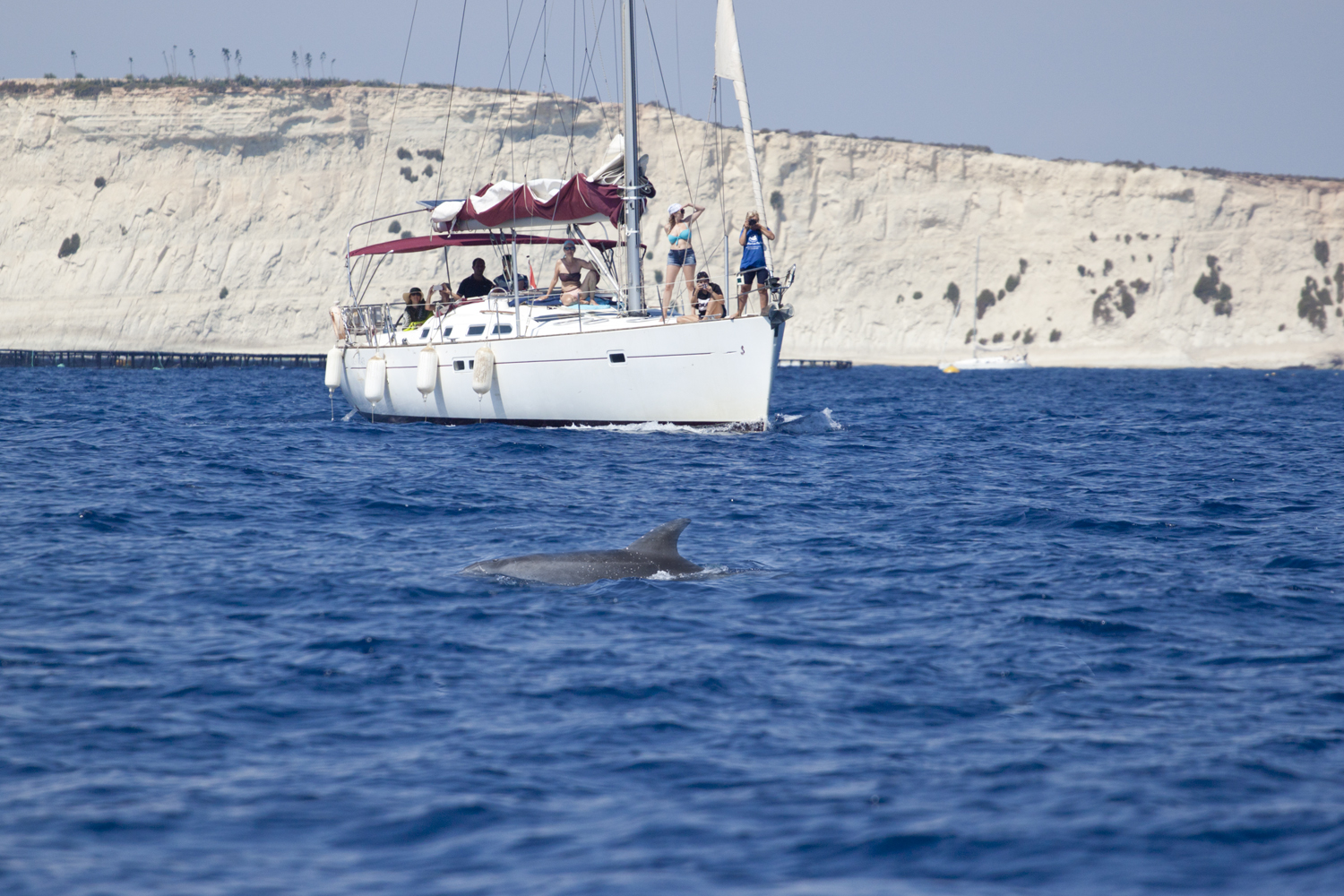
Private Marine life spotting
Enjoy a private marine life spotting experience with your loved ones. A day at sea to relax, reconnect, and discover Malta’s marine life.
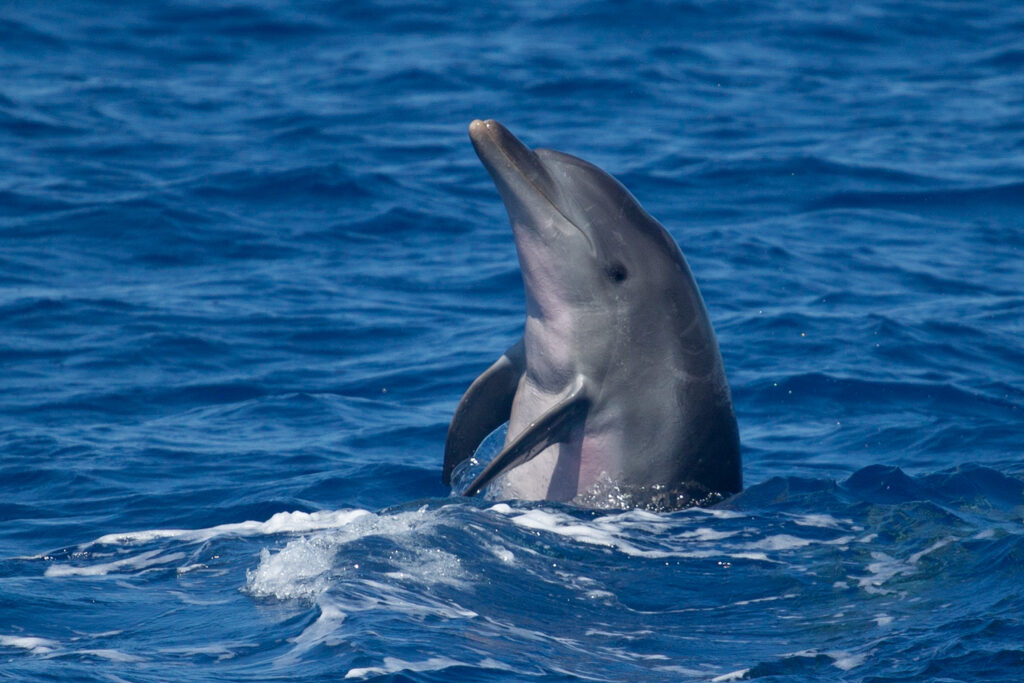
Shared Marine life spotting
Discover Malta’s marine environment on a shared boat tour with other guests. Enjoy a relaxing day at sea while spotting marine life along the way.