
Ornate wrasse
Scientific name: Thalassoma pavo
Suborder: Labridae
Genus: Thalassoma
Family: Labridae
Habitat: Rocky reefs, boulder areas, and Posidonia Oceanica meadows; mostly in shallow waters, typically from 0 to ~20 m.
Maximum length in the Mediterranean: Commonly 12–15 cm, maximum record 20–25 cm
The ornate wrasse (Thalassoma pavo) is commonly found over rocky seabeds in shallow coastal waters, usually at depths of less than 10 meters, and rarely deeper than 20 meters. It has an elongated, streamlined body that is slightly compressed from the sides, allowing it to move quickly and easily among rocks.
Females and juveniles usually live in small groups, while adult males are generally solitary. During the breeding season, however, males defend a territory and guard a small group of females, forming what is known as a harem.
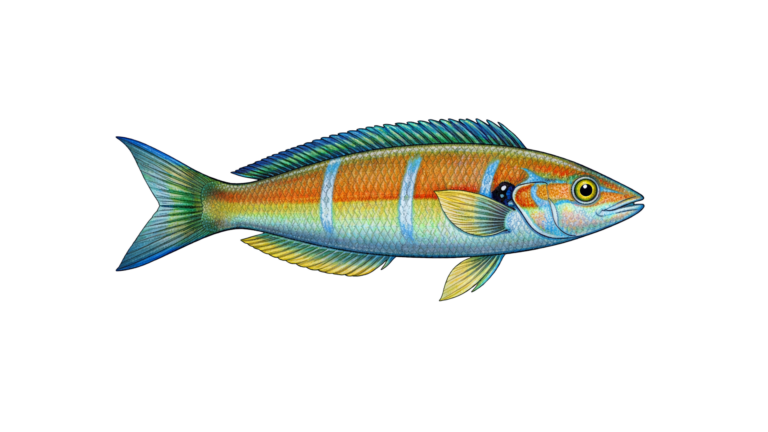
This species is a protogynous hermaphrodite, meaning that all individuals are born female, and some later change sex to become males as they grow larger. Because of this, males and females have different colours throughout their lives. Females and juveniles are typically yellowish-orange with a black spot on the dorsal area, while adult males develop greener or bluish colours with a distinct blue stripe behind the gill cover (operculum).
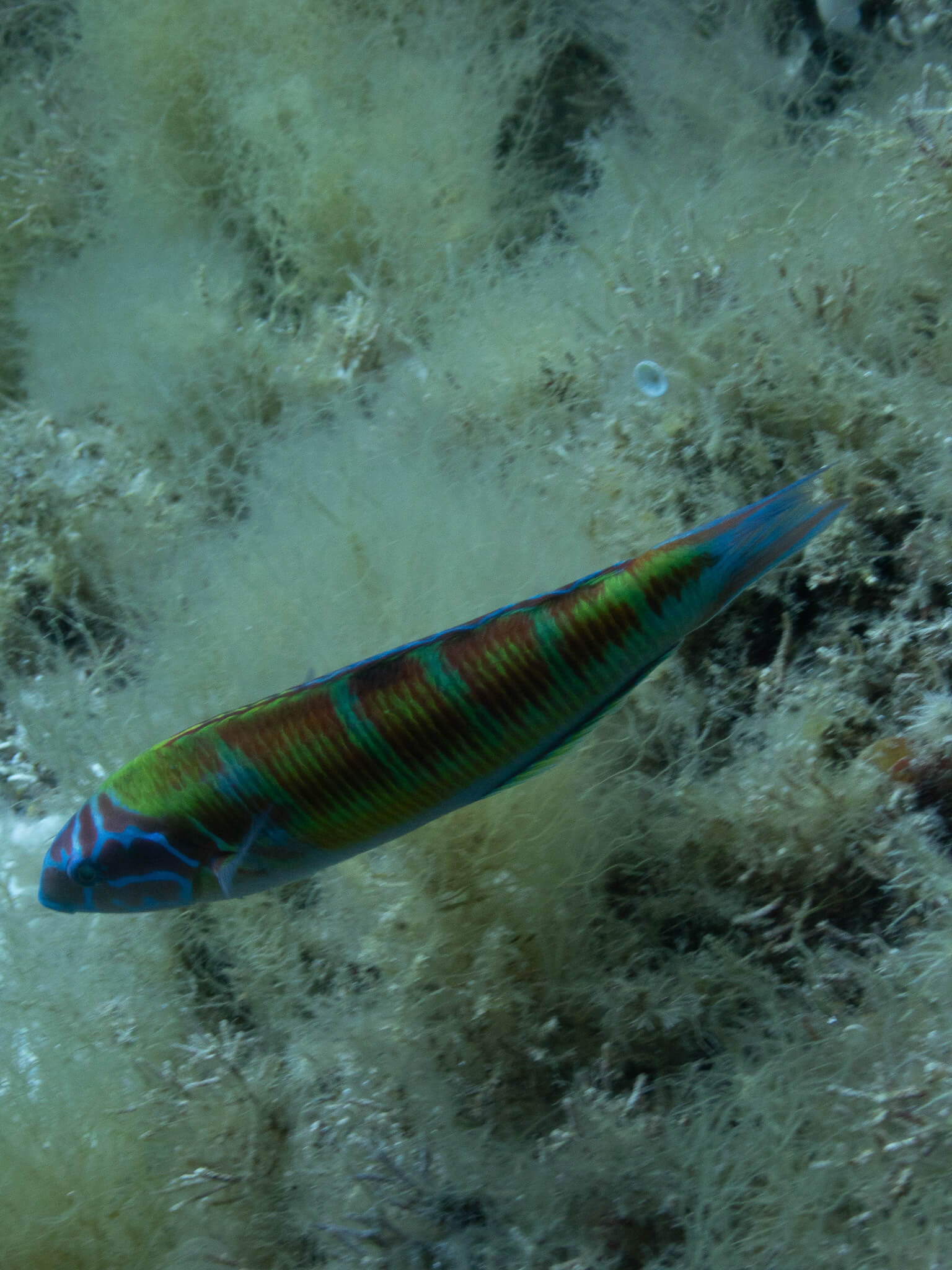
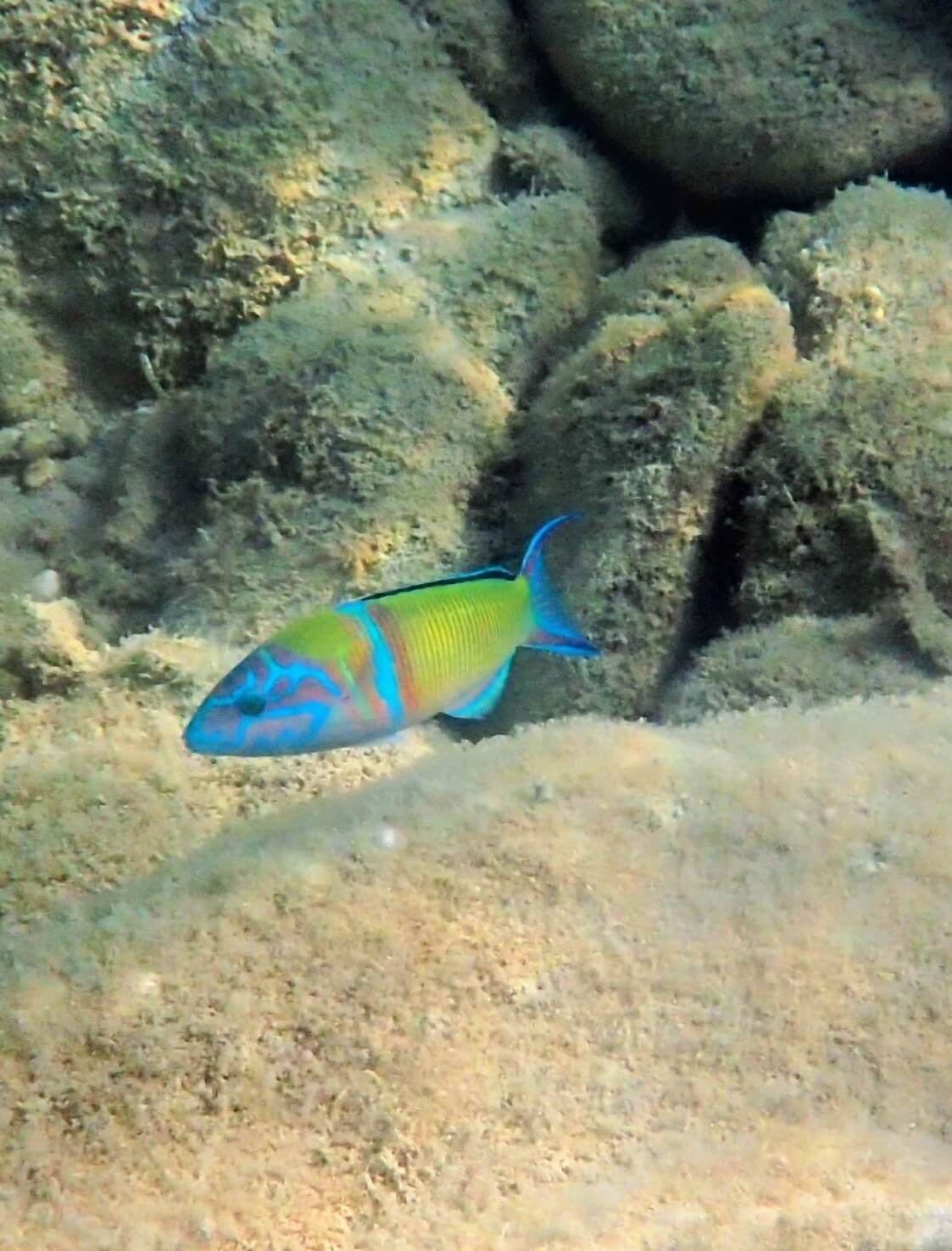
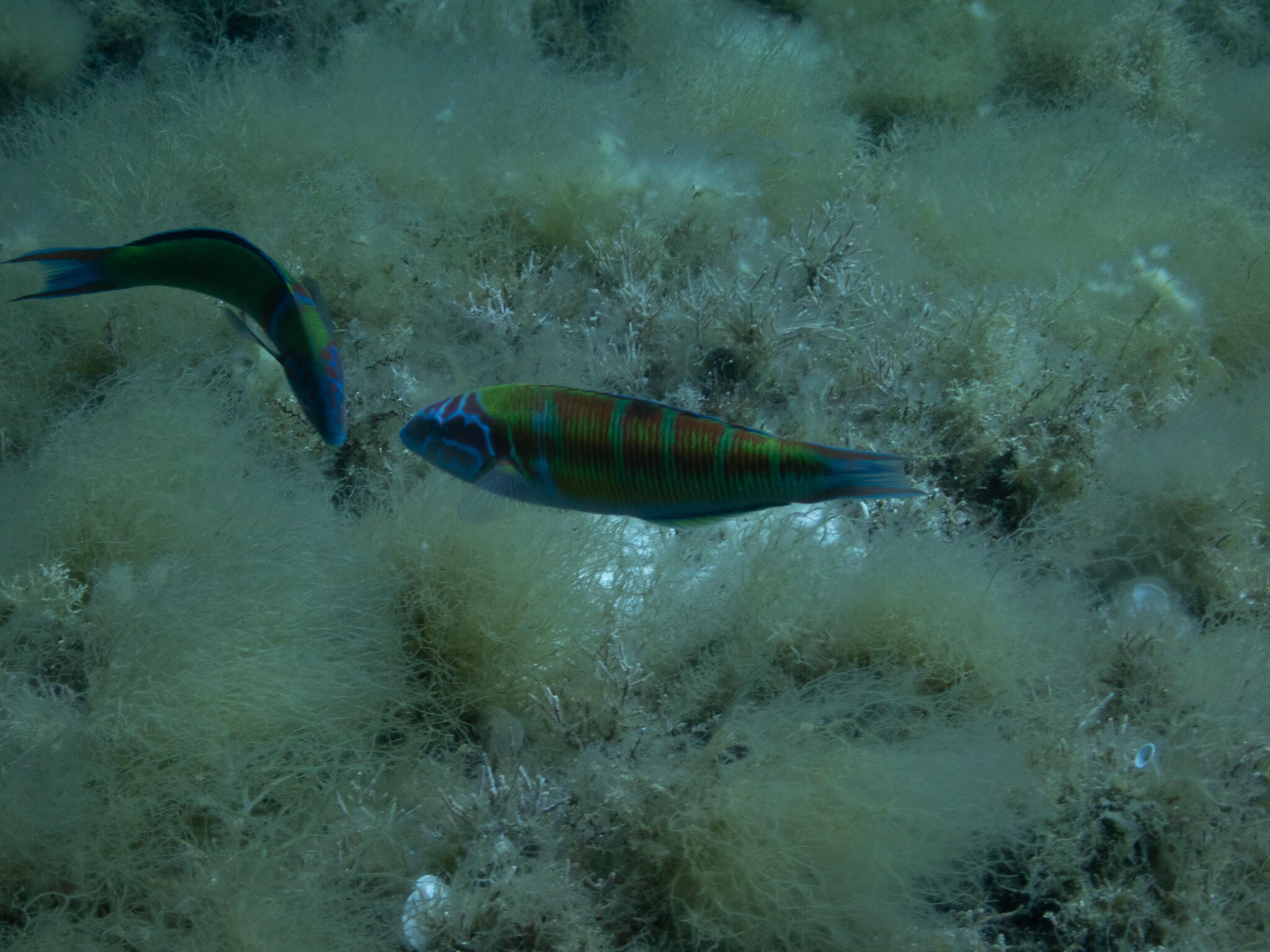
The ornate wrasse prefers warm waters, and in recent decades it has expanded its range in the Mediterranean, partly due to the increase in sea temperatures.
An interesting fact about this species is that dominant males can intensify their colours within seconds when another male enters their territory or during courtship displays, making their bright patterns even more striking.
In coastal Mediterranean waters, the ornate wrasse (Thalassoma pavo) faces several pressures mainly linked to human activity. Because it lives in very shallow rocky habitats, it is particularly vulnerable to coastal habitat degradation caused by shoreline construction, dredging, anchoring, and pollution. These activities can damage the rocky substrates and nearby seagrass areas that the species uses for feeding and shelter.
The ornate wrasse may also be affected by small-scale and recreational fishing, although it is not usually a primary commercial target. Additionally, plastic pollution and other contaminants in nearshore waters can impact the species directly or indirectly through the small invertebrates it feeds on. Intense tourism, boating, and diving activities in shallow coastal zones may further disturb local populations. While the species has benefited from warming sea temperatures, which have helped expand its distribution in the Mediterranean, continued degradation of coastal habitats could negatively affect its populations in the long term.
Threats
What can we do?
Threats
What can we do?
Threats
What can we do?
Experiences you may enjoy
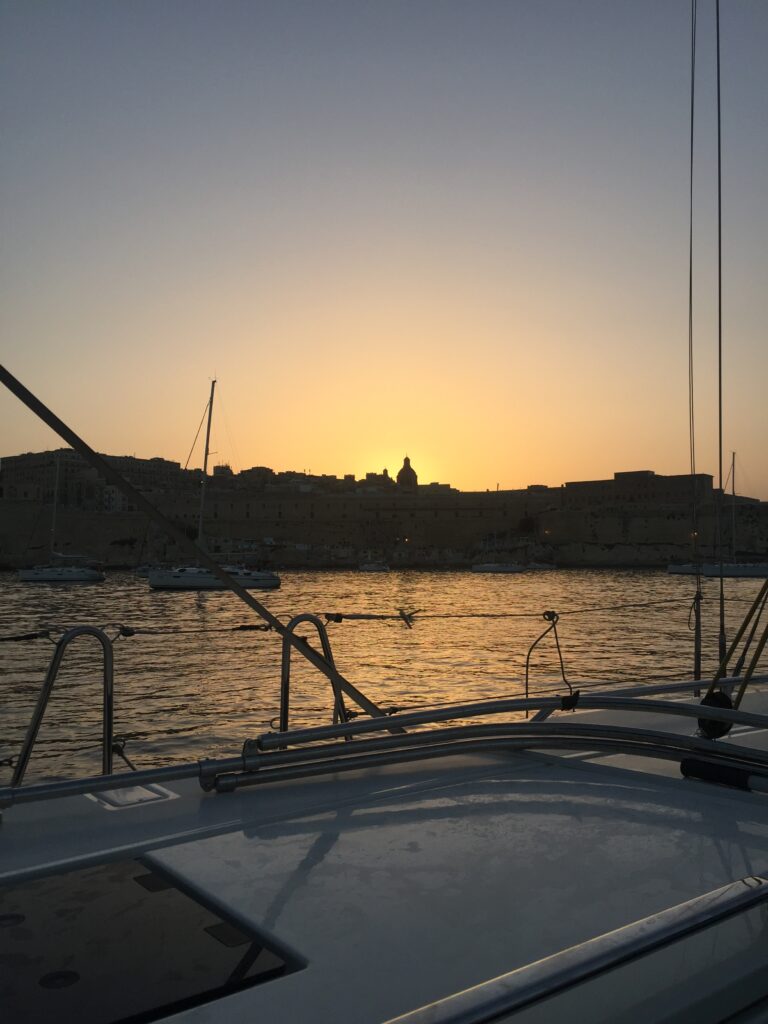
Private Sunset experience
Feel the soul of the sea, enjoy the extaordinary colors and landscapes of Maltese Islands during the loveliest hours of the day.
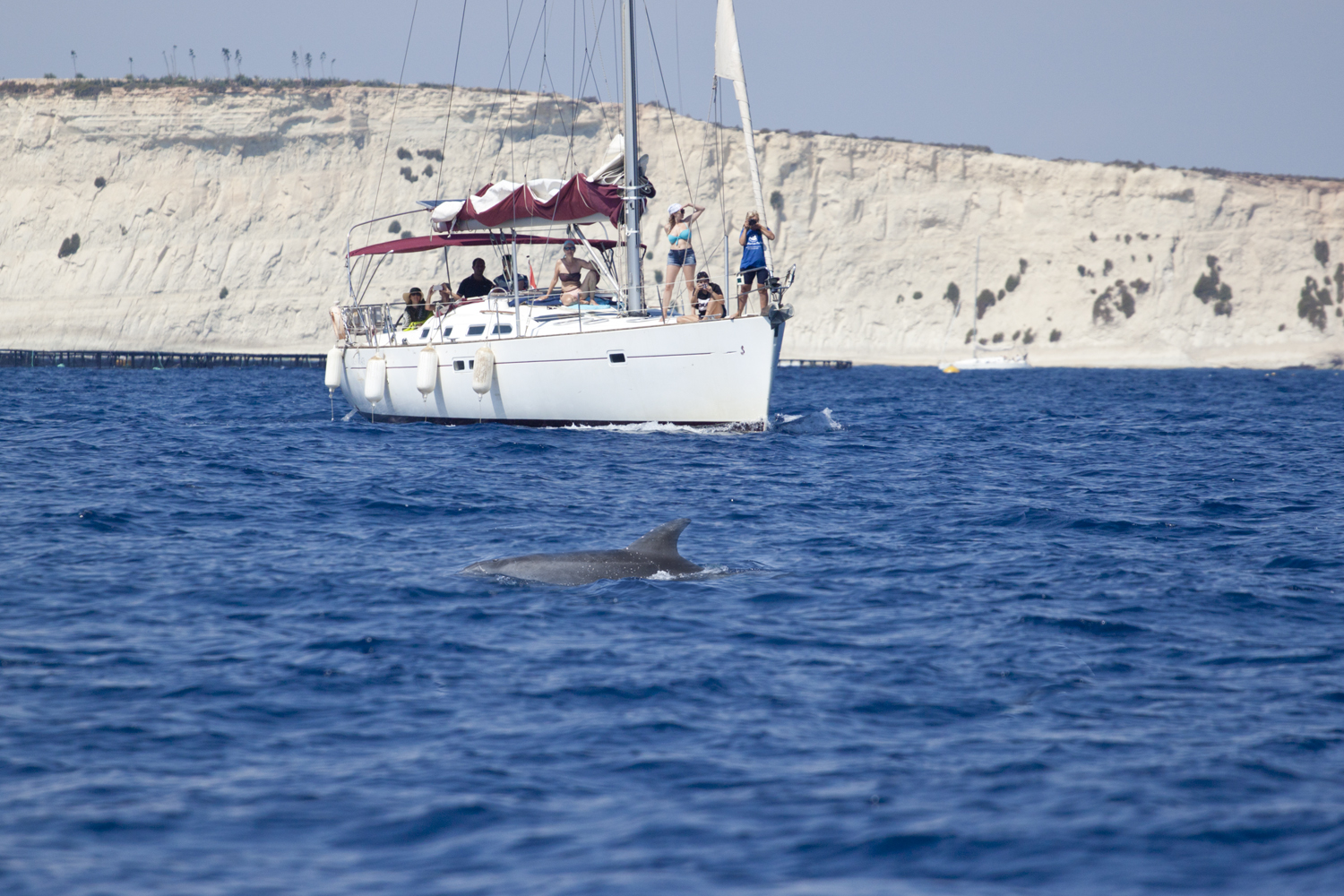
Private Marine life spotting
Enjoy a private marine life spotting experience with your loved ones. A day at sea to relax, reconnect, and discover Malta’s marine life.
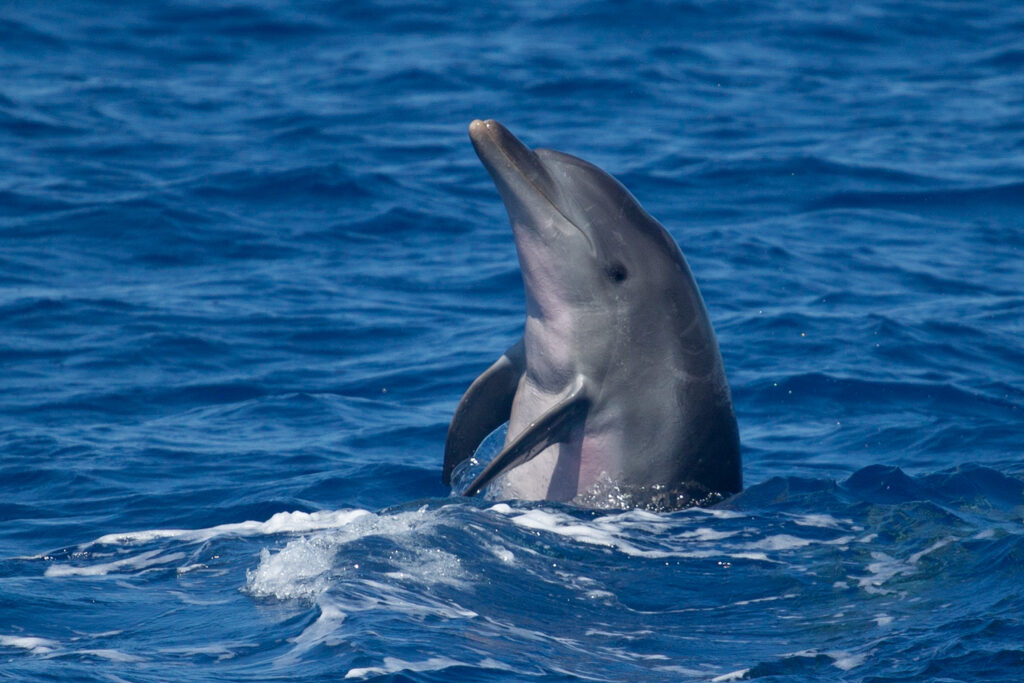
Shared Marine life spotting
Discover Malta’s marine environment on a shared boat tour with other guests. Enjoy a relaxing day at sea while spotting marine life along the way.