
Grey triggerfish
Scientific name: Balistes capriscus
Suborder: Balistoidei
Genus: Balistes
Family: Balistidae
Habitat: Rocky bottoms, reefs, and seagrass meadows; typically in coastal waters from shallow depths down to about 50 m.
Maximum length in the Mediterranean: Typically 40 – 50 cm
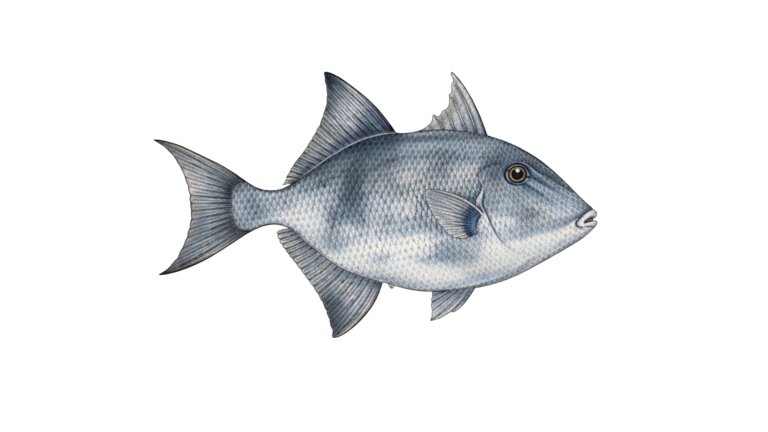
The grey triggerfish has a laterally compressed and robust body, typically grey or brown in colour with lighter tones on the belly. This species is strongly territorial, particularly during the reproductive season. Males construct nests on the seabed by modifying the substrate, rearranging sediments, and actively defending the nesting site, sometimes displaying aggressive behaviour toward intruders. The species can also produce characteristic “croaking” sounds through muscle contractions associated with the swim bladder.
The grey triggerfish is valued in artisanal fisheries in both the western Mediterranean and the Atlantic Ocean. It is considered an Atlanto-Mediterranean species rather than an invasive one. Increases in its abundance in certain Mediterranean regions have been linked to rising sea temperatures and changes in habitat availability.
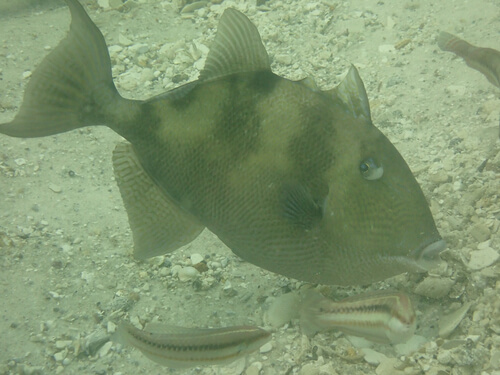
A distinctive feature of this species is its unique “trigger mechanism”: the first dorsal spine can be locked upright by the second spine and can only be folded down when the mechanism is released.
Threats to the grey triggerfish mainly affect its coastal habitats. These include pressures associated with over-tourism, such as habitat disturbance from snorkelling, swimming, trampling by humans, increased noise pollution, and the accumulation of plastic debris. Overfishing also represents a significant threat to local populations. In addition, ocean warming may alter habitat conditions and influence the distribution and abundance of this species.
Threats
What can we do?
Threats
What can we do?
Threats
What can we do?
Experiences you may enjoy
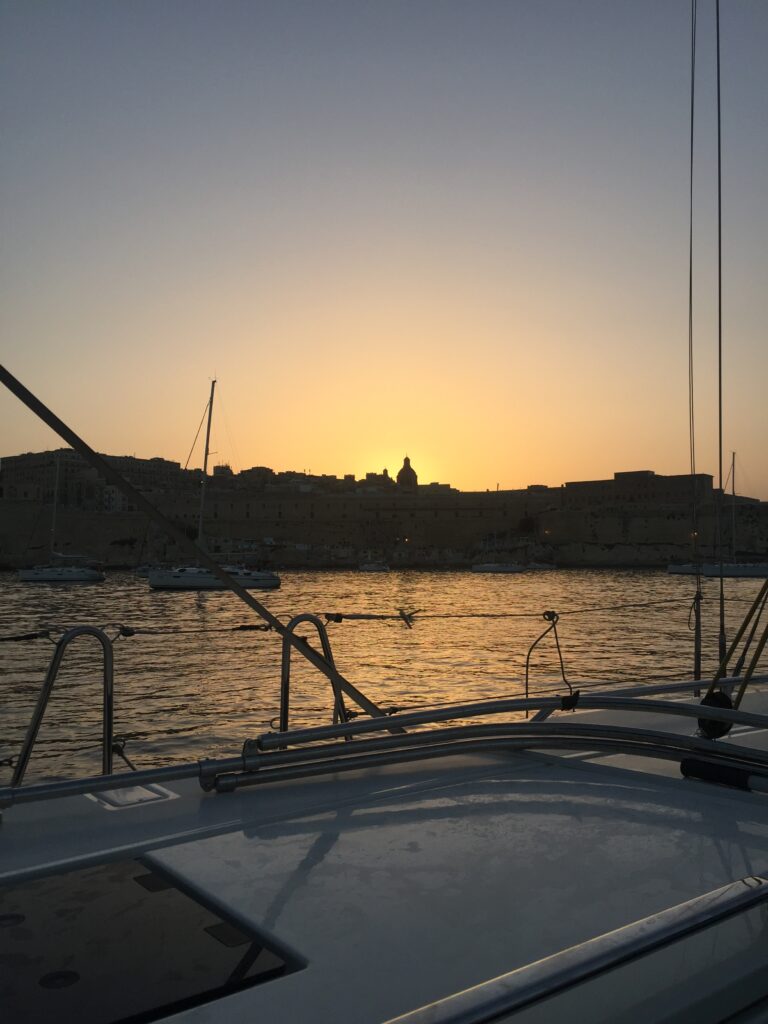
Private Sunset experience
Feel the soul of the sea, enjoy the extaordinary colors and landscapes of Maltese Islands during the loveliest hours of the day.
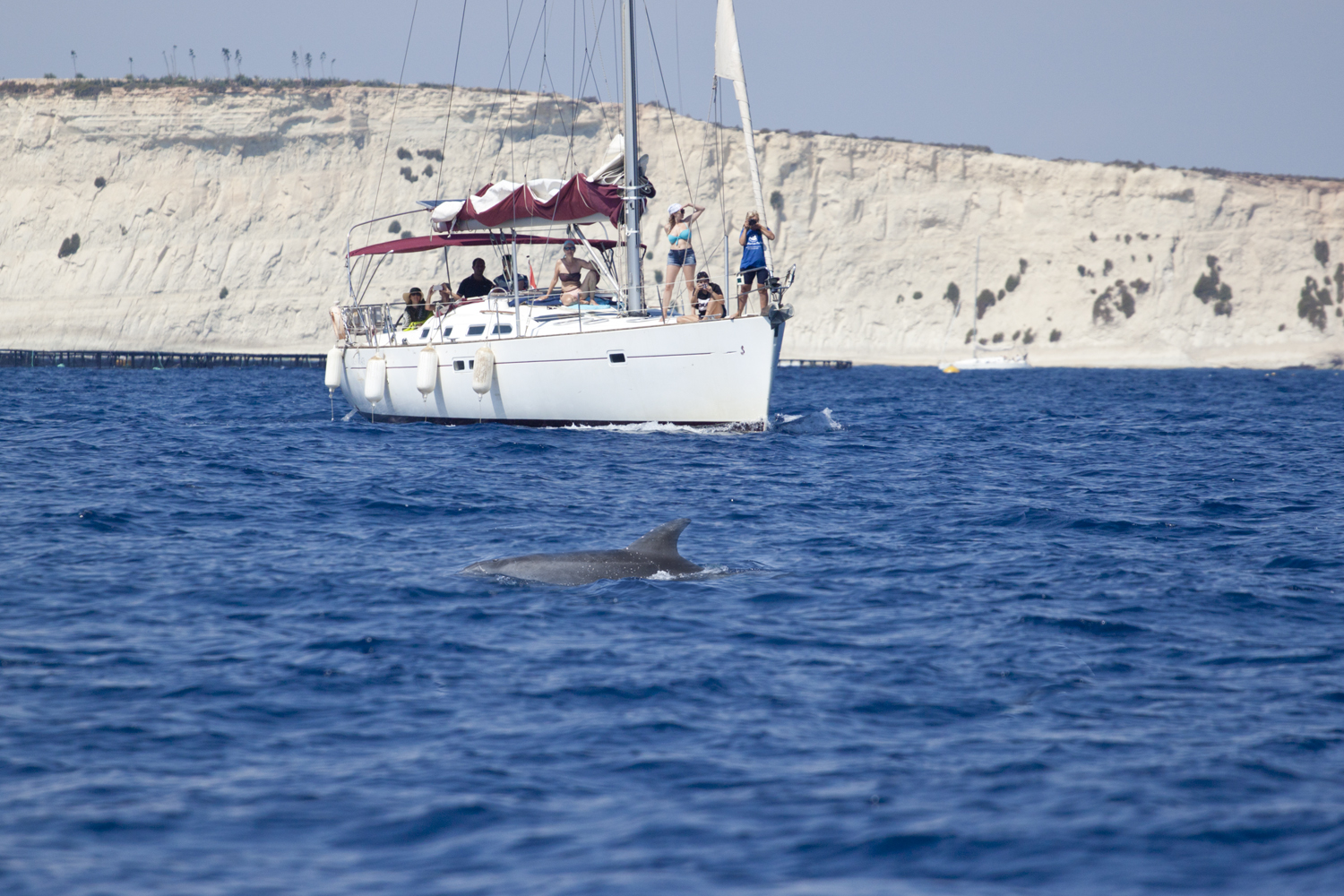
Private Marine life spotting
Enjoy a private marine life spotting experience with your loved ones. A day at sea to relax, reconnect, and discover Malta’s marine life.
Shared Marine life spotting
Discover Malta’s marine environment on a shared boat tour with other guests. Enjoy a relaxing day at sea while spotting marine life along the way.