
Storm Petrel
Scientific name: Hydrobates pelagicus
Order: Procellariiformes
Genus: Hydrobates
Family: Hydrobatidae
Habitat: Coastal cliffs, rocky islets and offshore islands across the Mediterranean and Atlantic Ocean
Maximum wingspan: 37 – 41 cm
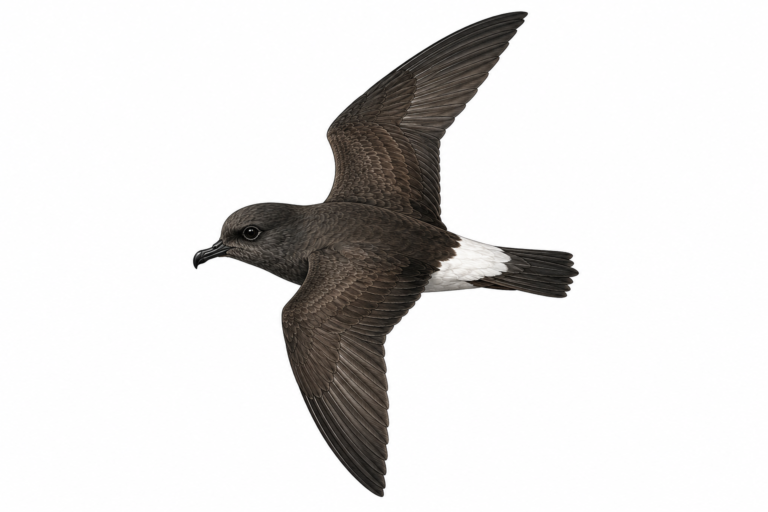
The smallest of Malta’s breeding seabirds, this species is only slightly larger than a sparrow. It has relatively long, narrow wings and a square-ended tail. The plumage is entirely sooty black, except for a striking snow-white rump that extends along the sides. A broad white band is also visible under the wing in flight. The bill is slender, black, and slightly curved, with distinctive tube-like nostrils. The feet are webbed. Males and females look alike, although females are slightly larger on average.
Its flight is fluttering and low over the sea surface, often appearing to ‘hover’ while searching for floating food. It is rarely seen from land, as it spends most of its life far out at sea. This species typically lives for over 20 years, with the oldest recorded individual in Malta reaching 32 years.
The European Storm-petrel is a breeding visitor to Malta. Most individuals remain in the Mediterranean throughout the year, while part of the population migrates to the Atlantic Ocean after the breeding season.
In Malta, the breeding population is mainly concentrated on the small island of Filfla, which holds an estimated 5,000–8,000 pairs. This represents around 50% of the Mediterranean population, which is recognised as a distinct subspecies (Hydrobates pelagicus melitensis).
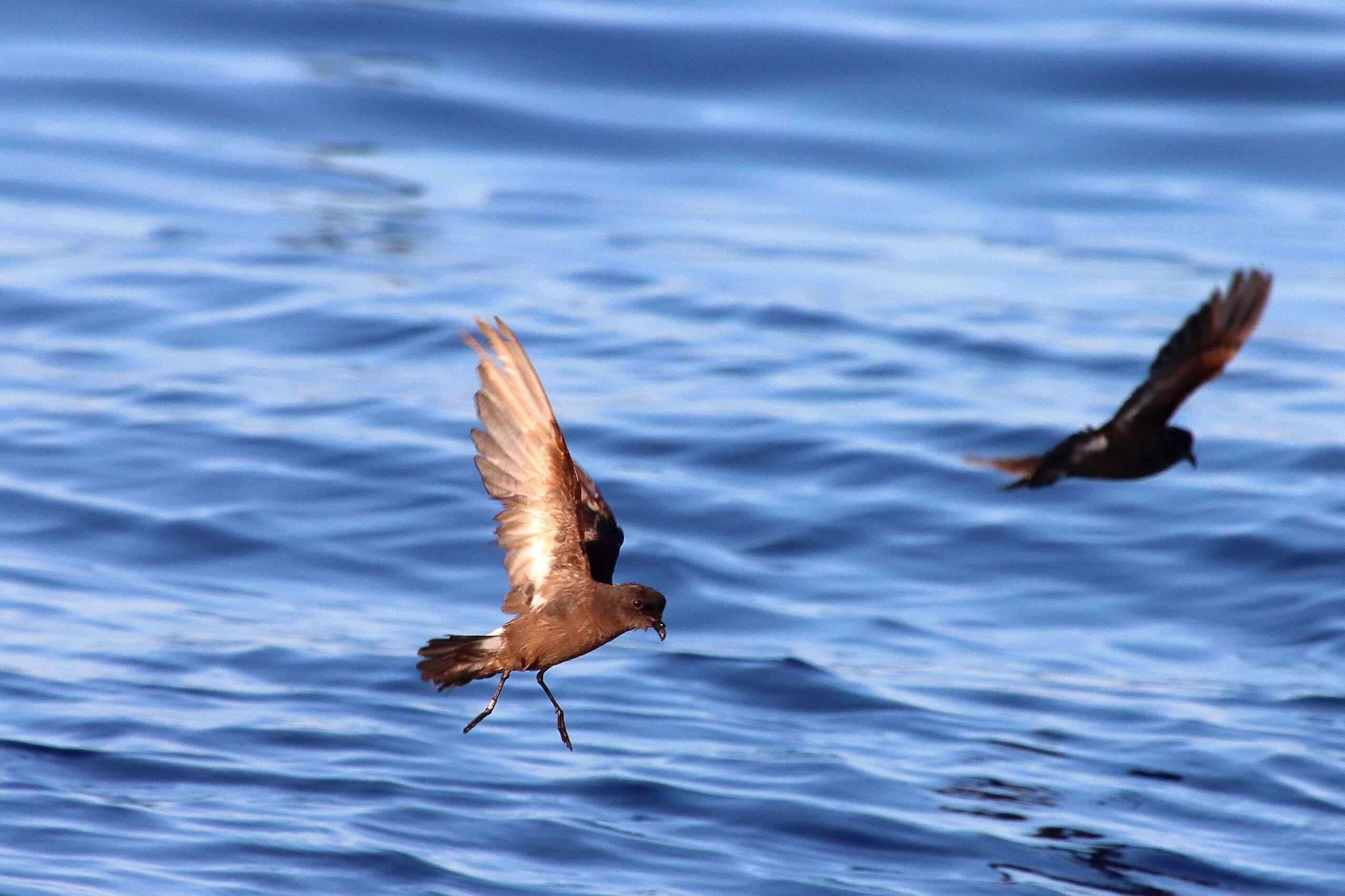
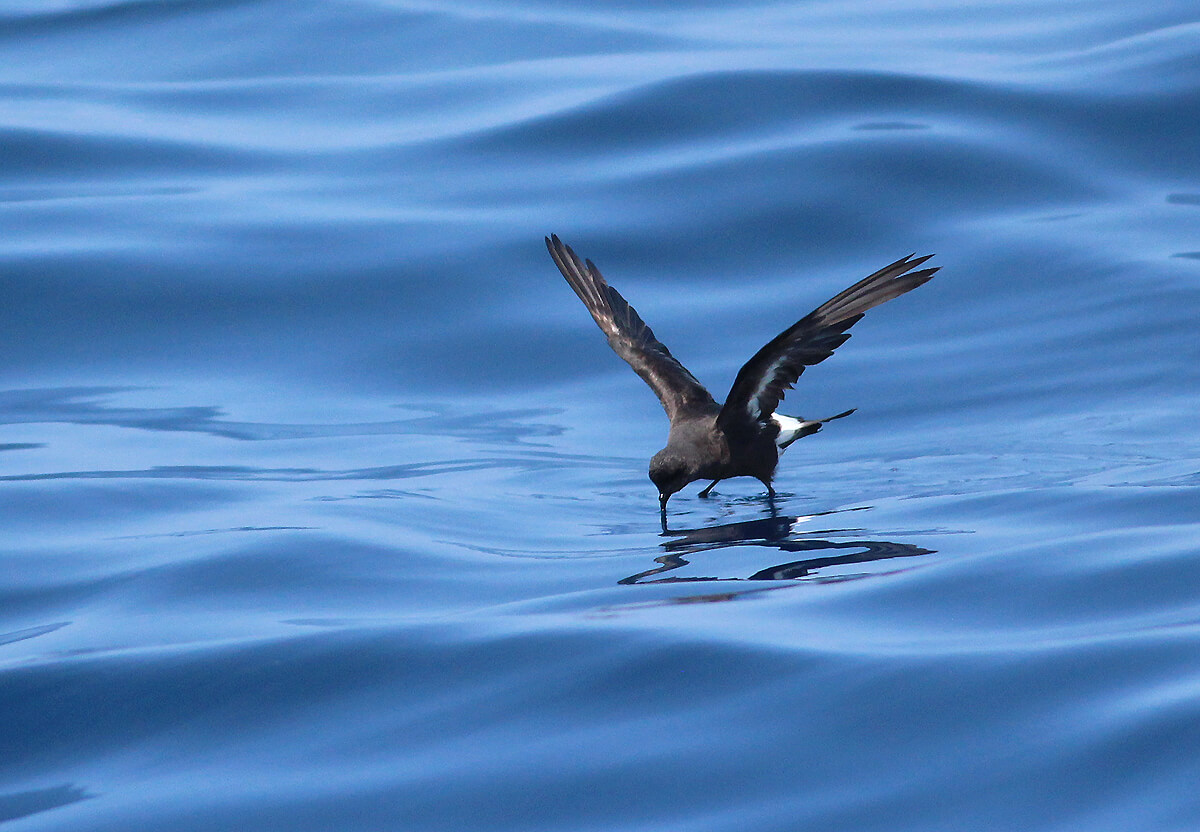
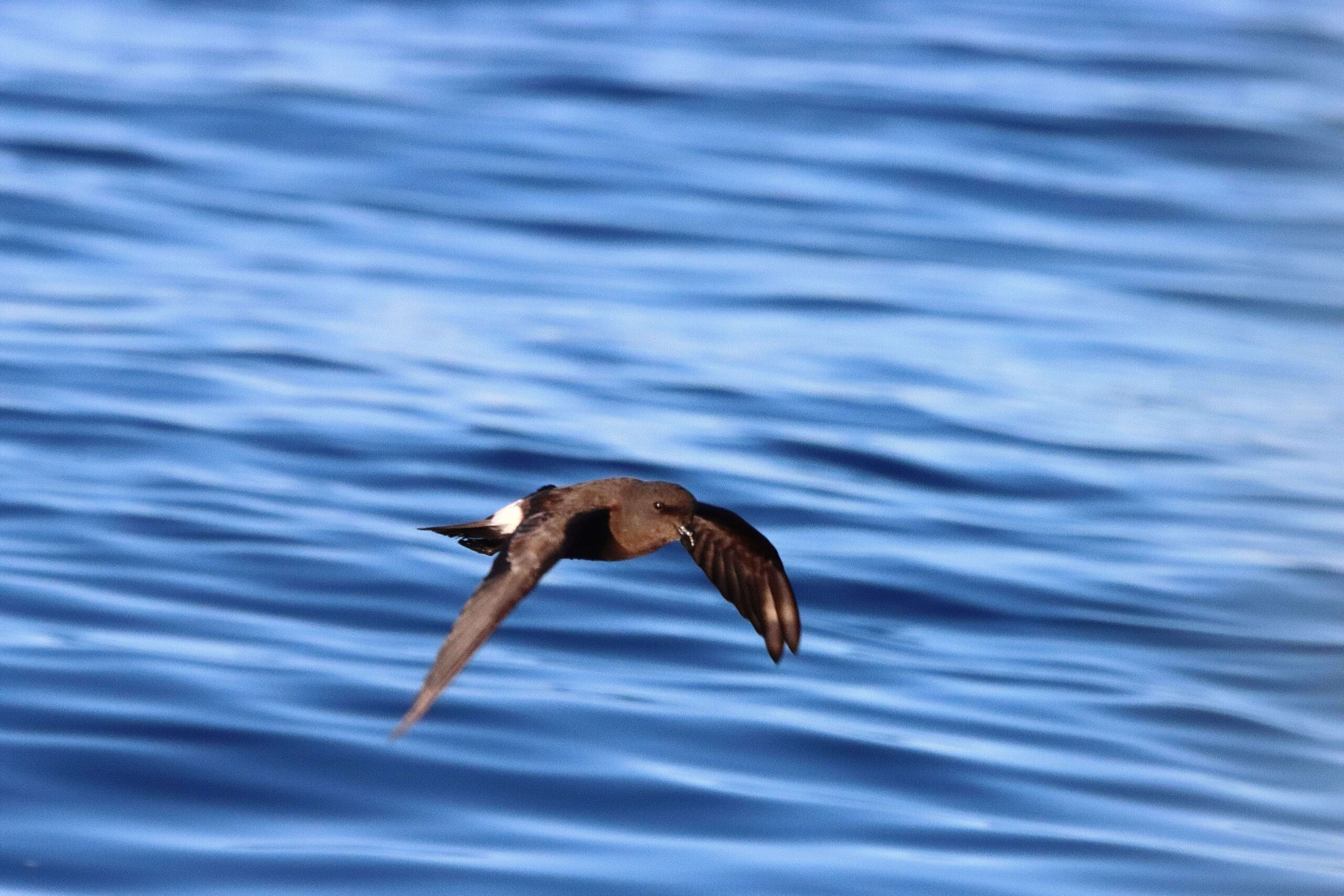
Monogamous and colonial, this species breeds from mid-April to October, with birds arriving at breeding sites from February onwards.
It nests in holes and crevices among boulders, as well as in sea caves. Each pair lays a single white egg between May and July. Incubation lasts about 38 days, and chicks fledge between July and October. Both parents share incubation and chick-rearing duties. The species is single-brooded, and eggs cannot be replaced if lost.
It feeds at sea, mainly on very small marine organisms, and also scavenges when opportunities arise.
This species is listed as being of Least Concern, but with a decreasing population trend within the IUCN list of Conservation and is legally protected in Malta. If you find a bird that has become stranded or injured, please contact BirdLife Malta.
Threats
What can we do?
Threats
What can we do?
Threats
What can we do?
Experiences you may enjoy
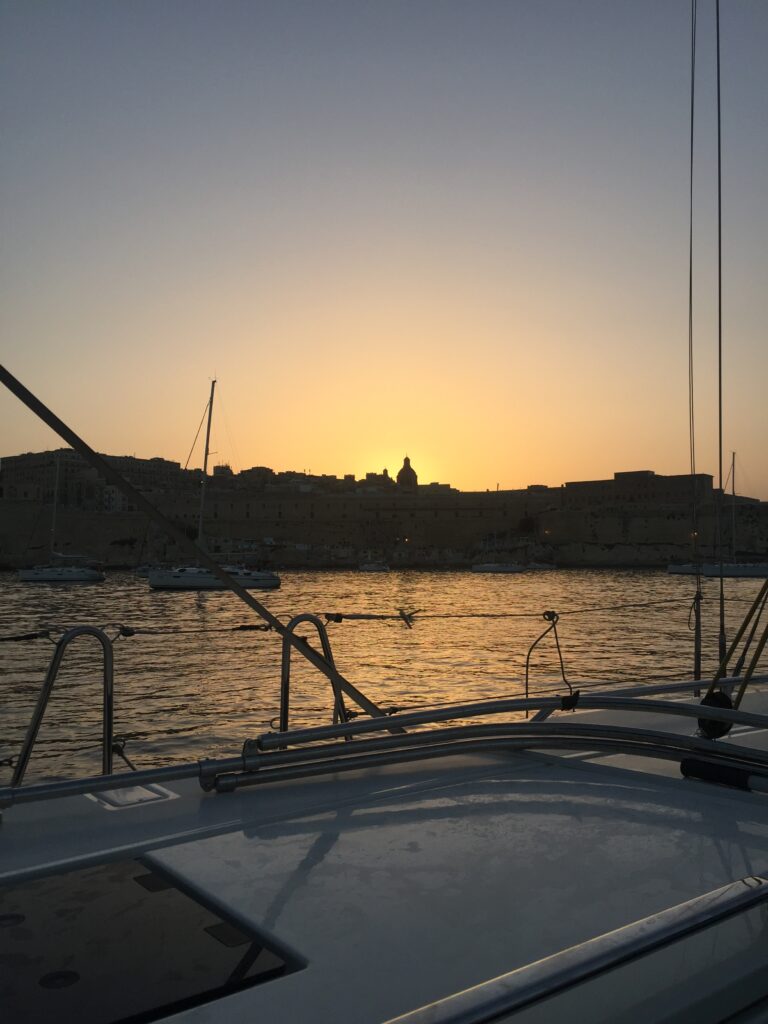
Private Sunset experience
Feel the soul of the sea, enjoy the extaordinary colors and landscapes of Maltese Islands during the loveliest hours of the day.
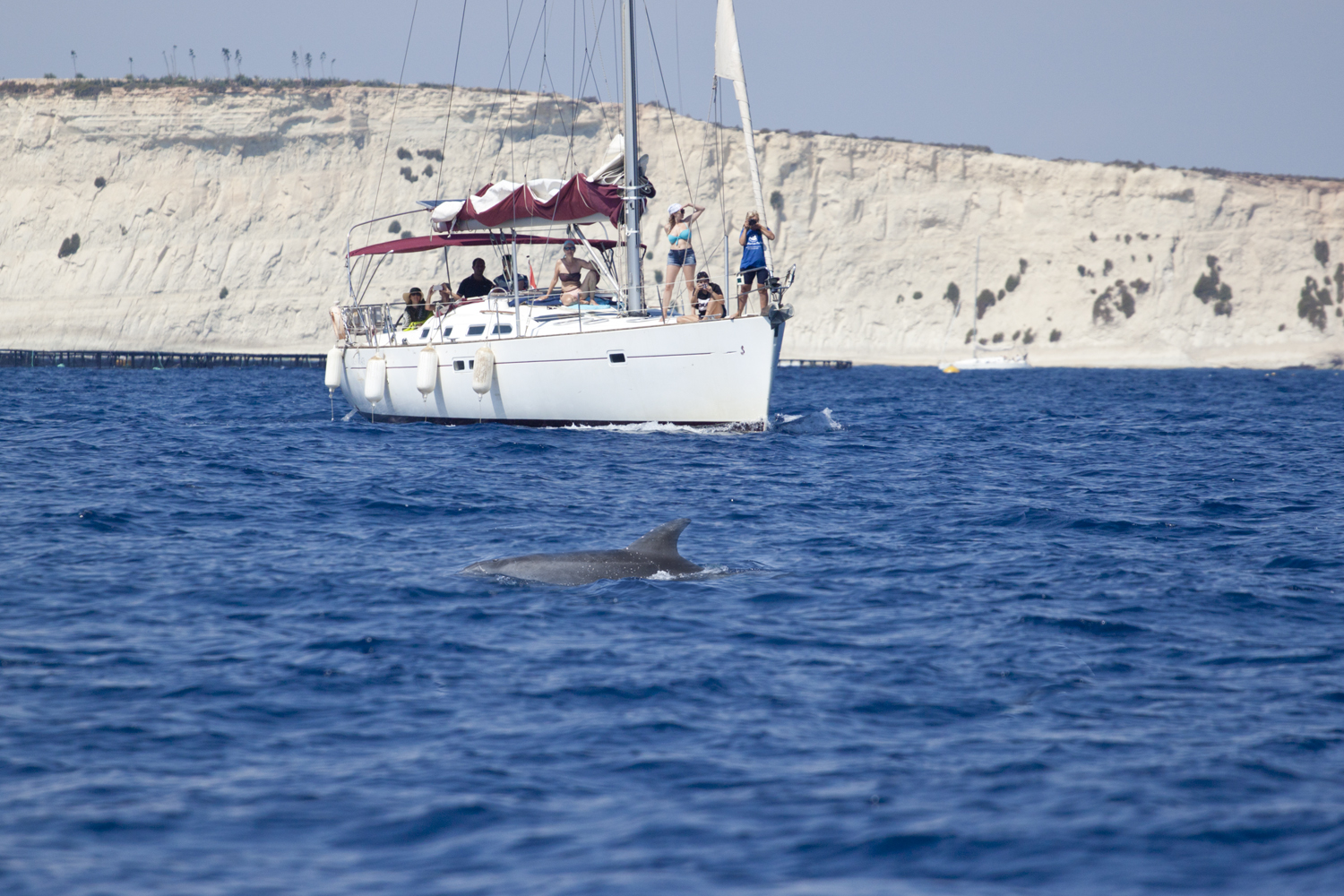
Private Marine life spotting
Enjoy a private marine life spotting experience with your loved ones. A day at sea to relax, reconnect, and discover Malta’s marine life.
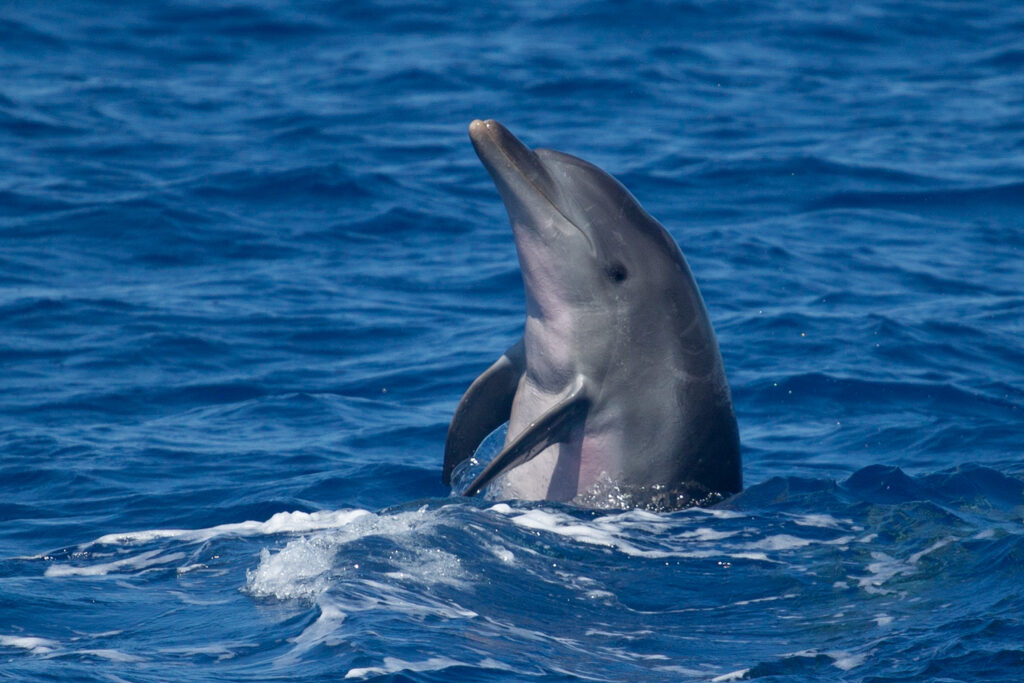
Shared Marine life spotting
Discover Malta’s marine environment on a shared boat tour with other guests. Enjoy a relaxing day at sea while spotting marine life along the way.