
Black-headed gull
Scientific name: Chroicocephalus ridibundus
Order: Charadriiformes
Genus: Chroicocephalus
Family: Laridae
Habitat: Occupies wetlands, estuaries, saltpans, reservoirs and coastal areas
Maximum wingspan: Typically 86 – 99 cm
The Black-headed Gull is one of the most familiar small gulls across Europe, often seen in lively flocks along coasts, wetlands, and harbours. Despite its name, its “black head” is only present during the breeding season, giving way to a more subtle winter appearance that is still distinctive once you know what to look for.
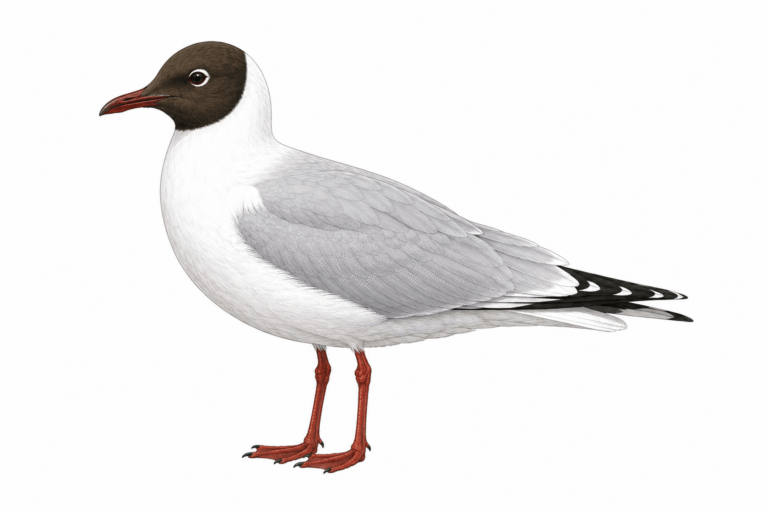
In breeding plumage, adults show a rich dark chocolate-brown hood (not truly black), paired with a bright red bill and red legs, giving them a striking and elegant look. During winter, the dark hood is lost and replaced by a white head with a single dark ear spot behind the eye.
The Black-headed Gull breeds widely across Europe and parts of Asia, migrating southwards during winter. Large numbers spend the colder months around the Mediterranean, including Malta.
It is commonly associated with wetlands, estuaries, saltpans, reservoirs, and coastal areas. In Malta, it is especially visible outside the breeding season, when flocks gather along harbours and shorelines.
During strong winds, feeding activity often increases close to shore, making coastal harbours some of the best places to observe this species. Valletta’s breakwater is particularly well known as an excellent viewing point, where birds often rest at close range.
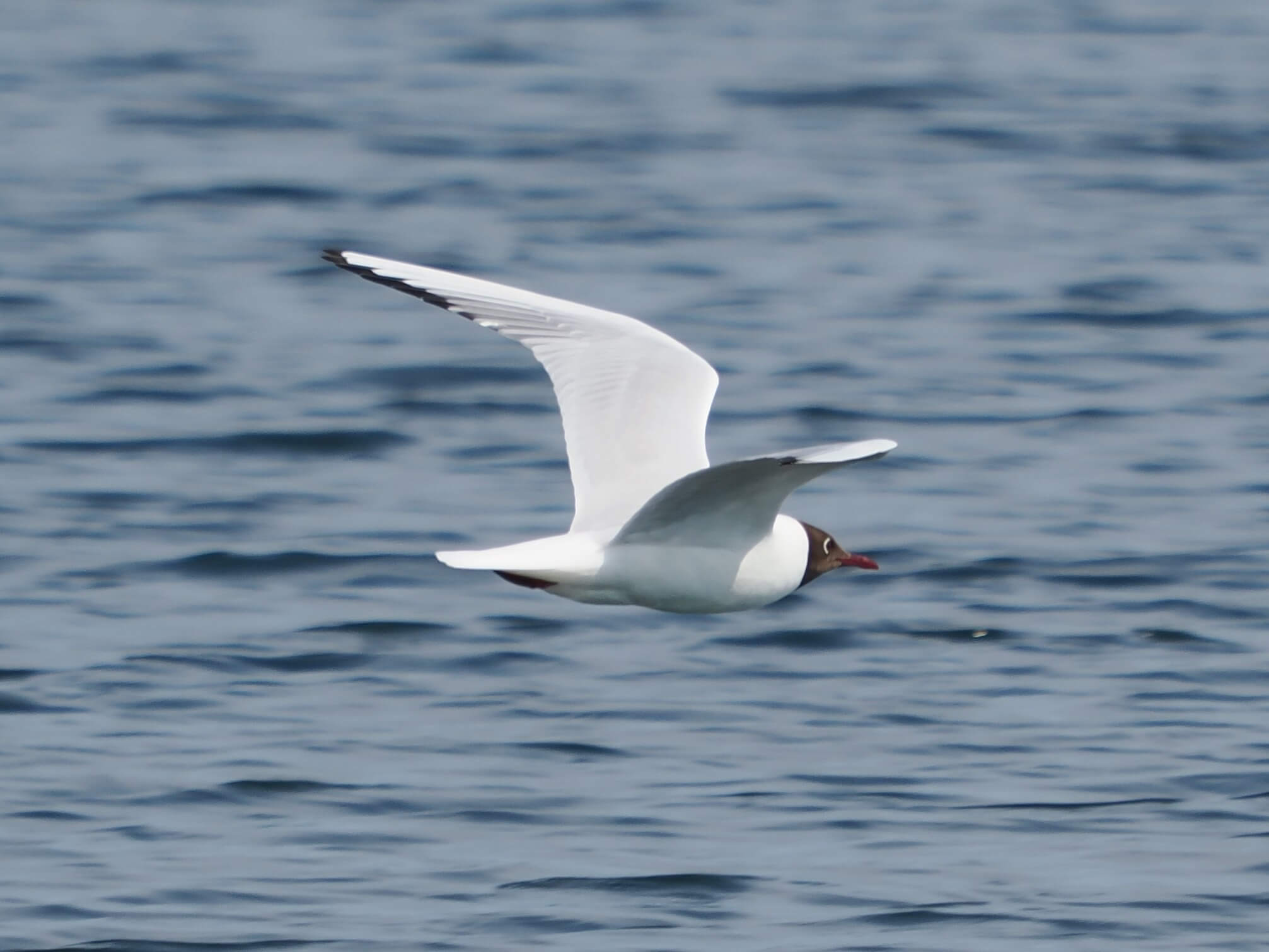
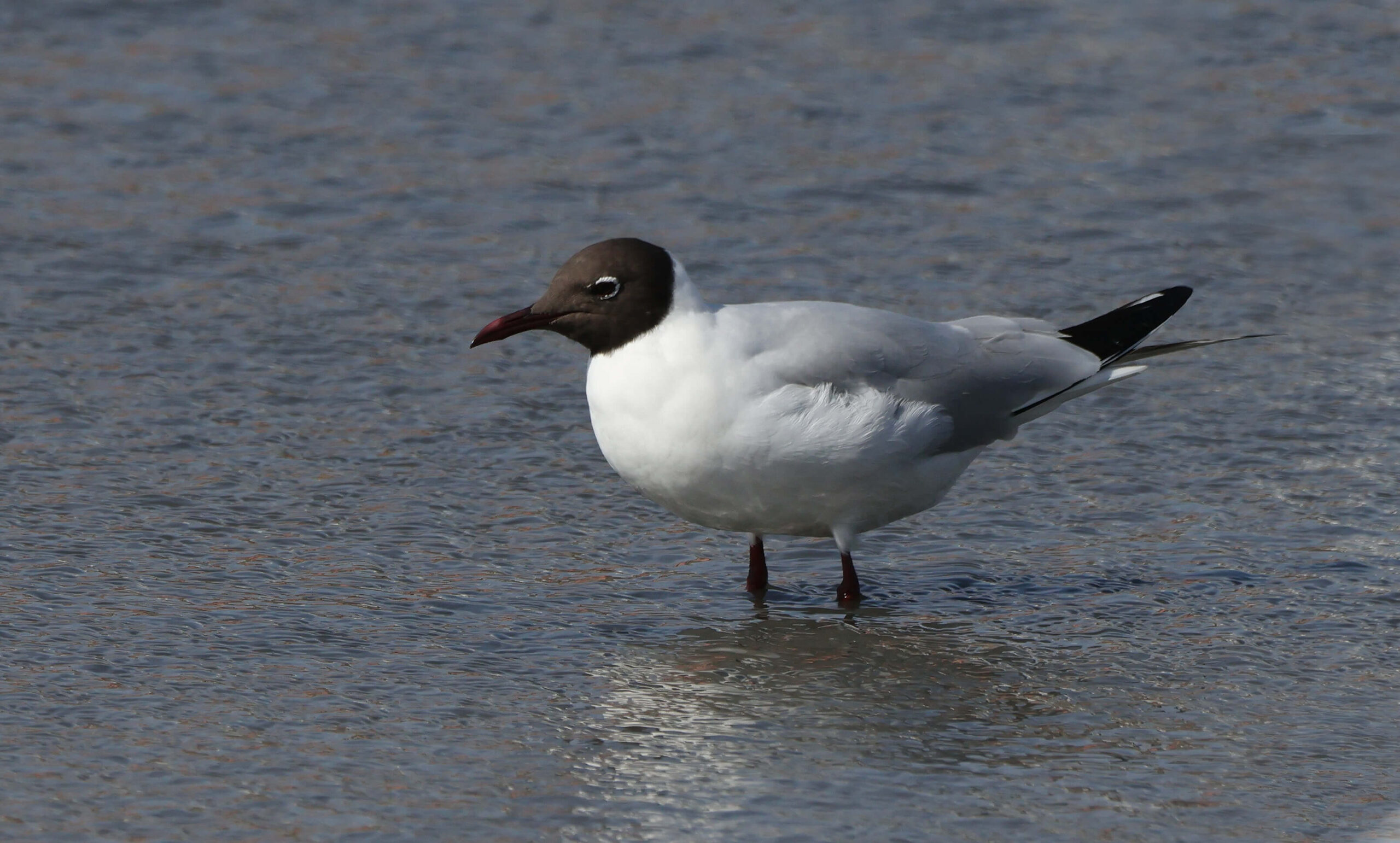
The Black-headed Gull breeds in colonies, usually in marshes, lakes, and coastal wetlands. Pairs typically lay two to three eggs, which hatch after an incubation period of around 23–26 days. Chicks grow quickly and fledge within about a month.
The Black-headed gull is an opportunistic and adaptable feeder, that consumes insects, small fish, crustaceans, worms, and a variety of human food waste. Its flexible diet has helped it thrive in both natural wetlands and human-altered coastal environments.
While still widespread and common, the Black-headed Gull is affected by wetland degradation, pollution, disturbance at breeding colonies, and changes in food availability linked to human activity.
The Black-headed Gull is classified as Least Concern on the IUCN Red List and remains one of the most widespread gull species in its range. In Malta, it is protected under national conservation legislation.
Threats
What can we do?
Threats
What can we do?
Threats
What can we do?
Experiences you may enjoy
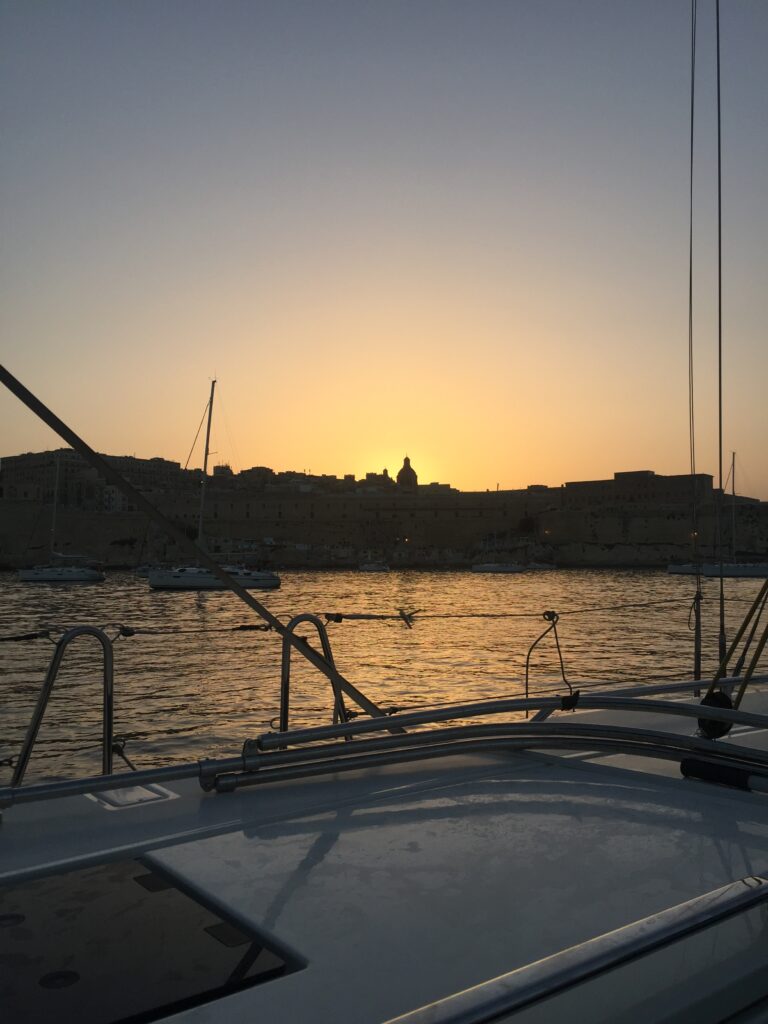
Private Sunset experience
Feel the soul of the sea, enjoy the extaordinary colors and landscapes of Maltese Islands during the loveliest hours of the day.
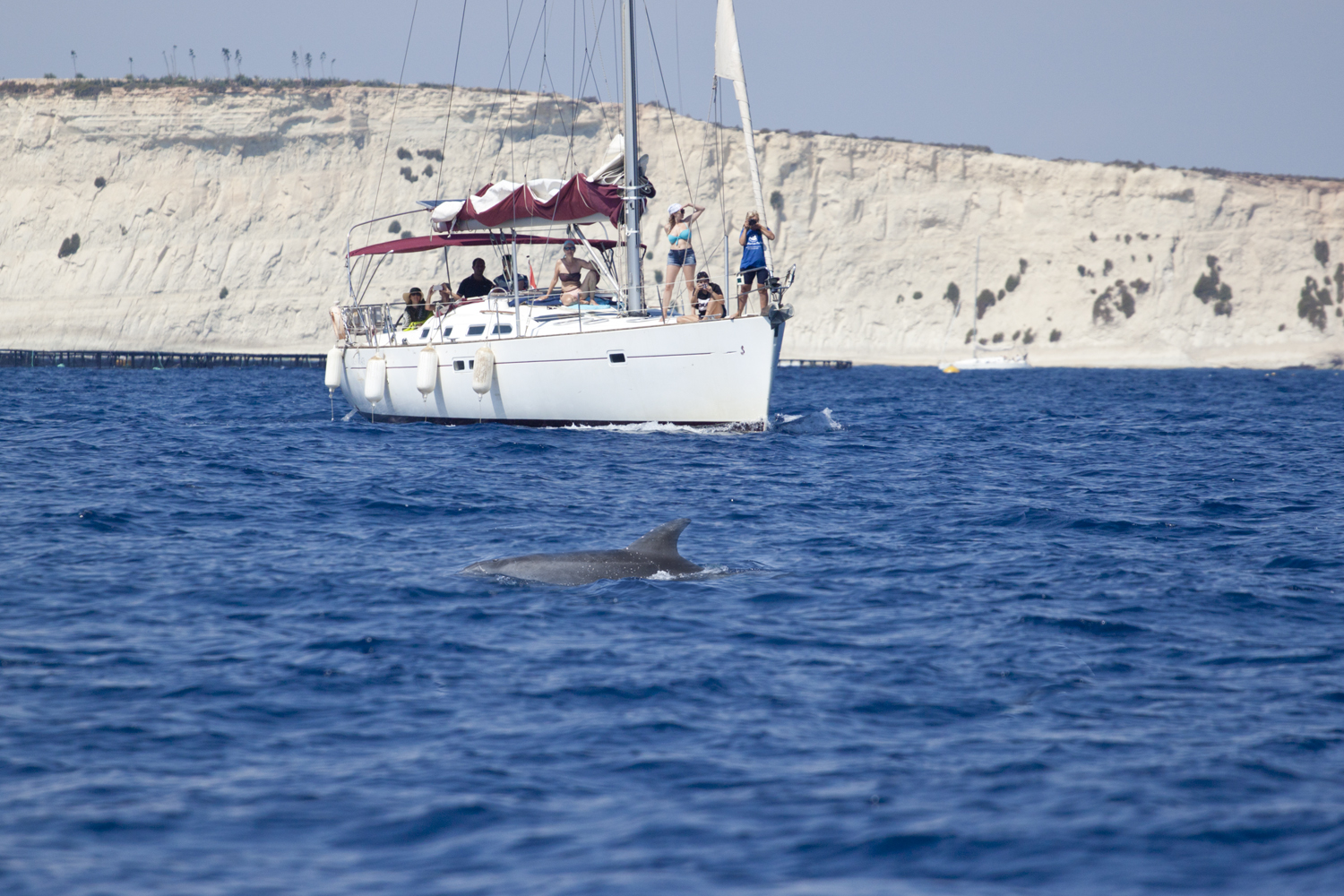
Private Marine life spotting
Enjoy a private marine life spotting experience with your loved ones. A day at sea to relax, reconnect, and discover Malta’s marine life.
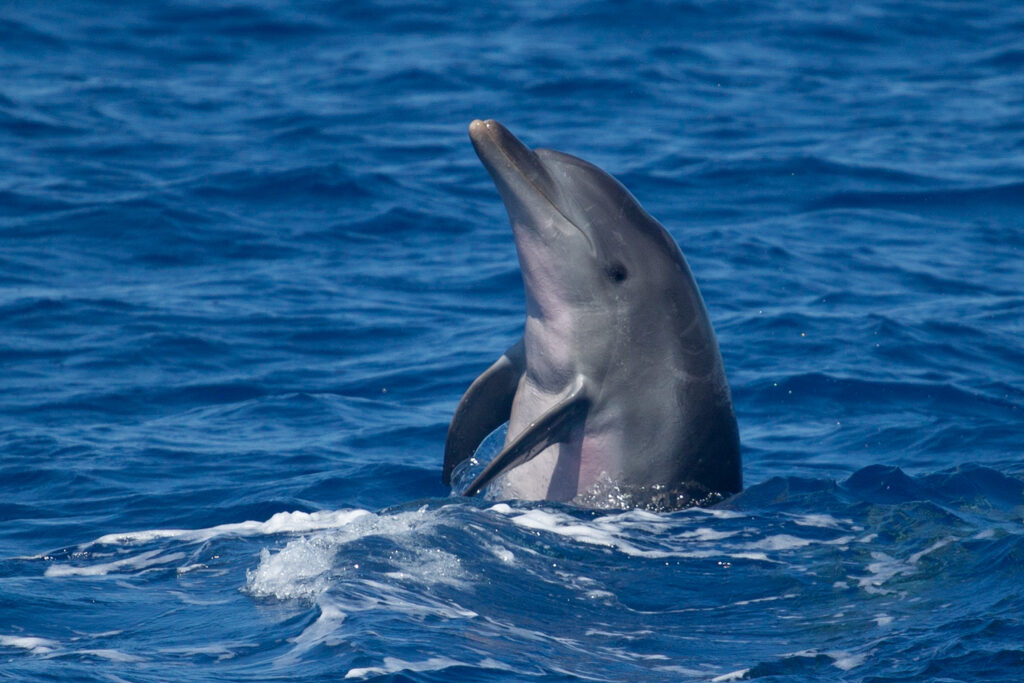
Shared Marine life spotting
Discover Malta’s marine environment on a shared boat tour with other guests. Enjoy a relaxing day at sea while spotting marine life along the way.