
Mediterranean Gull
Scientific name: Ichthyaetus melanocephalus
Order: Charadriiformes
Genus: Ichthyaetus
Family: Laridae
Habitat: Pelagic seabird also found in coastal areas.
Maximum wingspan: Typically 94 – 102 cm
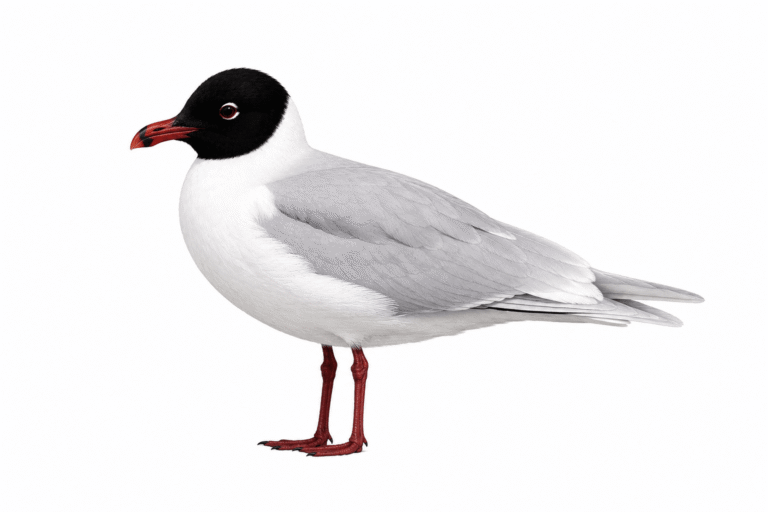
Elegant and distinctive, the Mediterranean Gull is a medium-sized gull that stands out for its clean white plumage and striking dark hood during the breeding season. Often described as one of the more refined-looking gull species, it brings a flash of contrast to coastal wetlands and harbours.
Adults are unmistakable in breeding plumage, showing a pure white body, a deep black hood, and a bright red bill that gives the species a sharp, elegant profile. Outside the breeding season, the dark hood disappears, leaving a clean white head with only faint markings.
The Mediterranean Gull breeds mainly around the Black Sea and parts of eastern Europe, with populations gradually expanding westwards across Europe. It is most commonly associated with coastal wetlands, lagoons, estuaries, and saltpans.
In Malta, it is generally seen at sea close to shore, particularly around harbours on the eastern and southern coasts, where feeding activity can bring individuals in relatively close view.
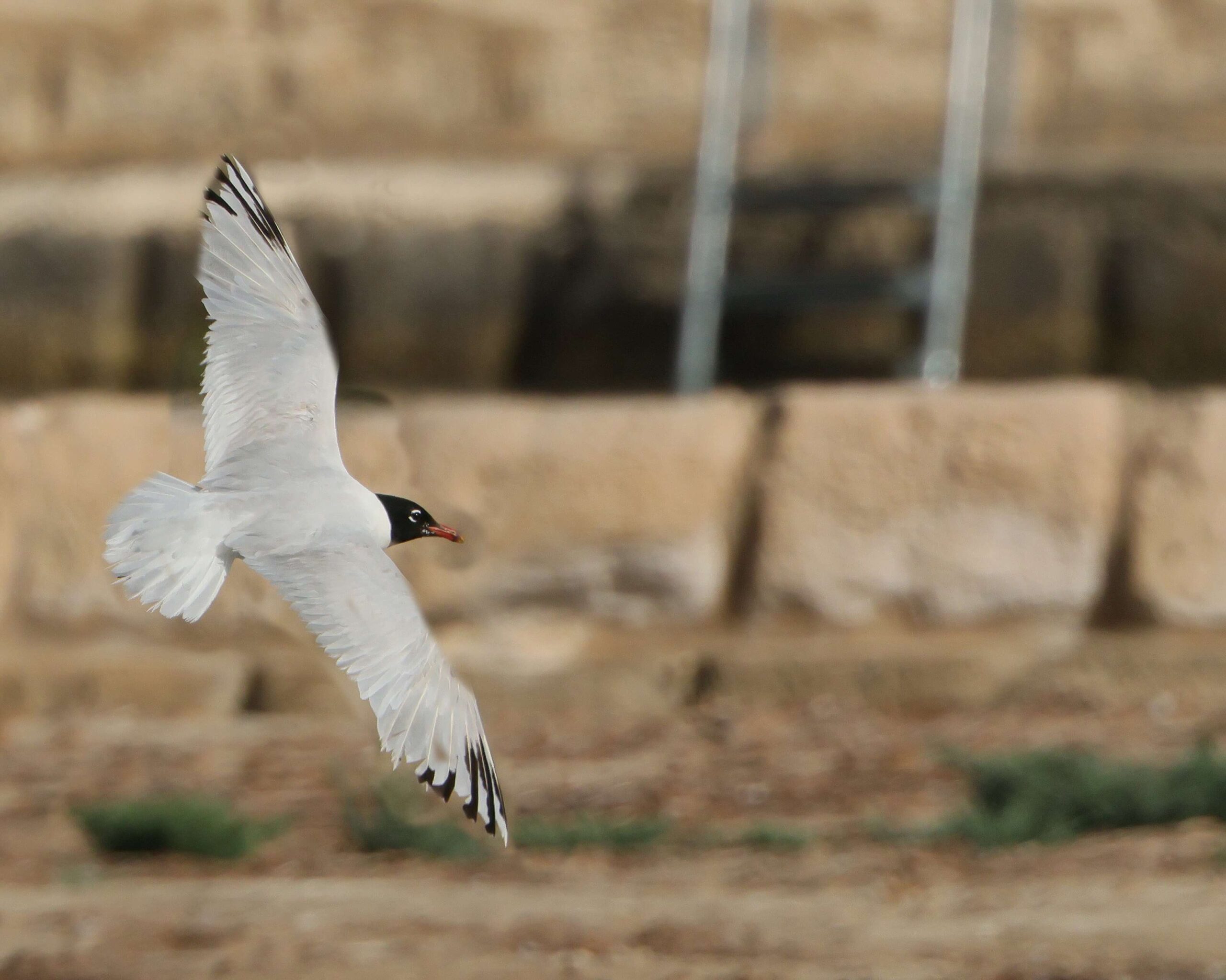
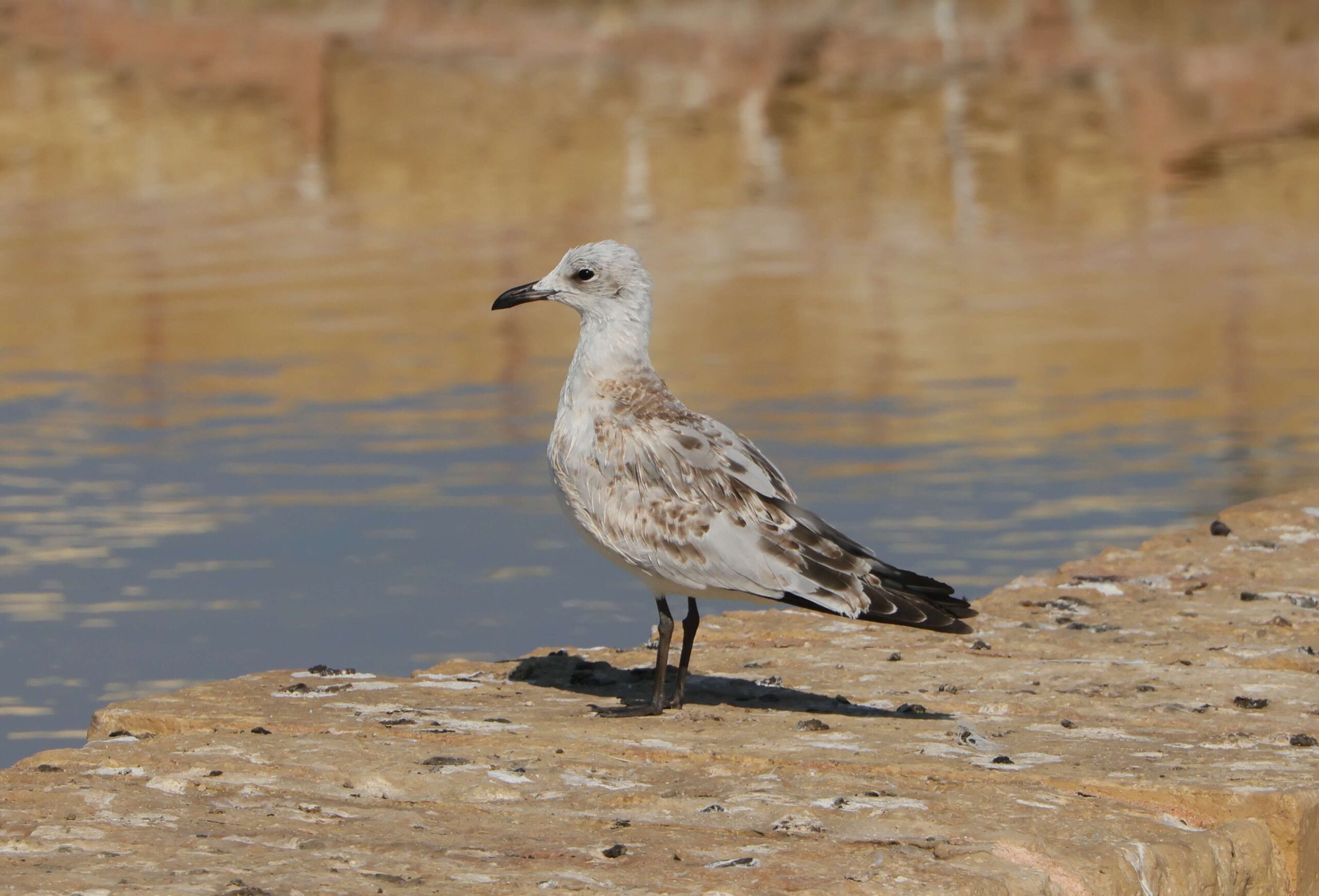
This species nests in colonies, often alongside other gull species, taking advantage of safety in numbers. The typical clutch consists of two to three eggs, with chicks raised cooperatively within the colony environment until fledging.
The Mediterranean Gull is an opportunistic omnivore, feeding on a wide variety of food sources including fish, worms, insects, scraps, and carrion. Its flexible diet allows it to adapt well to both natural and human-influenced environments.
While still considered stable overall, the species is affected locally by wetland loss, human disturbance at breeding sites, and pollution, particularly in sensitive coastal habitats. The Mediterranean Gull is classified as Least Concern on the IUCN Red List. In Malta, it is protected under national wildlife legislation, reflecting its importance within coastal ecosystems.
Threats
What can we do?
Threats
What can we do?
Threats
What can we do?
Experiences you may enjoy
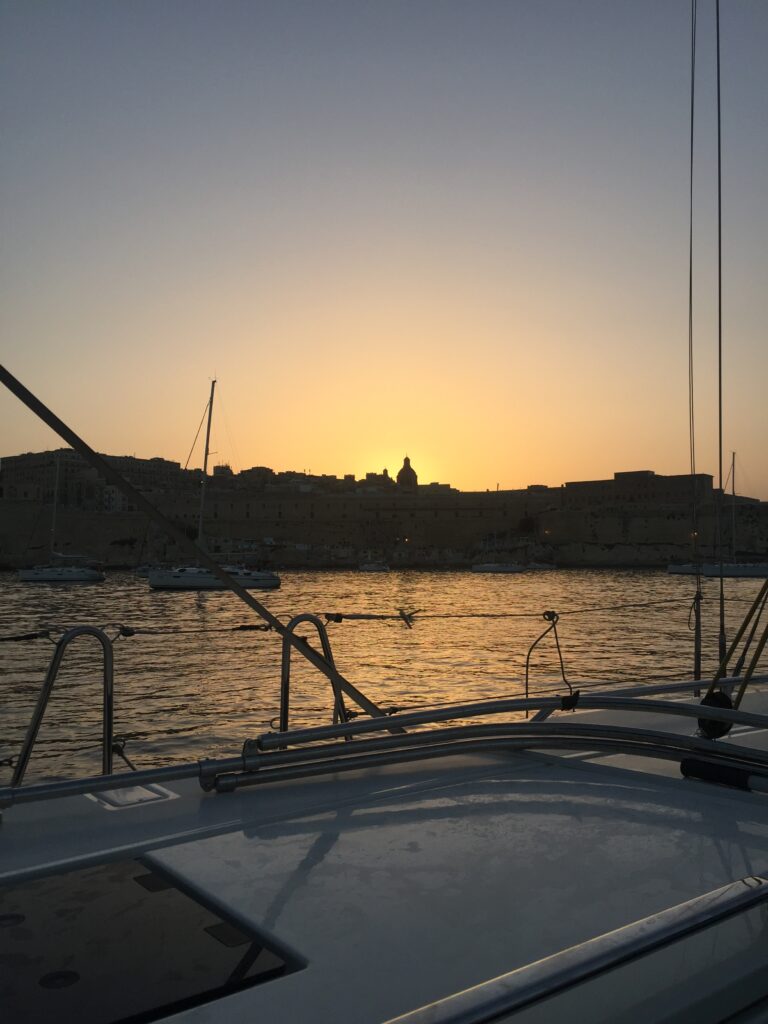
Private Sunset experience
Feel the soul of the sea, enjoy the extaordinary colors and landscapes of Maltese Islands during the loveliest hours of the day.
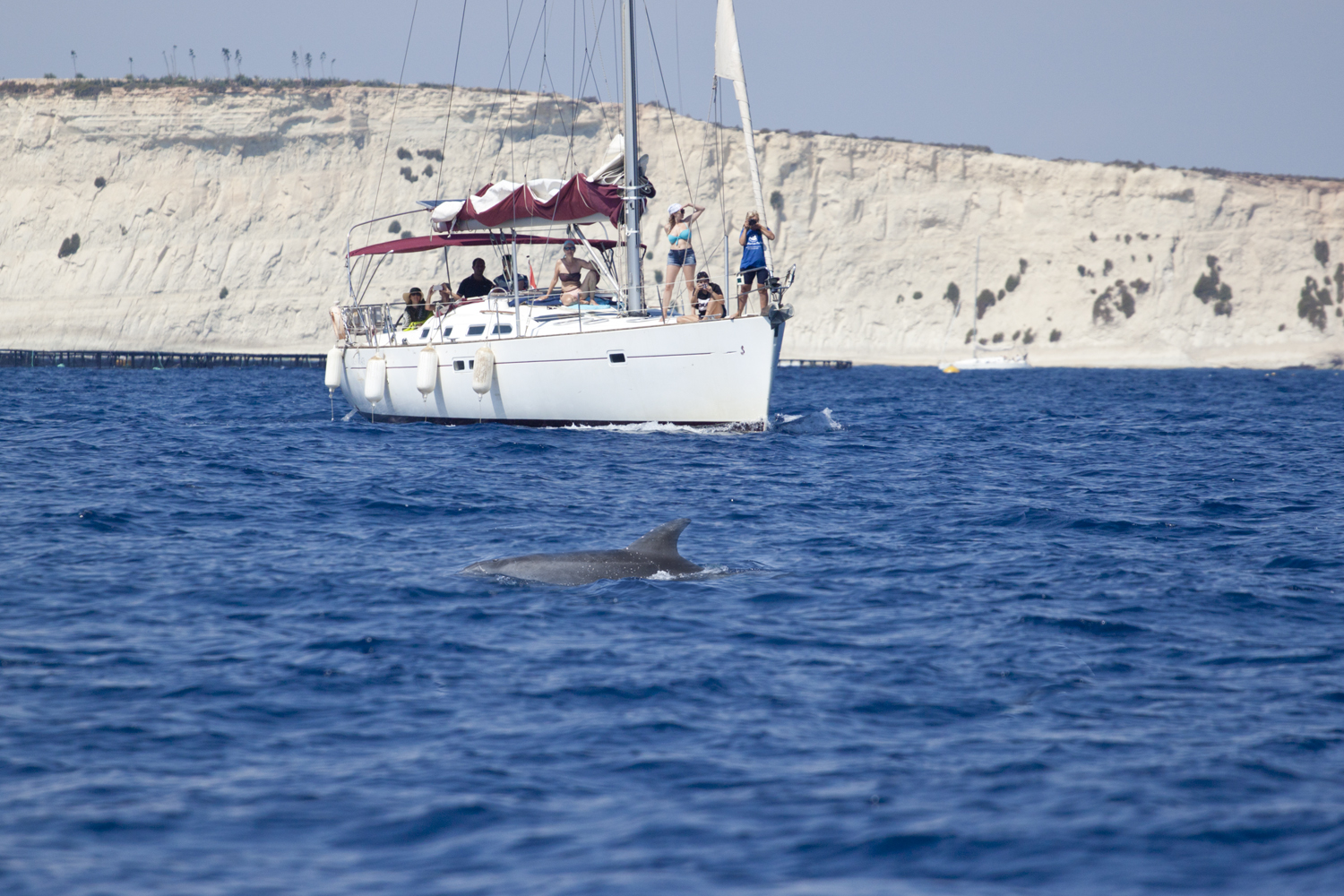
Private Marine life spotting
Enjoy a private marine life spotting experience with your loved ones. A day at sea to relax, reconnect, and discover Malta’s marine life.
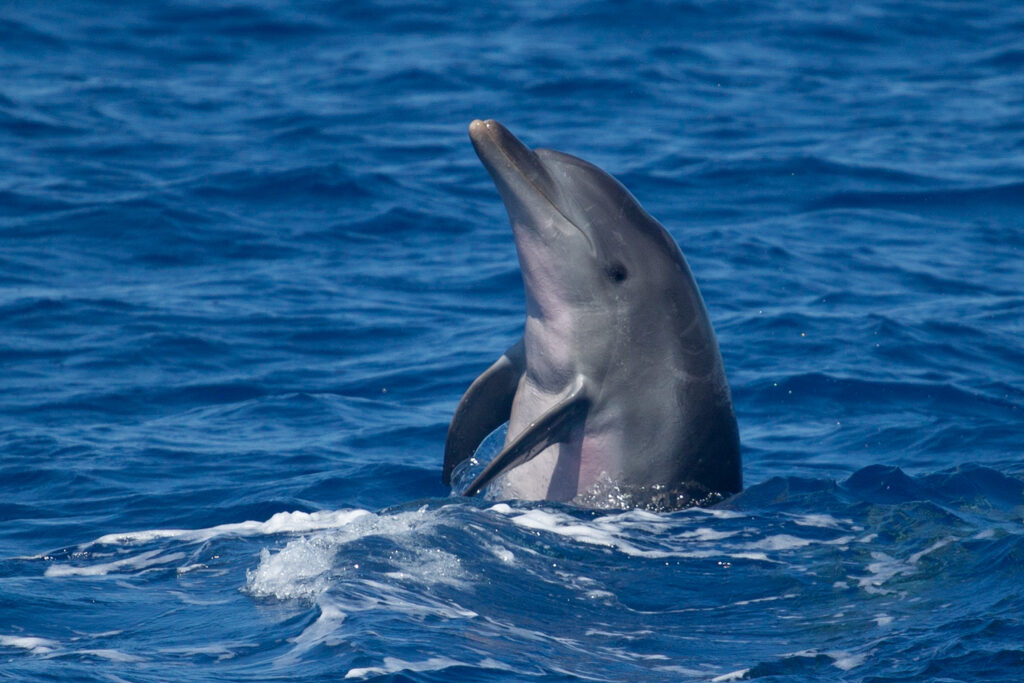
Shared Marine life spotting
Discover Malta’s marine environment on a shared boat tour with other guests. Enjoy a relaxing day at sea while spotting marine life along the way.