
Bottlenose dolphin
Scientific name: Tursiops Truncatus
Suborder: Odontoceti
Genus: Tursiops
Family: Delphinidae
Habitat: Coastal zone
Average weight: 320 kg
Max length: 4 m
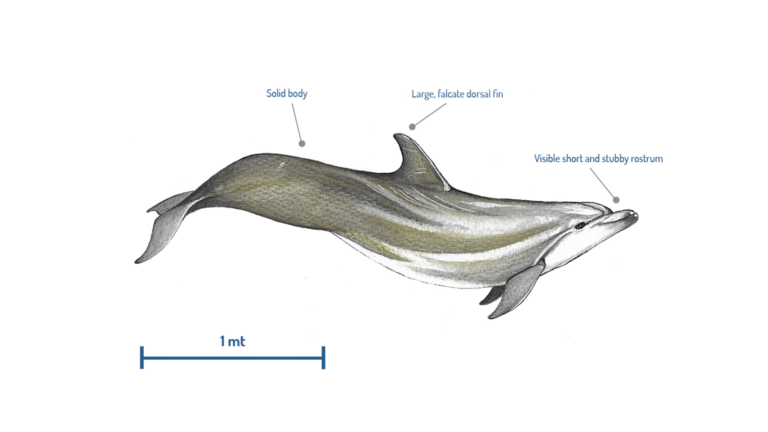
The common bottlenose dolphin is the best known of all cetaceans, featured in legends since ancient Greek and Roman times, and in several modern day films. The name comes from its distinctive bottle-shaped beak, which makes it easily recognisable, together with the smiling mouth-line, the sharp demarcation between the forehead (melon) and the beak (rostrum), the dark colouration of its body and the moderately falcate (hooked) dorsal fin.
Bottlenose dolphins can reach up to 4m in length and weigh up to 600kg, with considerable variations between populations, most likely due to the changes in water temperature. Nicks and notches on the trailing edge of the dorsal fin, combined with the size and shape, are use to recognised the individuals through the photo-identification process.
Bottlenose dolphins, as all odontoceti species, communicate through use of sounds. Although more studies are required to understand the full extent of their communication, each dolphin is known to emit a signature whistle, which can be used to distinguish between the members of the pod. They also produce clicks and burst-pulsed sounds. Clicks are used for eco-location as a means for navigation and hunting, whilst burst-pulsed sounds ae normally used for close range communication, or to show arousal or aggression, and for mother-calf interactions.
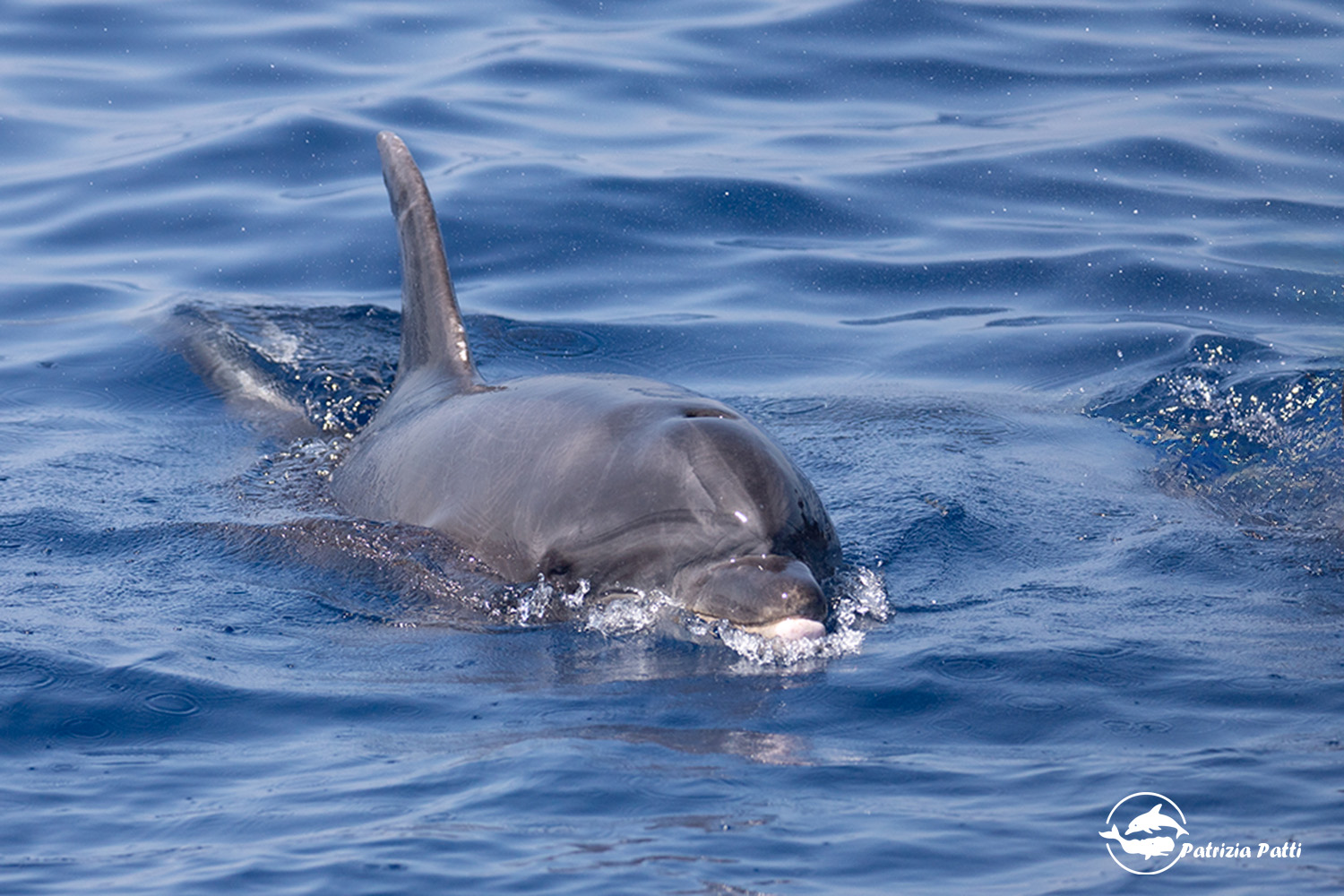
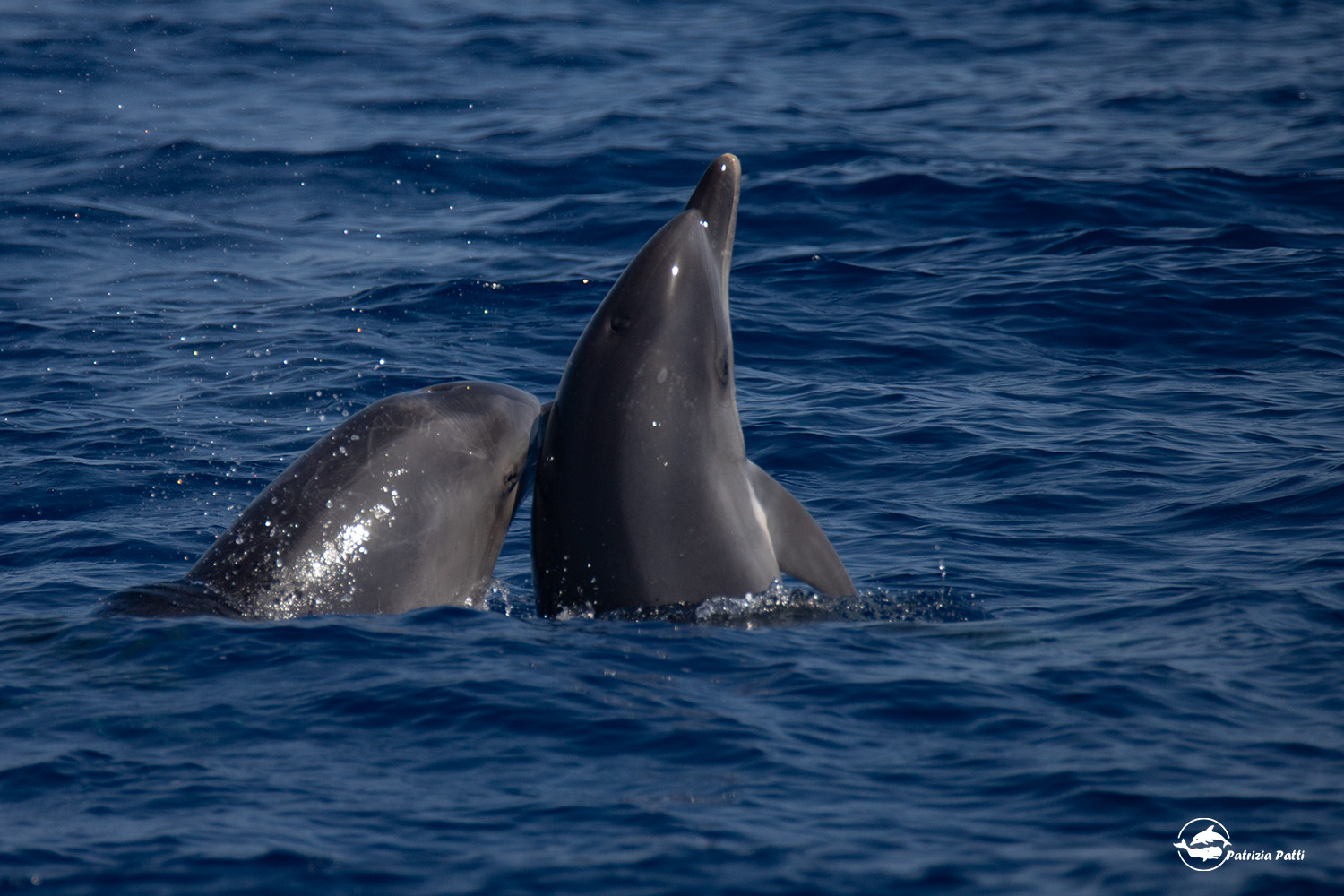
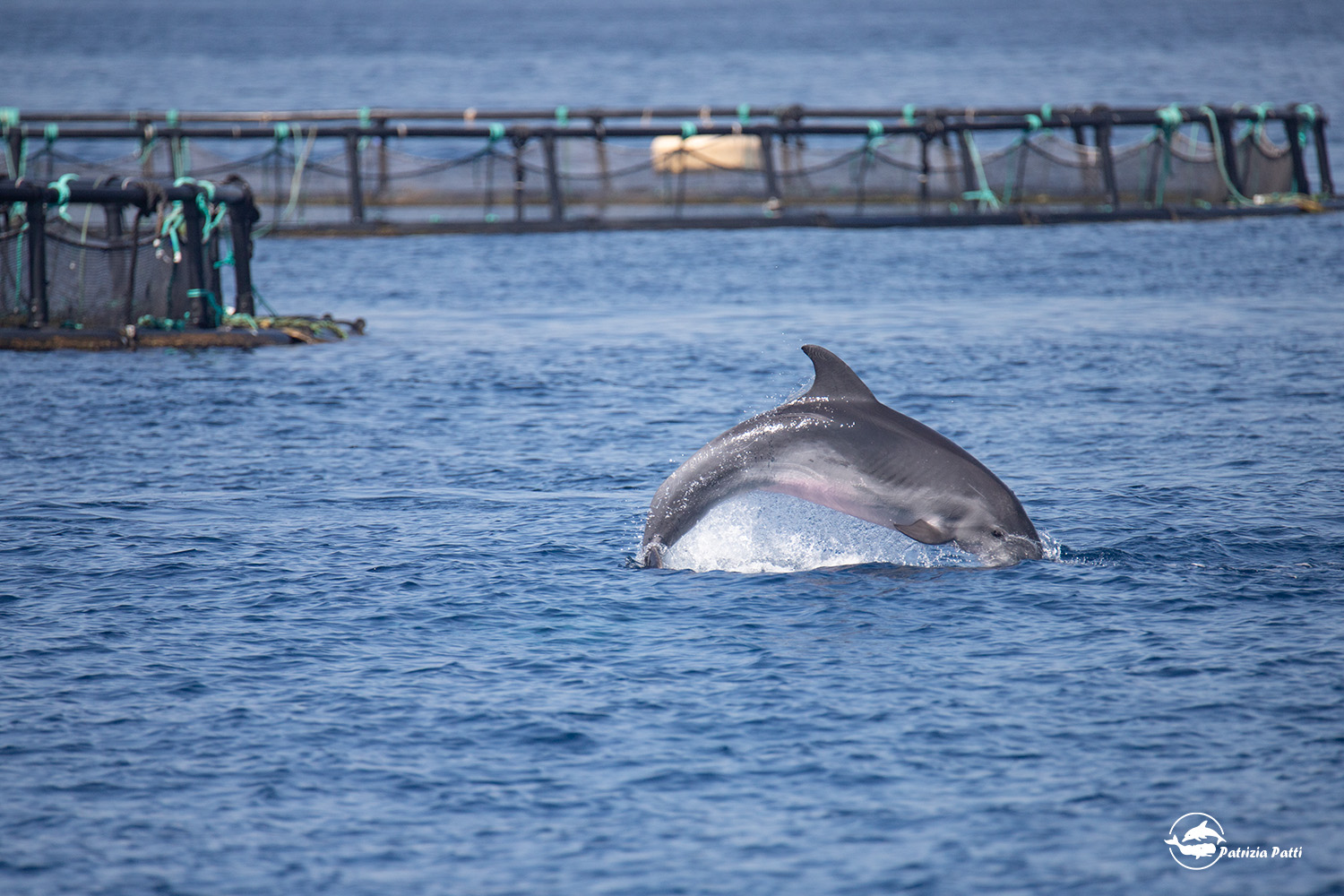
Bottlenose dolphins are often seen as being friendly mammals which encourages people to approach them. Although they are generally very playful, often catching waves along a boat or swimming around divers and swimmers, they should still be considered as wild animals and they should not be fed or domesticated.
This species is considered as ‘vulnerable’ in the Mediterranean Sea due to population decline caused by habitat degradation, pollution, fishing entanglement and boat traffic. They are vulnerable to other stressors and threats such as disease, biotoxins and habitat alteration, including increased freshwater exposure, vessel strikes, illegal feeding and harassment, energy exploration and oil spills, and other types of human disturbance, such as underwater noise and being held in captivity in dolphinariums for entertainment.
Threats
What can we do?
Threats
What can we do?
Threats
What can we do?
Experiences you may enjoy
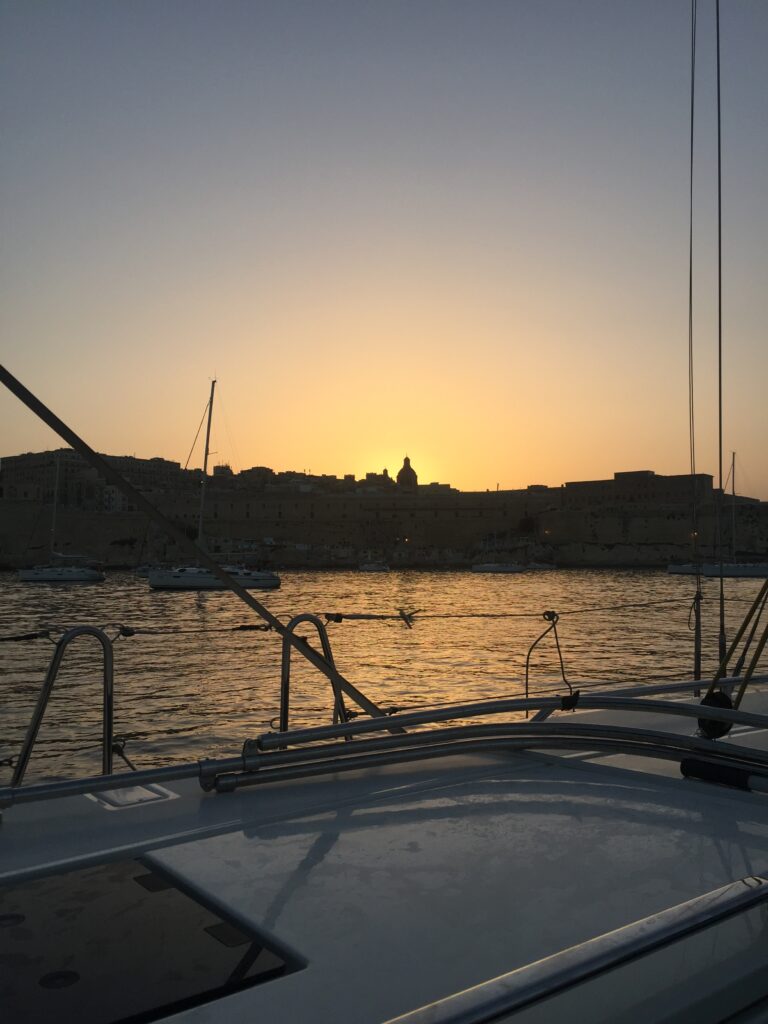
Private Sunset experience
Feel the soul of the sea, enjoy the extaordinary colors and landscapes of Maltese Islands during the loveliest hours of the day.
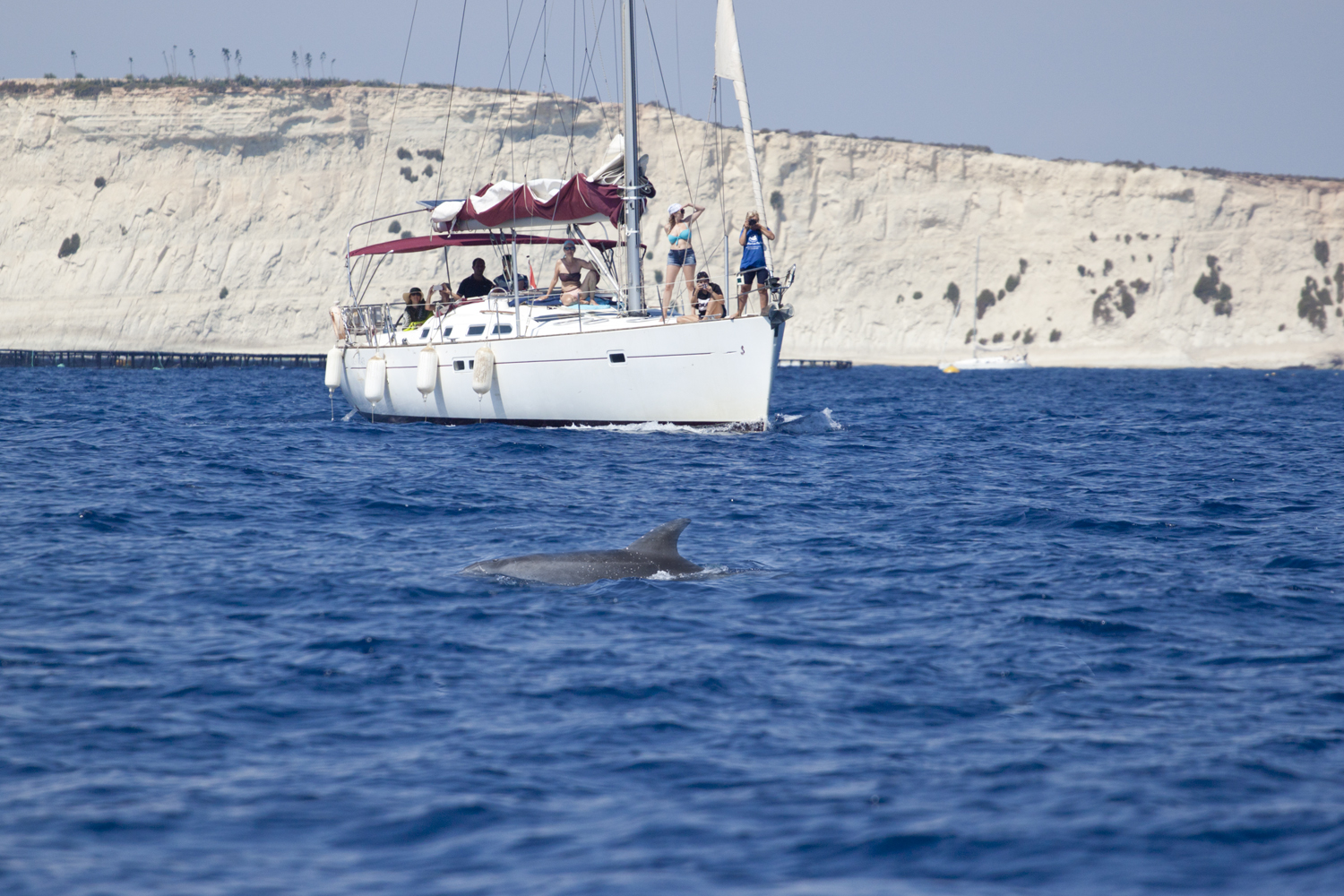
Private Marine life spotting
Enjoy a private marine life spotting experience with your loved ones. A day at sea to relax, reconnect, and discover Malta’s marine life.
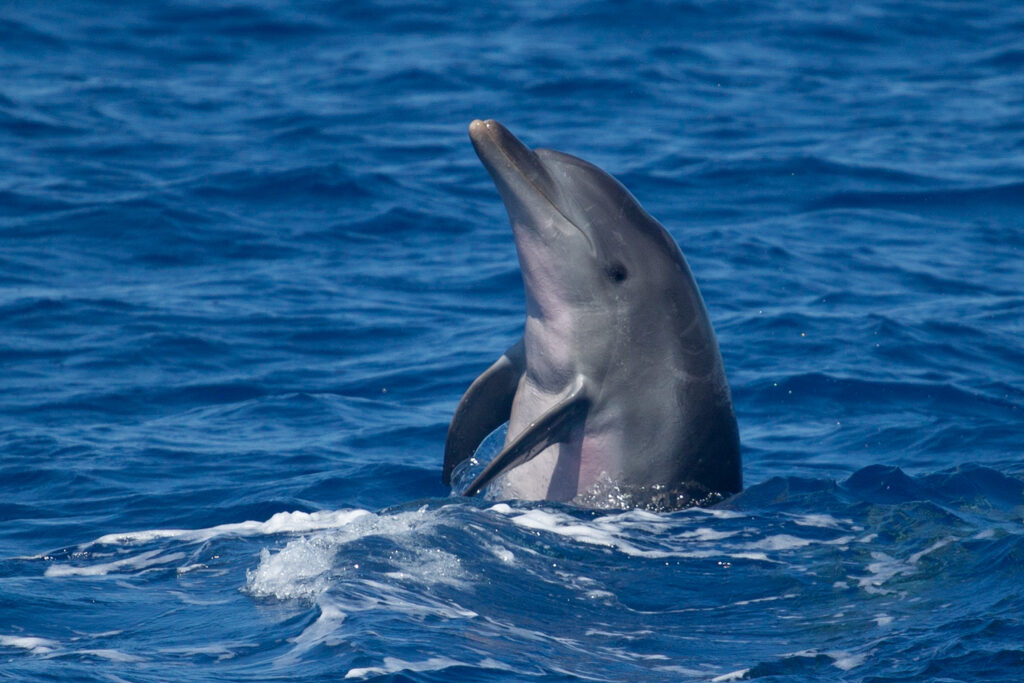
Shared Marine life spotting
Discover Malta’s marine environment on a shared boat tour with other guests. Enjoy a relaxing day at sea while spotting marine life along the way.