
Lesser Black-backed Gull
Scientific name: Larus fuscus
Order: Charadriiformes
Genus: Larus
Family: Laridae
Habitat: Found in dunes and in coastal areas.
Maximum wingspan: Typically 117–134 cm
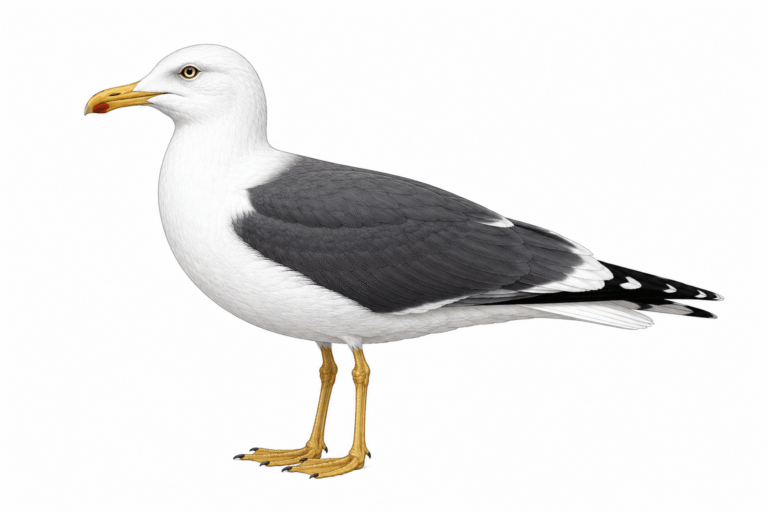
The Lesser Black-backed Gull is a large, elegant gull with dark slate-grey to black upperparts, a white head and underparts, bright yellow legs, and a yellow bill with a red spot near the tip. Young birds are dark brown with mottled plumage and can easily be confused with juvenile Yellow-legged Gulls. They gradually develop their adult feathers over their first few years.
The Lesser Black-backed Gull breeds across northern Europe, particularly in the United Kingdom, Scandinavia, Iceland and parts of northern mainland Europe. During winter, many birds migrate south to western Europe, the Mediterranean and Africa.
In Malta, it is mainly seen during autumn and winter, when migrating and wintering birds stop along the coast. It can be observed around rocky shores, harbours, beaches, saltpans and offshore waters.
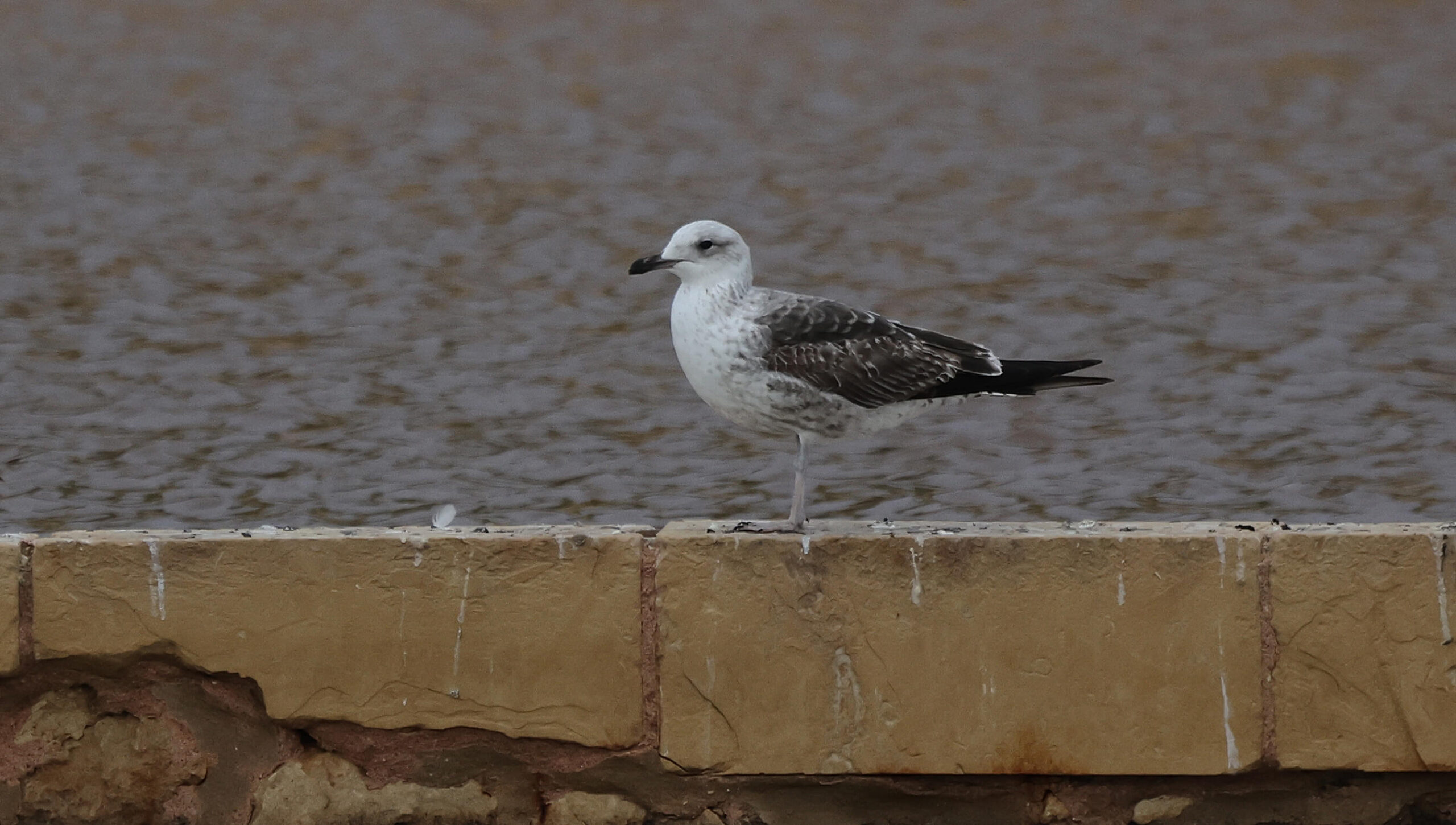
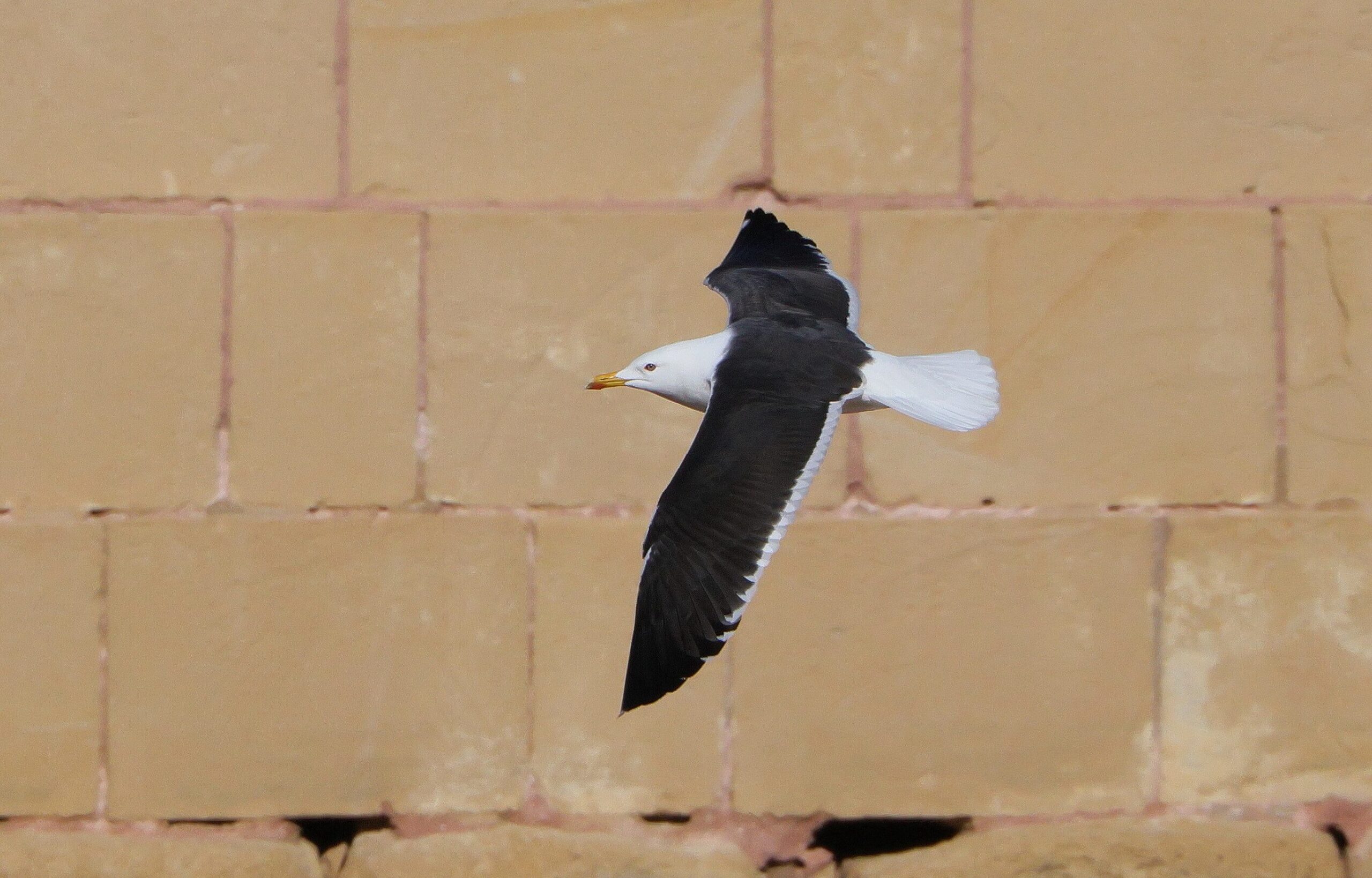
Lesser Black-backed Gulls breed in colonies on islands, coastal cliffs, sand dunes, marshes and moorlands. They build shallow nests on the ground using grasses and other vegetation. Females usually lay 2–3 eggs, and both parents take turns incubating the eggs and raising the chicks. This adaptable species feeds on a wide variety of food, including fish, crustaceans, insects, worms and other invertebrates. It also scavenges for carrion and discarded food around fishing ports and urban areas when the opportunity arises.
The main threats to the Lesser Black-backed Gull include marine pollution, entanglement in fishing gear, habitat loss and changes in fishing practices that reduce food availability. Disturbance at breeding colonies can also affect breeding success. The species is classified as Least Concern on the IUCN Red List. In Malta, it is protected under national wildlife legislation, reflecting its importance within coastal ecosystems.
Threats
What can we do?
Threats
What can we do?
Threats
What can we do?
Experiences you may enjoy
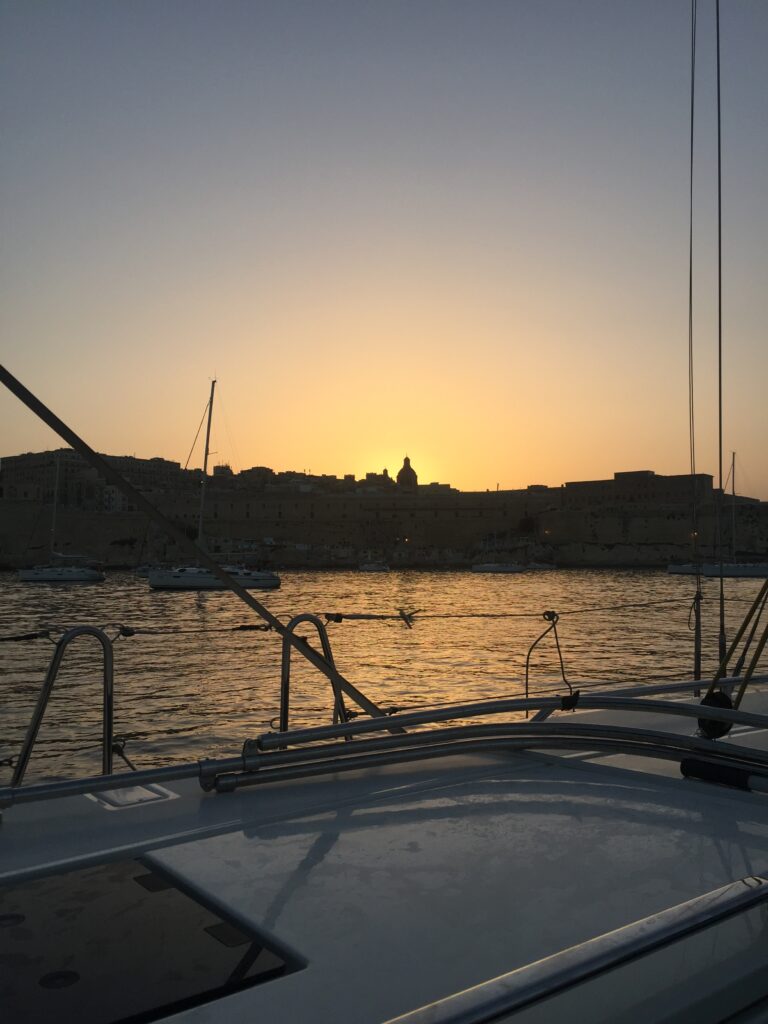
Private Sunset experience
Feel the soul of the sea, enjoy the extaordinary colors and landscapes of Maltese Islands during the loveliest hours of the day.
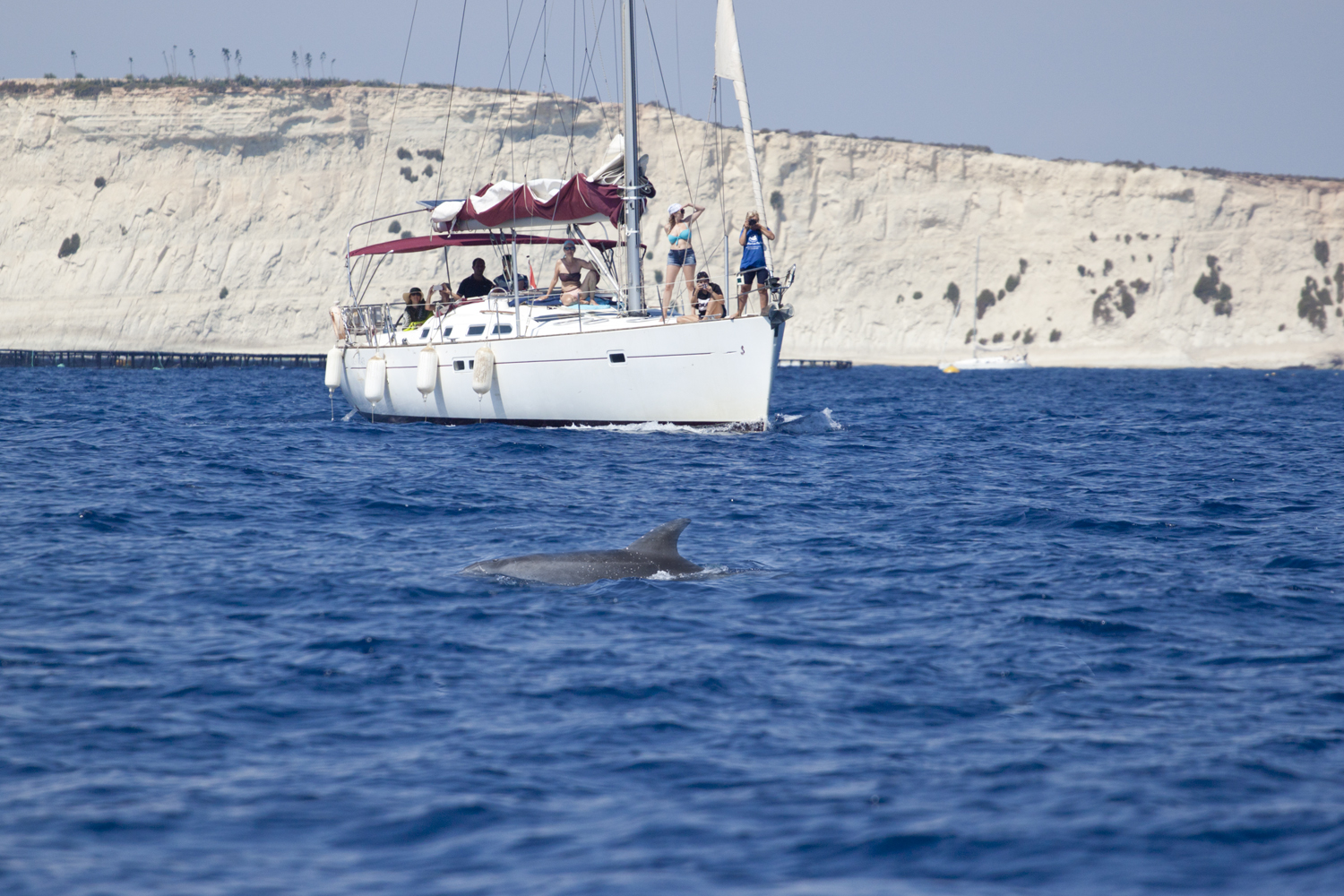
Private Marine life spotting
Enjoy a private marine life spotting experience with your loved ones. A day at sea to relax, reconnect, and discover Malta’s marine life.
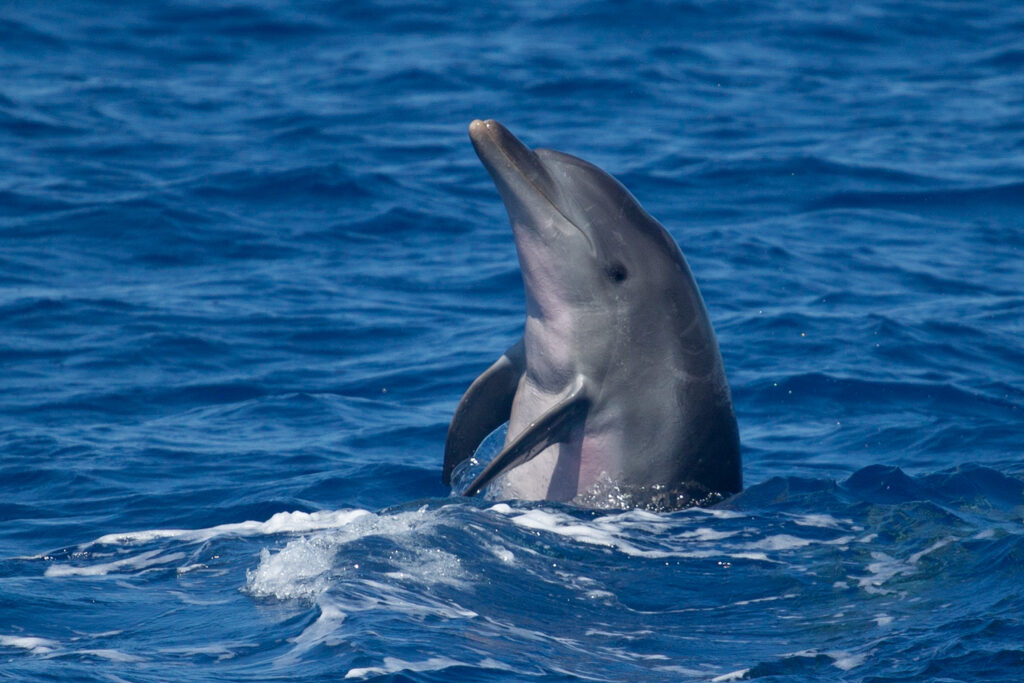
Shared Marine life spotting
Discover Malta’s marine environment on a shared boat tour with other guests. Enjoy a relaxing day at sea while spotting marine life along the way.