
Sperm whale
Scientific name: Physeter macrocephalus
Suborder: Odontoceti
Genus: Physeter
Family: Physeteridae
Habitat: Pelagic zone
Average weight: 45,000kg (male)
Max length: 18 m
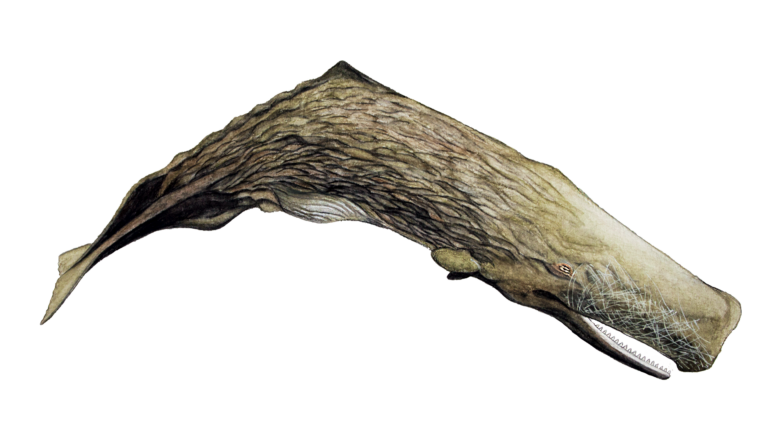
Sperm whales are easily recognizable by their massive heads which contains the spermaceti: the world’s most powerful natural sonar or echolocation system. Sperm whales are mostly dark grey. Have a single S-shaped blowhole asymmetrically situated on the front of the head and to the left. The lower jaw is much narrower than upper and can be opened nearly perpendicular to the body. Upper lips, lower jaw and interior of the mouth often are white. They have small and paddle-shaped flippers, and broad and triangular flukes. There is an extreme sexual dimorphism: the male can be 40 per cent longer and weight 3 times as much as an adult female.
Sperm whales inhabit all the world’s oceans. Food source and suitable conditions for breeding establish their distribution. For most of their adult lives, male and female are widely separated, having the largest geographical sexual segregation of any animals. Their preferred habitat within the Mediterranean sea are mainly deep continental slope waters, where mesopelagic cephalopods are most abundant.
Sperm whales can eat about 3 to 3.5 percent of their body weight per day. A standard diet consists mainly of deep water squid including the giant squid and jumbo squid. Squids rarely have predators in the deep waters, which allows the sperm whale to get an abundant food source. When foraging, they make repeated deep dives interspersed with rests to breathe on the surface. During the dives they use echolocation to find prey. Dives can last up to 2 hours and up to 3000m of depth In the Mediterranean, the sperm whales have a dive cycle of approximately 45 minutes dive duration, 9 minutes surface period.
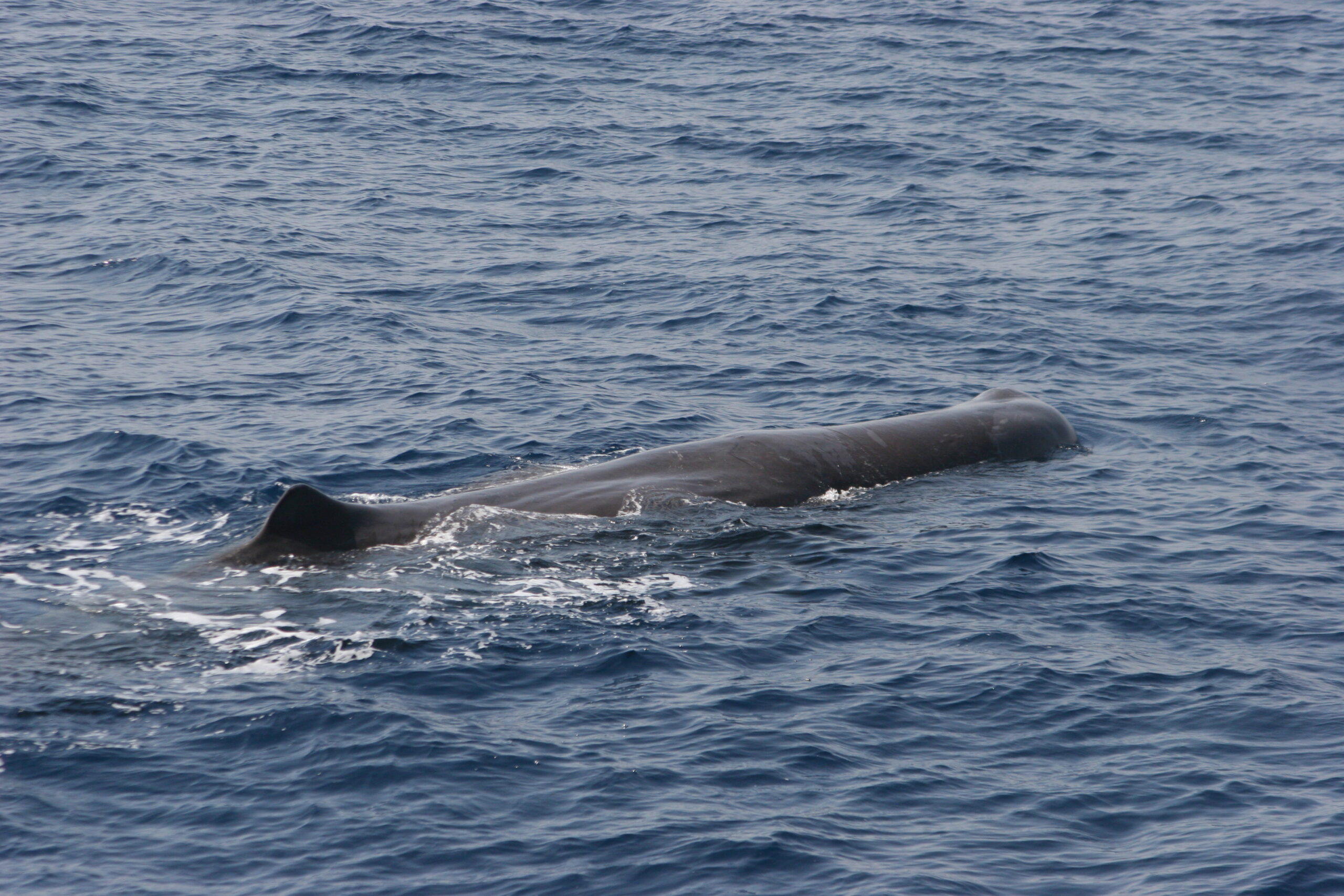
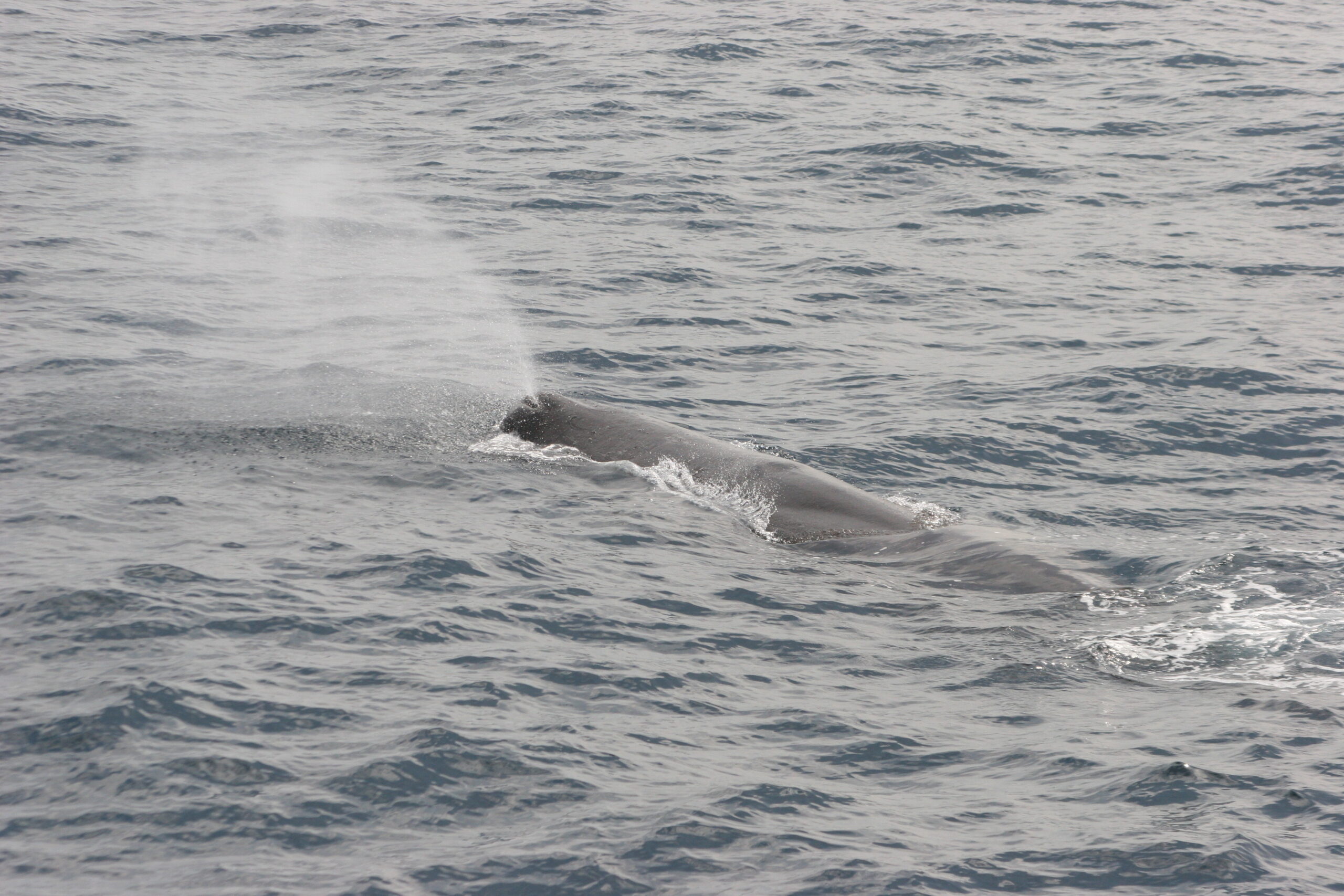
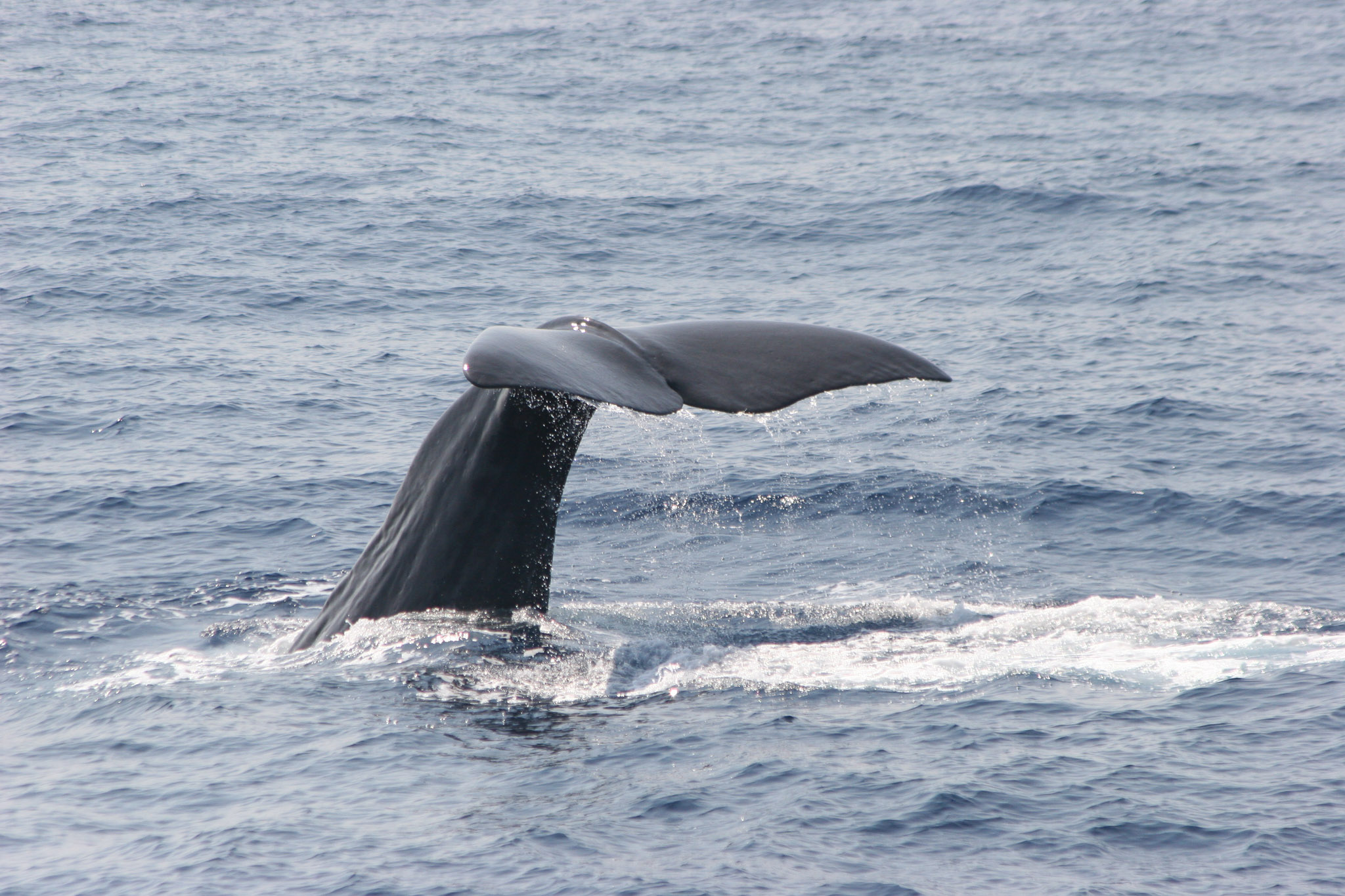
Sperm whales display two predominant types of behaviour: foraging and socialising. Adult males typically forage alone, whereas family units consisting of females, calves, and young males usually forage together, often spreading over distances of one kilometre or more. When resting or socialising at or near the surface, their behaviour can vary considerably. They may remain very quiet and still, or become more active, emitting vocalisations, rolling, and making physical contact with one another. Other surface behaviours include breaching and lobtailing (tail slapping).
A behaviour that appears to be unique to sperm whales is known as “drift diving.” During this behaviour, whales remain passive and upright in the water column, either with their heads pointing upward or downward, just below the surface. This posture is believed to represent a resting or sleeping state.
Sperm whales can live for up to 77 years, reaching sexual maturity between 9 and 21 years of age, depending on the sex. Mating can occur throughout most of the year, and the gestation period lasts approximately 14–16 months. Calves measure around four metres in length at birth, and weaning generally occurs after a minimum of two years. Females within a social group cooperatively care for the young, often alternating their dives so that some individuals remain at the surface to “babysit” the calves.
In the Mediterranean Sea, one of the most significant threats to sperm whales is entanglement in high-seas driftnets used for swordfish and tuna fisheries, which has caused considerable and potentially unsustainable mortality since the mid-1980s. Additional threats include vessel collisions, underwater noise pollution, ingestion of plastic debris, and the broader impacts of climate change.
Threats
What can we do?
Threats
What can we do?
Threats
What can we do?
Experiences you may enjoy
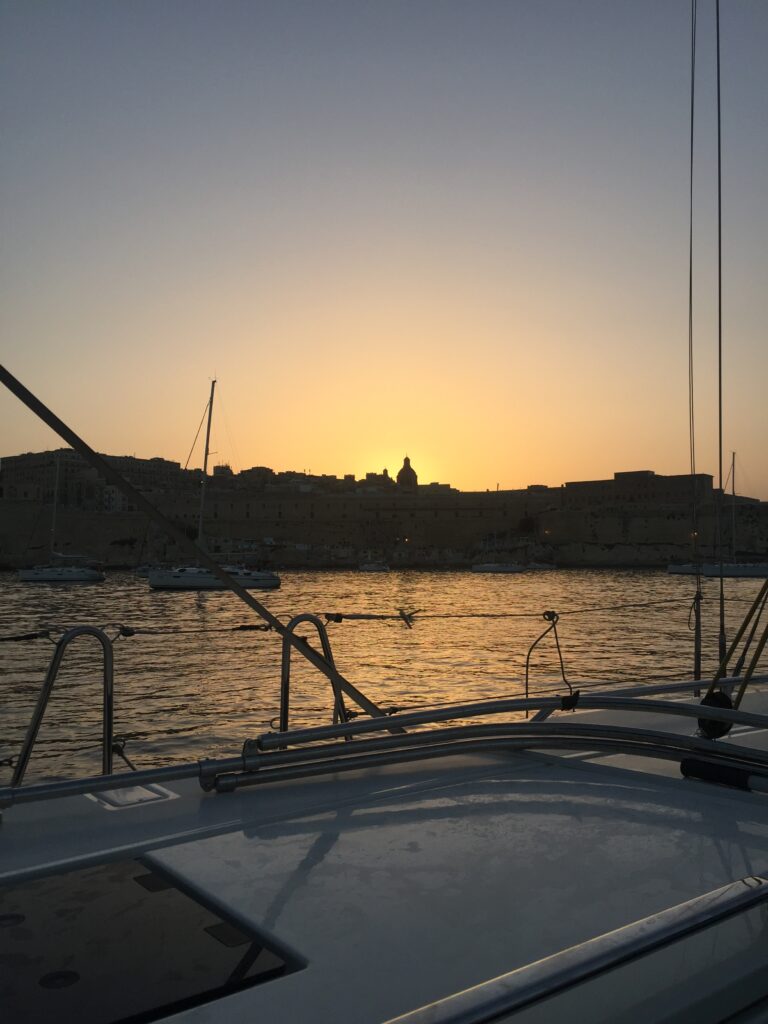
Private Sunset experience
Feel the soul of the sea, enjoy the extaordinary colors and landscapes of Maltese Islands during the loveliest hours of the day.
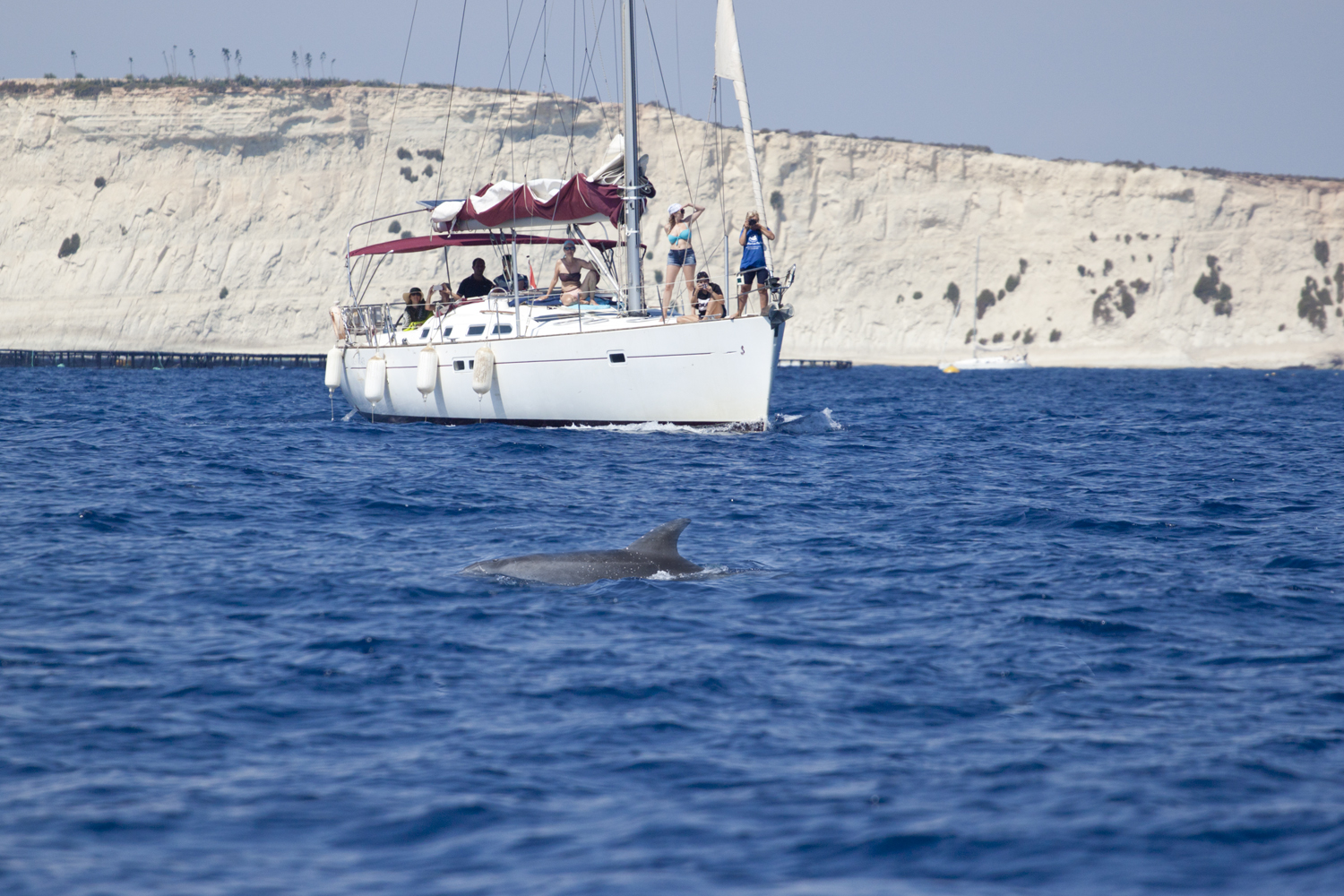
Private Marine life spotting
Enjoy a private marine life spotting experience with your loved ones. A day at sea to relax, reconnect, and discover Malta’s marine life.
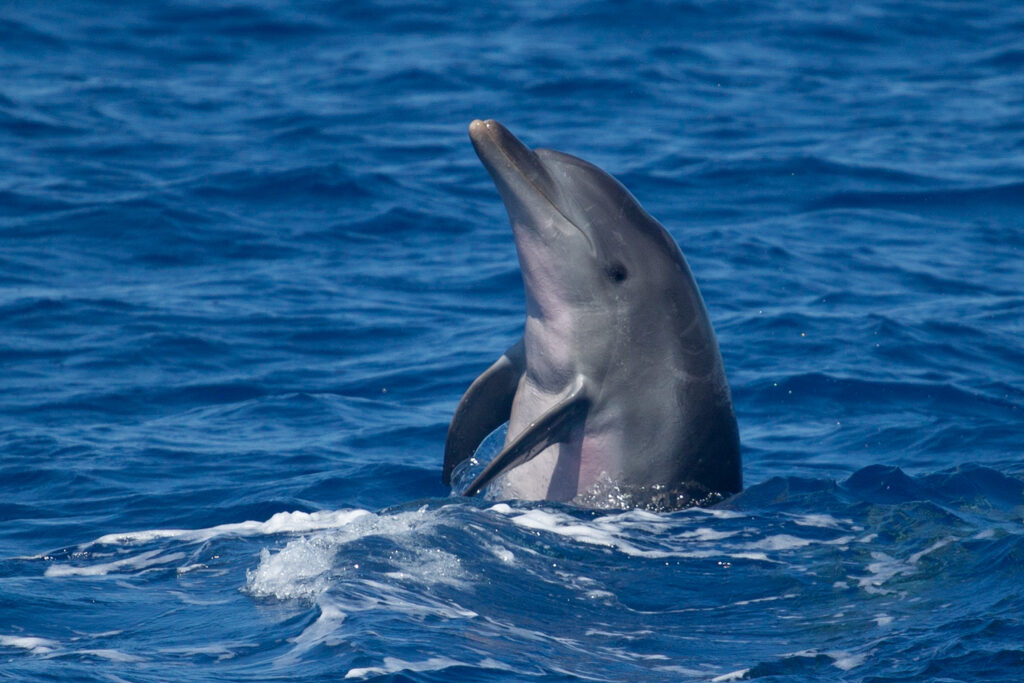
Shared Marine life spotting
Discover Malta’s marine environment on a shared boat tour with other guests. Enjoy a relaxing day at sea while spotting marine life along the way.