
Scopoli’s Shearwater
Scientific name: Calonectris diomedea
Order: Procellariiformes
Genus: Calonectris
Family: Procellariidae
Habitat: Pelagic seabird, coastal areas and cliff edges
Maximum wingspan: Typically 112 – 122 cm
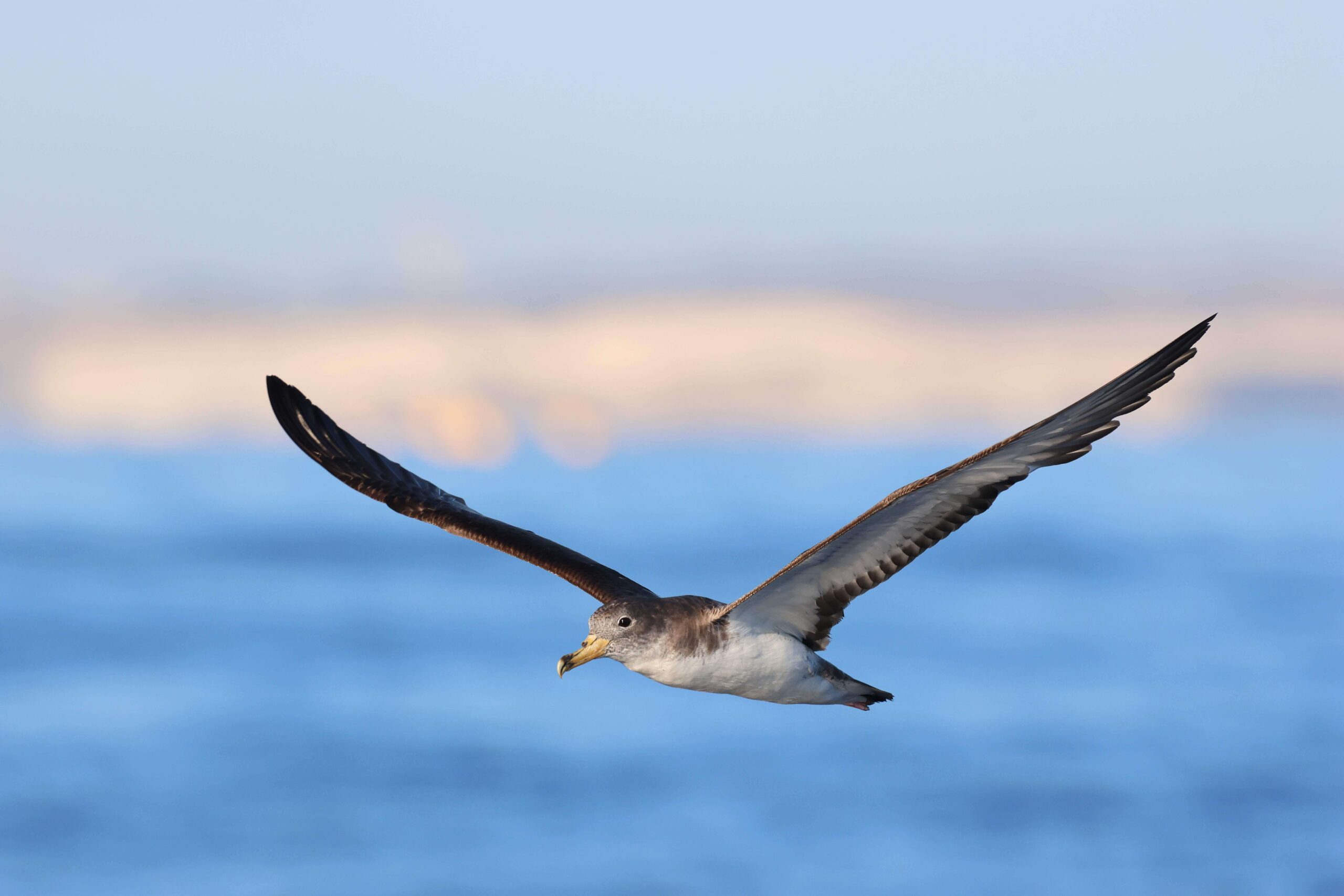
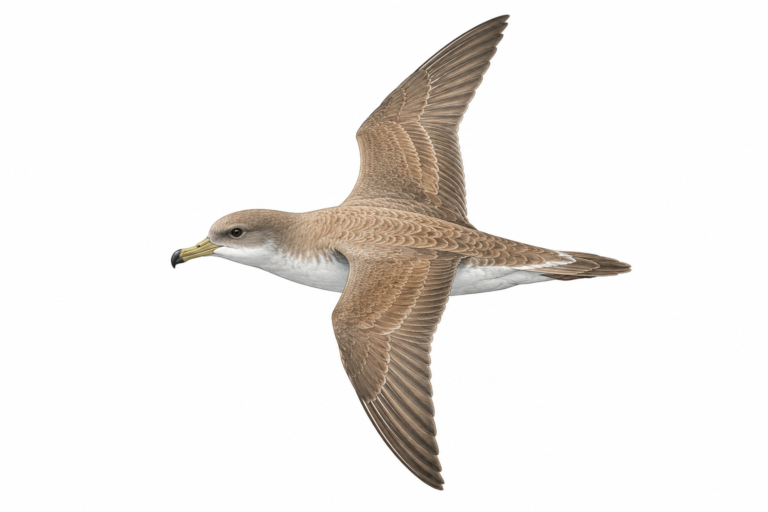
This is a fairly large seabird with brownish-grey upperparts and white underparts. It has a strong pale-yellow bill with a black spot near the tip, tube-shaped nostrils, and webbed feet. Males and females look similar, although males are usually slightly larger with heavier bills and heads.
It flies with slow wingbeats and long glides close to the sea surface. The species is mostly found offshore, where it gathers in large groups, known as rafts, before returning to its breeding colonies at night. It is the larger of Malta’s two shearwater species and is often seen flying very low over the waves, a behaviour known as “shearing”.
Scopoli’s Shearwater breeds on islands across the Mediterranean, including Algeria, Croatia, France, Greece, Italy, Malta, Spain and Tunisia. It is a summer breeding visitor to Malta, where the population is estimated at around 3,000 breeding pairs. Outside the breeding season, the species migrates to the eastern Atlantic Ocean.
This species is monogamous and breeds in colonies. The breeding season runs from May to October, with birds arriving at breeding sites from February onwards.
It nests in caves, burrows, and rock crevices on cliffs, islands, and islets. Each pair lays a single large white egg in late May to early June. Incubation lasts about 50 days, with hatching occurring in mid-July. Chicks fledge in October. Both parents share incubation and chick-rearing duties. The species is single-brooded, meaning it raises only one chick per season, and eggs cannot be replaced if lost.
It feeds at sea during the day and returns to its breeding colonies at night. Its diet consists mainly of small fish and squid. Feeding typically takes place at the sea surface, although individuals may dive to depths of up to 10 metres to catch prey.
This species is also known to scavenge around fishing vessels and may be seen in association with other seabirds, as well as marine megafauna such as Bluefin Tuna and Loggerhead Sea Turtles.
This species is listed as being of Least Concern, but with a decreasing population trend within the IUCN list of Conservation and is legally protected in Malta. If you find a bird that has become stranded or injured, please contact BirdLife Malta.
Threats
What can we do?
Threats
What can we do?
Threats
What can we do?
Experiences you may enjoy
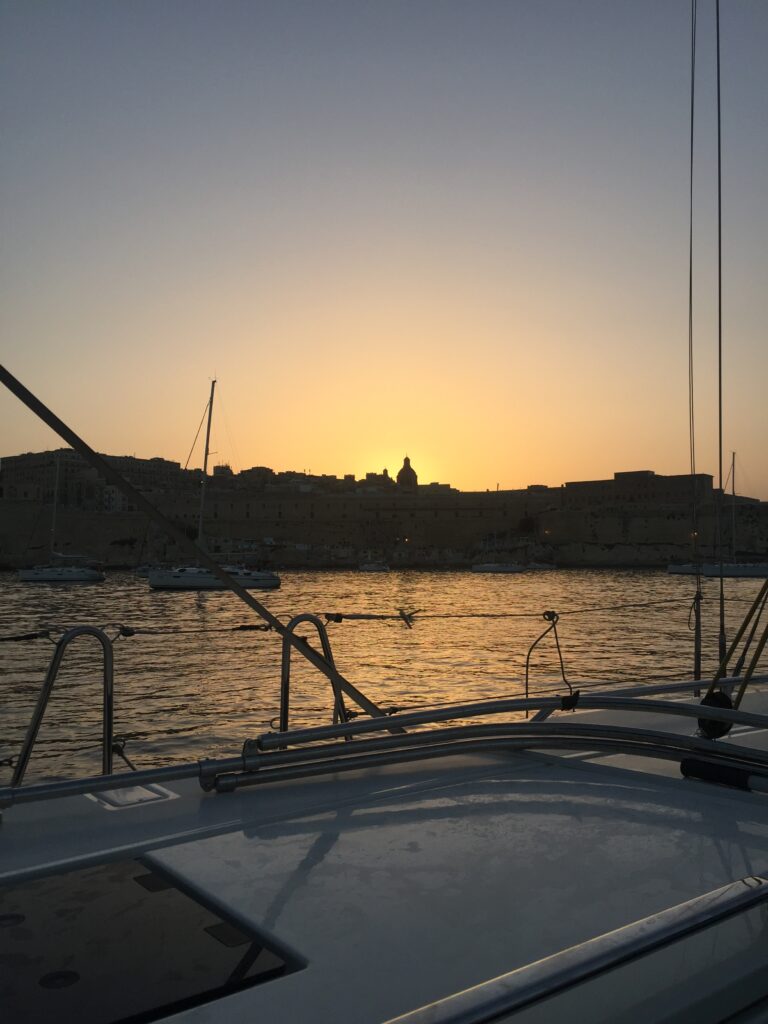
Private Sunset experience
Feel the soul of the sea, enjoy the extaordinary colors and landscapes of Maltese Islands during the loveliest hours of the day.
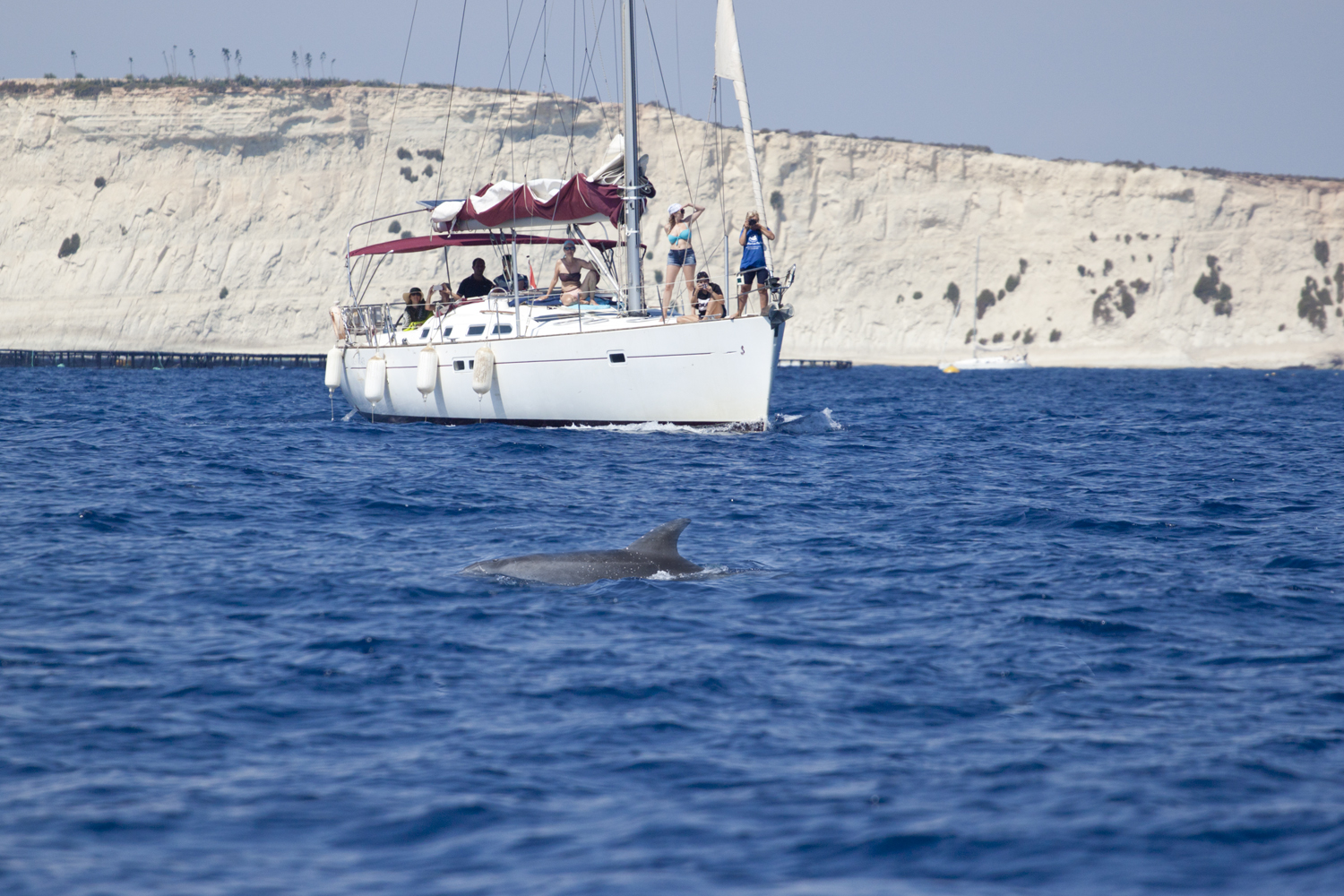
Private Marine life spotting
Enjoy a private marine life spotting experience with your loved ones. A day at sea to relax, reconnect, and discover Malta’s marine life.
Shared Marine life spotting
Discover Malta’s marine environment on a shared boat tour with other guests. Enjoy a relaxing day at sea while spotting marine life along the way.