
Big-scale sand smelt
Scientific name: Atherina boyeri
Suborder: Atheriniformes
Genus: Atherina
Family: Atherinidae
Habitat: Coastal lagoons, estuaries, brackish waters, and shallow coastal zones; usually in waters less than 10 m deep.
Maximum length in the Mediterranean: Typically 10 – 12 cm
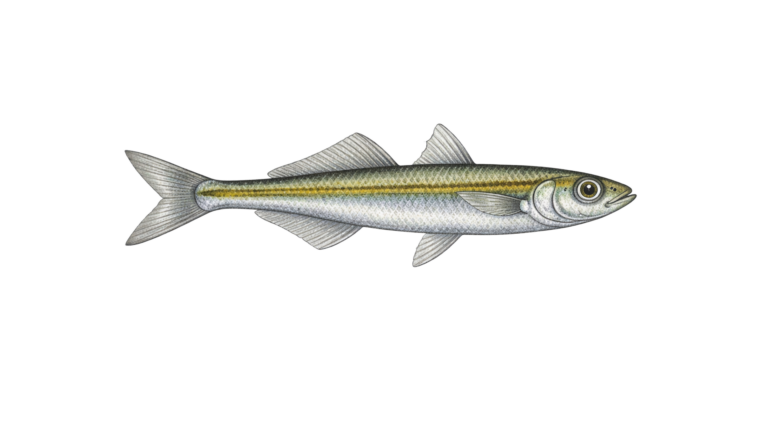
This species of fish has an elongated, slender body, which is compressed laterally. The big-scale sand smelt has a bright silver colouring on the sides, and a greyish or greenish colour on its back. Its colouring is not very apparent, as it’s almost translucent, with a bluish-yellow longitudinal band running along its entire body. It has a large eye that occupies most of its head.
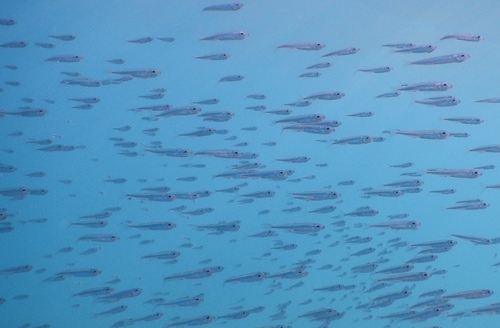
It lives in schools near the surface and is always close to the coast in calm waters. It has a very high tolerance to temperature and salinity which allows it to survive in highly variable habitats from the sea to estuaries and lagoons. It forms dense schools, especially when young, as a defence strategy against predators. It is preyed upon by larger fish, coastal birds and crabs.
An Interesting fact about the big-scale sand smelt is that in optima temperatures, individuals of this species can multiply their size by 10 times.
The big-scale sand smelt is commonly used as bait by fishers targeting larger species. As a result, it can be subject to localised overfishing, which may impact population sizes in certain areas.
In Mediterranean coastal regions, the main pressures affecting this species are largely linked to human activity. Habitat degradation caused by coastal development, pollution, and seafloor disturbance can reduce the quality of the shallow waters where juveniles and shoals typically thrive. The species may also be affected by broader environmental changes, including rising sea temperatures and shifts in prey availability associated with climate change.
Additionally, high levels of boat traffic and recreational activity in coastal zones can disturb or displace shoals, potentially altering their natural behaviour and feeding patterns. While the species is not currently considered endangered, these combined pressures can make local populations sensitive to human impacts.
Threats
What can we do?
Threats
What can we do?
Threats
What can we do?
Experiences you may enjoy
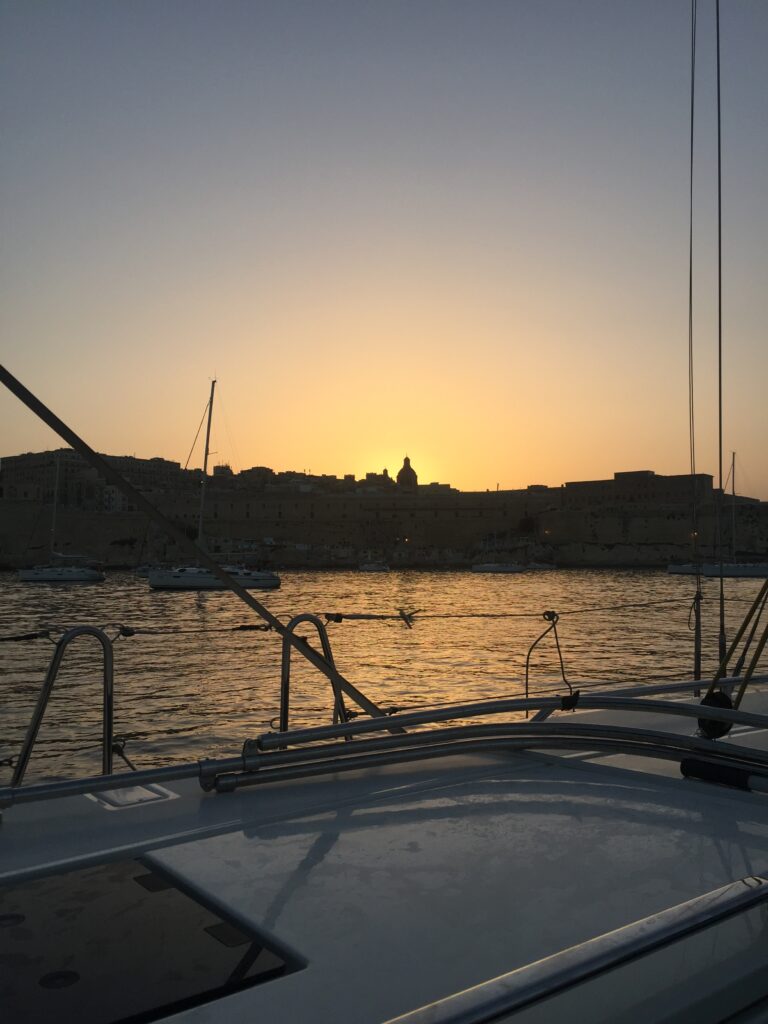
Private Sunset experience
Feel the soul of the sea, enjoy the extaordinary colors and landscapes of Maltese Islands during the loveliest hours of the day.
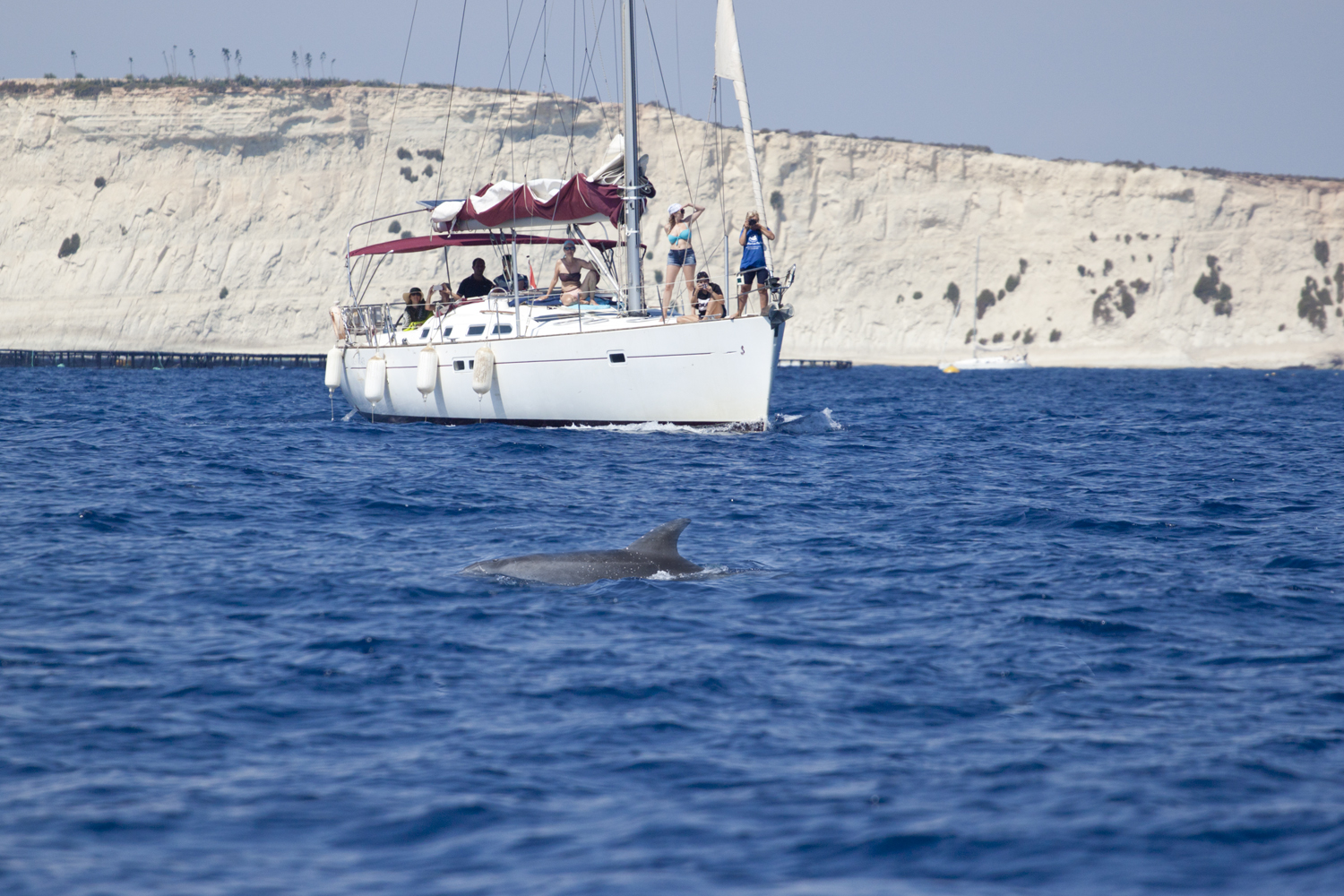
Private Marine life spotting
Enjoy a private marine life spotting experience with your loved ones. A day at sea to relax, reconnect, and discover Malta’s marine life.
Shared Marine life spotting
Discover Malta’s marine environment on a shared boat tour with other guests. Enjoy a relaxing day at sea while spotting marine life along the way.