
Bluefin tuna
Scientific name: Thunnus thynnus
Suborder: Scombroidei
Genus: Thunnus
Family: Scombridae
Habitat: Pelagic, open ocean
Average weight: 225-250 kg
Max length: 4.5 m
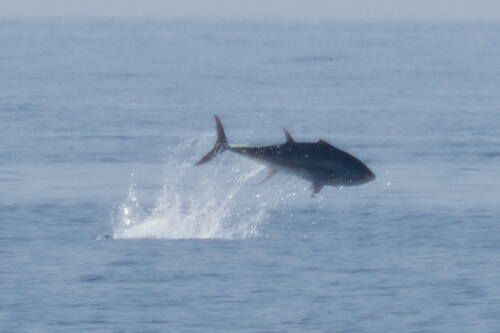
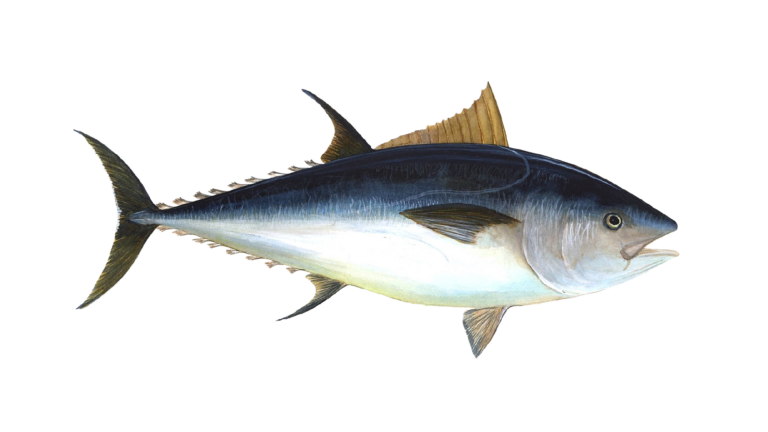
Bluefin tuna are large pelagic fish with an exceptional ability to tolerate a wide range of temperatures, inhabiting waters as cold as 10°C as well as tropical seas. Juveniles are typically found in shallower waters, whereas adults prefer deeper and cooler environments. Key environmental factors influencing their distribution include dissolved oxygen, salinity, and sea surface temperature.
Tuna must remain in constant motion to meet their high oxygen demands. Their ability to swim continuously at high speeds allows them to efficiently absorb oxygen through their gills. This species possesses a unique physiological adaptation that enables rapid transfer of dissolved oxygen from the gills to body tissues. Additionally, their heart is proportionally much larger than that of most fish—approximately ten times larger relative to body weight—and operates with a blood pressure and pumping rate about three times higher.
Bluefin tuna have two types of muscle: white and red. White muscle is used for short bursts of speed, such as during hunting, while red muscle supports sustained, long-distance swimming at high speeds.
These fish can live up to 15 years and reach sexual maturity between 4 and 8 years of age. In the Mediterranean, spawning occurs between May and August. During this period, a single female can release up to 45 million eggs. Spawning takes place in open surface waters, where conditions are optimal for larval survival. The larvae inhabit warm surface waters and feed primarily on zooplankton, including small crustaceans, fish larvae, molluscs, and jellyfish. As they grow, juvenile and adult tuna shift to a diet of fish, squid, and crustaceans. During hunting, tuna often swim through schools of prey to break them apart and disorient them.
Bluefin tuna are considered suitable candidates for aquaculture due to their high market demand, rapid growth rate, favourable edible meat-to-body ratio, and tolerance to a wide range of temperatures. In Malta, bluefin tuna are typically captured from the wild and transferred to offshore cages, located approximately 6 km off the southeast coast. These fish are then fattened over a period of time using large quantities of feed. Since the early 2000s, significant efforts—supported by EU-funded projects—have been made to improve tuna breeding and spawning techniques in captivity.
Despite its economic importance, bluefin tuna farming raises several environmental and sustainability concerns. One major issue is that most farms rely on capturing wild juveniles rather than breeding fish entirely in captivity, which places continued pressure on already vulnerable wild populations.
Another concern is the high demand for feed. Tuna require large quantities of smaller fish, such as sardines and mackerel, leading to additional pressure on marine ecosystems and contributing to overfishing of these species.
Fish farming operations can also impact the surrounding marine environment. Waste products, including uneaten feed and fish excrement, can accumulate beneath cages, leading to nutrient enrichment (eutrophication), reduced oxygen levels, and degradation of seabed habitats.
There are also concerns related to disease transmission and parasites, which can spread more easily in densely stocked cages and potentially affect wild fish populations. Additionally, the use of chemicals or treatments to manage these issues may have unintended environmental consequences.
Finally, tuna farming raises ethical and welfare concerns, as these are highly migratory species adapted to vast ocean spaces, yet are confined within relatively small cages for extended periods.
Threats
What can we do?
Threats
What can we do?
Threats
What can we do?
Experiences you may enjoy

Private Sunset experience
Feel the soul of the sea, enjoy the extaordinary colors and landscapes of Maltese Islands during the loveliest hours of the day.
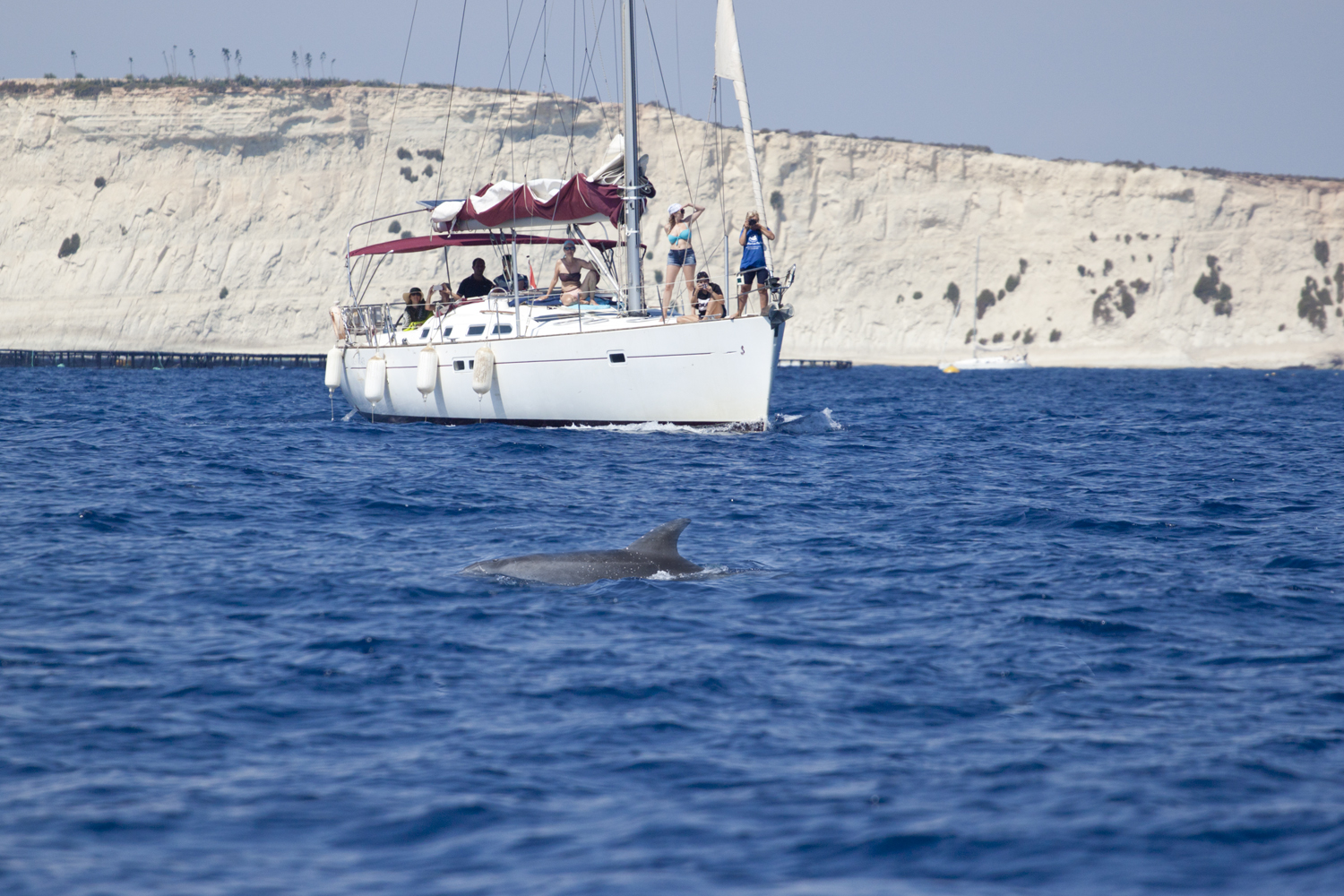
Private Marine life spotting
Enjoy a private marine life spotting experience with your loved ones. A day at sea to relax, reconnect, and discover Malta’s marine life.
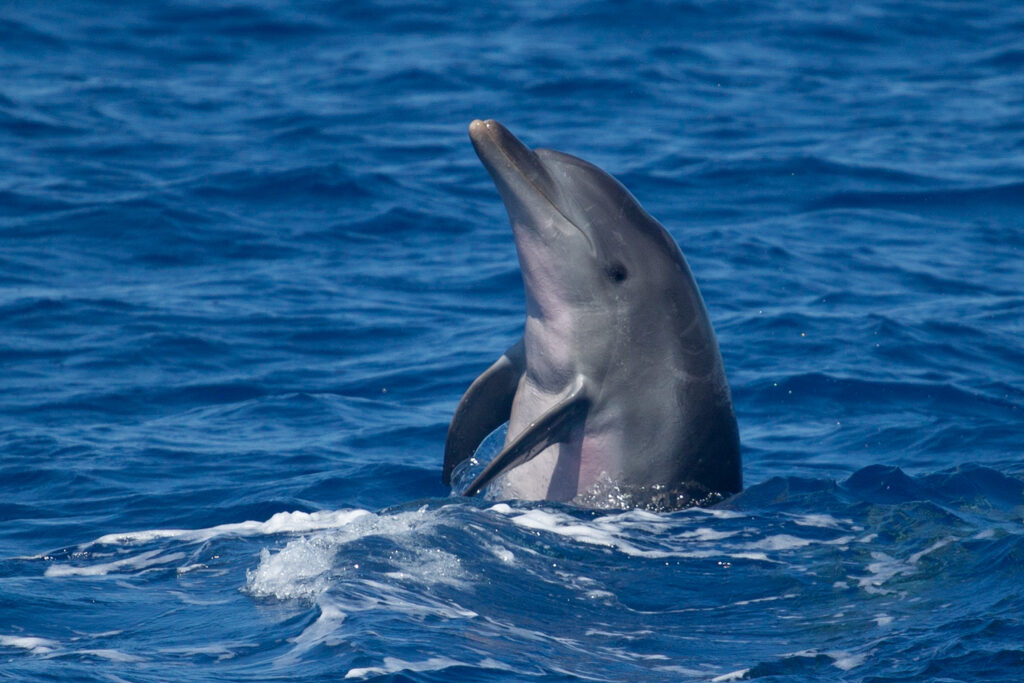
Shared Marine life spotting
Discover Malta’s marine environment on a shared boat tour with other guests. Enjoy a relaxing day at sea while spotting marine life along the way.