
Common eagle ray
Scientific name: Myliobatis aquila
Suborder: Euselachii
Genus: Myliobatis
Family: Myliobatidae
Habitat: Shallow, warm temperate to tropical coastal waters, preferring muddy, sandy-rocky seabeds. Also found in deep waters up to a depth of 800m
Average weight: 14 – 30 kg
Max length: 2.6 m
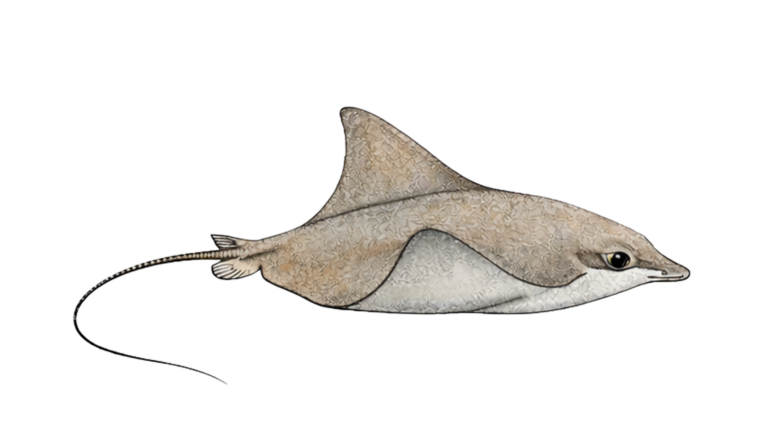
The common eagle ray, which is classified as a fish, has a dark brown to black dorsal surface and a white underside. Its body is flanked by two large, triangular pectoral fins—one on each side—and it possesses a single dorsal fin. The species is characterised by a rounded snout and a long, slender tail that lacks a tail fin but bears a large spine at its base. In males, the spine accounts for approximately 70% of the tail length, while in females it represents about 65%. A mid-dorsal groove, extending between 10% and 40% of the tail length, contains glandular tissue used for venom delivery.
The common eagle ray is most commonly found in shallow coastal waters at depths of up to 50 metres, although it has occasionally been recorded at depths of up to 800 metres. Its diet consists primarily of benthic invertebrates concealed within the seabed, such as bivalve molluscs and crustaceans including crabs, shrimps, and lobsters. Larger individuals have also been known to prey on small fish. This species has a distinctive jaw structure: instead of pointed teeth, it possesses a flat dental plate made up of hexagonal units arranged in a mosaic pattern, which is particularly effective for crushing hard-shelled prey.
The eagle ray is ovoviviparous, meaning that eggs develop and hatch within the female’s body, resulting in the birth of live pups. Early development relies on the yolk contained within the egg case, after which the embryos are nourished by nutrient-rich uterine fluids. Following a gestation period of approximately six to eight months, the pups are born fully formed.
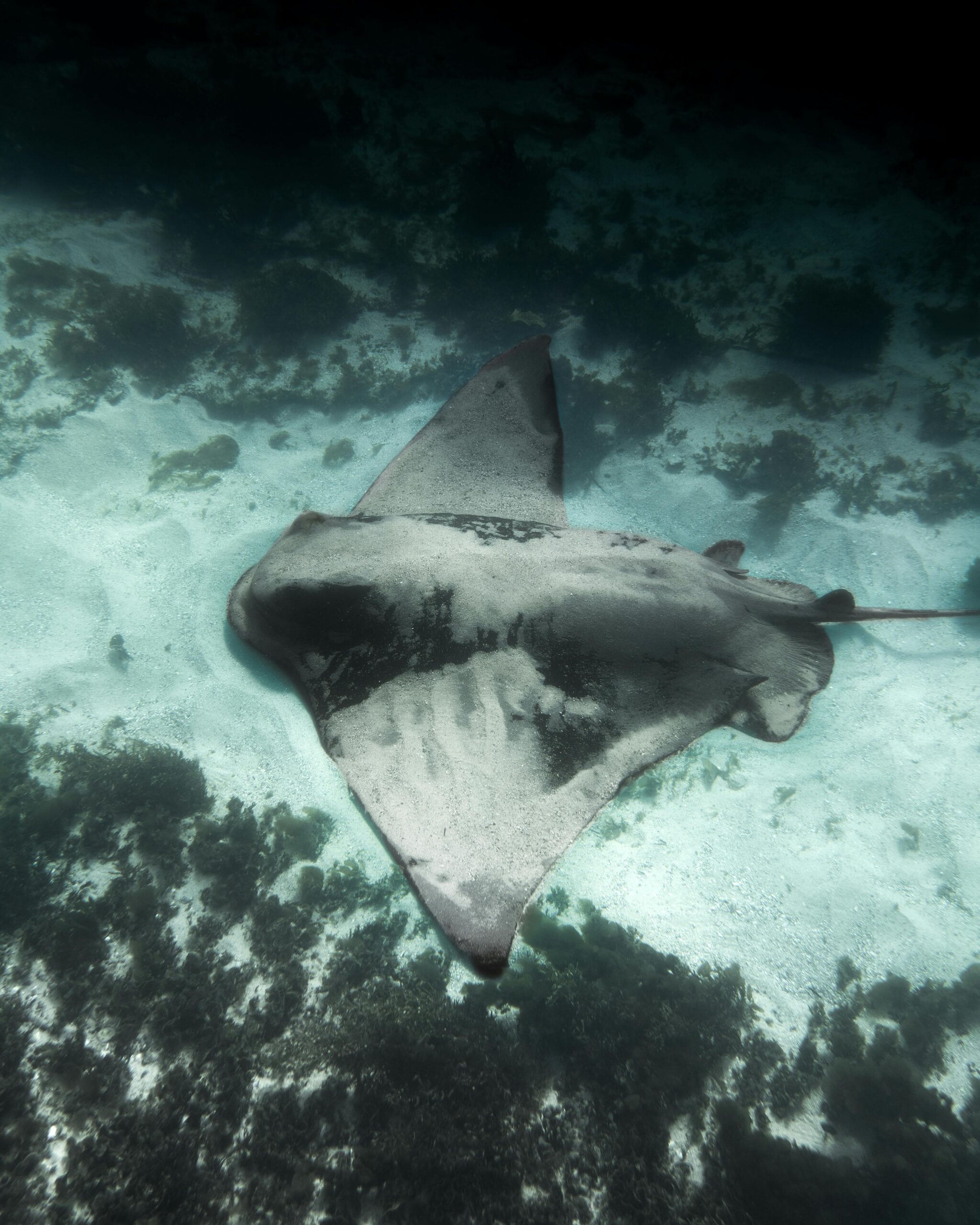
Although the common eagle ray is capable of delivering venom via its stinger, it is not considered aggressive and does not pose a significant threat to humans. The venom is generally mild and does not have long-lasting effects. In recent years, the species has gained increased attention through underwater photography and its promotion within dive tourism.
Despite this, the common eagle ray is currently listed as Critically Endangered on the IUCN Red List. In the Mediterranean Sea, it faces significant threats from intensive fishing practices, particularly as bycatch in pelagic trawl fisheries, and declining population numbers mean that sightings are far less common than they were historically. However, increased awareness, improved fisheries management, and the growing role of conservation-focused tourism offer hope for the recovery of this species. Through continued research, protective measures, and public engagement, there is potential to safeguard the common eagle ray and ensure that future generations can continue to encounter this remarkable animal in the wild.
The common eagle ray may often be observed while snorkelling or diving in Maltese coastal waters. It is important to maintain a respectful distance to avoid disturbing or threatening marine life.
Threats
What can we do?
Threats
What can we do?
Experiences you may enjoy

Private Sunset experience
Feel the soul of the sea, enjoy the extaordinary colors and landscapes of Maltese Islands during the loveliest hours of the day.
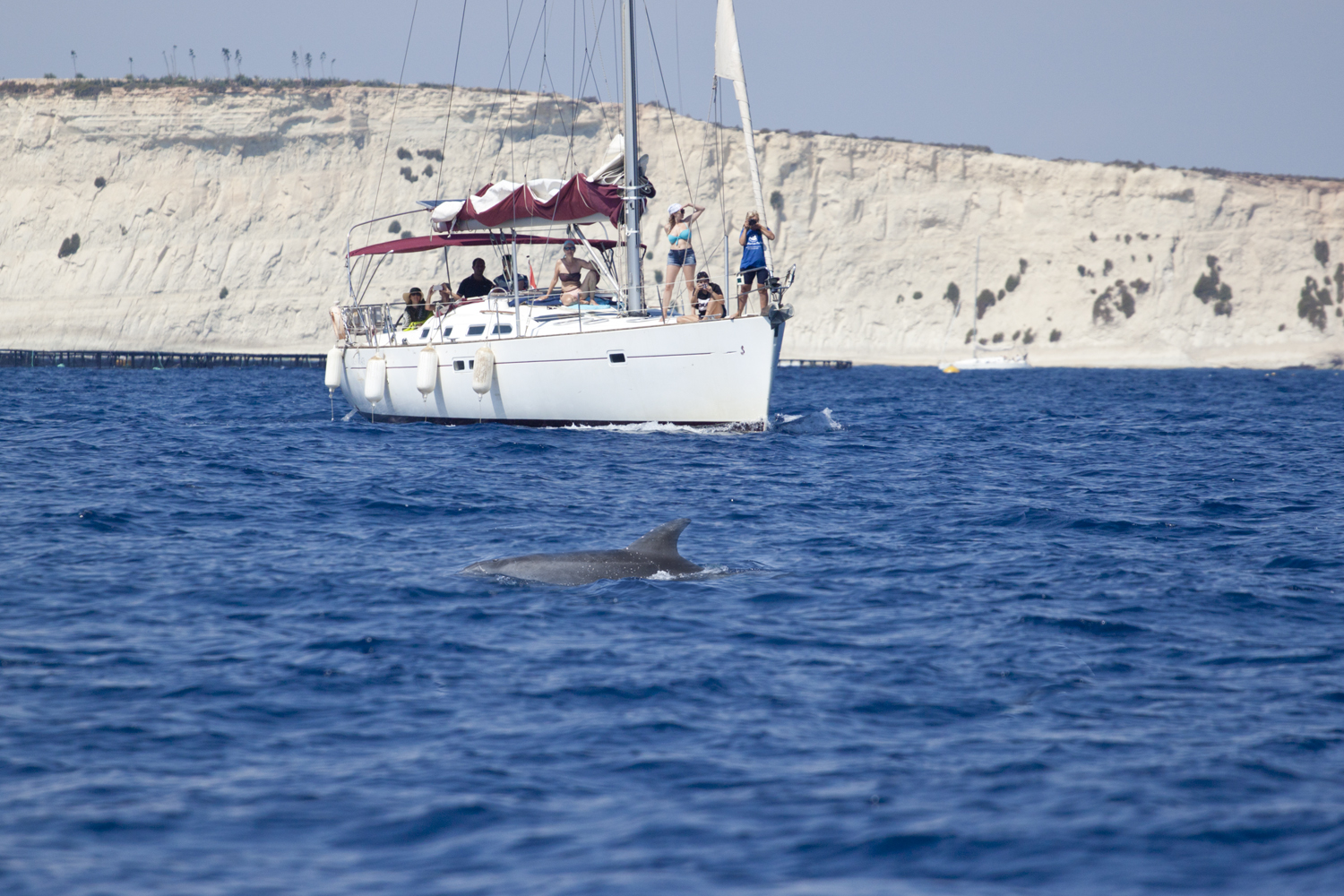
Private Marine life spotting
Enjoy a private marine life spotting experience with your loved ones. A day at sea to relax, reconnect, and discover Malta’s marine life.
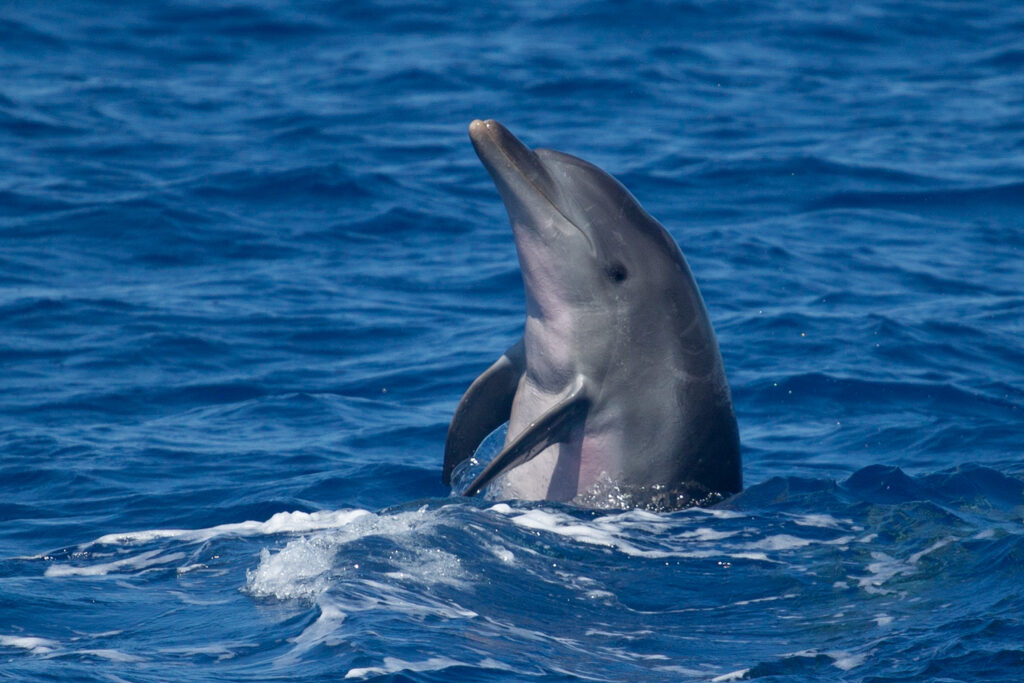
Shared Marine life spotting
Discover Malta’s marine environment on a shared boat tour with other guests. Enjoy a relaxing day at sea while spotting marine life along the way.