
Cuvier’s beaked whale
Scientific name: Ziphius cavirostris
Suborder: Odontoceti
Genus: Ziphius
Family: Ziphiidae
Habitat: Pelagic zone
Average weight: 2,500kg
Max length: 7.5m
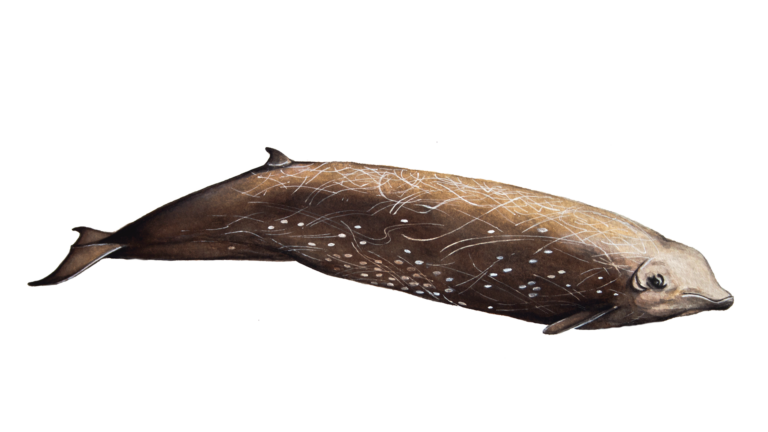
The Cuvier’s beaked whale, sometimes referred to as the “goose-beaked whale,” is a distinctive-looking marine mammal. It has a robust, rounded body and a sickle-shaped dorsal fin positioned relatively low on its back. This medium-sized whale has a sloping, concave-shaped head with no obvious melon (forehead), an indistinct beak, and a large slit-like blowhole. The slightly upturned jawline gives the Cuvier’s beaked whale a characteristic “smiling” appearance. Similar to other beaked whales, males of this species possess two cone-shaped teeth that protrude from the lower jaw, which are often used in fights between males.
There is little difference in body length between males and females. Their colouration varies from dark grey to reddish-brown, often with a paler or whitish head, while the underside is typically lighter in colour. The reddish-brown hue is commonly caused by the presence of diatoms and algae on the skin. Their bodies frequently display several linear scratches and oval-shaped scars. The circular scars are typically caused by bites from cookie-cutter sharks and lampreys. As individuals age, they tend to become paler, develop a more distinctive indentation on the melon, and accumulate additional scarring. The face is often whitish, with darker patches around the eyes.
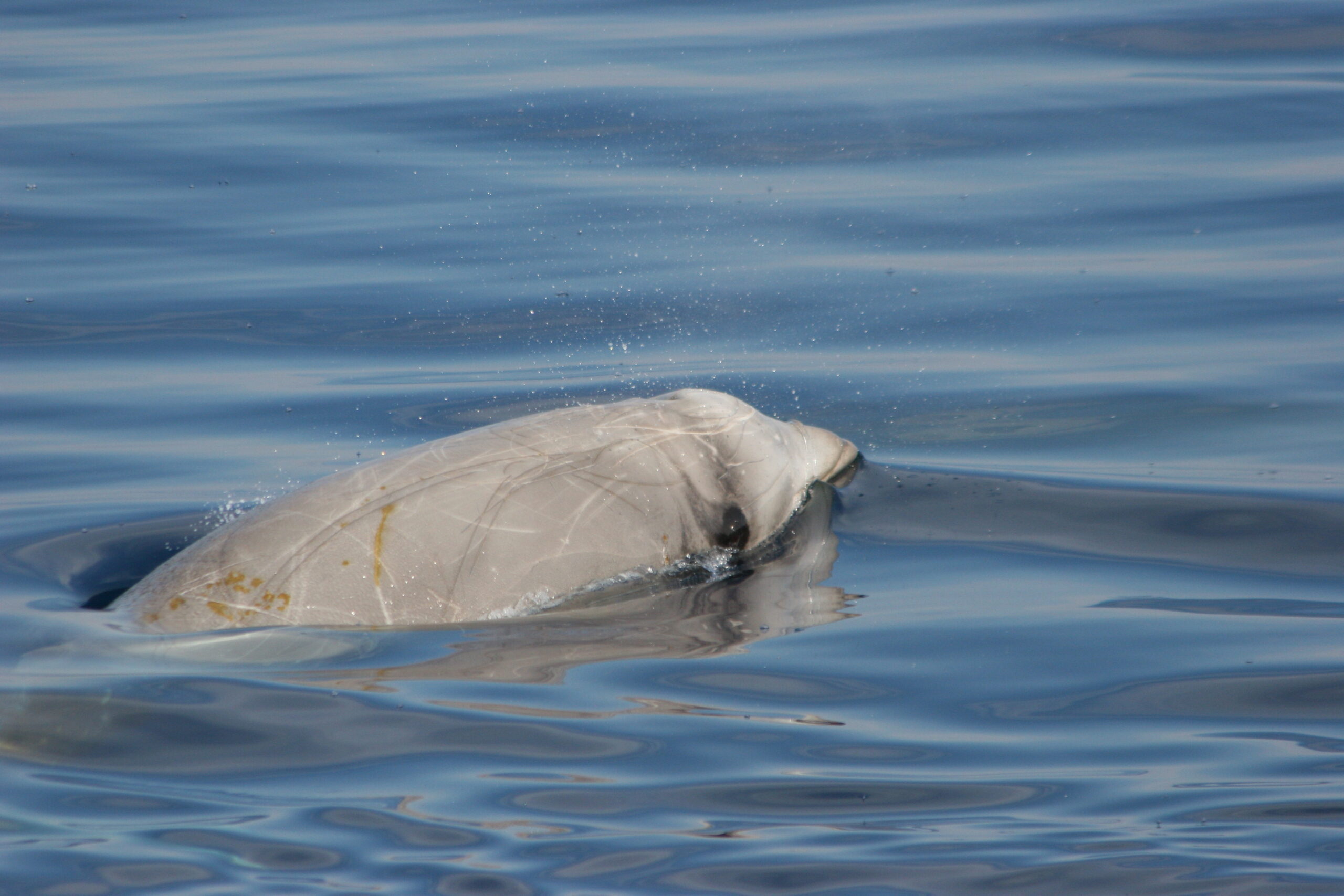
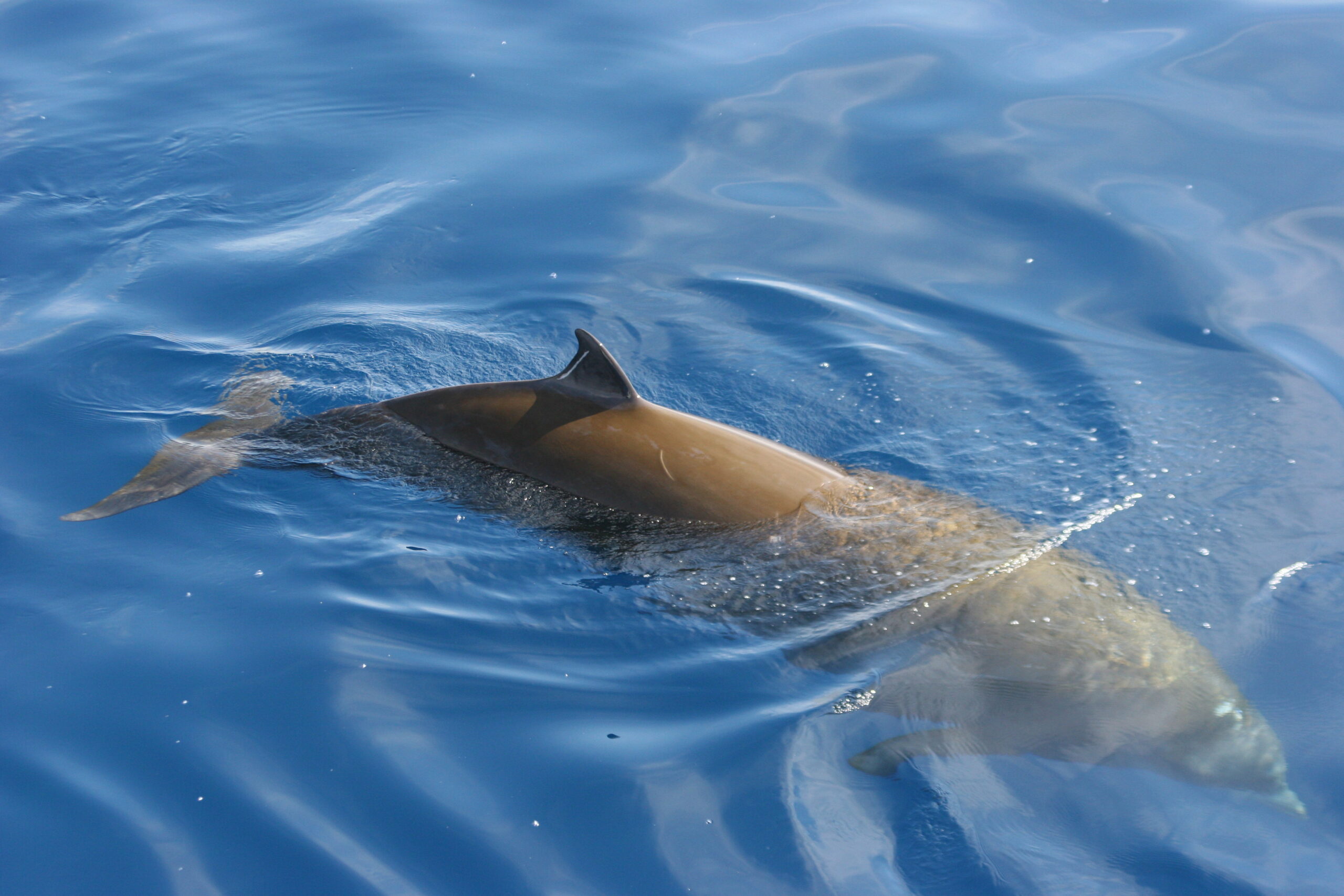
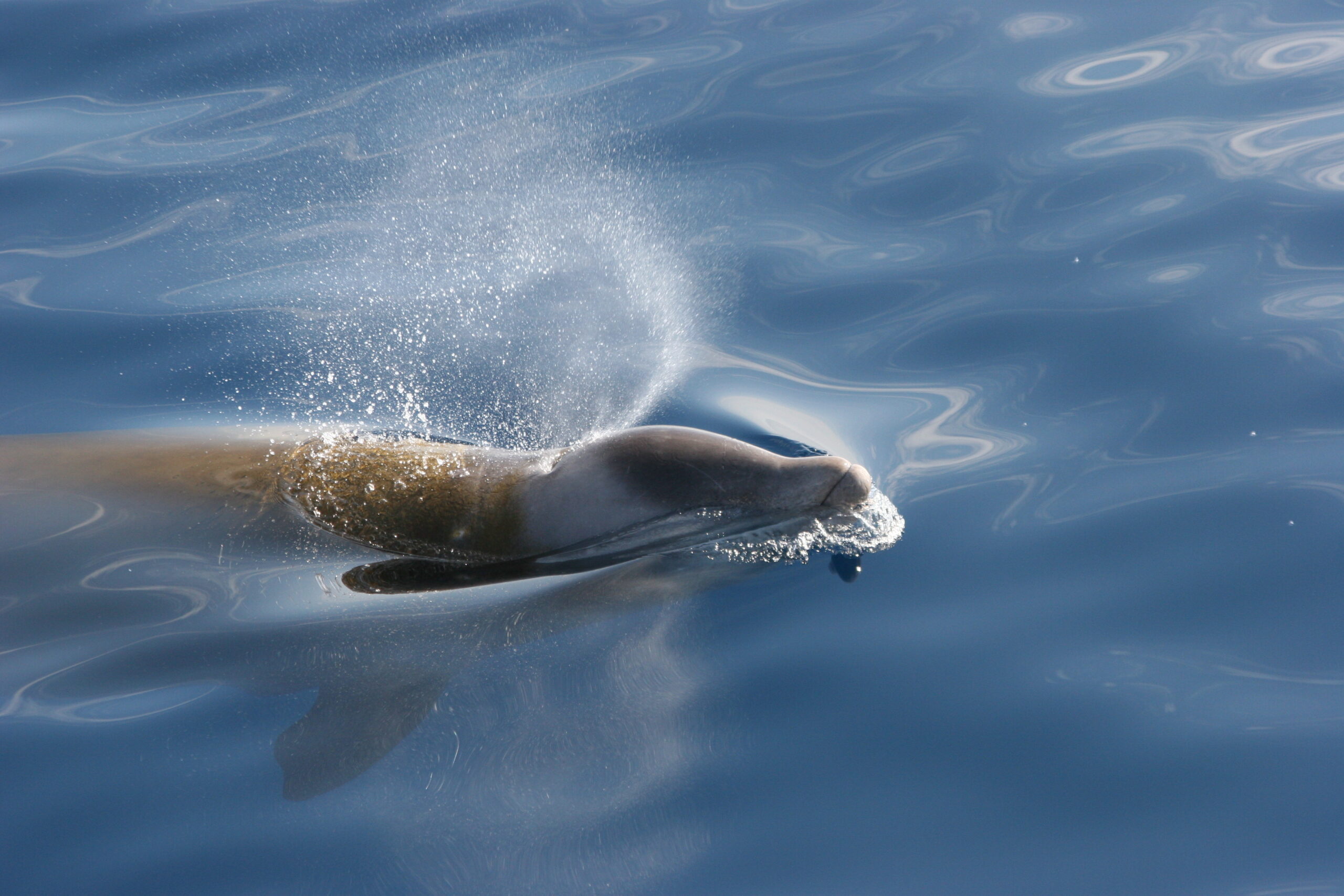
Cuvier’s beaked whales rarely breach or display other active behaviours at the surface. Their blow is relatively inconspicuous, reaching only about 1 m in height, slightly angled forward, and occurring every 20–30 seconds. Like other beaked whale species, Cuvier’s beaked whales are capable of extremely deep dives, typically reaching depths of up to 3,000 m for as long as 90 minutes while foraging for cephalopods, fish, and crustaceans. Their throat contains a pair of ventral grooves that enable them to expand the throat region and create suction, allowing them to capture prey effectively. These whales are usually reported in groups of two to seven individuals, but they have also been frequently reported as being seen solo.
Cuvier’s beaked whales are known for their exceptional diving abilities. The deepest recorded dive by this species reached nearly 3,000 m, while the longest recorded dive lasted 222 minutes.
This species is estimated to live for up to 60 years and reaches sexual maturity between 7 and 10 years of age. Following a gestation period of approximately one year, females typically give birth to a single calf every 2–3 years. Calves are dark blue or black in colour and measure up to about 2.5 m in length at birth.
Cuvier’s beaked whales face several threats. One of the primary risks is entanglement in fishing gear. When caught, individuals may drag the gear over long distances, which can lead to fatigue, impaired feeding ability, and severe injury.
Threats
What can we do?
Threats
What can we do?
Experiences you may enjoy
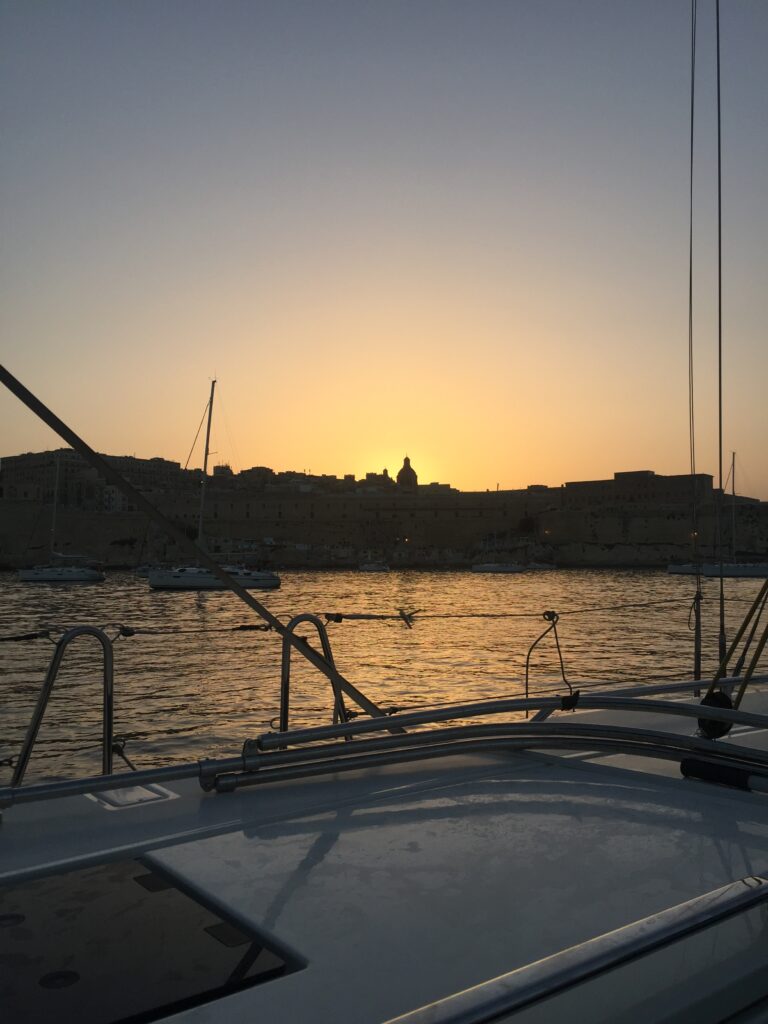
Private Sunset experience
Feel the soul of the sea, enjoy the extaordinary colors and landscapes of Maltese Islands during the loveliest hours of the day.
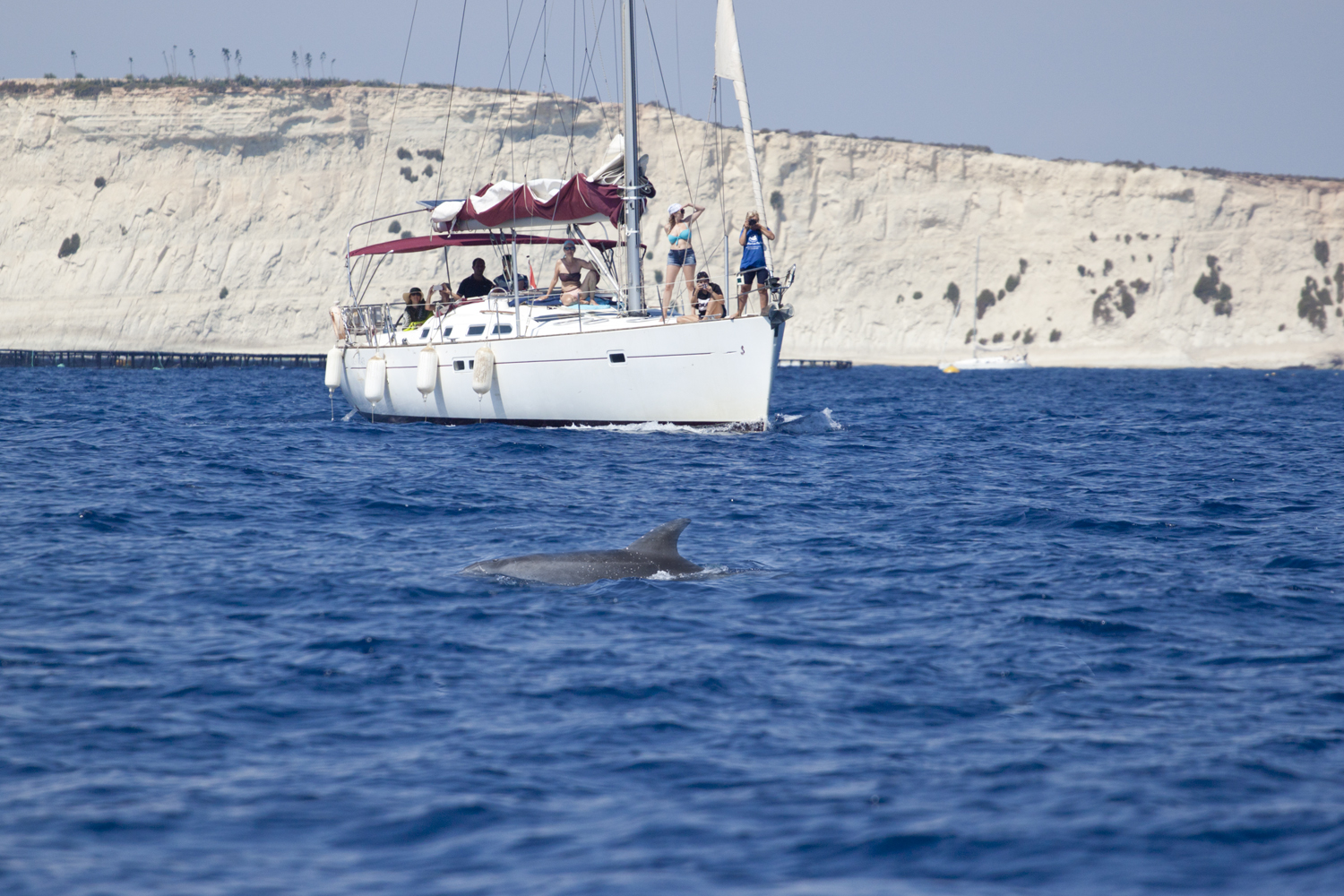
Private Marine life spotting
Enjoy a private marine life spotting experience with your loved ones. A day at sea to relax, reconnect, and discover Malta’s marine life.
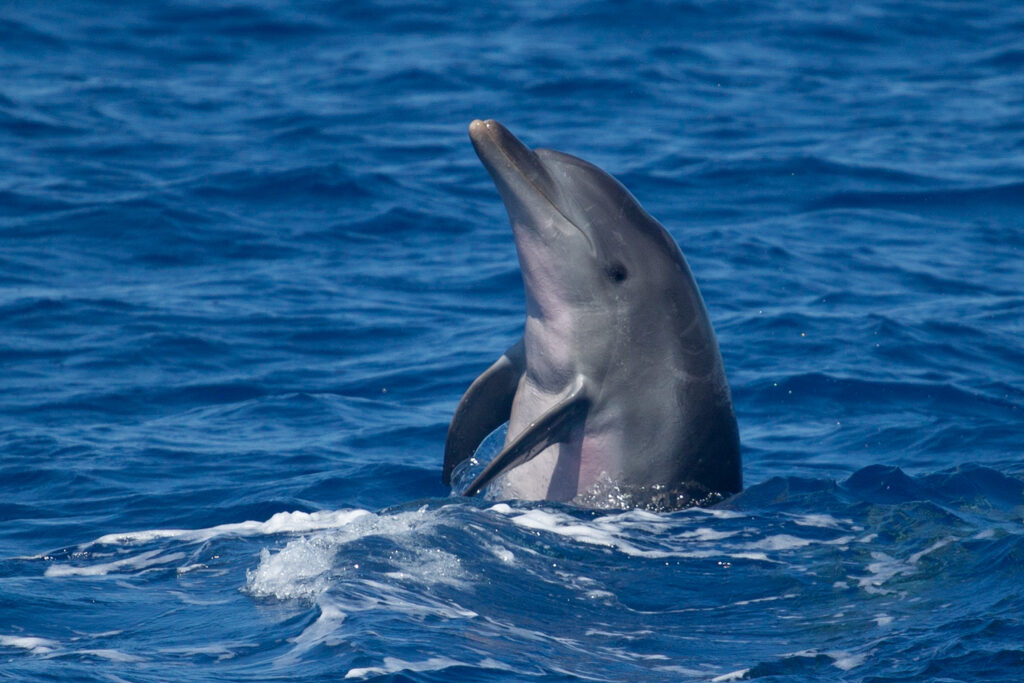
Shared Marine life spotting
Discover Malta’s marine environment on a shared boat tour with other guests. Enjoy a relaxing day at sea while spotting marine life along the way.