
Fin whale
Scientific name: Balaenoptera physalus
Suborder: Mysticeti
Genus: Balaenoptera
Family: Balaenopteridae
Habitat: Pelagic zone
Average weight: 45,000kg
Max length: 23m
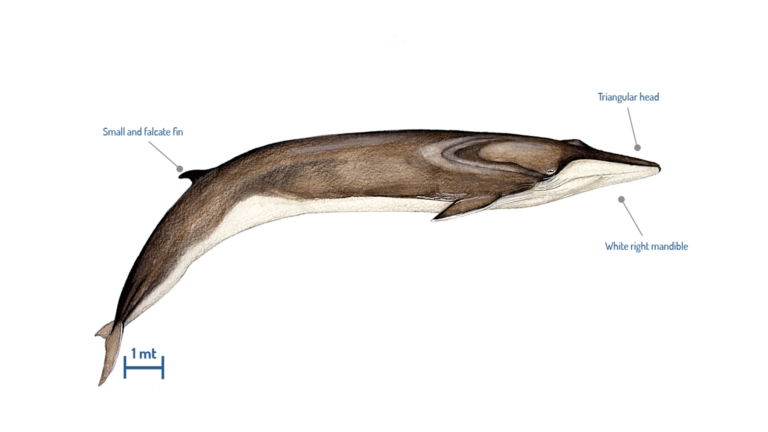
The fin whale is the second largest species on earth, only surpassed by the blue whale. Its name comes from the prominent and falcate dorsal fin located at the posterior third of the body. They have a sleek, streamlined body and V-shaped chevron with an asymmetrical colouration of the lower jaw: on the right side, the blaze (white colouration) extends onto the upper lip, while there is no blaze on the left side. The blaze, the V-shaped chevron behind the head and the dorsal fin are used to distinguish the individuals through the photo-identification process. The back and sides of their body are usually black or brownish-grey, whilst their underside is white. The underside of their flukes is often white with a grey boarder.
The fin whale is found in all major oceans, but typically prefers waters deeper than 200m. The resident population of the Mediterranean Sea migrates from the winter breeding ground in the South to the north western waters in search for food. A fin whale feeds intensively in summer and can eat more than 1 ton of food per day. The diet is based almost exclusively on krill and copepods at depths up to 180 m and sometime at surface.
The lunge-feeding technique typically involves rolling on their right side, opening the mouth, using their 50 to 100 accordion-like throat pleats, to a 90° angle, and engulfing 10kg of krill contained within 70,000 litres of water. After the whale’s jaws close, the water is pushed out through the 260 to 480 baleen plates (long, flat plates made of fingernail-like material called keratin), trapping the krill and small fish behind. Fin whales fast during the winter months, as they migrate towards warmer waters.
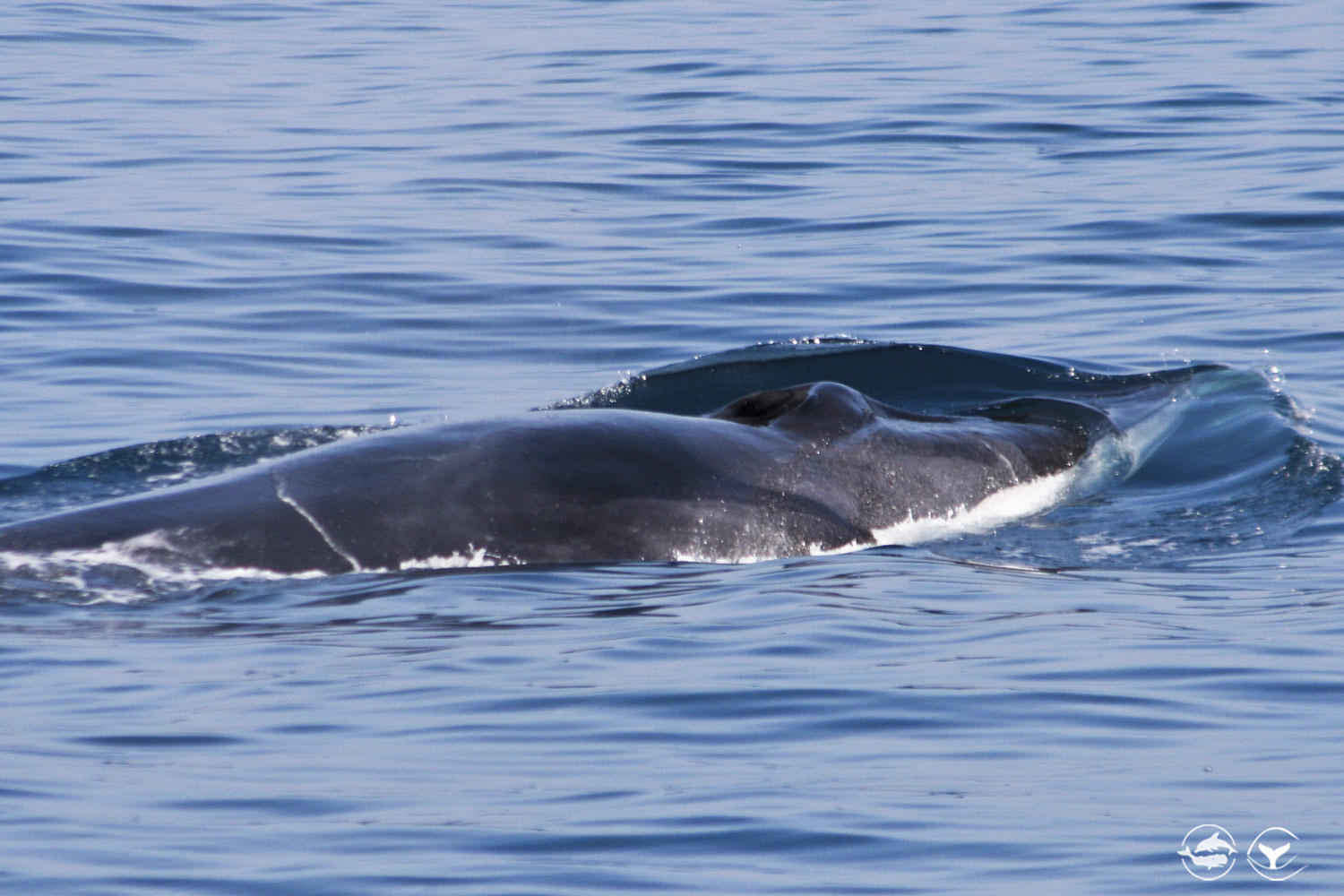
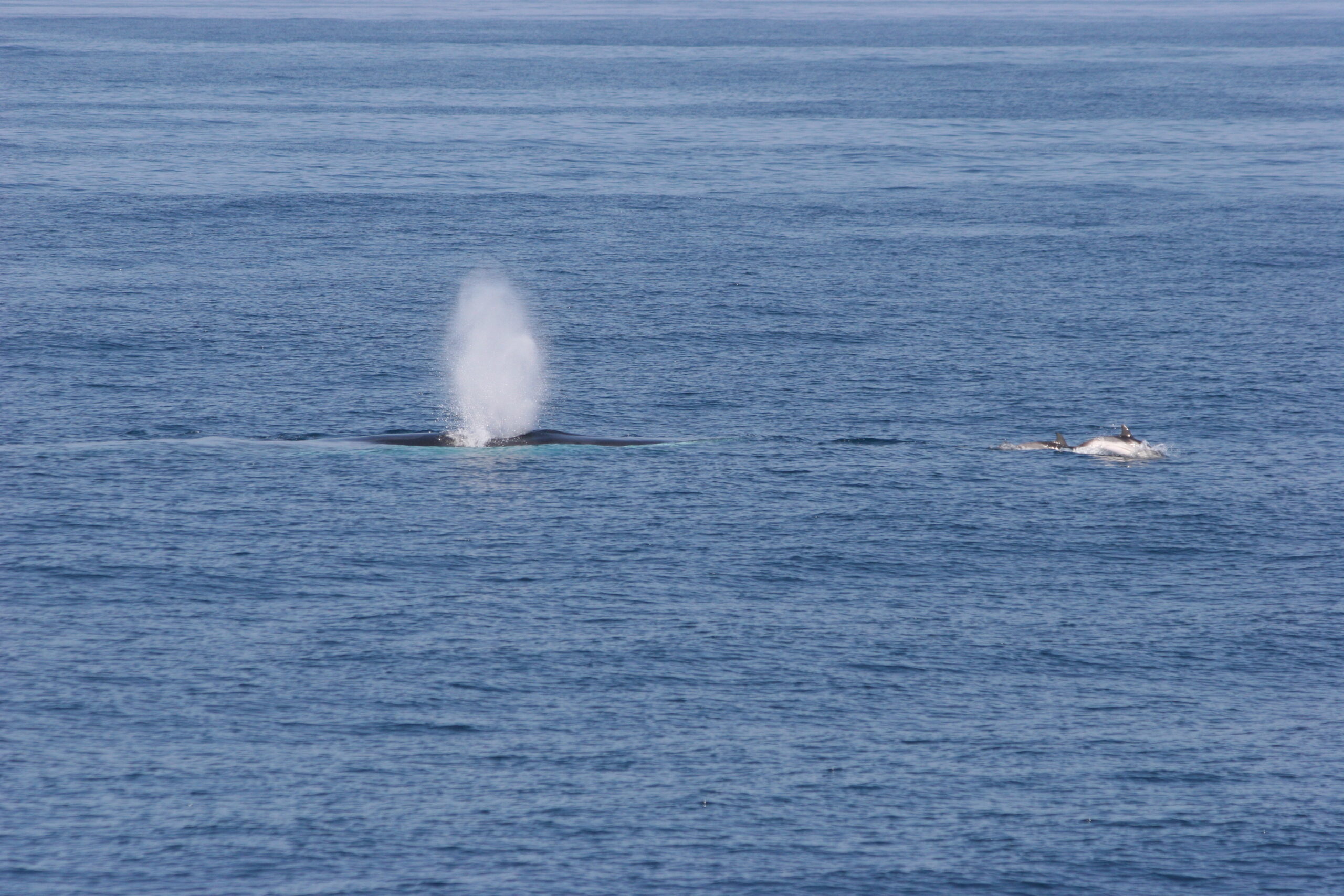
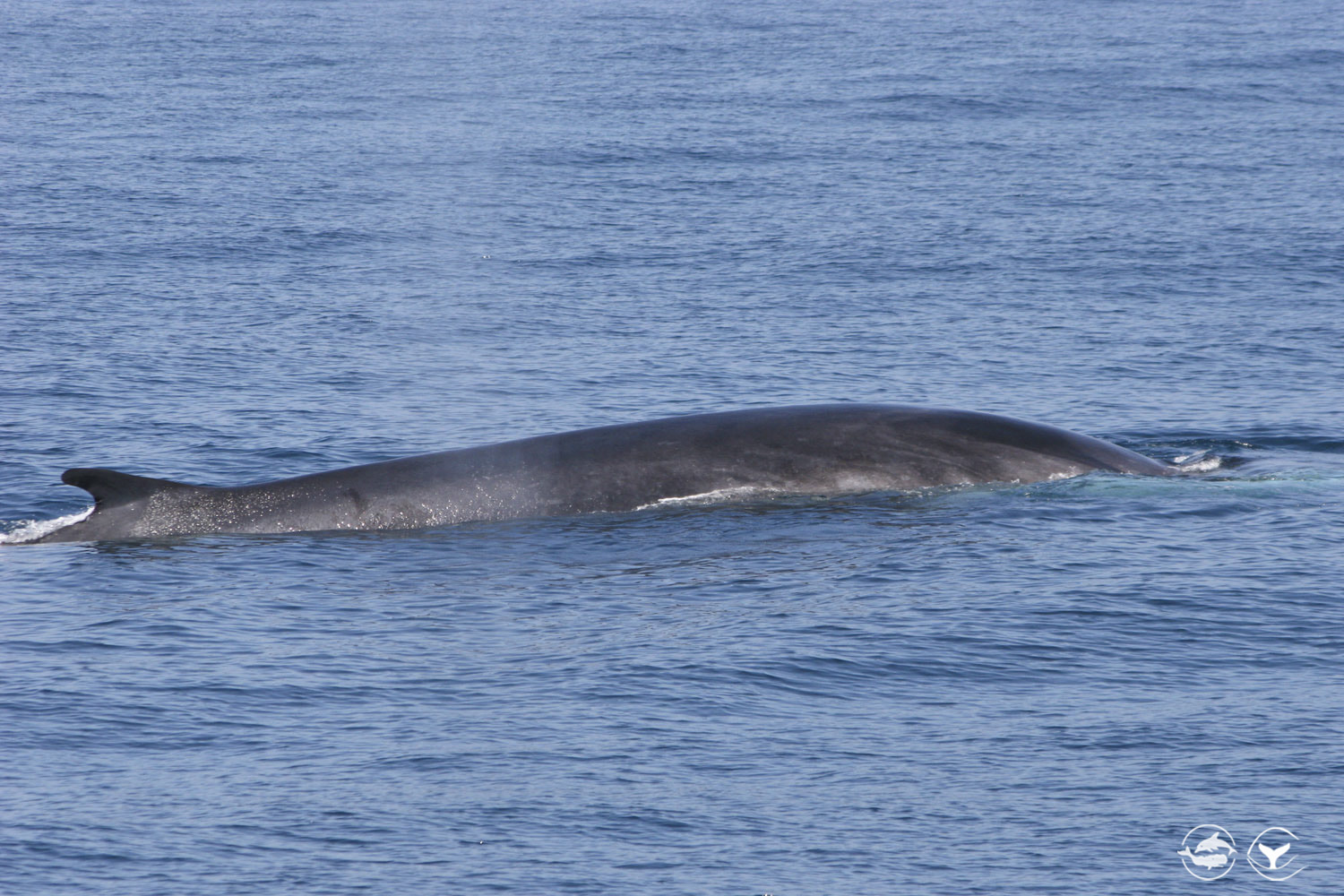
Fin whales are capable of swimming at exceptionally high speeds. Their normal cruising speed ranges between 10 and 15 km/h, but they can reach speeds of up to 37 km/h for short bursts, particularly when feeding. They are frequently observed alone or in small groups of two to seven individuals. Occasionally, they associate with dolphins and pilot whales, and may also form feeding aggregations with other whale species. Their vocalisations include songs composed of single pulses, which are among the loudest biological sounds in the ocean and can be detected hundreds of kilometres away.
Fin whales can live for up to 90 years. Females typically reach sexual maturity between 7 and 8 years of age, while males mature between 5 and 7 years. Calving generally occurs every two years, with females giving birth to a single calf. Males are believed to compete for access to females during the breeding season. In some regions outside the Mediterranean Sea, fin whales have occasionally been known to interbreed with blue whales, producing hybrid offspring.
Historically, fin whales were heavily hunted by commercial whalers, which drastically reduced their populations. Although commercial whaling is no longer their primary threat, and limited hunting still occurs in parts of the North Atlantic under the International Whaling Commission’s (IWC) aboriginal subsistence whaling regulations, fin whales are now most frequently reported as victims of vessel collisions. As a result, they are considered one of the whale species most vulnerable to ship strikes.
Underwater noise pollution, particularly from military sonar and seismic surveys, can disrupt normal whale behaviour and drive individuals away from areas critical for feeding and survival. Additional threats include entanglement in fishing gear, overfishing of their prey species, and the ingestion of microplastics.
Threats
What can we do?
Threats
What can we do?
Threats
What can we do?
Experiences you may enjoy
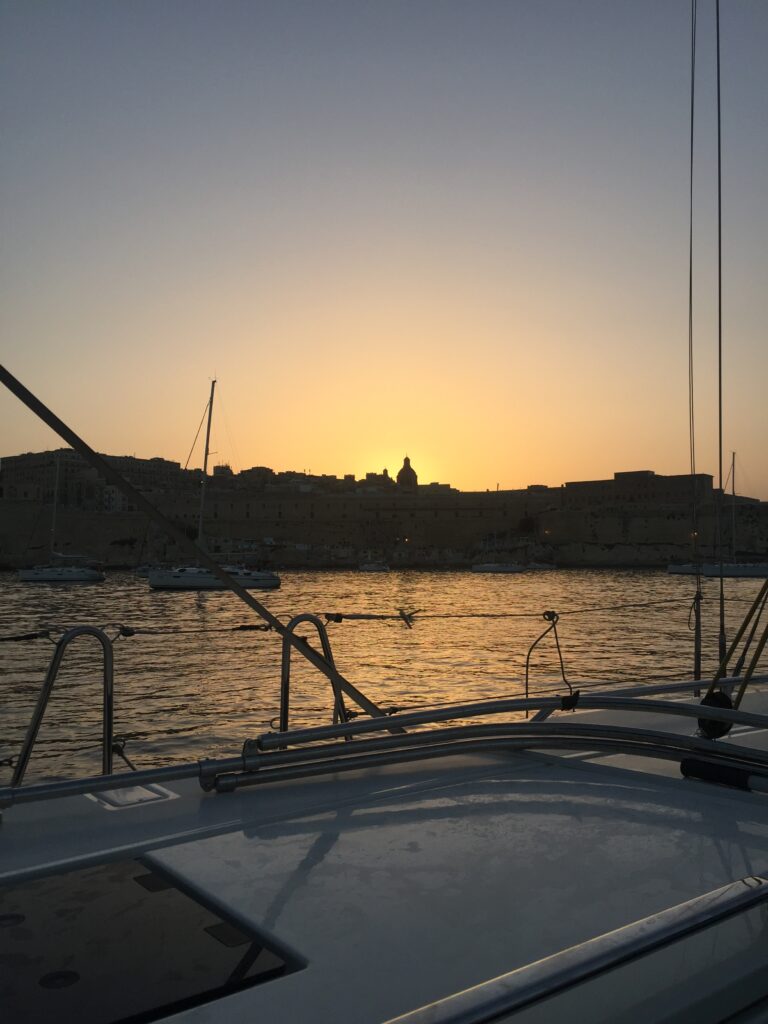
Private Sunset experience
Feel the soul of the sea, enjoy the extaordinary colors and landscapes of Maltese Islands during the loveliest hours of the day.
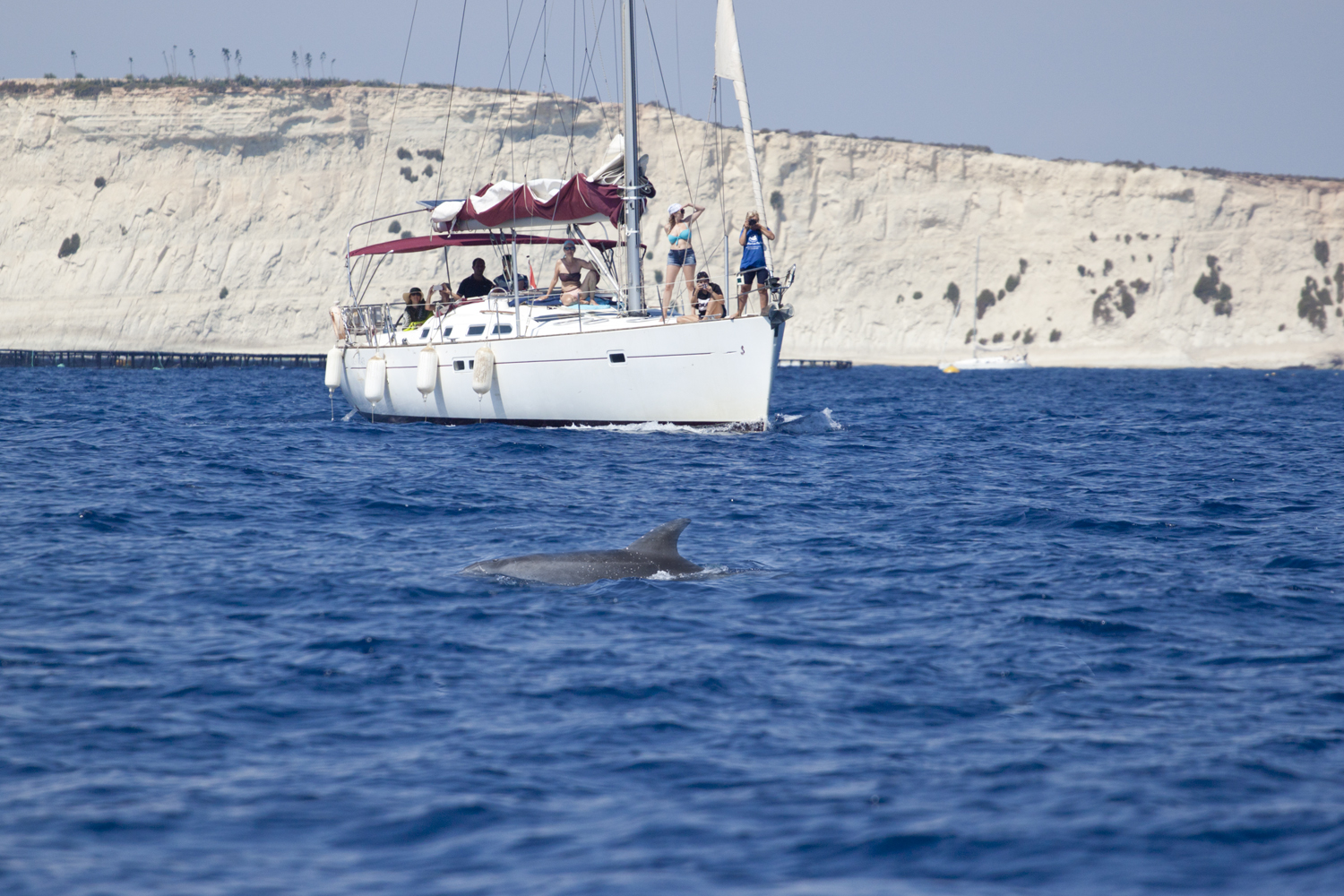
Private Marine life spotting
Enjoy a private marine life spotting experience with your loved ones. A day at sea to relax, reconnect, and discover Malta’s marine life.
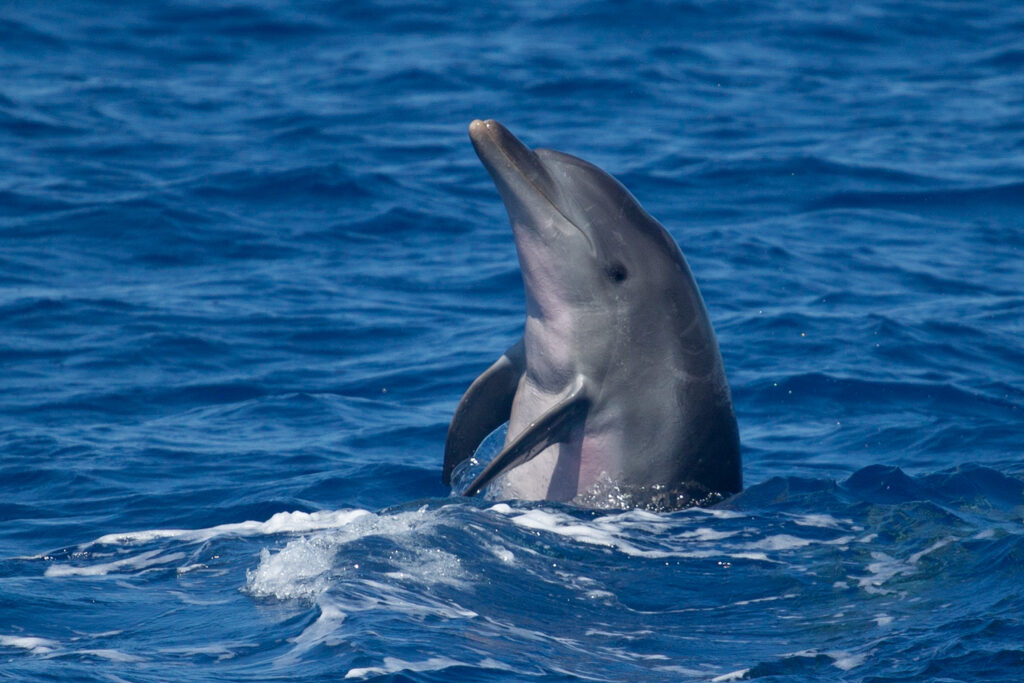
Shared Marine life spotting
Discover Malta’s marine environment on a shared boat tour with other guests. Enjoy a relaxing day at sea while spotting marine life along the way.