
Bluespotted cornetfish
Scientific name: Fistularia commersonii
Suborder: Aulostomoidei
Genus: Fistularia
Family: Fistulariidae
Habitat: Coastal and lagoon waters, seagrass meadows (Posidonia oceanica), rocky and sandy bottoms; usually from shallow waters down to ~50 m. It preferably inhabits warm, clear waters. It moves both close to the seabed and in mid-water.
Maximum length in the Mediterranean: Documented up to 200 cm, though commonly observed around 100–150 cm.
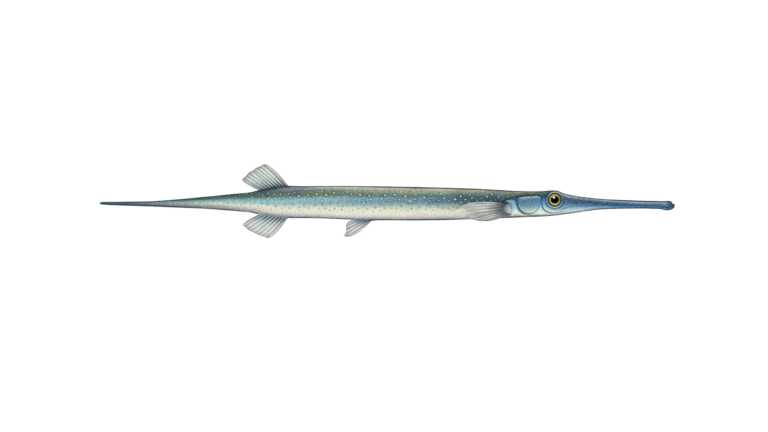
The bluespotted cornetfish is characterized by an extremely elongated, slender, and tubular body, giving it a distinctive appearance among Mediterranean fishes. Adults typically display bluish or greenish colouration, sometimes with small blue spots along the body. The species has a very long and narrow snout, which it uses to capture small fish and crustaceans. Its elongated body shape allows it to camouflage effectively among seagrass, particularly within Posidonia Oceanica meadows, where it can remain concealed while hunting.
Fistularia commersonii represents one of the fastest documented expansions of an alien fish species in the Mediterranean Sea following its entry through the Suez Canal. Native to the Indo-Pacific and Red Sea, the first confirmed Mediterranean records appeared around 2000–2001 along the eastern Mediterranean coasts, particularly in Israel and Lebanon. From there, the species spread rapidly westward, establishing populations in Greece, Turkey, and Cyprus, before reaching the central Mediterranean, including Malta. This pattern of expansion is characteristic of Lessepsian migration, where species from the Red Sea enter the Mediterranean via the Suez Canal and progressively colonize new habitats.
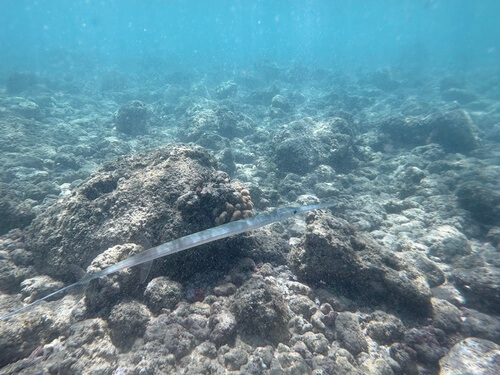
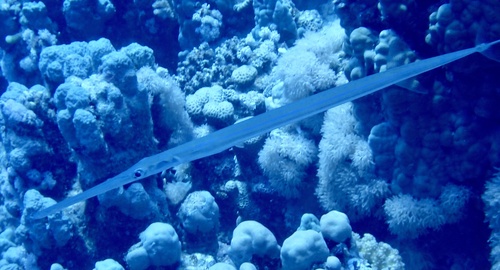
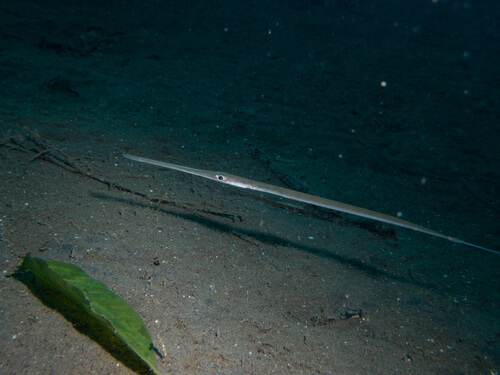
In Mediterranean coastal waters, the bluespotted cornetfish faces several pressures linked to human activity and environmental change. It is occasionally caught in small-scale and artisanal fisheries, although it is not typically a primary commercial target. Coastal habitat degradation, including damage to seagrass meadows and rocky habitats caused by coastal development, anchoring, and pollution, may affect areas used for feeding and shelter. In addition, plastic pollution and chemical contaminants present in nearshore environments can accumulate through the food chain and impact marine predators such as the cornetfish. Climate change may also influence the species’ distribution, prey availability, and habitat suitability. At the same time, warming Mediterranean waters have facilitated the successful establishment and spread of this thermophilic species, highlighting the complex interactions between environmental change and biological invasions.
Interestingly, juvenile bluespotted cornetfish are known to align themselves closely alongside larger fish, swimming parallel to their bodies. This behaviour likely acts as a camouflage strategy, helping them avoid predators by blending into the silhouette of larger species.
Threats
What can we do?
Threats
What can we do?
Threats
What can we do?
Experiences you may enjoy
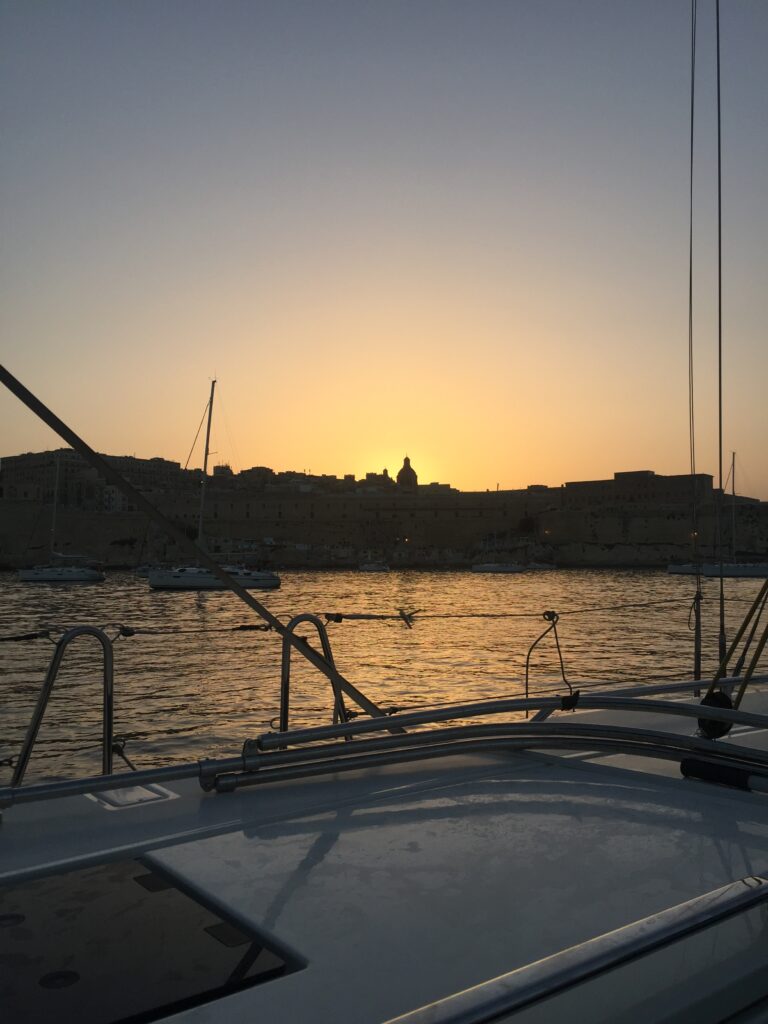
Private Sunset experience
Feel the soul of the sea, enjoy the extaordinary colors and landscapes of Maltese Islands during the loveliest hours of the day.
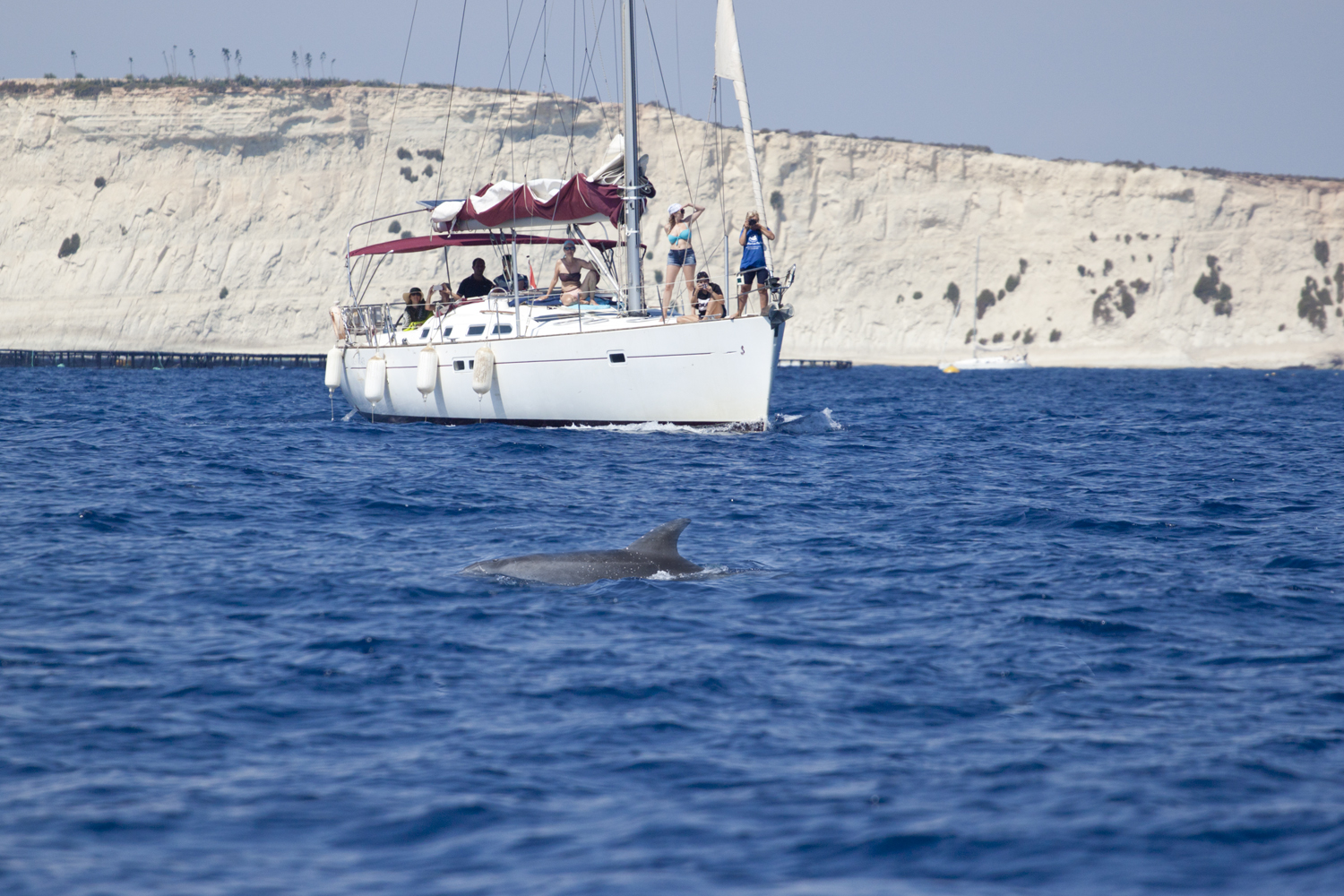
Private Marine life spotting
Enjoy a private marine life spotting experience with your loved ones. A day at sea to relax, reconnect, and discover Malta’s marine life.
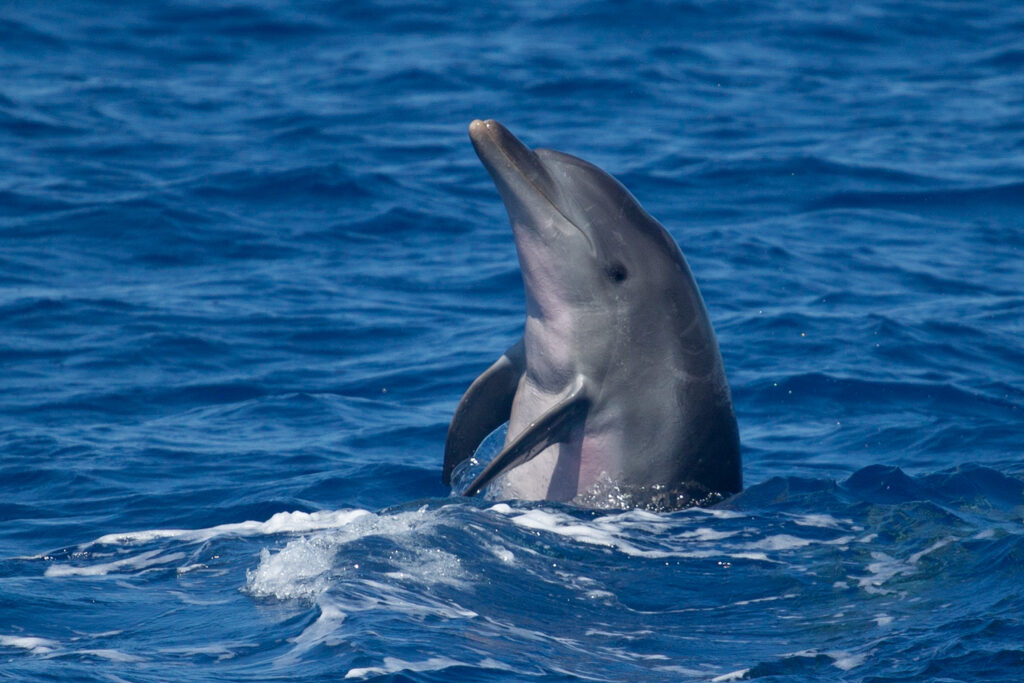
Shared Marine life spotting
Discover Malta’s marine environment on a shared boat tour with other guests. Enjoy a relaxing day at sea while spotting marine life along the way.