
Leatherback turtle
Scientific name: Dermochelys coriacea
Suborder: Cryptodira
Genus: Dermochelys
Family: Dermochelyidae
Habitat: Coastal zones, open sea
Average weight: 400 kg
Max length: 1.80 m
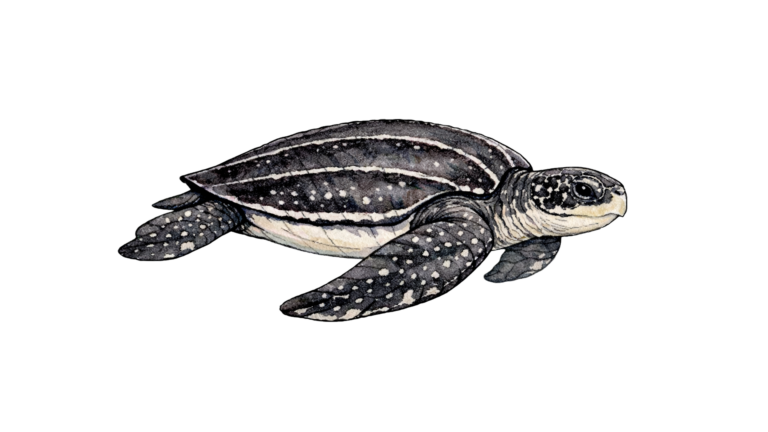
The leatherback turtle is the largest of all living turtles and is unique among marine turtles in lacking a hard shell and scales. Instead, it has a black, tough, leathery carapace that gives the species its name, with a pinkish-white underside. Beneath the dark, rubbery skin, interlocking dermal bones form seven longitudinal ridges along the length of the carapace, which tapers to a blunt point at the rear. The front flippers are considerably larger than the hind flippers, and much larger than those of other sea turtles. This, together with their flexible skin, makes leatherback turtles highly efficient long-distance swimmers.
Leatherback turtles have existed in their current form since the age of the dinosaurs, making them one of the most ancient reptiles on Earth. They are remarkable long-distance migrants, travelling over 16,000 km each year between nesting beaches and distant foraging grounds. They are also the deepest-diving reptiles known, capable of reaching depths of more than 1,200 m.
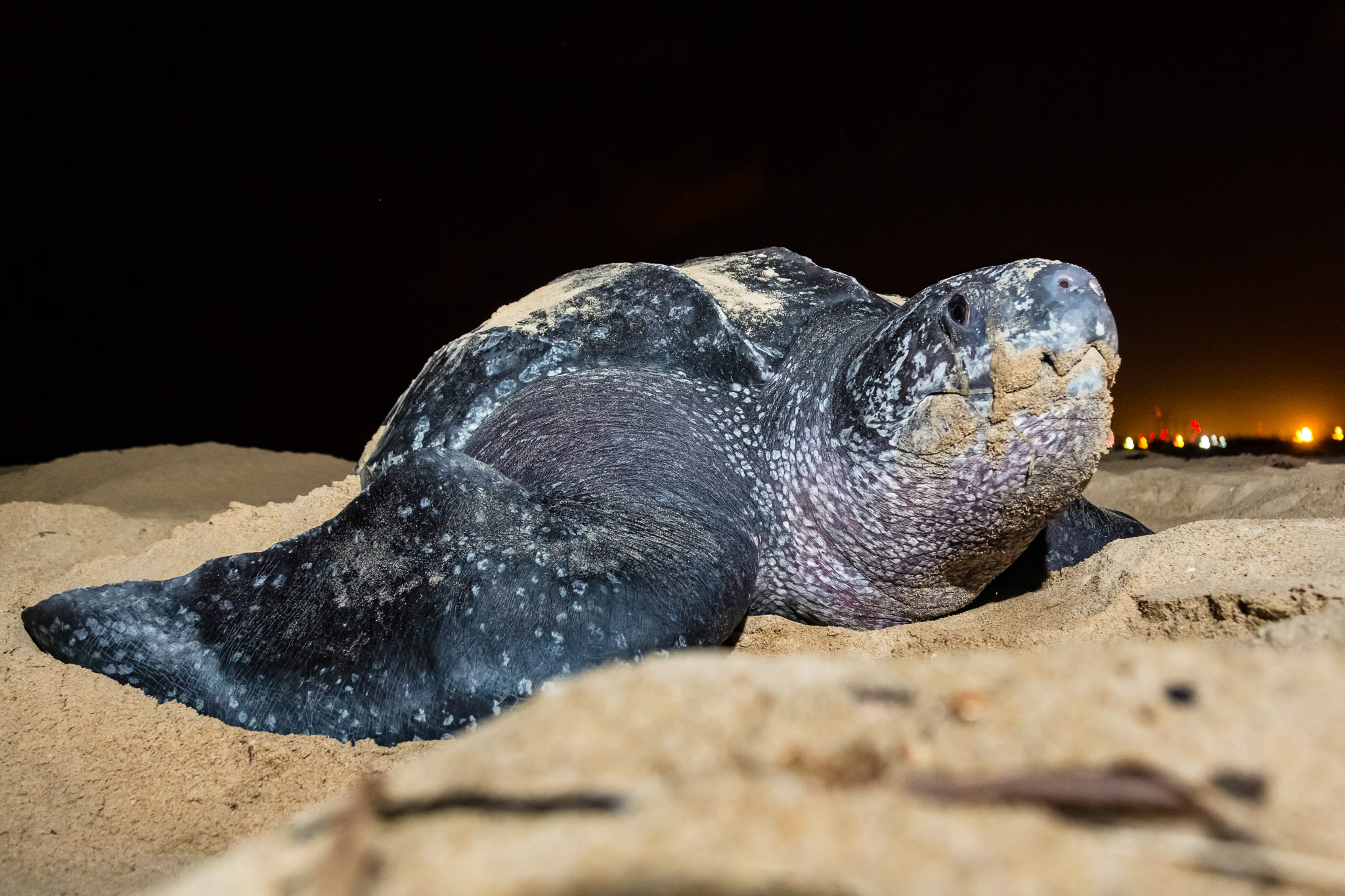
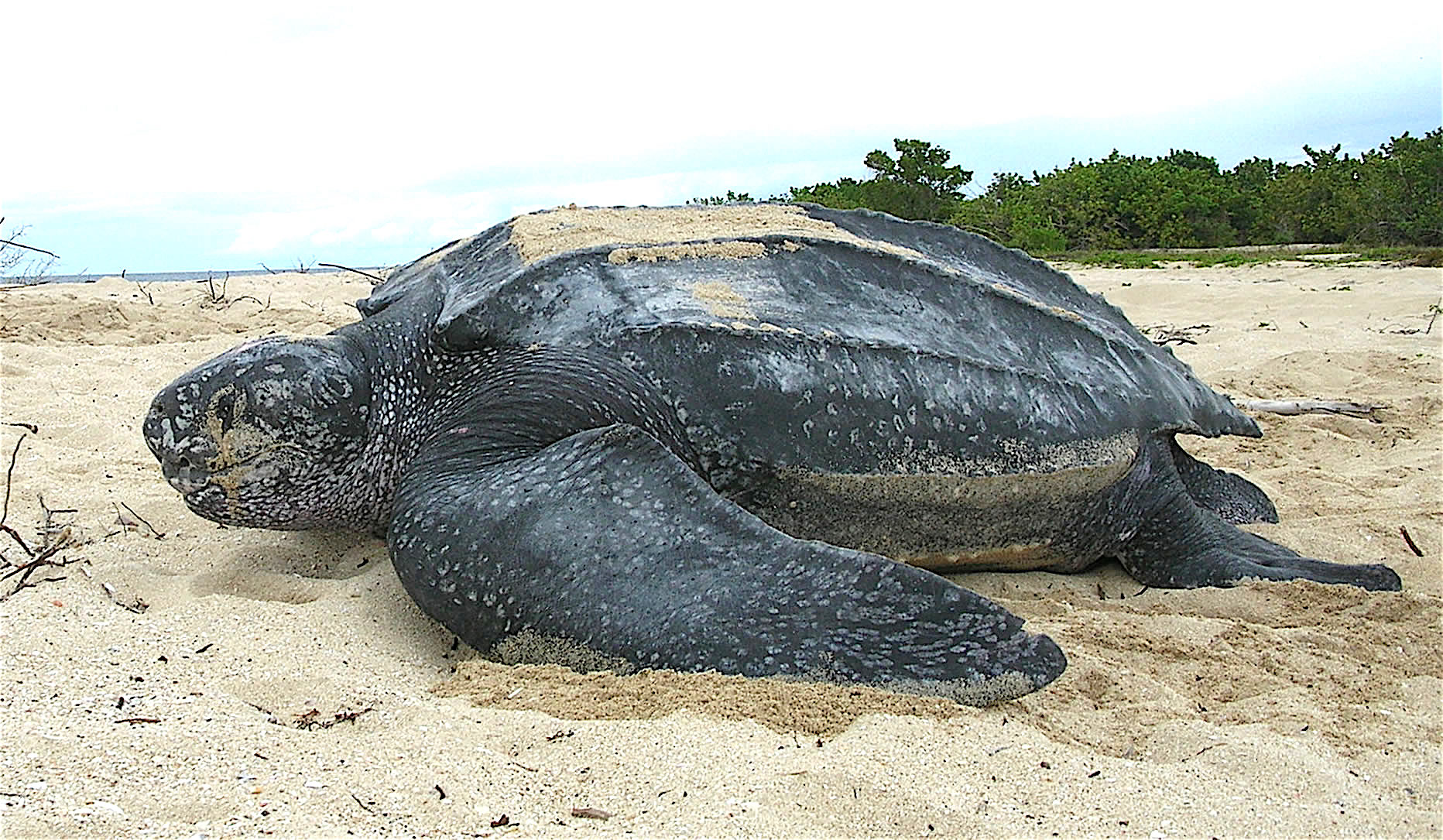
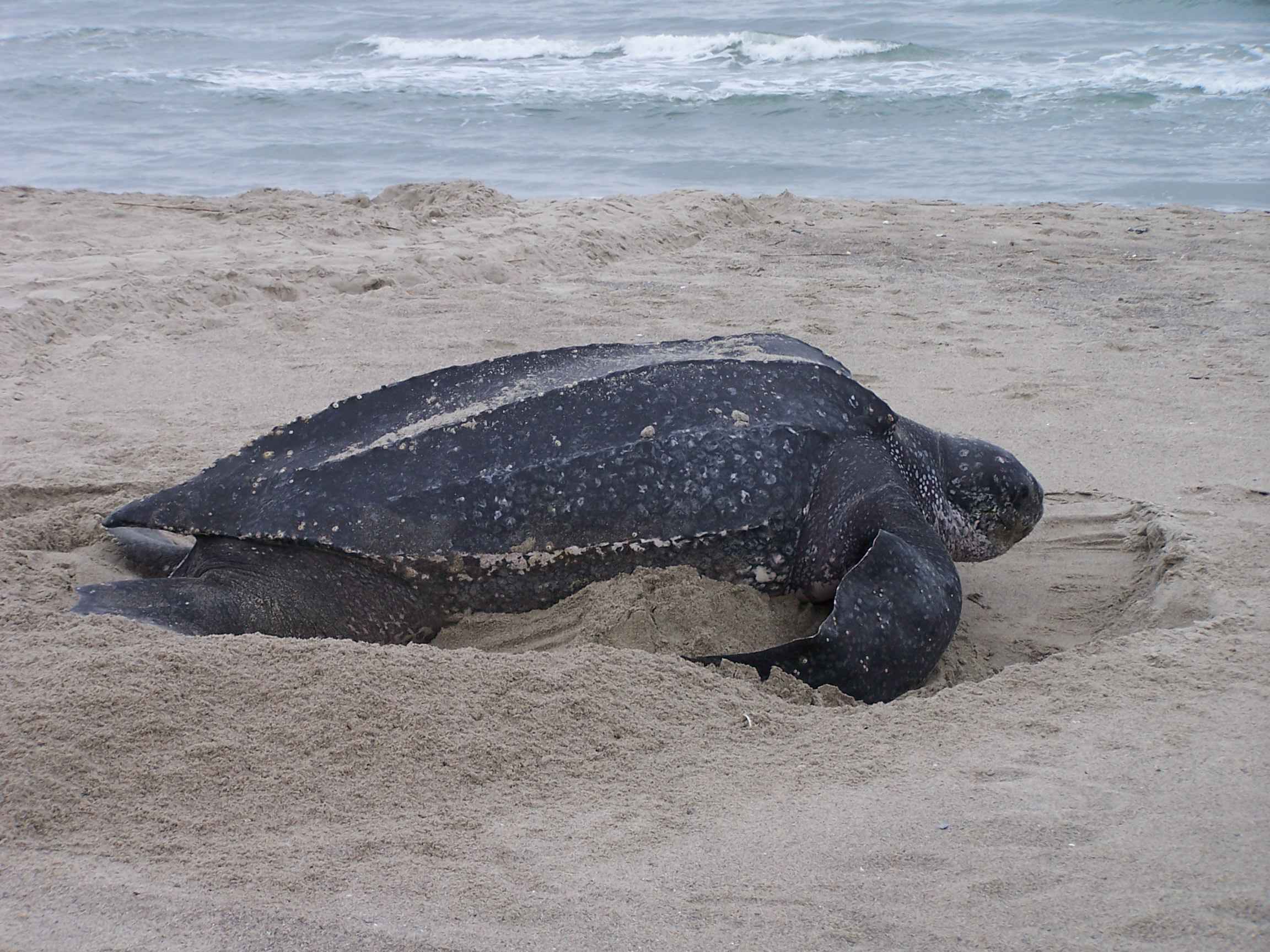
Historically, leatherback turtles were found in every ocean except the Arctic and Antarctic. Although they still have the widest global distribution of any reptile, their populations have declined dramatically and are now mainly concentrated in tropical and subtropical waters. The greatest threats to these endangered reptiles include entanglement in fishing gear and bycatch, hunting for meat, the collection of eggs for human consumption, and the ingestion of plastic debris. Among all populations, Pacific leatherback turtles are the most at risk of extinction, although all populations are listed as endangered under the Endangered Species Act.
In 2015 and again in 2018, two unfortunate incidents occurred in Maltese coastal waters. On both occasions, a leatherback turtle was found dead, floating at the sea surface. In each case, death was caused by plastic ingestion. These incidents highlight two important realities: the presence of leatherback turtles in the Mediterranean Sea, and the serious problem of plastic pollution within it.
Threats
What can we do?
Threats
What can we do?
Threats
What can we do?
Experiences you may enjoy
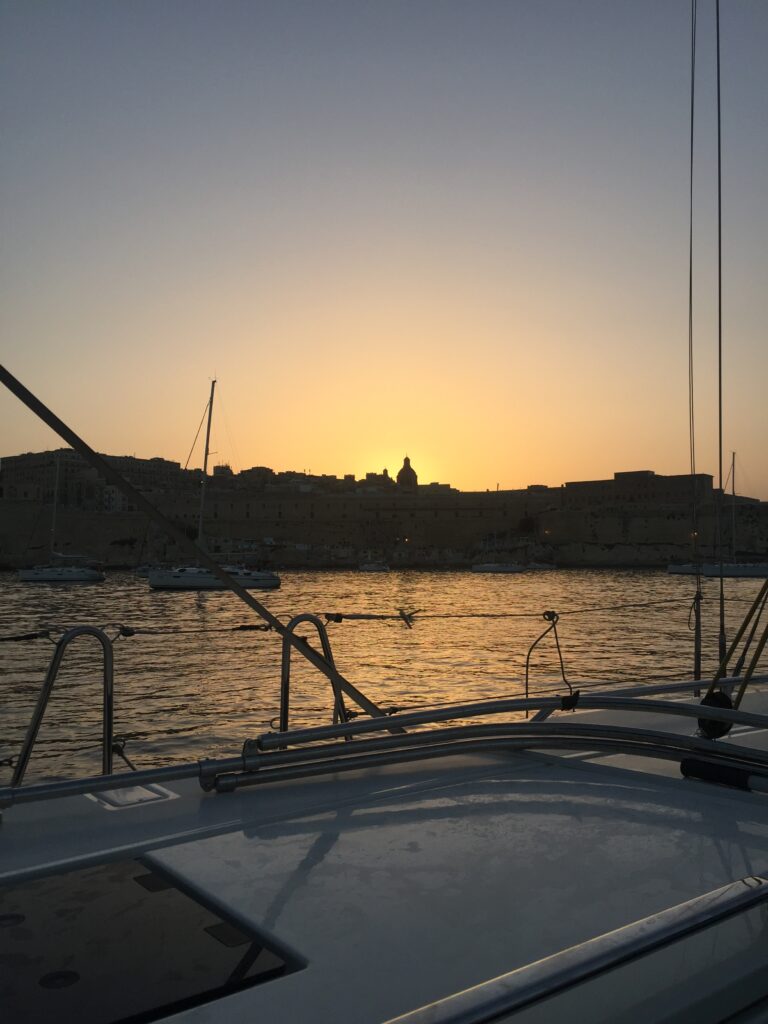
Private Sunset experience
Feel the soul of the sea, enjoy the extaordinary colors and landscapes of Maltese Islands during the loveliest hours of the day.
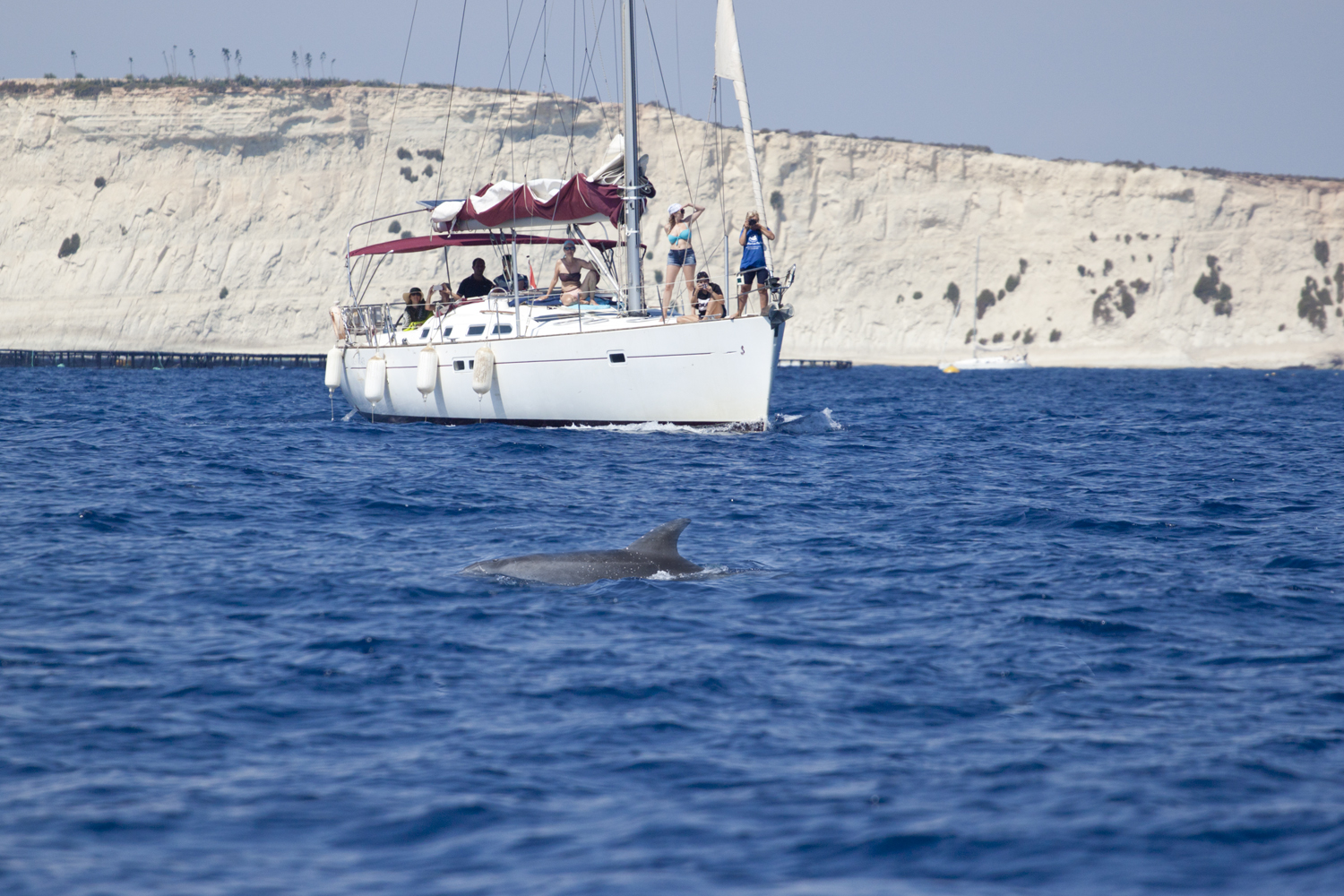
Private Marine life spotting
Enjoy a private marine life spotting experience with your loved ones. A day at sea to relax, reconnect, and discover Malta’s marine life.
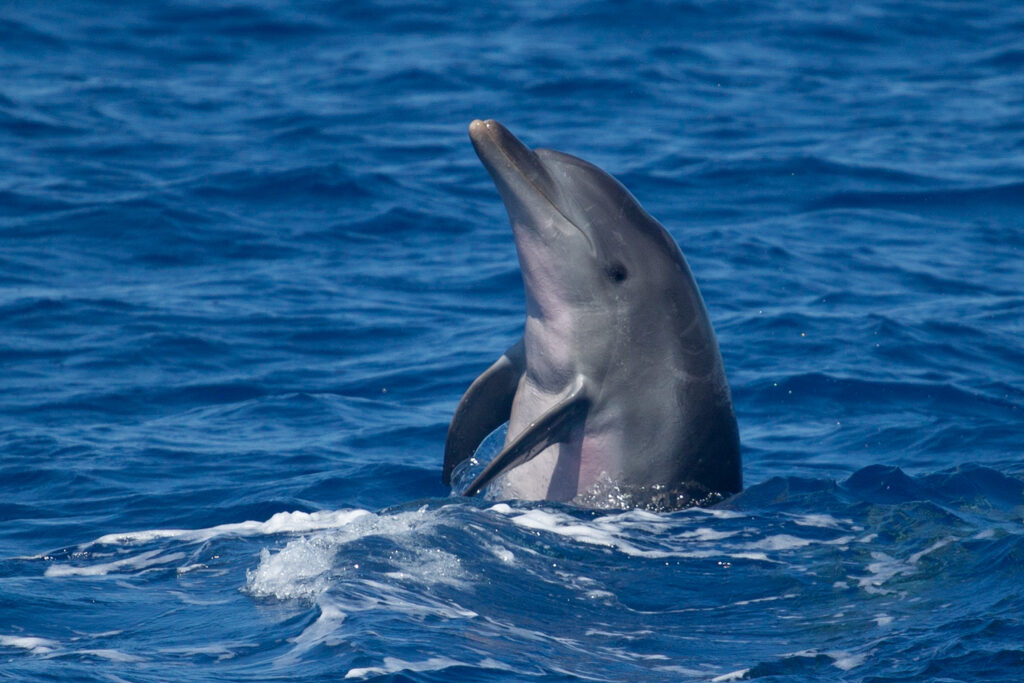
Shared Marine life spotting
Discover Malta’s marine environment on a shared boat tour with other guests. Enjoy a relaxing day at sea while spotting marine life along the way.