
Little Egret
Scientific name: Egretta garzetta
Order: Pelecaniformes
Genus: Egretta
Family: Ardeidae
Habitat:Occupies marshes, lagoons, estuaries, saltpans, riverbanks and shallow coastal waters.
Maximum wingspan: Typically 88–106 cm
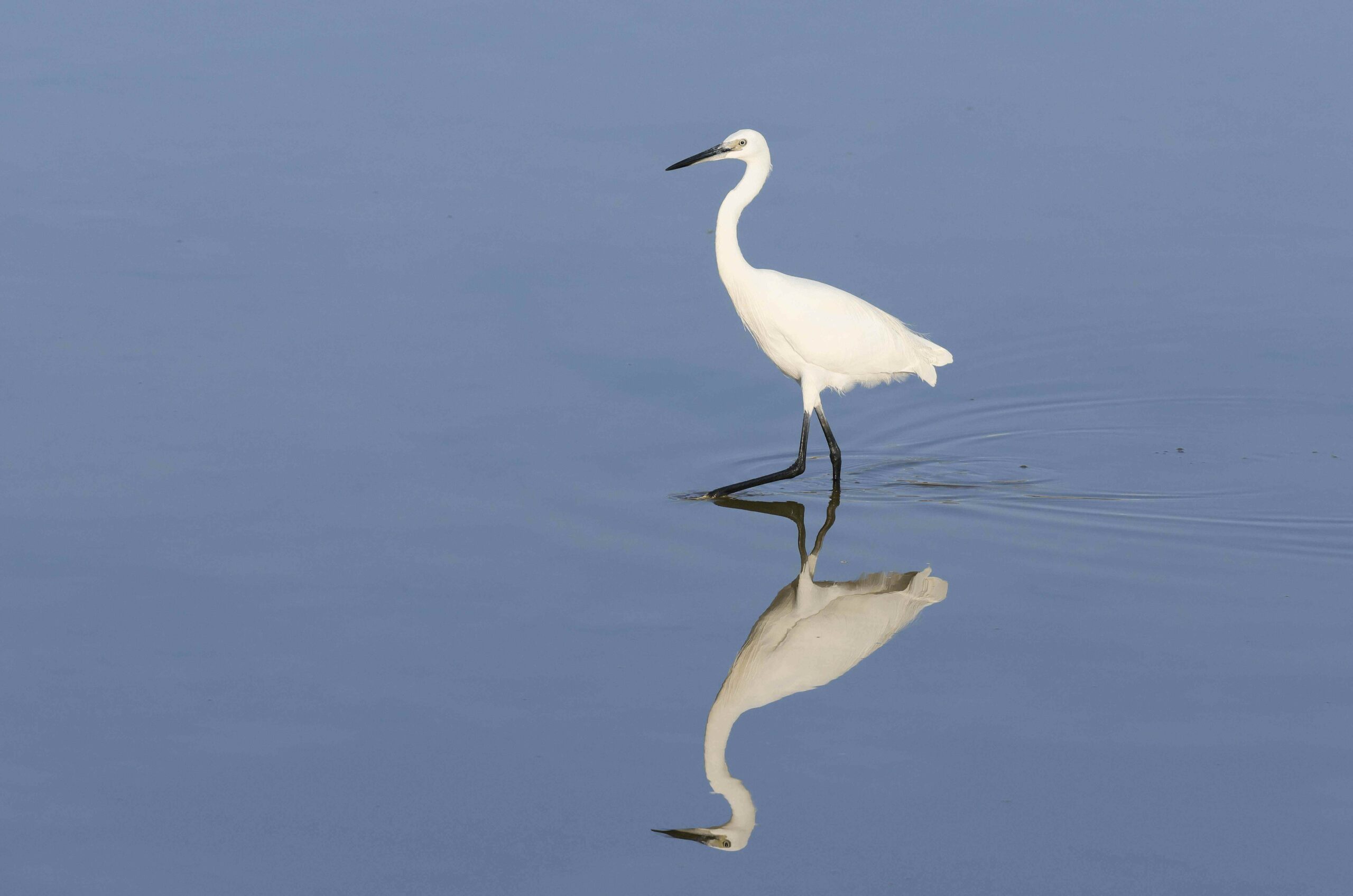
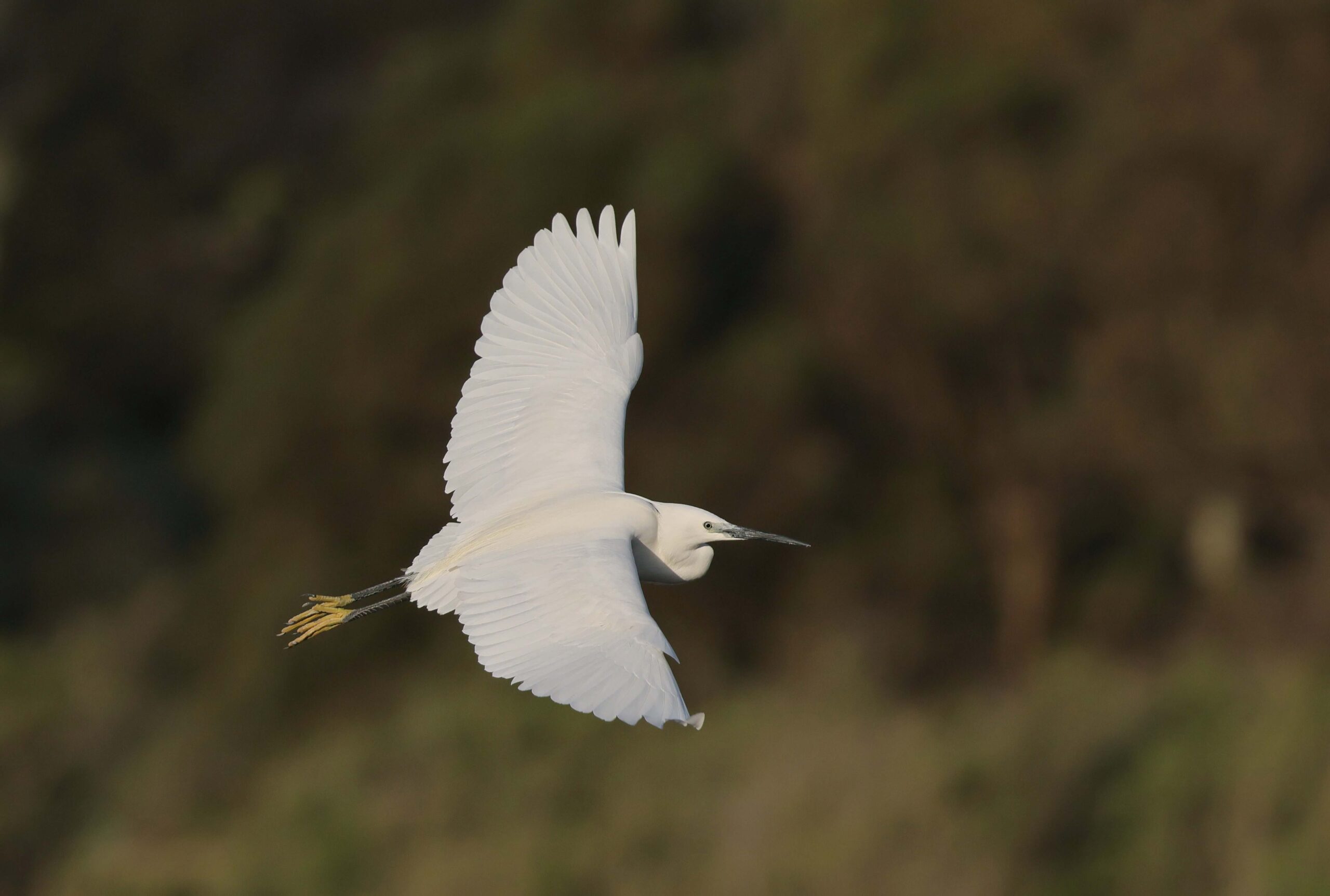
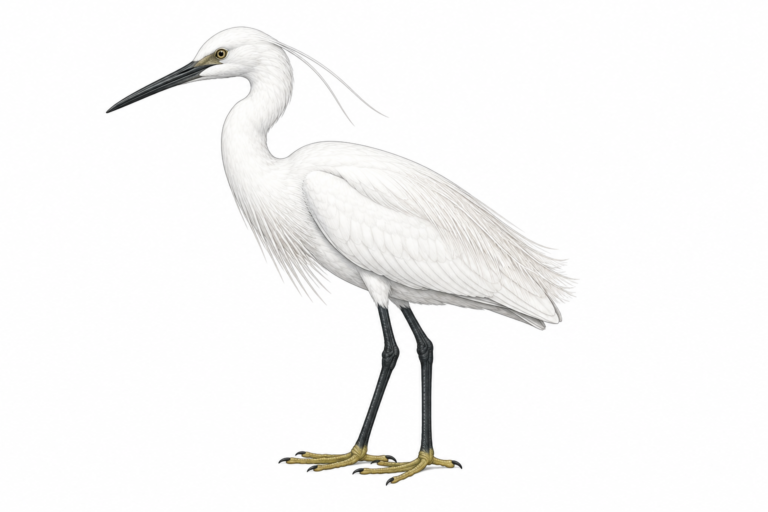
The Little Egret is a small, elegant white heron with a slender black bill, long black legs and bright yellow feet, often called “golden slippers.” These striking yellow feet help make it one of the easiest herons to identify.
The Little Egret is widespread across Europe, Africa, Asia and Australia. It lives in a variety of wetland habitats, including marshes, lagoons, estuaries, saltpans, riverbanks and shallow coastal waters.
In Malta, it is a common visitor during spring and autumn migration. It is regularly seen at Għadira Nature Reserve and Salina Nature Reserve, as well as along the coastline. Individual birds are often spotted feeding in shallow water, while larger flocks can be seen resting on small islets, rocky outcrops and sheltered coastal areas.
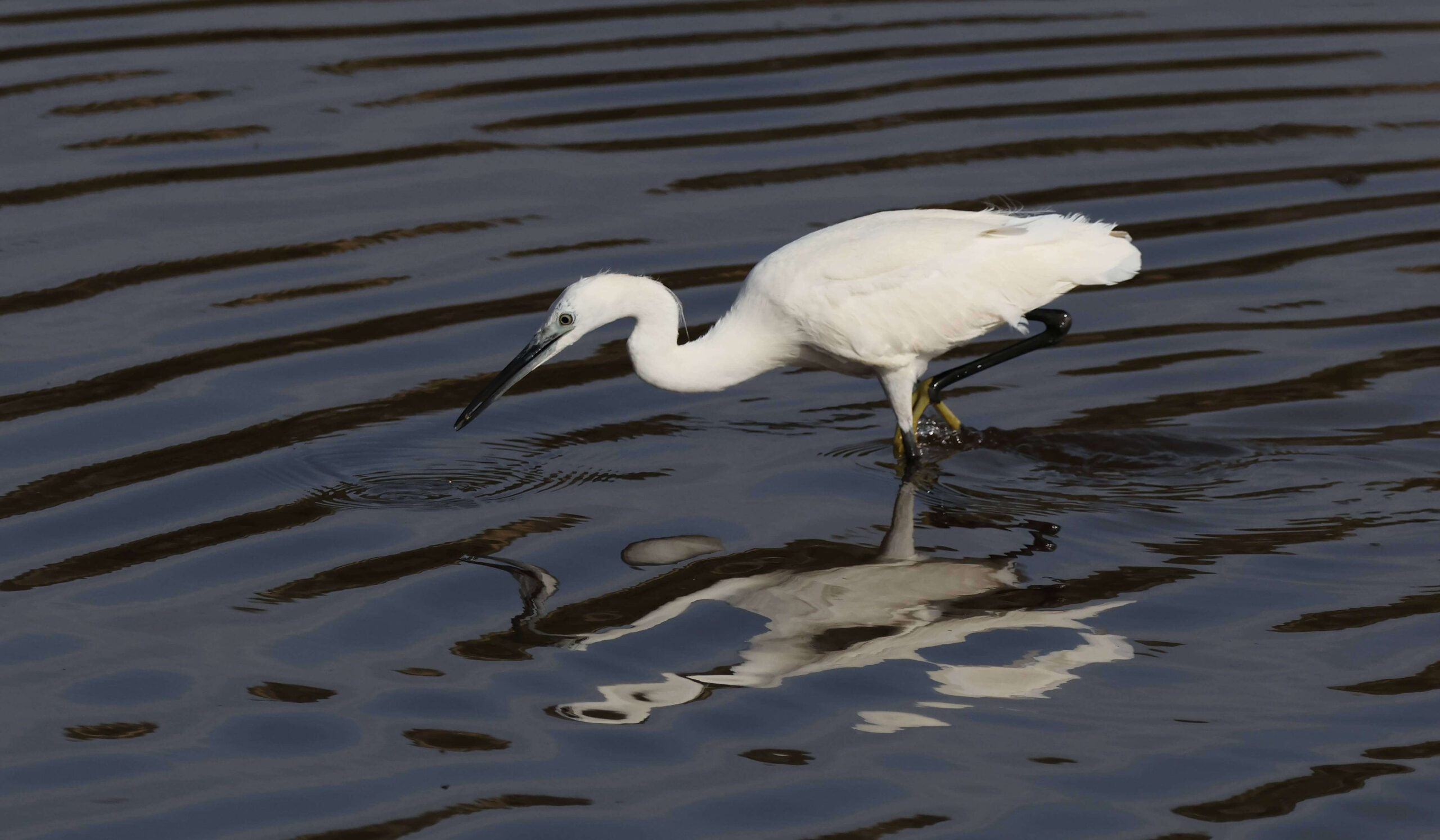
Little Egrets are active hunters. They often walk or run through shallow water, sometimes up to their belly, using their bright yellow feet to stir up fish and other prey before catching them with their sharp bill.
Their diet consists mainly of small fish, crustaceans, amphibians, aquatic insects and molluscs. They are known for their active hunting behaviour, using techniques such as foot-stirring to flush prey out of the mud or shallow water.
Little Egrets breed in colonies, often alongside other herons and egrets. They build nests in trees, shrubs or reedbeds close to wetlands. Females usually lay 3–5 eggs, and both parents help incubate the eggs and care for the chicks.
While still considered stable overall, the species is affected locally by the loss and drainage of wetlands, pollution and disturbance at important feeding and breeding sites. The Little Egret is classified as Least Concern on the IUCN Red List. In Malta, it is protected under national wildlife legislation, reflecting its importance within coastal ecosystems.
Threats
What can we do?
Threats
What can we do?
Threats
What can we do?
Experiences you may enjoy
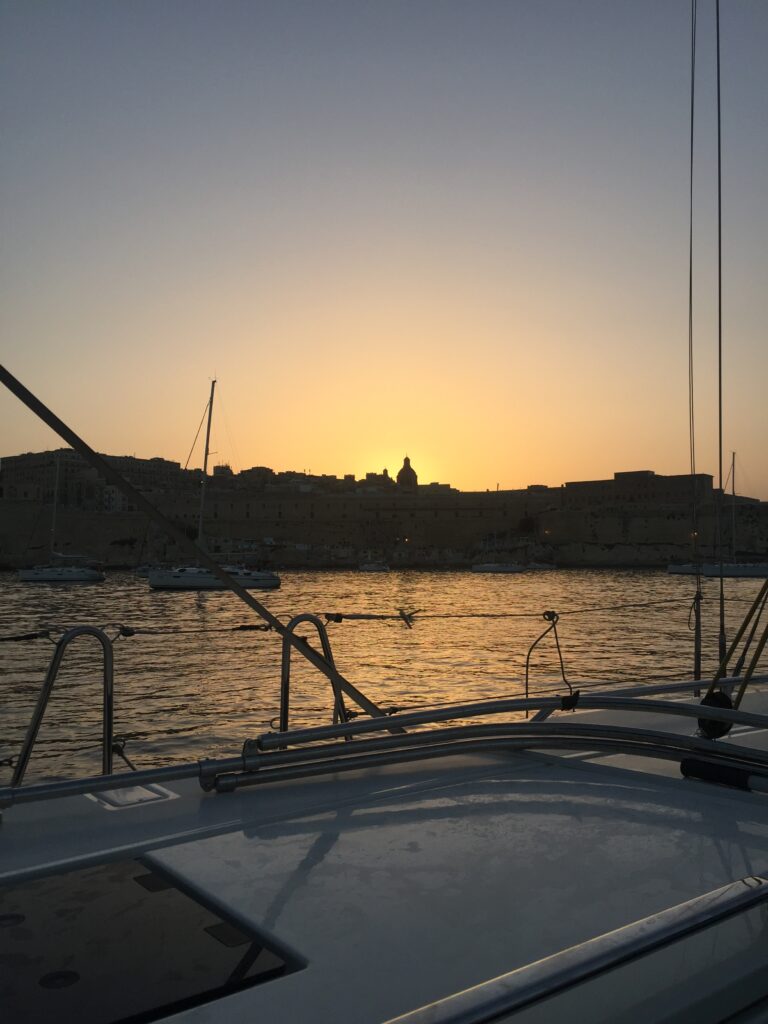
Private Sunset experience
Feel the soul of the sea, enjoy the extaordinary colors and landscapes of Maltese Islands during the loveliest hours of the day.
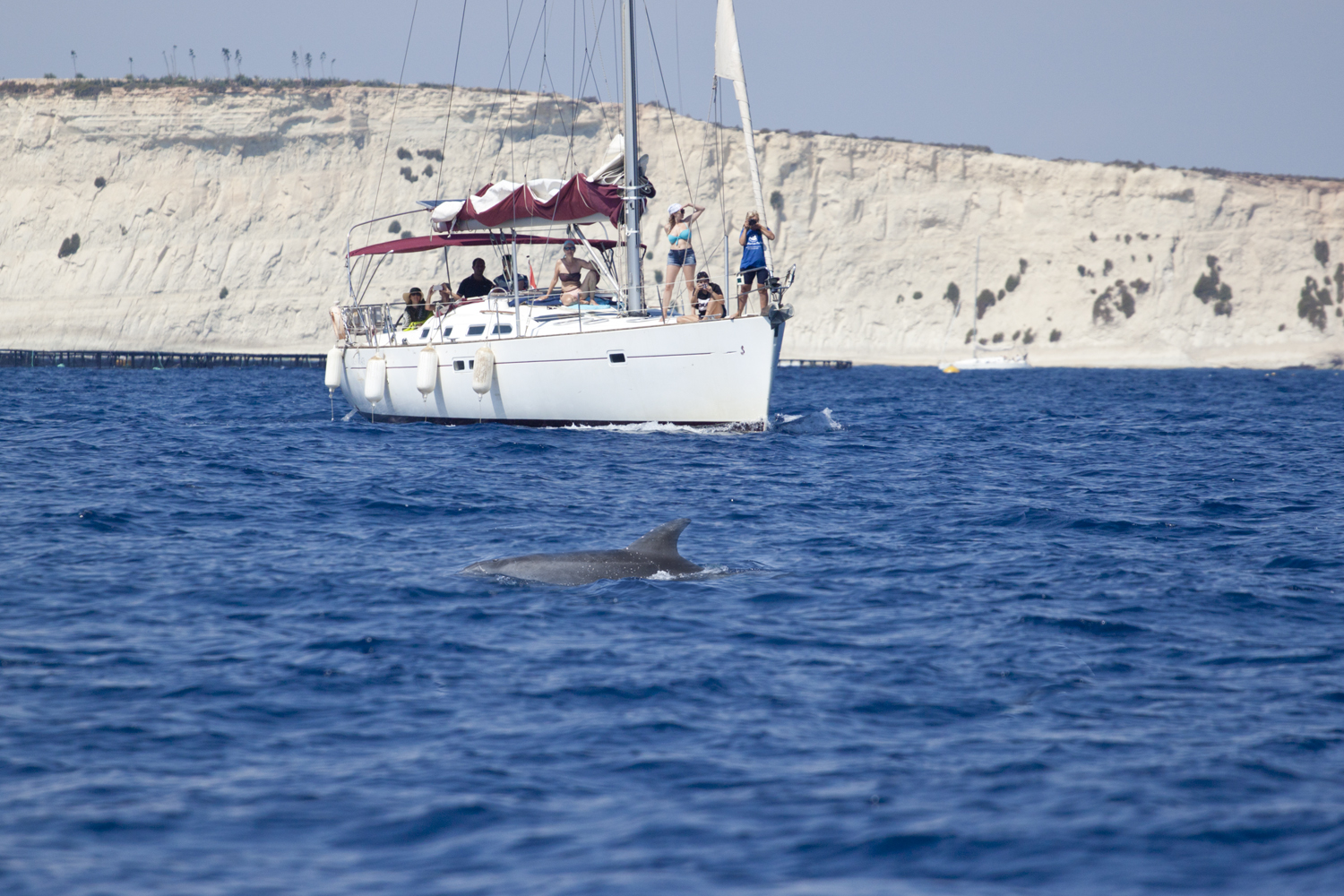
Private Marine life spotting
Enjoy a private marine life spotting experience with your loved ones. A day at sea to relax, reconnect, and discover Malta’s marine life.
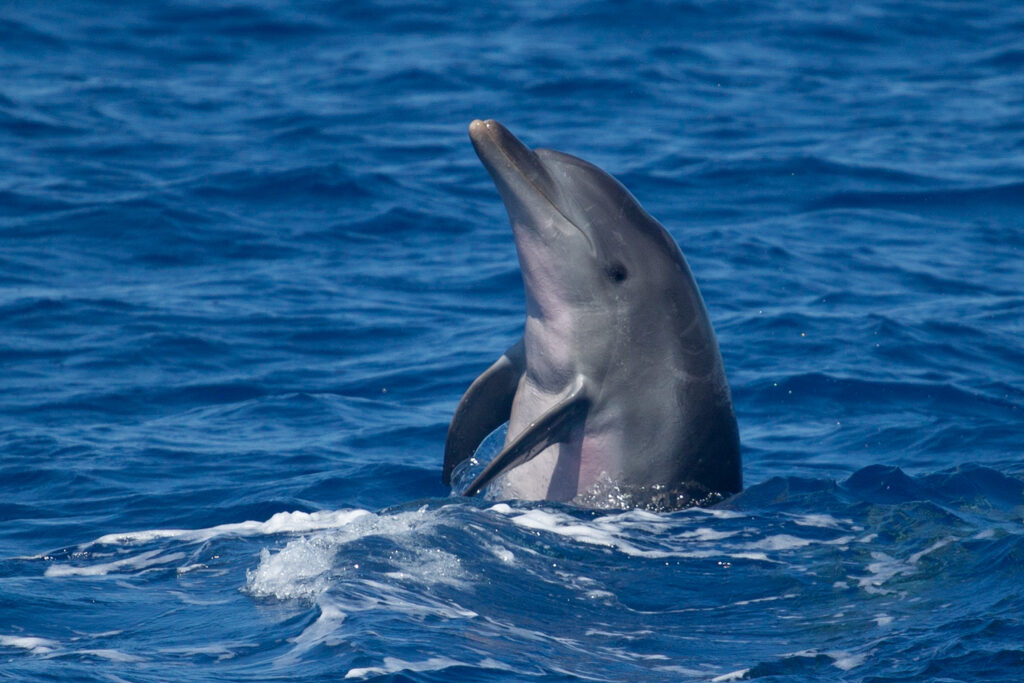
Shared Marine life spotting
Discover Malta’s marine environment on a shared boat tour with other guests. Enjoy a relaxing day at sea while spotting marine life along the way.