
Red mullet
Scientific name: Mullus barbatus
Suborder: Percoidei
Genus: Mullus
Family: Mullidae
Habitat: Sandy and muddy bottoms, seagrass meadows (Posidonia Oceanica), and coastal areas; typically from shallow waters down to ~150 m.
Maximum length in the Mediterranean: Usually up to 25–30 cm
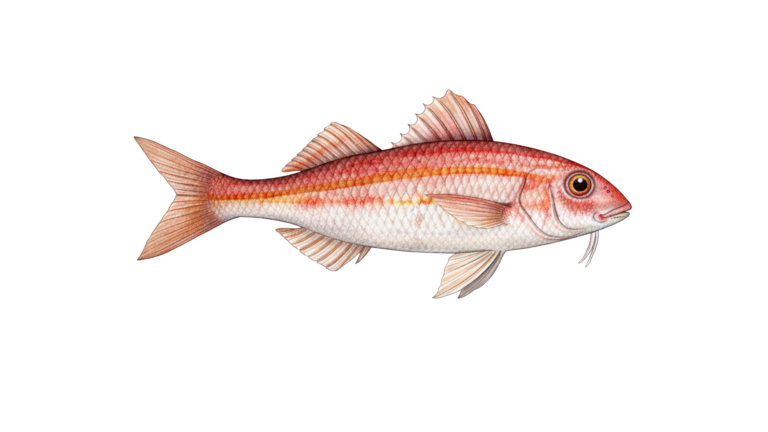
The red mullet has an elongated, slightly laterally compressed body and a short, truncated snout that appears almost vertical. Its colouration is typically pinkish-red, becoming more intense in freshly caught individuals. A distinctive feature of this species, and of the Mullus, is the presence of two sensory barbels located under the lower jaw. These barbels are rich in mechanoreceptors and chemoreceptors, allowing the fish to detect small invertebrates hidden in the sediment.
The red mullet feeds by actively probing sandy or muddy seabeds with its barbels, searching for worms, crustaceans, and other benthic organisms. During this feeding process, it disturbs and aerates the surface sediment, which can contribute to oxygenation of the seabed and nutrient cycling in coastal ecosystems. The species is typically observed living in small groups or scattered individuals over soft-bottom habitats along the continental shelf.
The red mullet is highly valued in Mediterranean fisheries, particularly in artisanal and trawl fisheries, and has long been appreciated in traditional Mediterranean cuisine. Its white, delicate, and aromatic flesh makes it one of the most prized coastal fish species in the region.
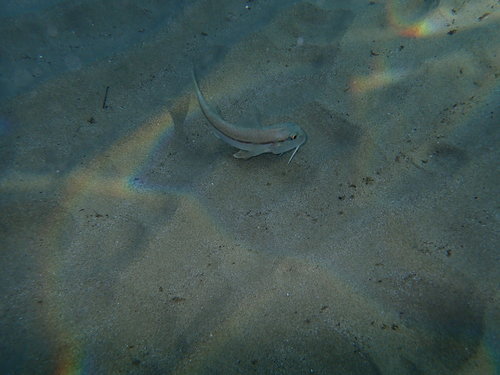
In Mediterranean coastal waters, the red mullet faces several pressures largely linked to human activities. Due to its high commercial value, it is heavily targeted by both small-scale and industrial fisheries, especially bottom trawling, which can significantly impact populations. Bottom trawling can also damage benthic habitats and disturb the soft sediments where the species feeds. Additionally, coastal pollution, plastic debris, and chemical contaminants may affect the health of individuals living close to shore. Habitat degradation, particularly the alteration of seabed environments caused by coastal development and sediment disturbance, may further reduce suitable feeding grounds. Climate change, including warming waters and changes in ecosystem productivity, could also influence the species’ distribution and the availability of benthic prey.
Historically, the red mullet was considered a luxury delicacy in ancient Rome. Classical authors such as Pliny the Elder described it as a highly prized fish served at banquets and reserved for the wealthiest members of Roman society.
Threats
What can we do?
Threats
What can we do?
Threats
What can we do?
Experiences you may enjoy
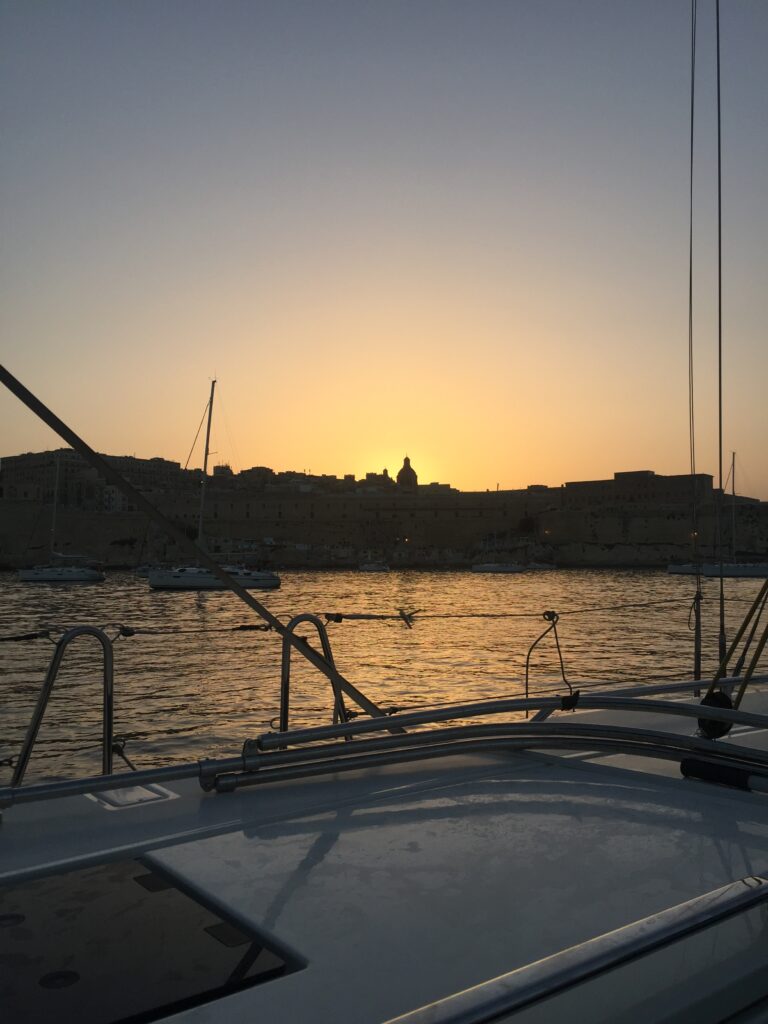
Private Sunset experience
Feel the soul of the sea, enjoy the extaordinary colors and landscapes of Maltese Islands during the loveliest hours of the day.
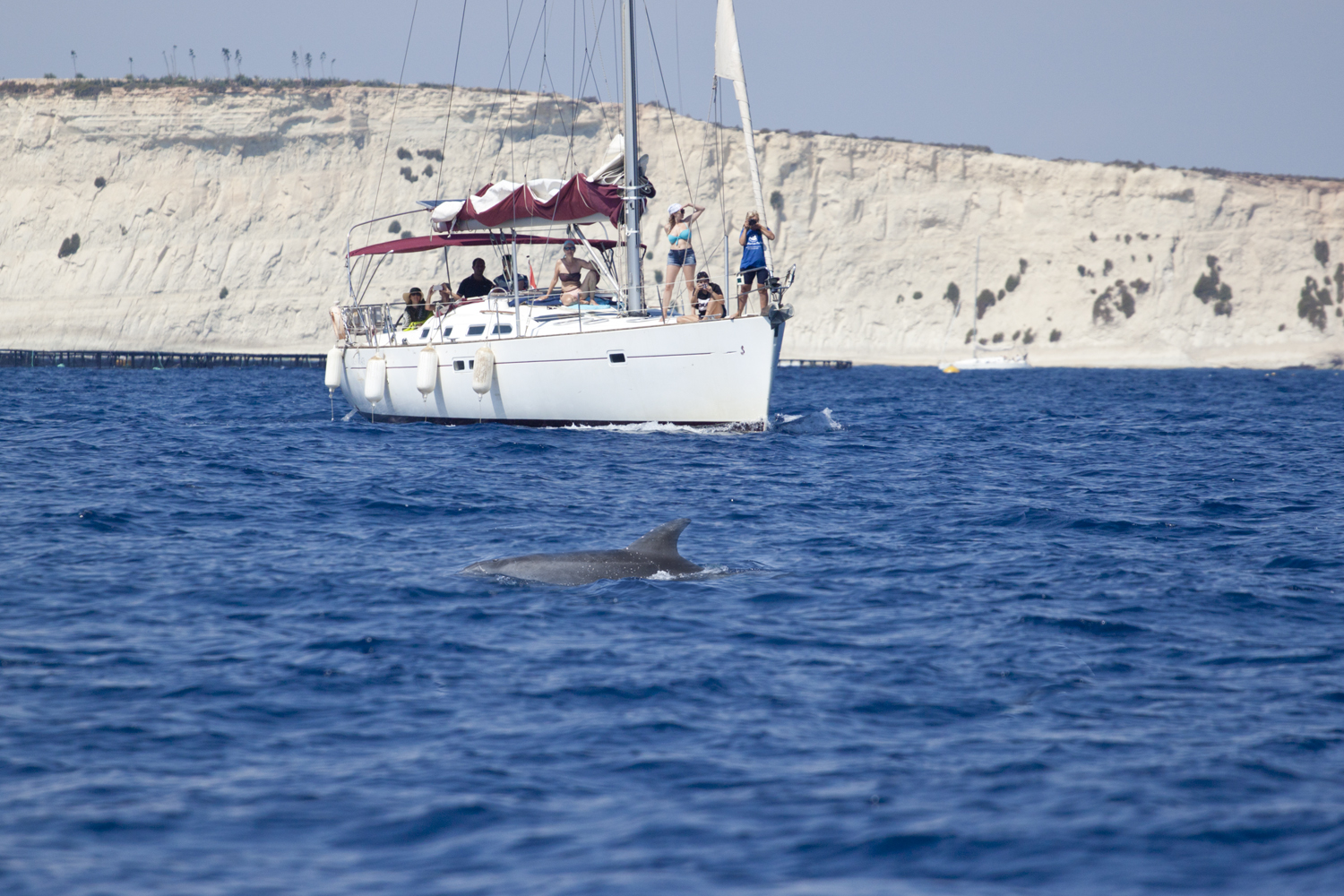
Private Marine life spotting
Enjoy a private marine life spotting experience with your loved ones. A day at sea to relax, reconnect, and discover Malta’s marine life.
Shared Marine life spotting
Discover Malta’s marine environment on a shared boat tour with other guests. Enjoy a relaxing day at sea while spotting marine life along the way.