
Small-spotted catshark and Nursehound
Scientific names: Scyliorhinus canicula and Scyliorhinus stellaris
Suborder: Selachii
Genus: Scyliorhinus canicula
Family: Scyliorhinidae
Habitat: Shallow to moderate depths in temperate and subtropical waters, 10 to 400 m depth
Average weight: 1.8 kg
Max lenght: 1.6 m
Alongside the larger shark species, the Mediterranean Sea is home to a diverse range of smaller sharks that contribute significantly to its rich biodiversity. The most commonly encountered species are the small-spotted catshark (Scyliorhinus canicula) and the nursehound (Scyliorhinus stellaris). In Malta, both species are frequently caught and sold at fish markets under the local name “Mazzola”.
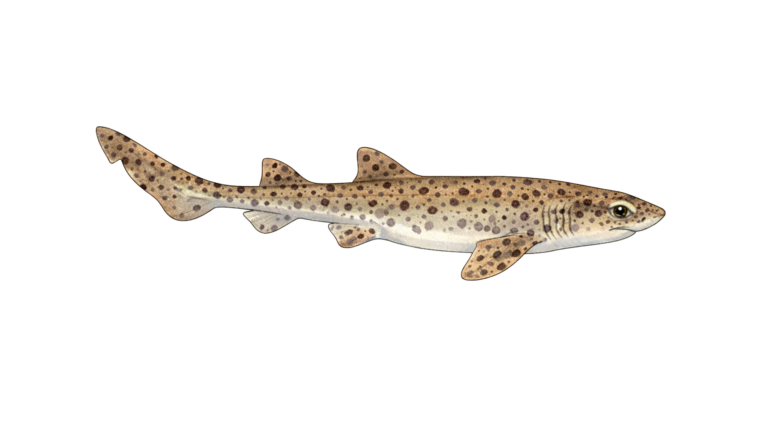
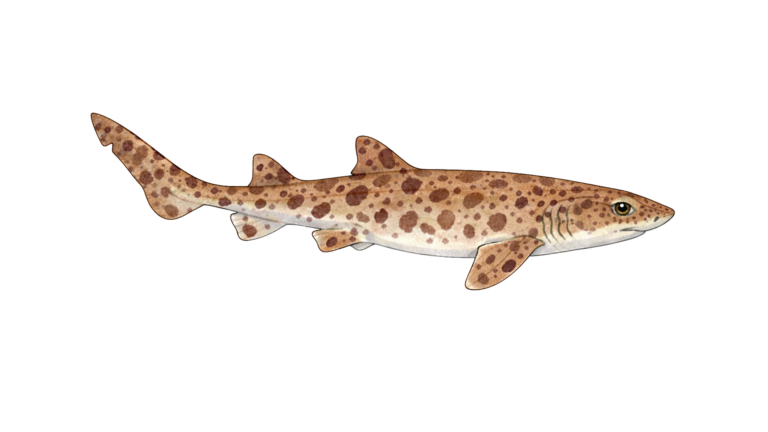
These small sharks typically inhabit deep, cold waters close to the seabed and are rarely seen near the shore, except during reproduction. Due to their small size and benthic lifestyle, they are easily and often unintentionally caught in fishing gear. Adult nursehounds can reach up to 1.6m in length, but are typically about 1.2m long. The small spotted catshark is a smaller species, reaching up to one meter in length.
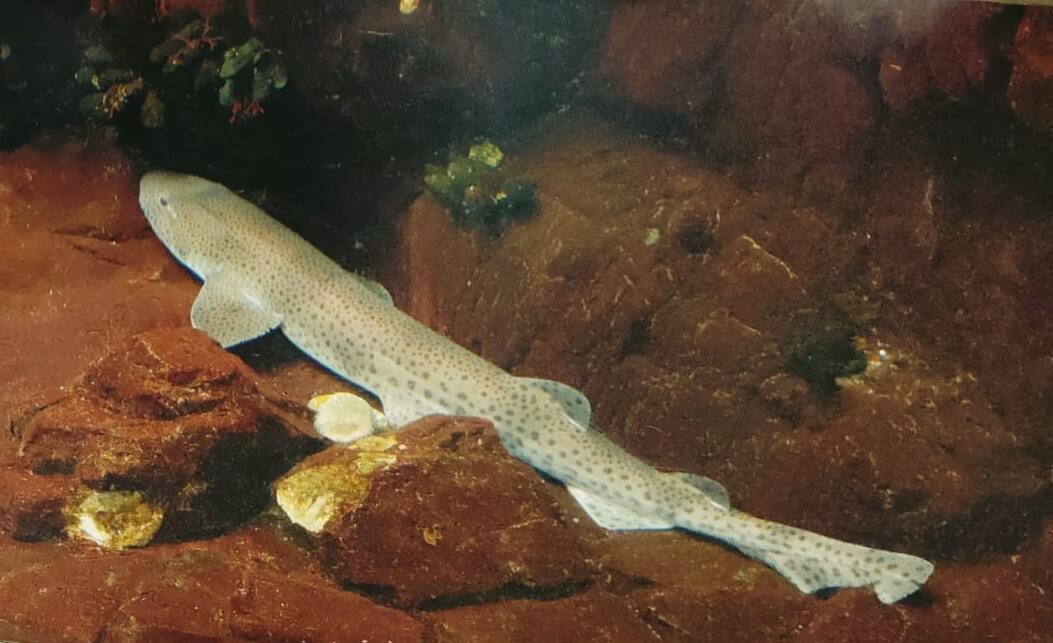
Both species are oviparous, meaning they reproduce by laying eggs. Females produce leathery, yellowish-brown egg cases—usually in pairs—commonly referred to as “mermaid’s purses”. These egg cases have curly tendrils that allow the female to securely attach them to seaweed or other structures on the seabed. Within the egg case, the developing shark feeds on the yolk until it is fully absorbed, a process that takes approximately six to eight months. Once development is complete, the juvenile is strong enough to hatch and swim away independently. Because this reproductive process occurs externally to the female’s body, it provides a unique opportunity for conservation intervention. This is what enables Sharklab Malta, a local NGO dedicated to the conservation of sharks and rays, to rescue and successfully rear tens of sharks each year from egg cases recovered at fish markets.
The small-spotted catshark and the nursehound face similar threats in the Mediterranean Sea. Both are highly susceptible to bycatch in commercial fishing gear, ingestion of plastic litter due to their benthic behaviour, habitat degradation, and the impacts of ocean warming and acidification, which can reduce embryonic growth and survival rates. Additionally, targeted fishing in certain regions further pressures their populations.
Small spotted catshark
Nursehound shark
Threats
What can we do?
Threats
What can we do?
Threats
What can we do?
Experiences you may enjoy
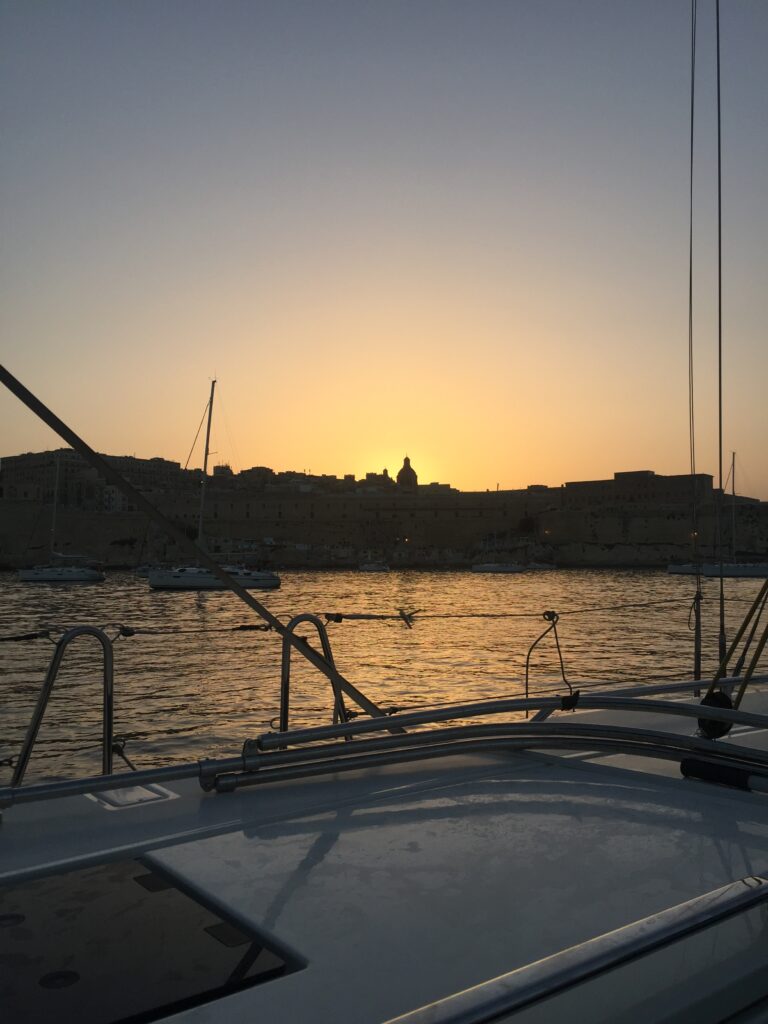
Private Sunset experience
Feel the soul of the sea, enjoy the extaordinary colors and landscapes of Maltese Islands during the loveliest hours of the day.
Private Marine life spotting
Enjoy a private marine life spotting experience with your loved ones. A day at sea to relax, reconnect, and discover Malta’s marine life.
Shared Marine life spotting
Discover Malta’s marine environment on a shared boat tour with other guests. Enjoy a relaxing day at sea while spotting marine life along the way.