
Striped dolphin
Scientific name: Stenella coeruleoalba
Suborder: Odontoceti
Genus: Stenella
Family: Delphinidae
Habitat: Pelagic zone
Average weight: 120kg
Max length: 2.4m
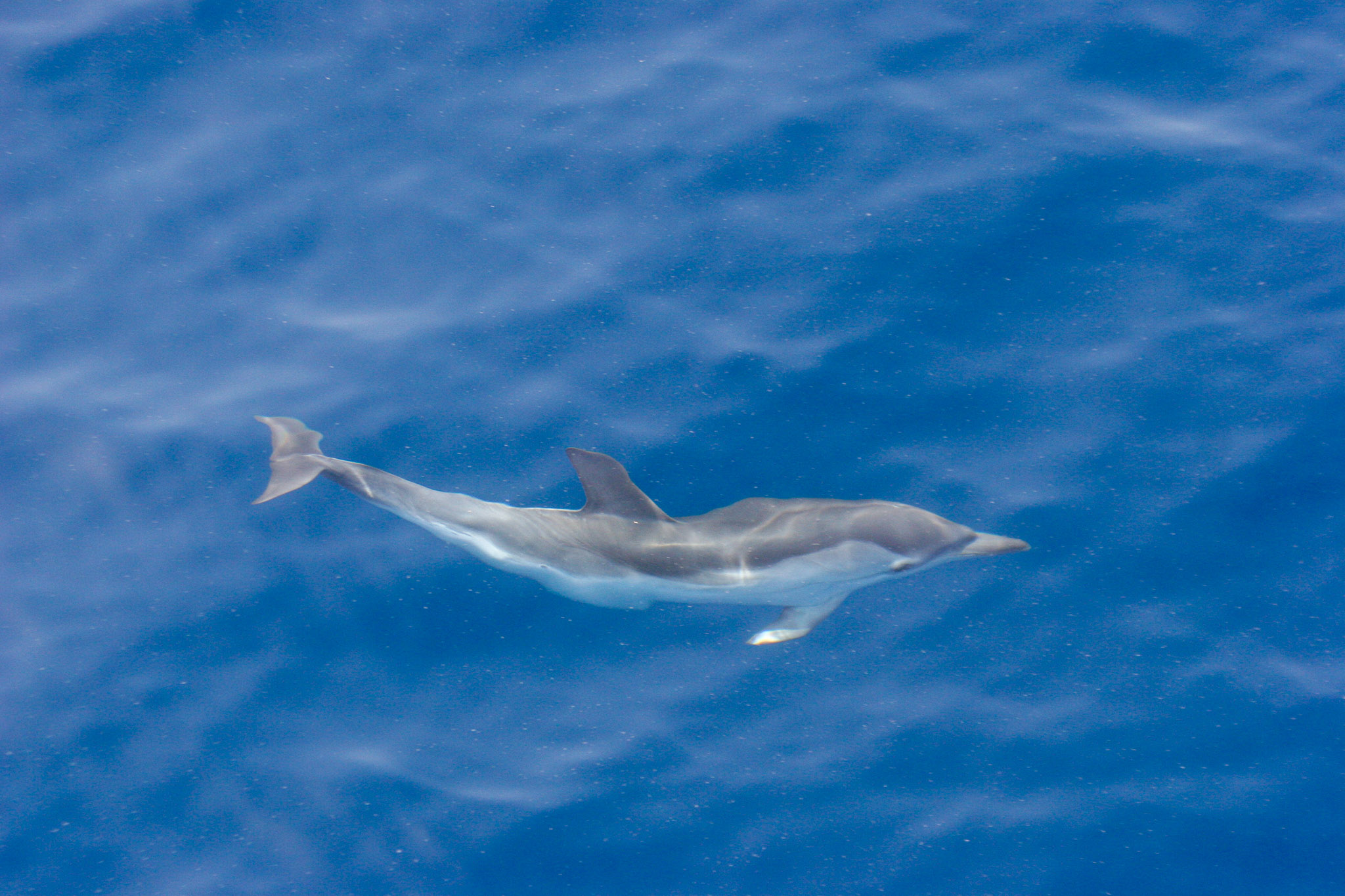
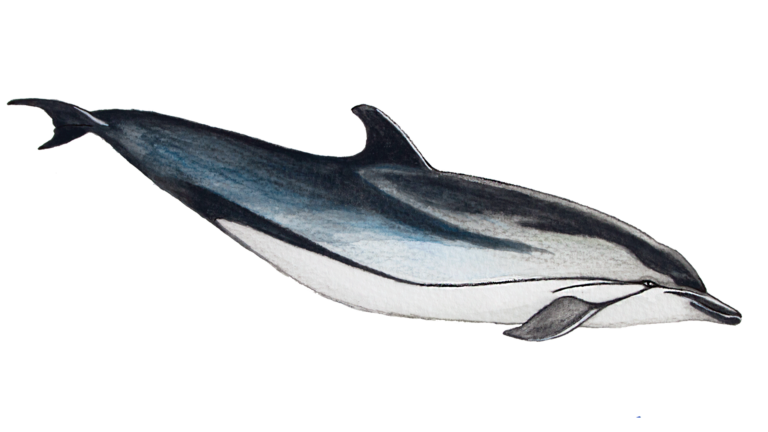
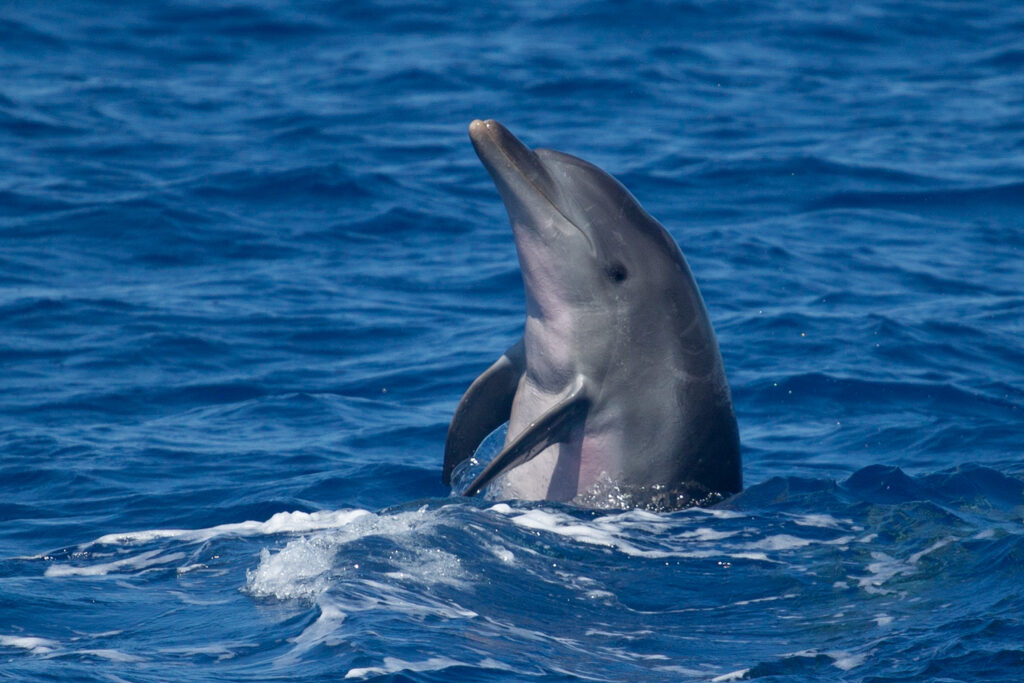
The striped dolphin is the most abundant dolphin species in the Mediterranean Sea. It is a small, streamlined oceanic dolphin, named for its distinctive striped appearance. The rostrum (beak), melon (head), and back are dark grey in colour, and a prominent dark stripe runs from the beak, through the eye, and along the side of the body toward the anus.
The lower part of the body, just above this stripe, is typically pale grey or white and extends toward the base of the dorsal fin, creating a pattern that resembles a brushstroke. The underside is white or pinkish in colour.
The diet of the striped dolphin consists mainly of small fish, squid, and some crustaceans. It is an opportunistic feeder and can search for prey throughout different parts of the water column. When necessary, striped dolphins are capable of diving to depths of between 200 and 700 metres in search of food.
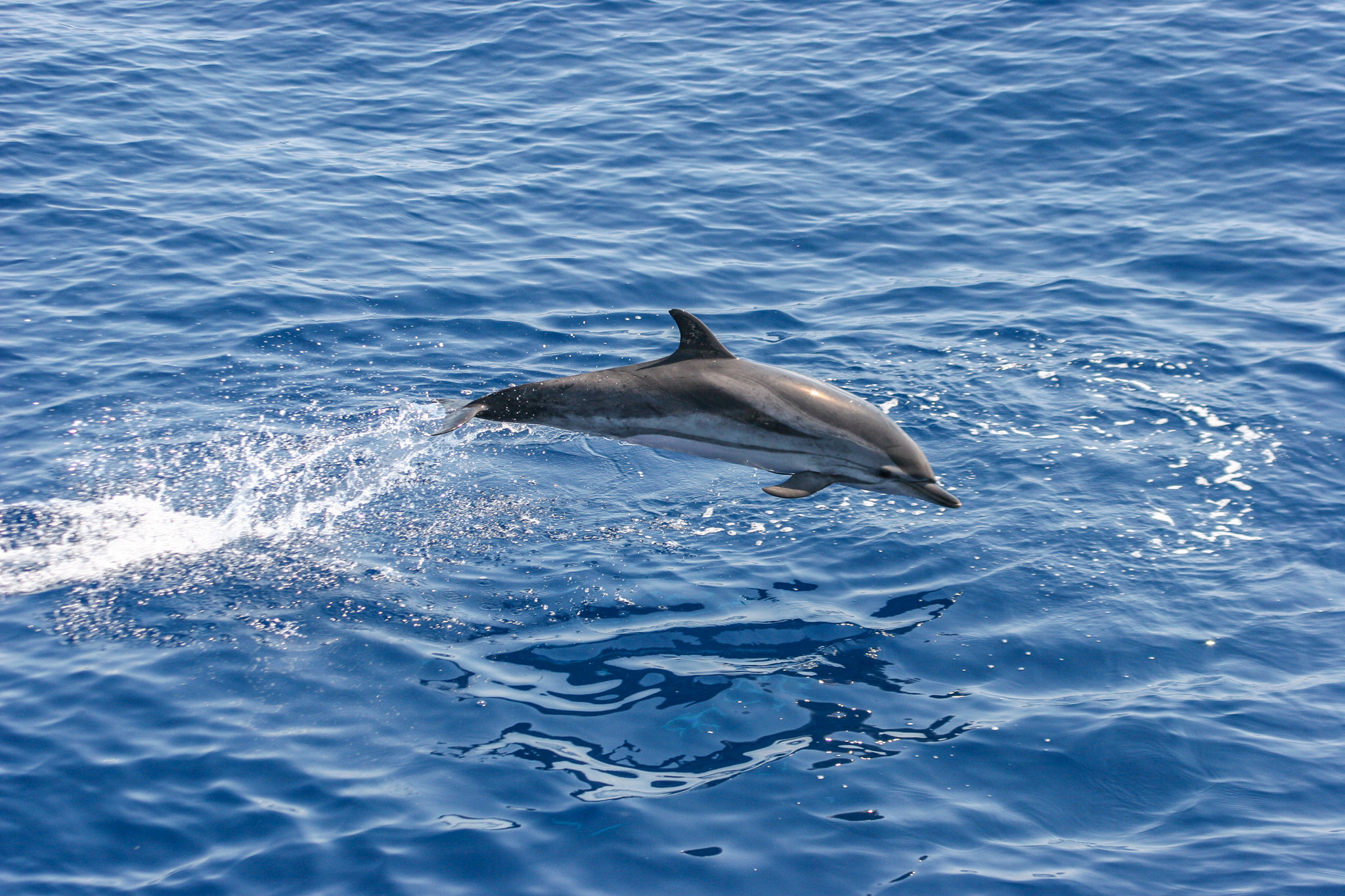
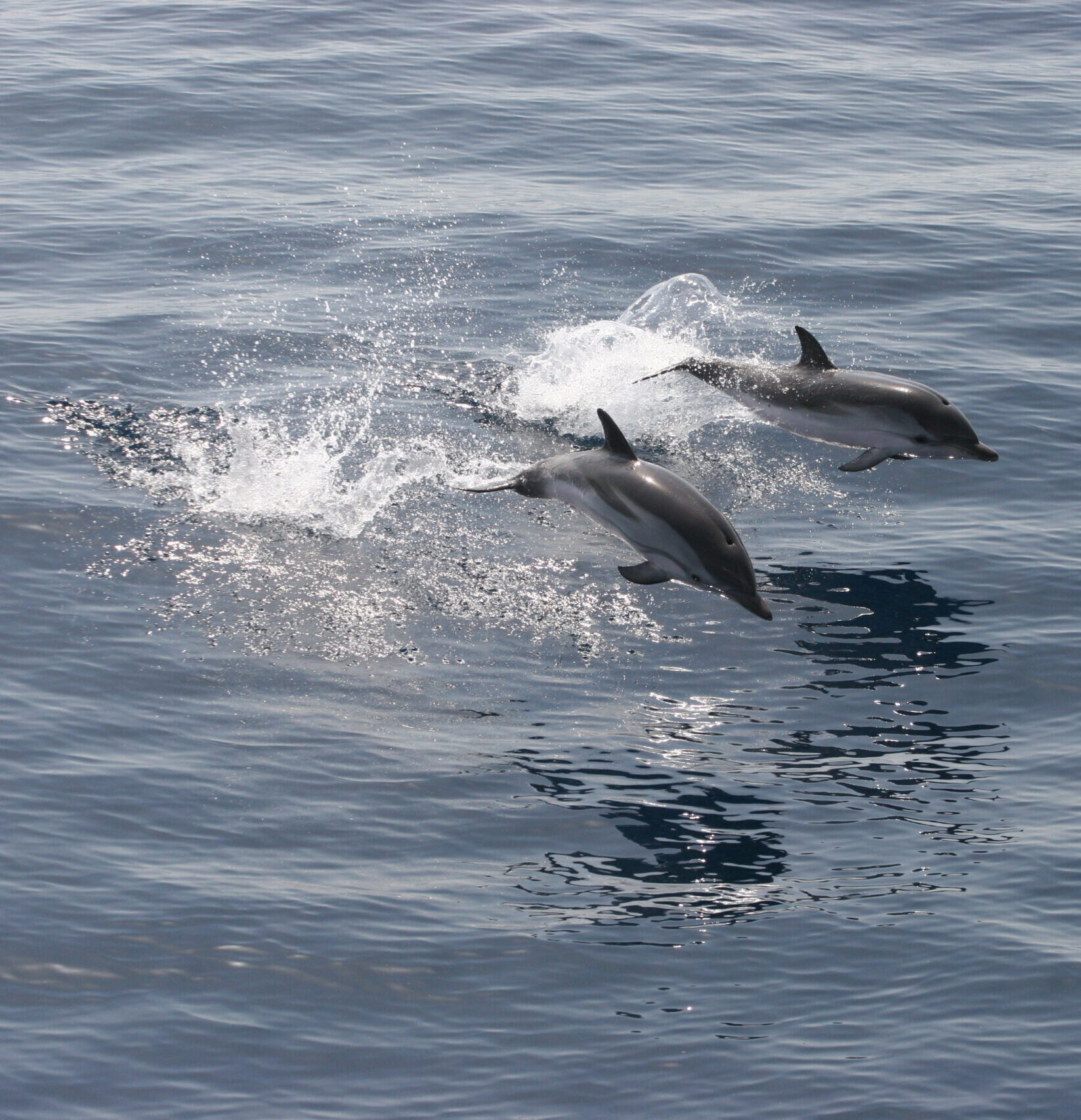
Striped dolphins are very active, extremely agile, and energetic animals, frequently breaching high out of the water, sometimes reaching heights of up to 7 metres.
A distinctive behaviour observed in this species is known as “roto-tailing”, which involves a high, arcing leap during which the dolphin vigorously whips its tail in a circular motion before re-entering the water.
Striped dolphins typically travel in groups ranging from around 10 to 100 individuals and are socially organised according to age, sex, and reproductive status. They reach sexual maturity between the ages of 5 and 15 years, with females generally maturing earlier than males.
In the Mediterranean Sea, the peak mating season usually occurs in autumn, although this can vary depending on the region. After a gestation period of 12 to 13 months, females give birth to a single calf, typically once every three years.
Like many other dolphin species, striped dolphins face several threats. Entanglement in fishing gear, accidental capture as bycatch, and direct hunting for their meat are among the most significant pressures on their populations. Additional threats include overfishing, which reduces the availability of prey, as well as habitat contamination and noise pollution.
Threats
What can we do?
Threats
What can we do?
Threats
What can we do?
Experiences you may enjoy
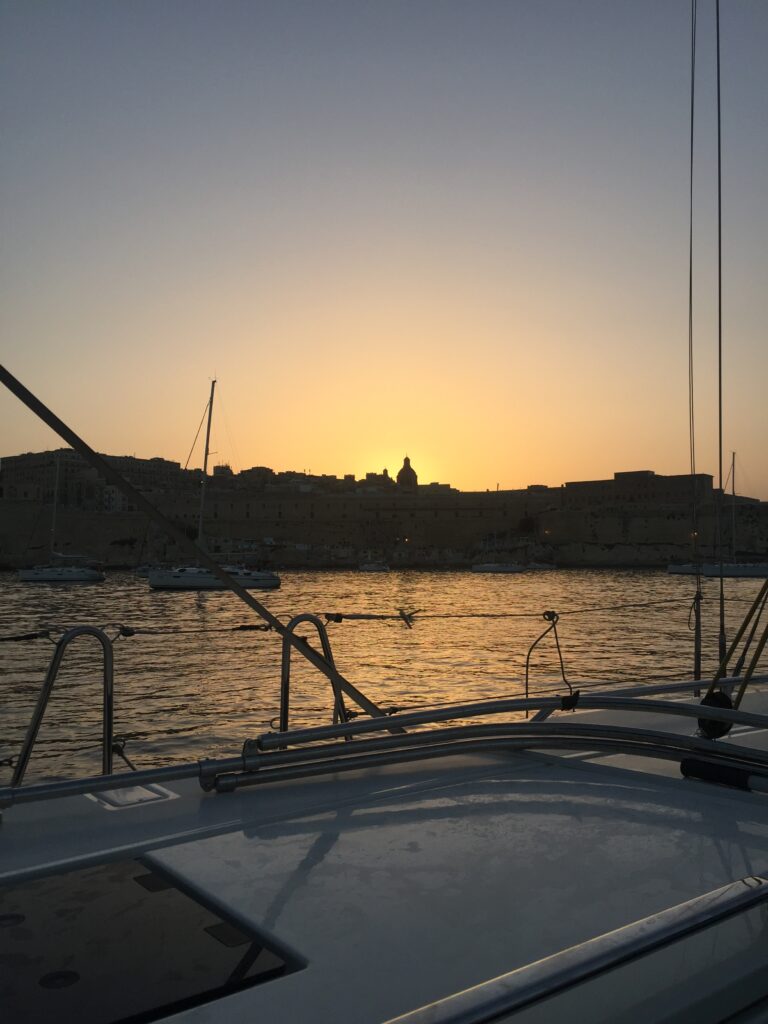
Private Sunset experience
Feel the soul of the sea, enjoy the extaordinary colors and landscapes of Maltese Islands during the loveliest hours of the day.
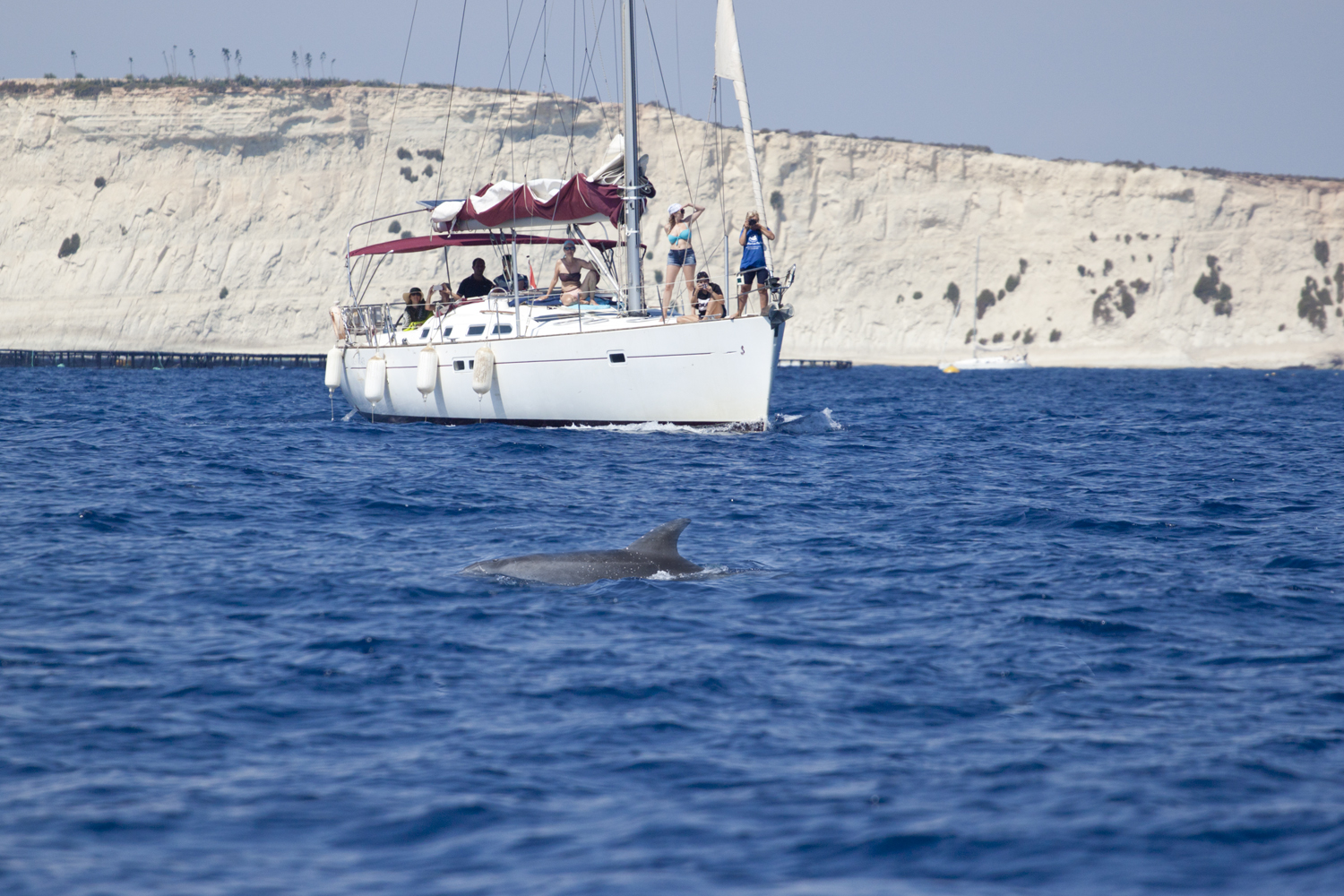
Private Marine life spotting
Enjoy a private marine life spotting experience with your loved ones. A day at sea to relax, reconnect, and discover Malta’s marine life.
Shared Marine life spotting
Discover Malta’s marine environment on a shared boat tour with other guests. Enjoy a relaxing day at sea while spotting marine life along the way.