
White shark
Scientific name: Carcharodon carcharias
Suborder: Lamniformes
Genus: Carcharodon
Family: Lamnidae
Habitat: Deep waters in temperate and subtropical waters, and near shore coastal waters
Average weight: >1000 kg
Max length: 6.4 m
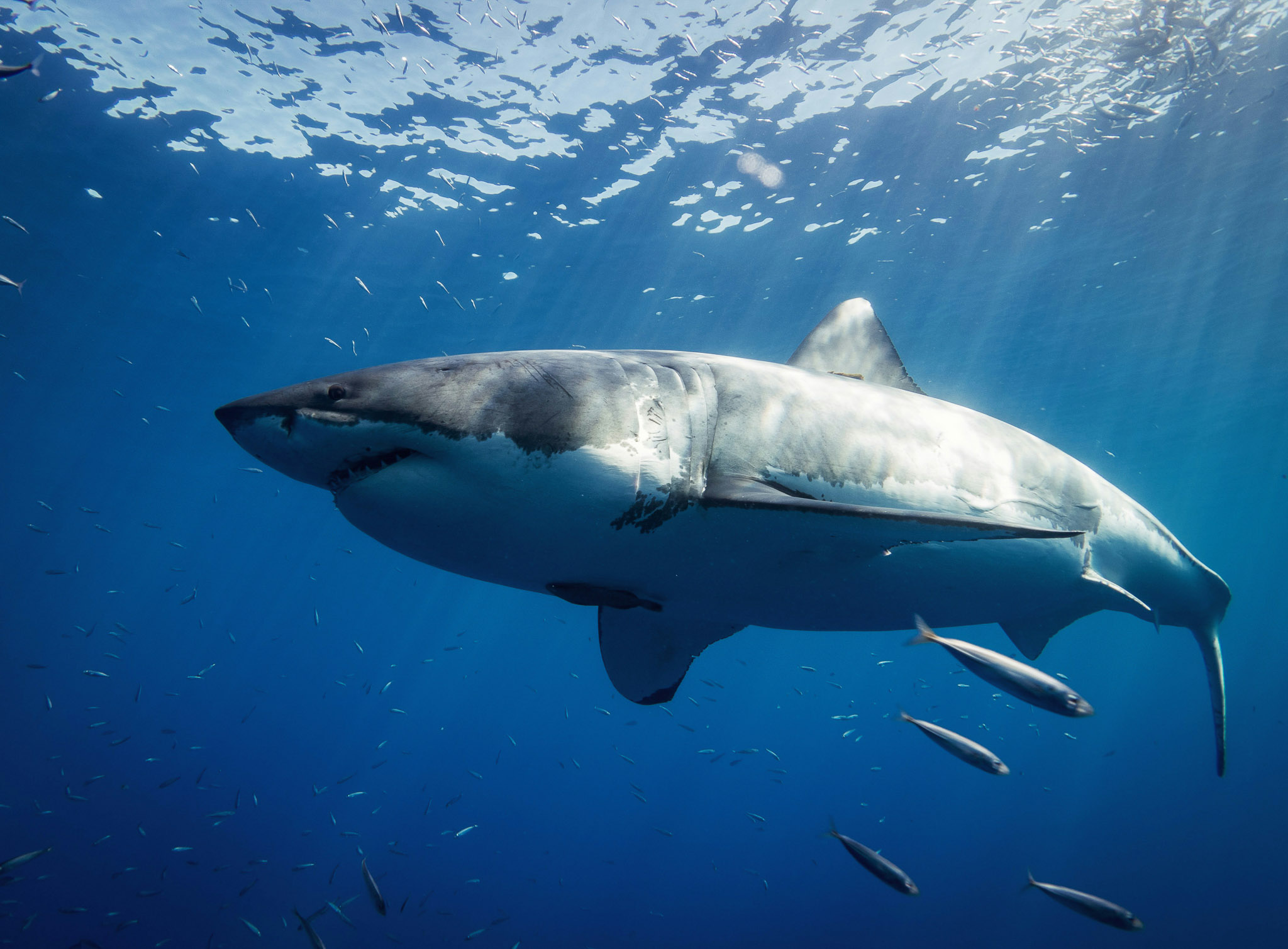
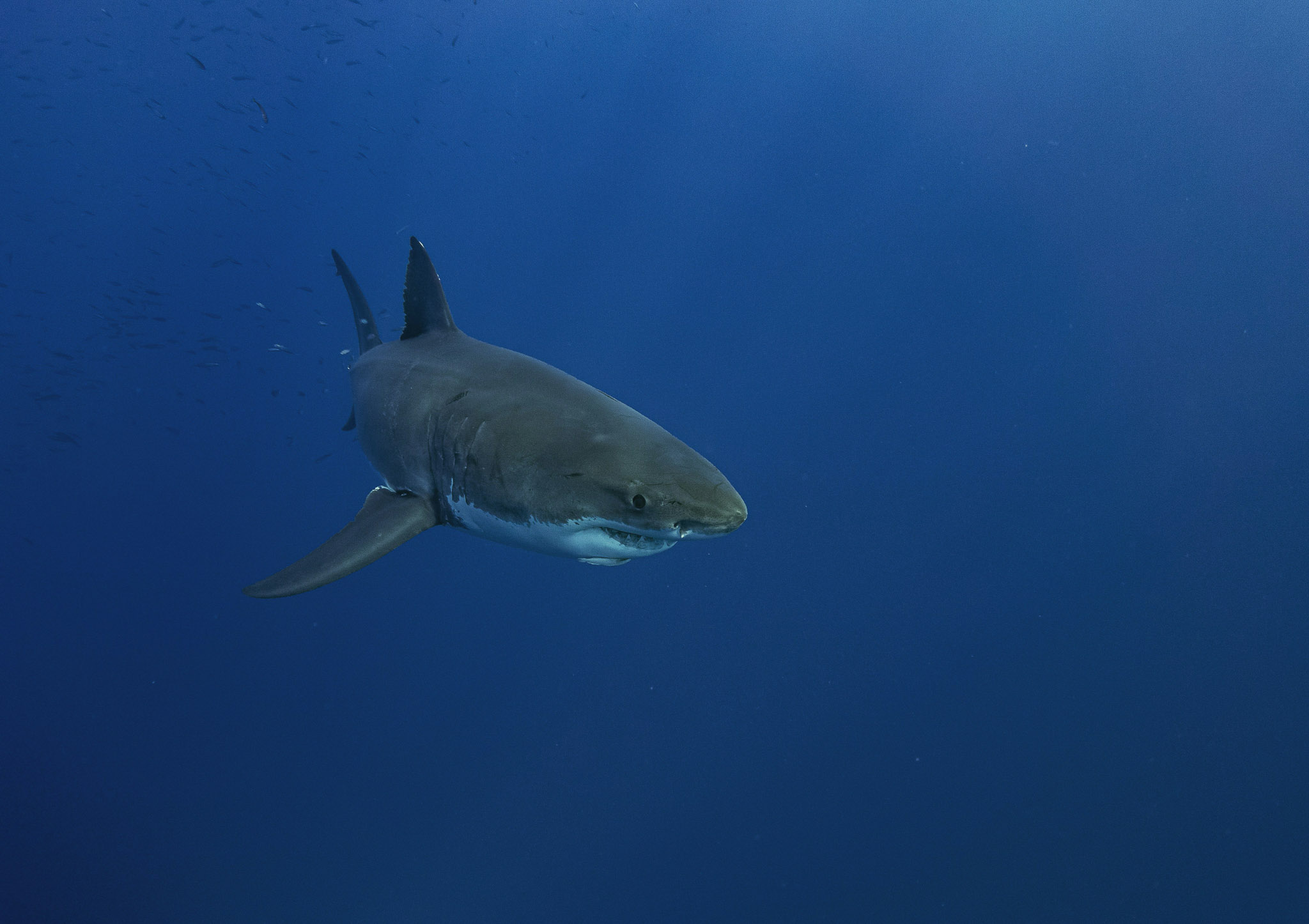
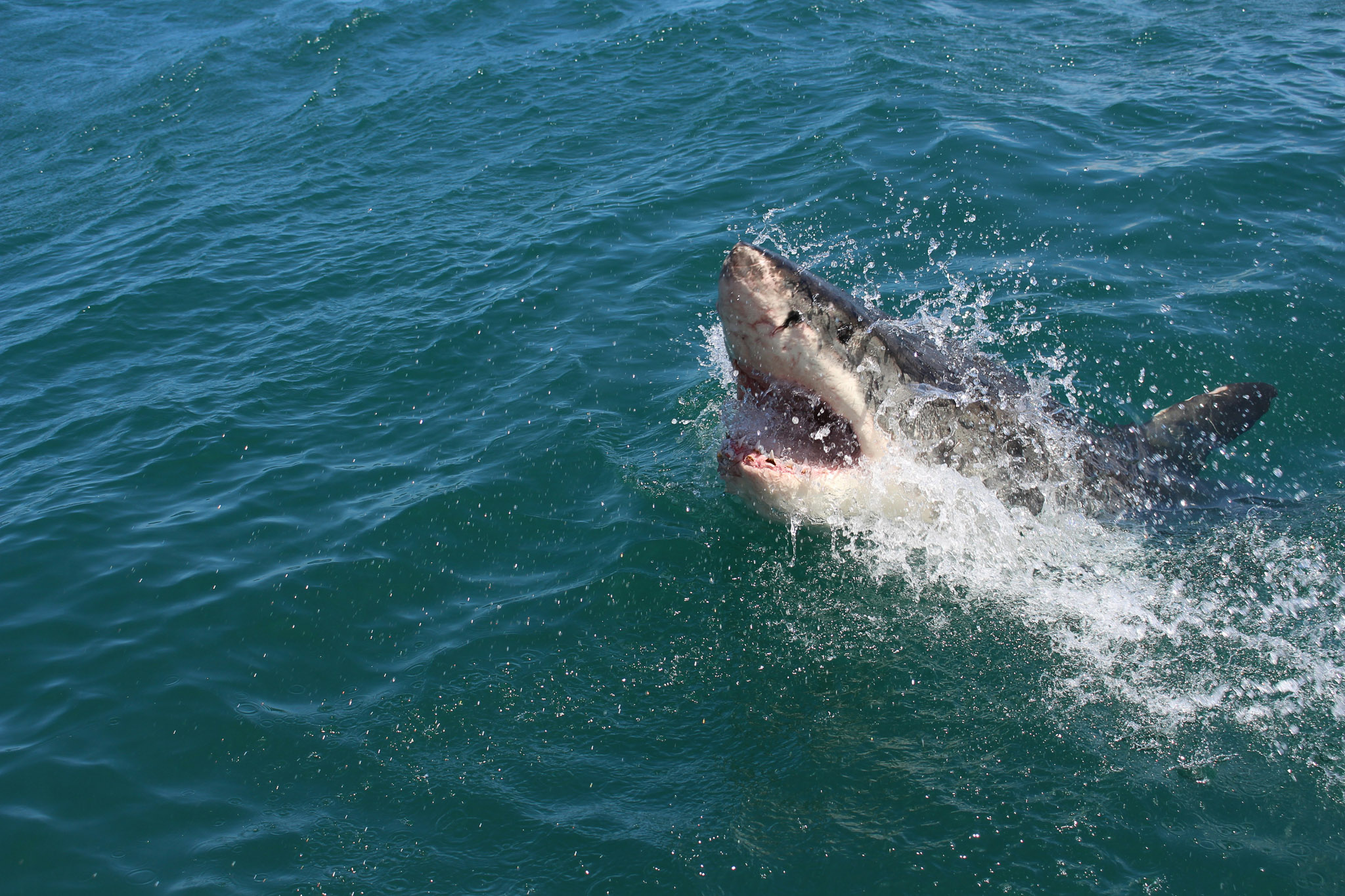
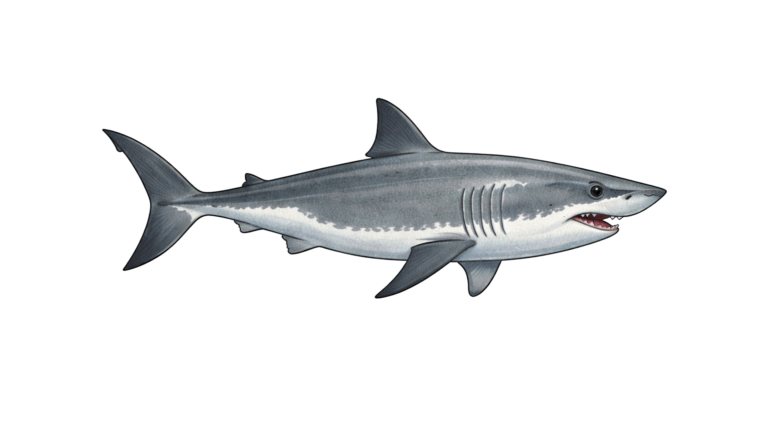
The white shark, commonly known as the great white shark, is a large predatory species found in temperate and subtropical oceans worldwide. It is characterised by a white underside and a grey to brownish dorsal surface. The species is one of the most well-known sharks, largely due to its occurrence in nearshore habitats and its portrayal in films and documentaries, most notably the 1975 film Jaws. Despite its fearsome depiction, the white shark plays a crucial ecological role as an apex predator, helping to regulate prey populations and remove sick or weakened individuals from marine ecosystems.
Although widely feared, white sharks face far greater threats from human activities than humans do from white sharks. These animals have very low biological productivity due to late sexual maturity, long gestation periods, and low reproductive rates, and they can live for 30 to 70 years. Male white sharks may take up to 26 years to reach sexual maturity, while females may take up to 33 years. These life-history characteristics make the species particularly vulnerable to anthropogenic pressures. Despite this vulnerability, the white shark is among the most globally protected shark species.
The threats faced by white sharks are similar to those affecting many other shark species. However, within the Mediterranean Sea, illegal fishing represents the most significant threat to their decline. Although the species, along with more than 20 other shark species, is internationally protected in the Mediterranean, white sharks continue to be caught and sold illegally in some North African countries. Recent research has warned that the species may face extinction if overfishing and illegal fishing persist. Consequently, despite ongoing conservation efforts, the white shark remains classified as Critically Endangered on the IUCN Red List of Threatened Species.
The Sicilian channel, which is the area between Sicily, Malta, Tunisia and Western Libya, has been documented as being a reproductive nursery for pregnant female white sharks and the young-of-the-year (infant) sharks.
In 1987, prior to the species’ protection, one of the largest white sharks ever recorded was caught by a Maltese fisherman, Alfredo Cutajar, off the coast of Filfla, one of Malta’s uninhabited islands. This female shark measured over 6.6 m in length and weighed more than three tonnes. The capture is historically regarded as one of the most legendary shark catches in the Mediterranean.
Threats
What can we do?
Threats
What can we do?
Experiences you may enjoy

Private Sunset experience
Feel the soul of the sea, enjoy the extaordinary colors and landscapes of Maltese Islands during the loveliest hours of the day.
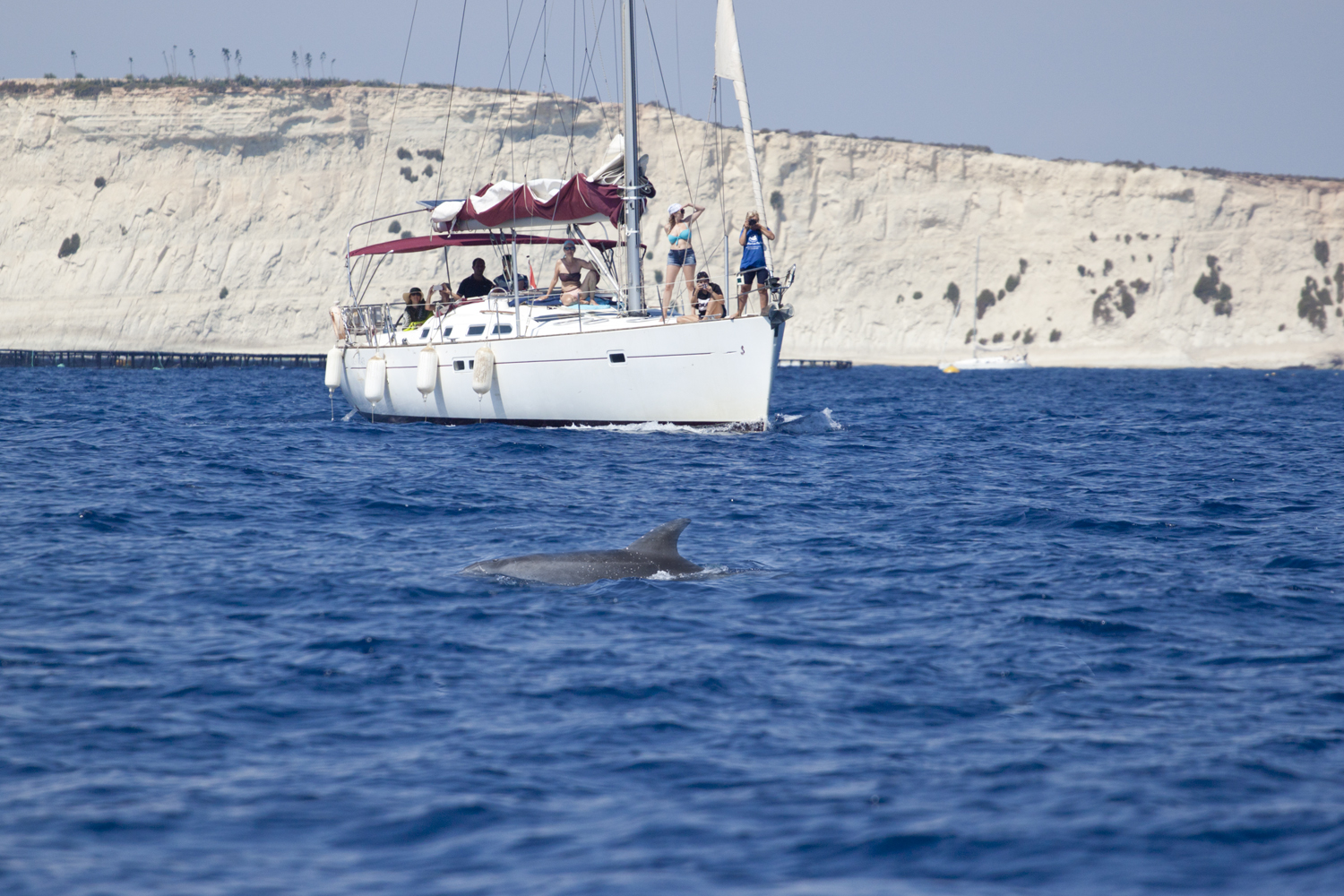
Private Marine life spotting
Enjoy a private marine life spotting experience with your loved ones. A day at sea to relax, reconnect, and discover Malta’s marine life.
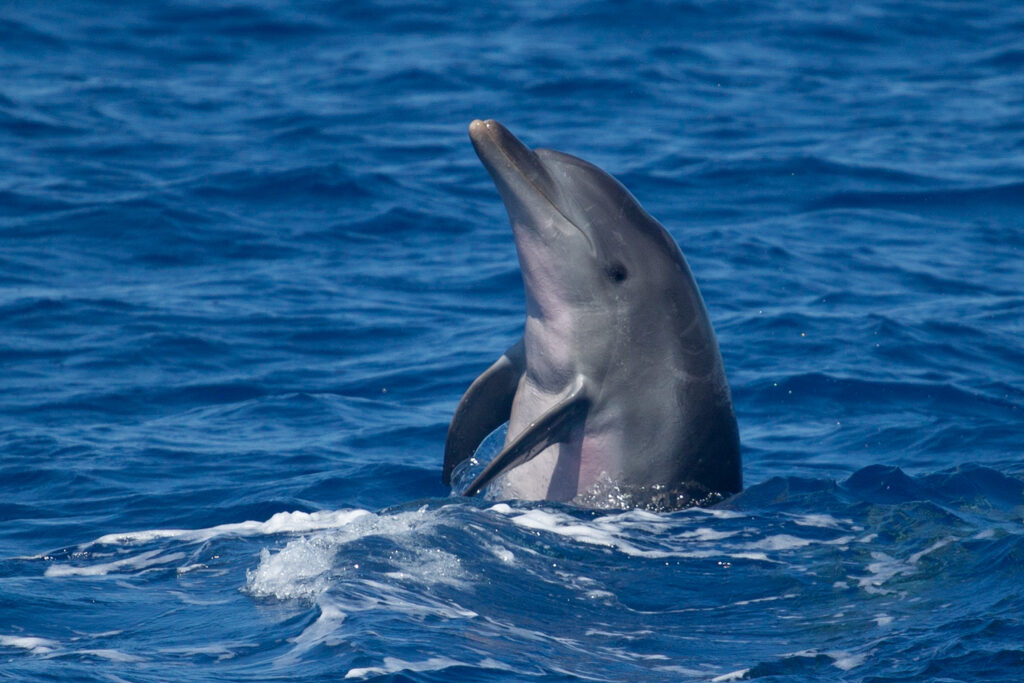
Shared Marine life spotting
Discover Malta’s marine environment on a shared boat tour with other guests. Enjoy a relaxing day at sea while spotting marine life along the way.