
Yelkouan Shearwater
Scientific name: Puffinus yelkouan
Order: Procellariiformes
Genus: Puffinus
Family: Procellariidae
Habitat: Coastal cliffs, rocky islets and offshore islands across the Mediterranean and Black Sea
Maximum wingspan: 70 – 84 cm
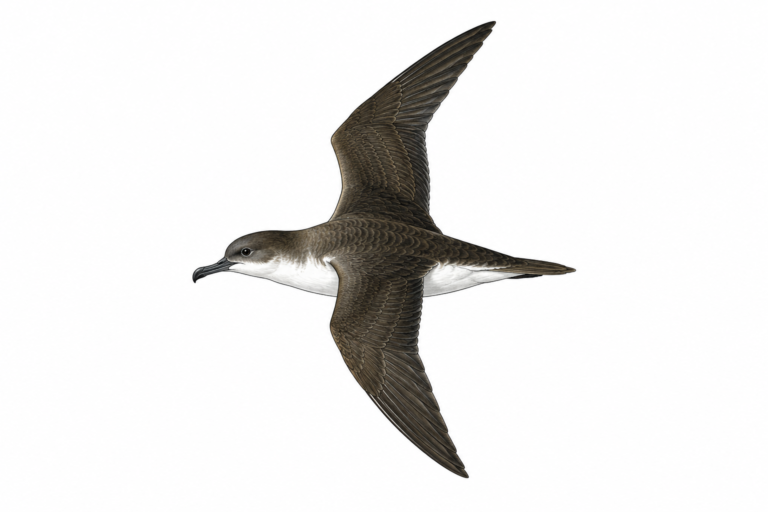
The Yelkouan Shearwater is a medium-sized seabird with a streamlined body, long, narrow wings, dark upperparts and white underparts. It has a slender black bill with a hooked tip and webbed feet. There is no visible difference between males and females. It flies low over the sea with rapid wingbeats alternating with glides and is most often seen offshore. Before returning to their breeding colonies at night, these birds gather in large groups known as “rafts”.
The species is found throughout the Mediterranean and the Black Sea. It breeds on coastal cliffs, rocky islets and offshore islands in several Mediterranean countries, including Croatia, France, Greece, Italy, Malta and Tunisia. After the breeding season, a large proportion of the population migrates to the Black Sea.
Malta is particularly important for the conservation of this species, hosting up to 9% of the global breeding population, with an estimated 2,000 breeding pairs. However, both the global and Maltese populations are declining due to threats such as predation by invasive species, particularly rats and cats, bycatch, habitat loss, illegal hunting, disturbance, and light and noise pollution.
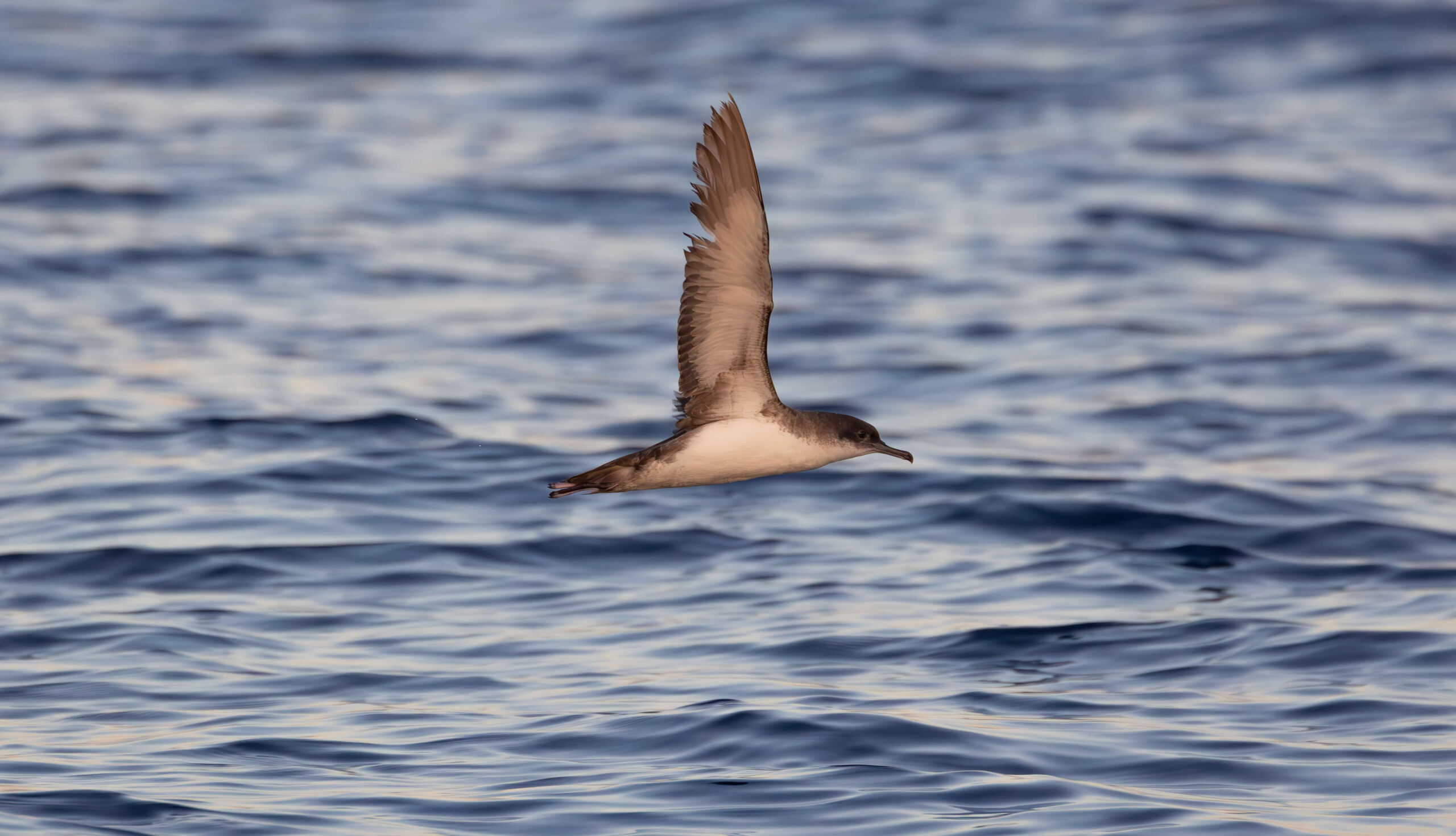
These seabirds are monogamous and breed in colonies. Their breeding season lasts from late February to mid-July, although adults return to their nesting sites from October onwards. They build their nests in burrows or crevices among cliffs and rocky slopes. During the breeding season, they can often be seen from the coast in flocks, particularly at dawn and dusk. Each pair lays a single large white egg between late February and mid-March. The egg is incubated for about 50 days, hatching by late April, and the chick fledges between June and July. Both parents share the responsibilities of incubation and chick rearing. This species produces only one egg per year, as raising a chick requires a large amount of energy and a replacement egg cannot be laid if the original one is lost.
These seabirds feed at sea during the day and return to their breeding cliffs at night. Their diet mainly consists of small fish and squid, which they catch by diving to depths of up to 50 metres.
The Yelkouan Shearwater is listed as Vulnerable on the IUCN list of conservation. Locally they are protected by law and BirdLife Malta are the NGO carrying out most of the conservation work for this species. Conservation efforts have shown promising results. At breeding colonies where rodent management programmes have been implemented, populations have begun to recover. However, further action is needed, particularly to reduce light pollution and protect the marine areas where these seabirds forage. If you find a bird that has become stranded or injured, please contact BirdLife Malta.
Threats
What can we do?
Threats
What can we do?
Threats
What can we do?
Experiences you may enjoy
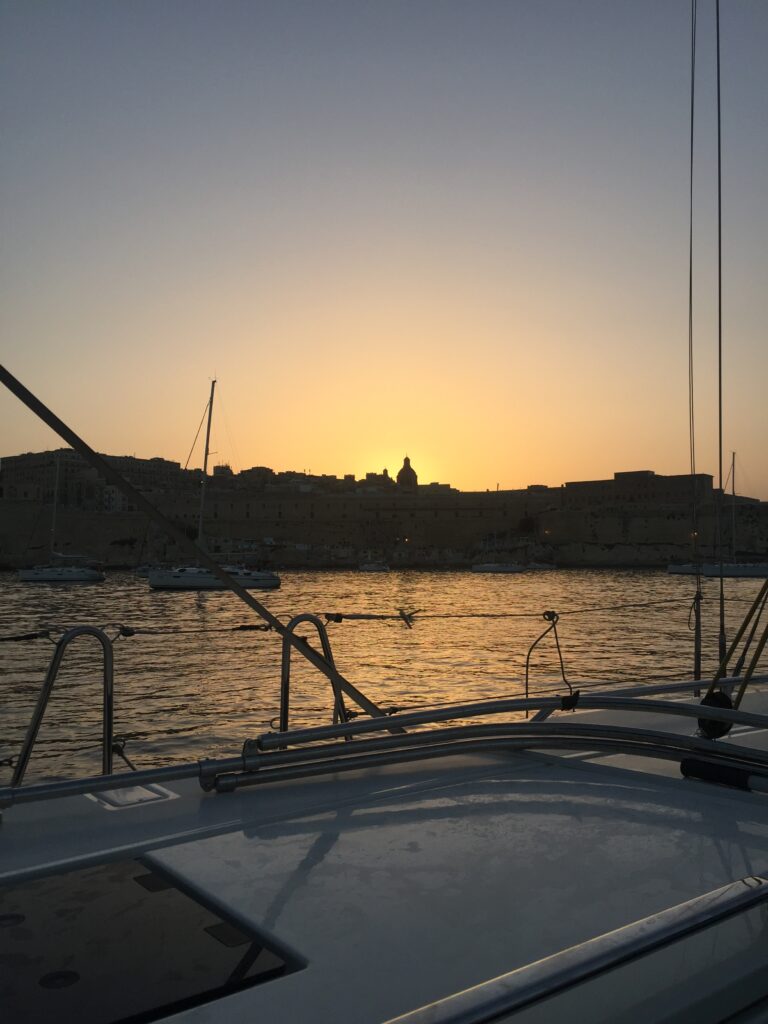
Private Sunset experience
Feel the soul of the sea, enjoy the extaordinary colors and landscapes of Maltese Islands during the loveliest hours of the day.
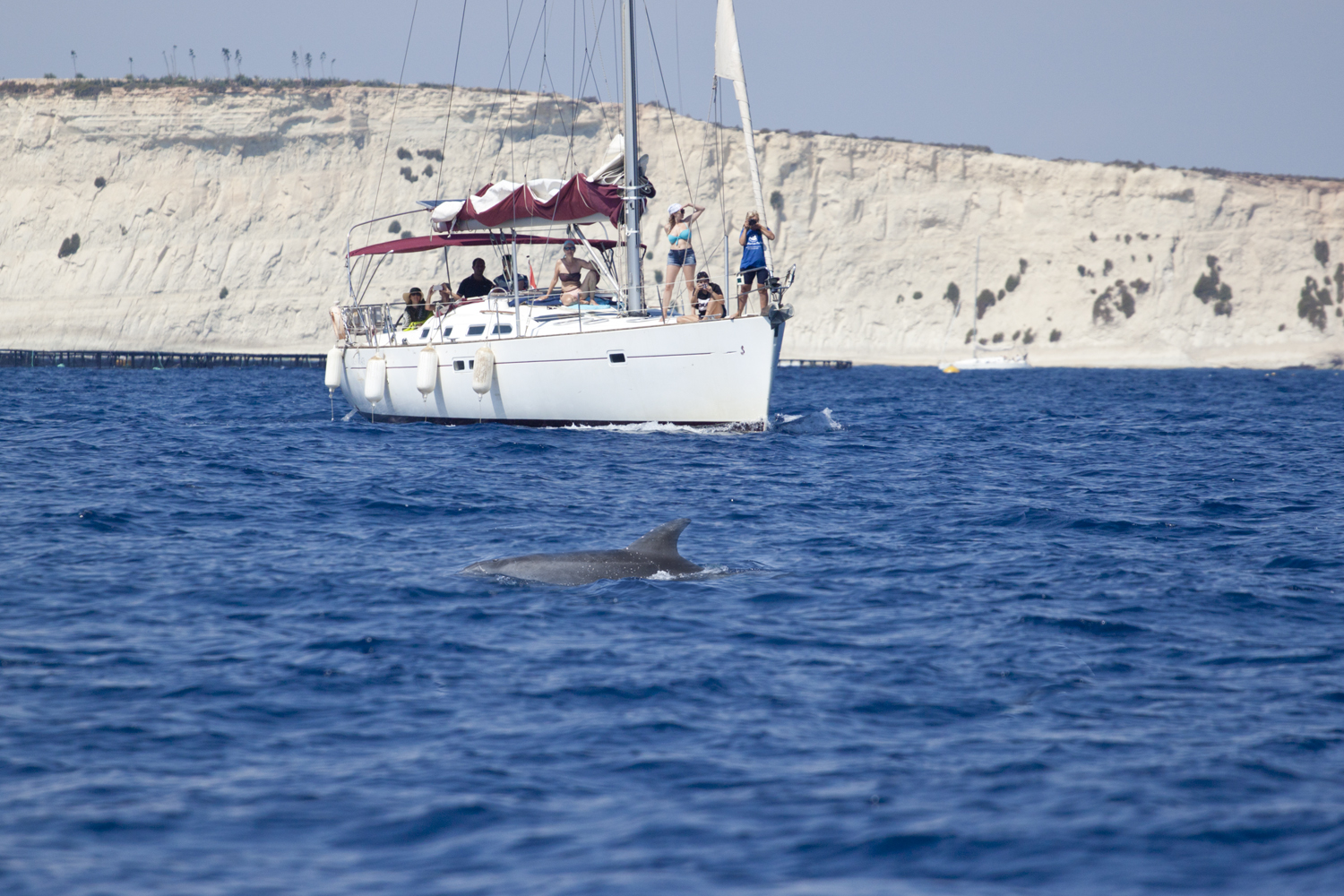
Private Marine life spotting
Enjoy a private marine life spotting experience with your loved ones. A day at sea to relax, reconnect, and discover Malta’s marine life.
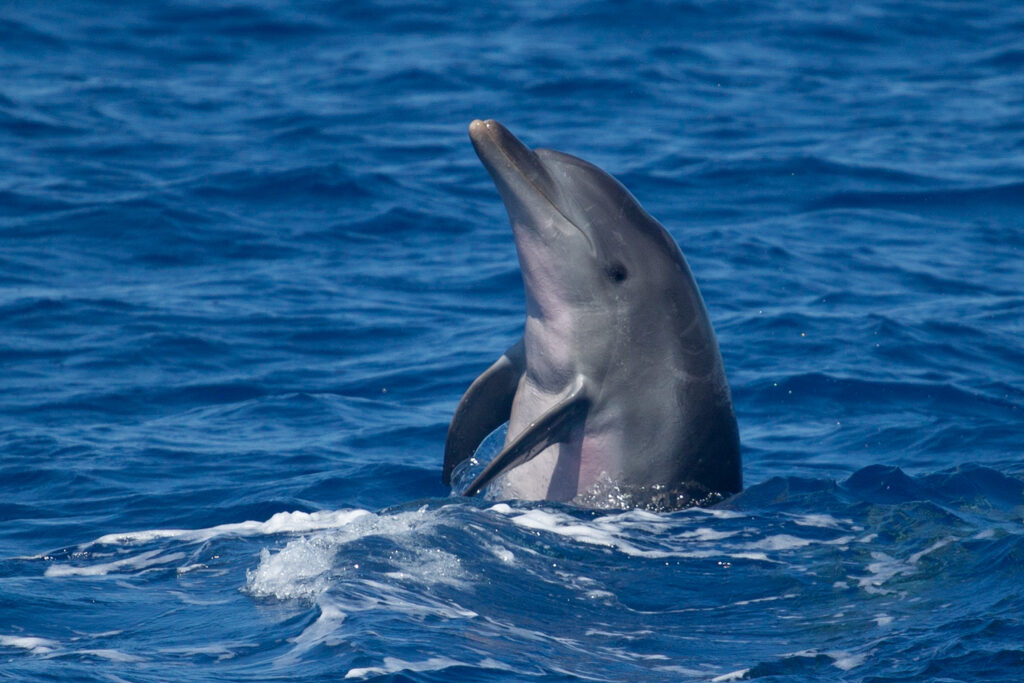
Shared Marine life spotting
Discover Malta’s marine environment on a shared boat tour with other guests. Enjoy a relaxing day at sea while spotting marine life along the way.