
Yellow-legged Gull
Scientific name: Larus michahellis
Order: Charadriiformes
Genus: Larus
Family: Laridae
Habitat: Found along coasts, harbours, islands, wetlands, fish farms and urban areas.
Maximum wingspan: Typically 120 – 140 cm
Whether soaring effortlessly above the coastline or calling loudly from a harbour wall, the Yellow-legged Gull is one of the Mediterranean’s most familiar seabirds. Intelligent, adaptable, and highly resourceful, it has learned to thrive in a wide range of environments, from remote sea cliffs to bustling coastal towns.
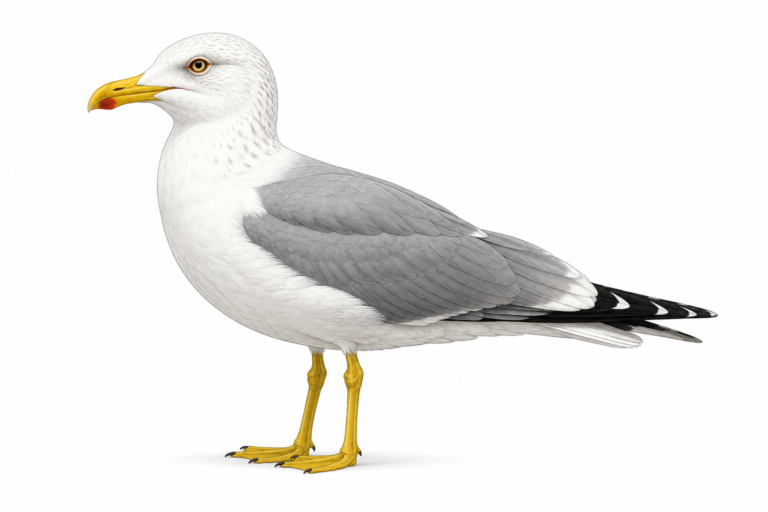
The Yellow-legged Gull is a large, powerful gull with a bright white head and underparts, a soft grey back, vivid yellow legs, and a sturdy yellow bill marked with a distinctive red spot. Young birds look completely different from the adults, wearing mottled brown plumage that provides excellent camouflage. They gradually transform into their striking adult appearance over the course of approximately four years.
This species is a year-round resident throughout the Mediterranean Basin, the Black Sea, and parts of the Atlantic coast. It is commonly found along rocky coastlines, islands, wetlands, harbours, fish farms, and even urban environments, where it has adapted remarkably well to living alongside people.
In Malta, the Yellow-legged Gull is present throughout the year, but its numbers increase significantly during the winter months as birds from other regions join the local population.
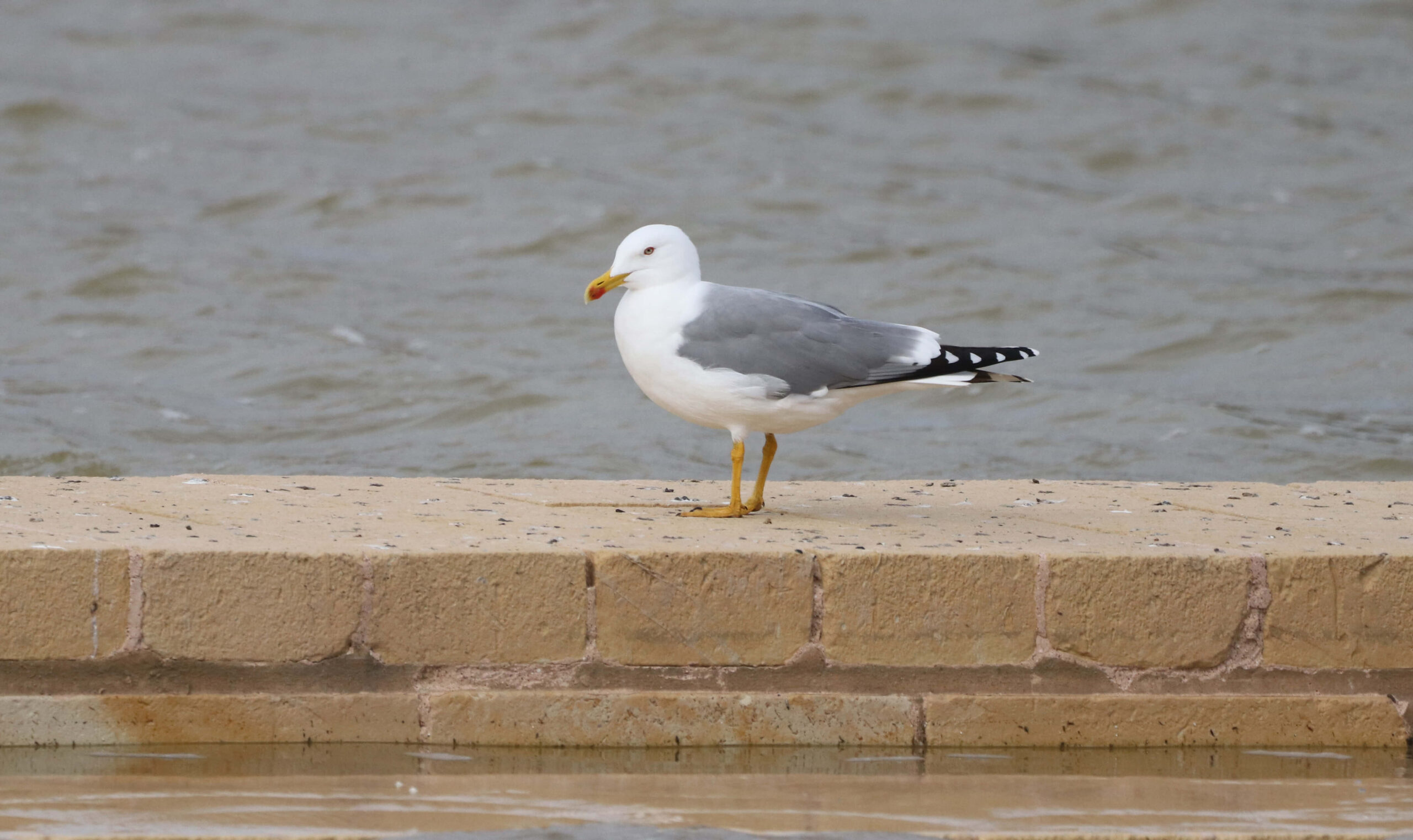
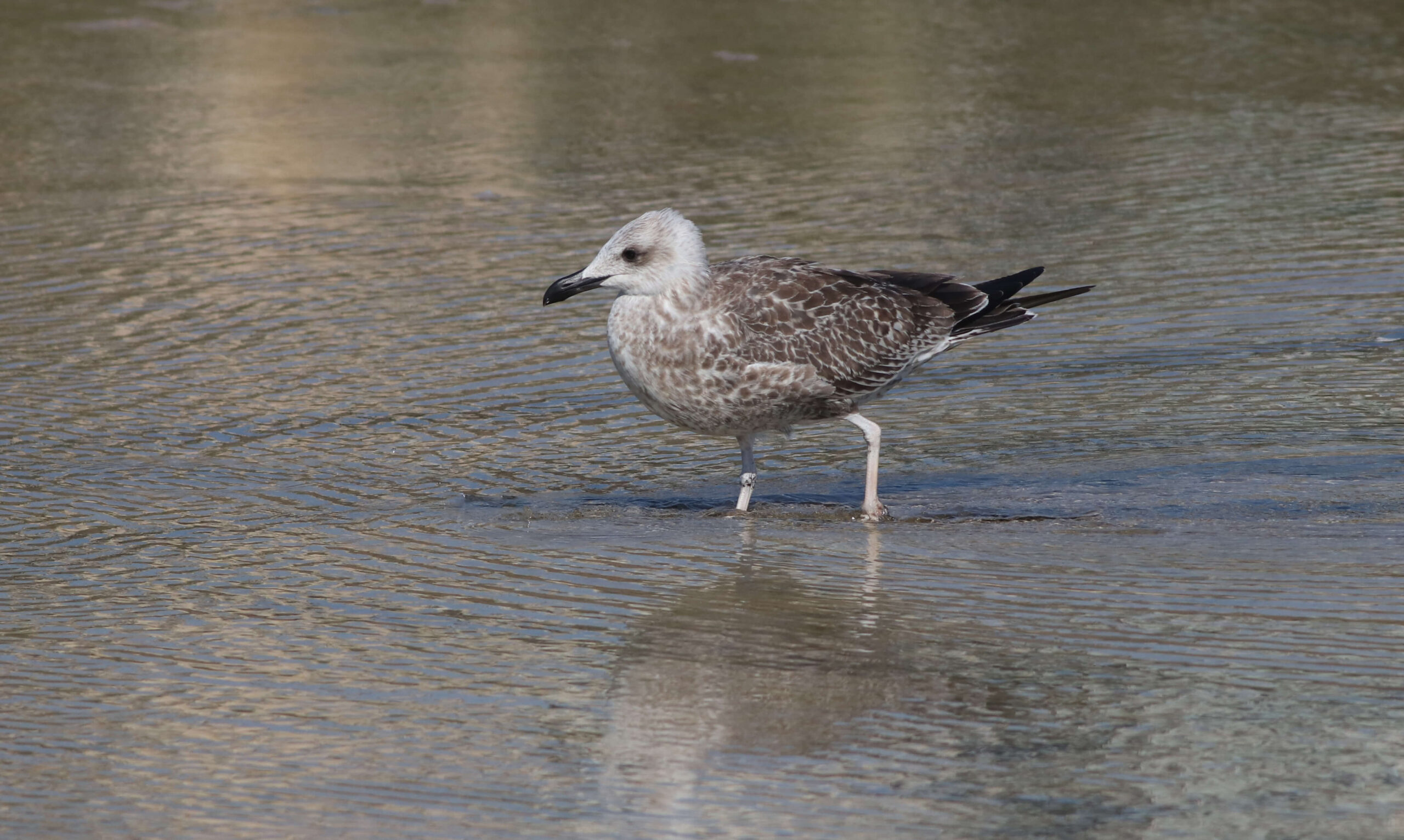
An opportunistic feeder, the Yellow-legged Gull will eat almost anything it can find. Fish, crabs and other marine invertebrates form part of its natural diet, but it also feeds on carrion, discarded food, refuse, and occasionally the eggs or chicks of other seabirds. This remarkable adaptability has helped the species flourish in both natural and human-altered environments.
The Yellow-legged Gull breeds in colonies, choosing cliffs, rocky islets, rooftops, and other coastal structures as nesting sites. Between March and May, pairs typically lay two or three eggs, which hatch after an incubation period of 27–31 days. The chicks grow rapidly and take to the skies after around 35–40 days.
It is Malta’s largest breeding bird. Small colonies nest along the cliffs of Malta and Gozo, while one of the country’s most important breeding sites is the protected island of Filfla, where up to 200 pairs nest each year.
Although the Yellow-legged Gull is currently widespread and abundant, it still faces a number of local threats. Marine pollution, entanglement in fishing gear, disturbance at breeding colonies, and changes in fishing practices can all affect its survival and breeding success. The Yellow-legged Gull is classified as Least Concern on the IUCN Red List thanks to its large and stable global population. In Malta, the species is protected under the EU Birds Directive and the Conservation of Wild Birds Regulations, making it illegal to deliberately disturb, capture, or harm these birds, particularly during the breeding season.
Threats
What can we do?
Threats
What can we do?
Threats
What can we do?
Experiences you may enjoy

Private Sunset experience
Feel the soul of the sea, enjoy the extaordinary colors and landscapes of Maltese Islands during the loveliest hours of the day.
Private Marine life spotting
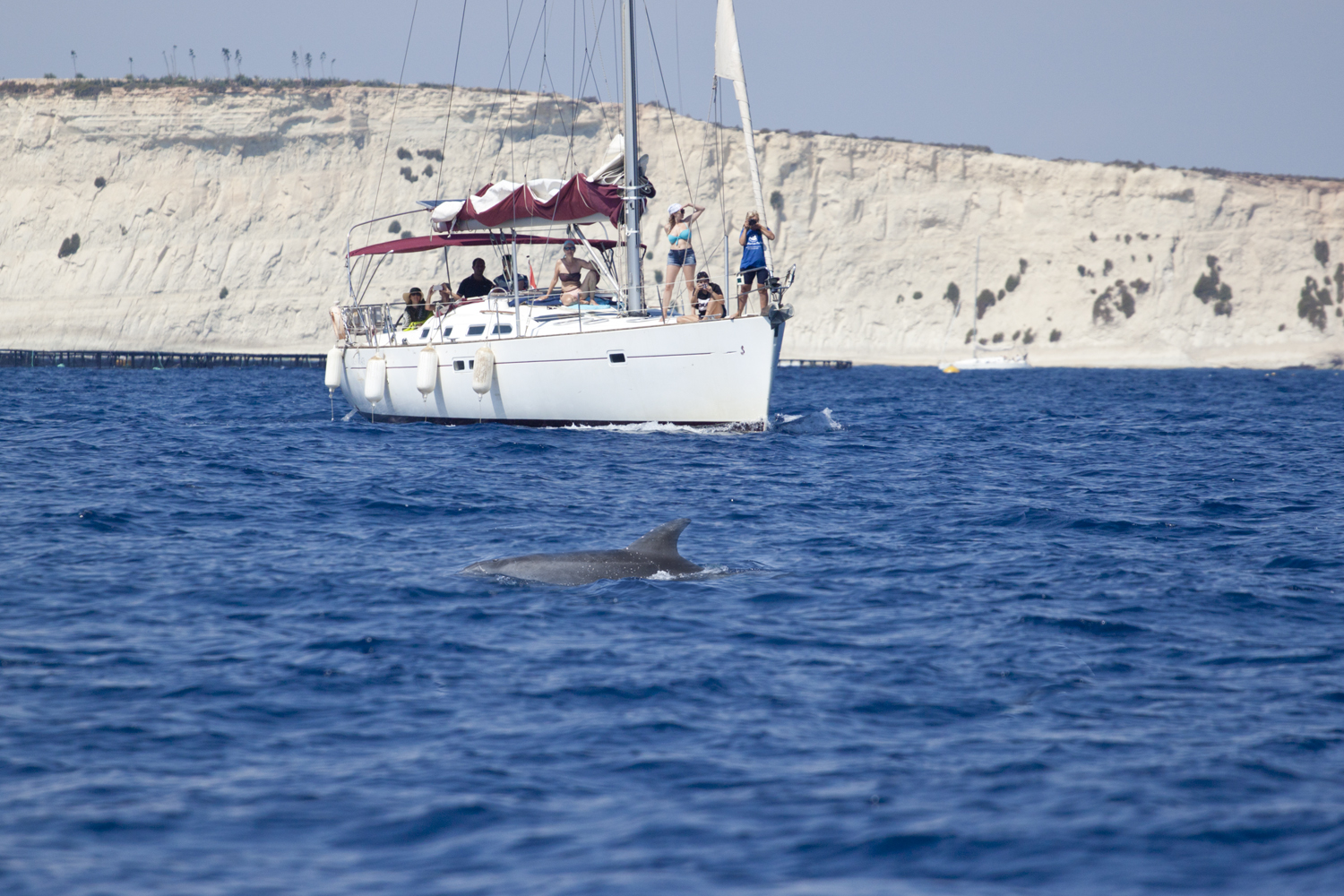
Enjoy a private marine life spotting experience with your loved ones. A day at sea to relax, reconnect, and discover Malta’s marine life.
Shared Marine life spotting
Discover Malta’s marine environment on a shared boat tour with other guests. Enjoy a relaxing day at sea while spotting marine life along the way.