St Paul’s Islands

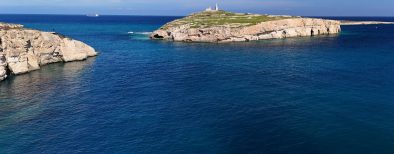
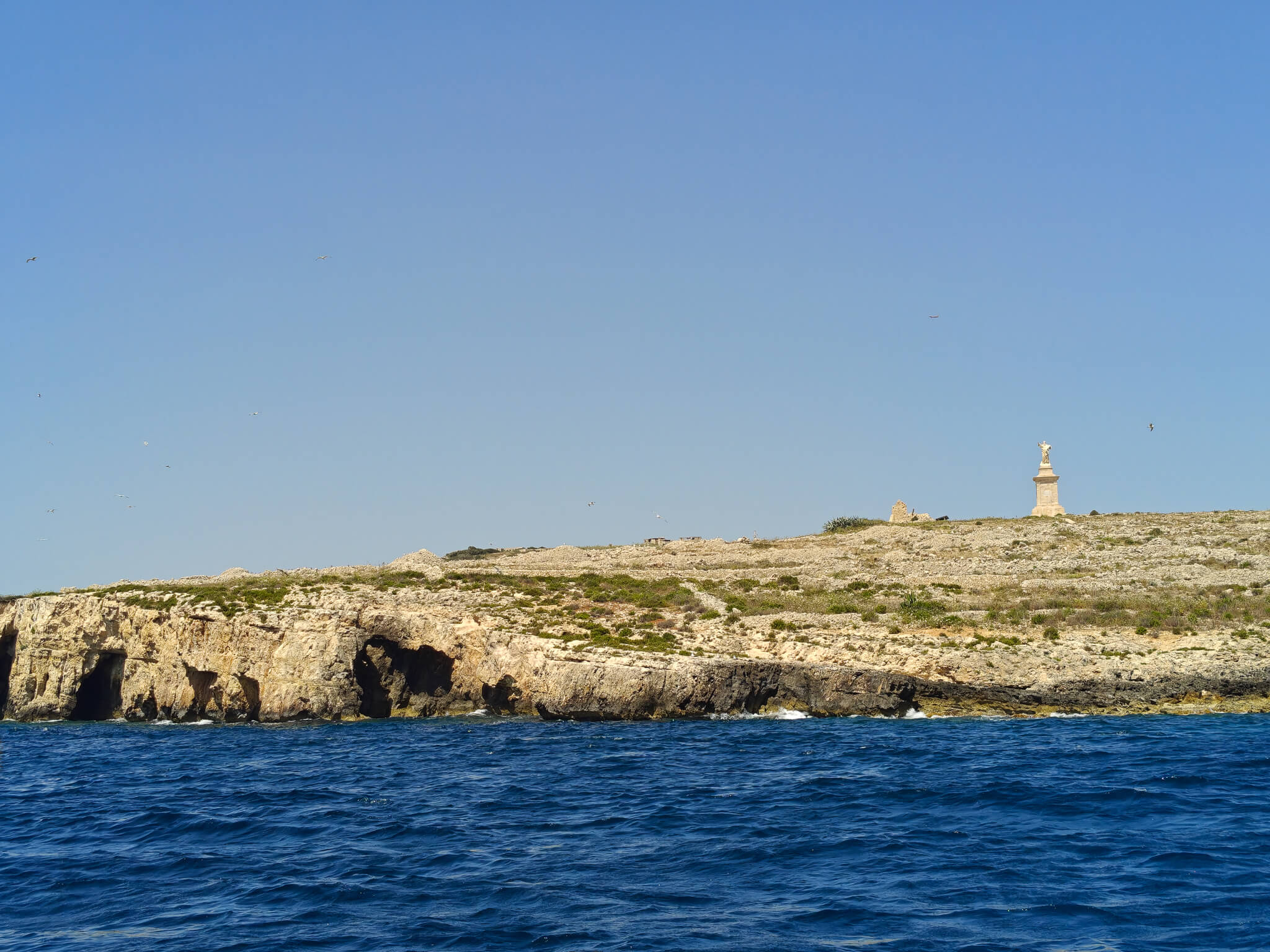
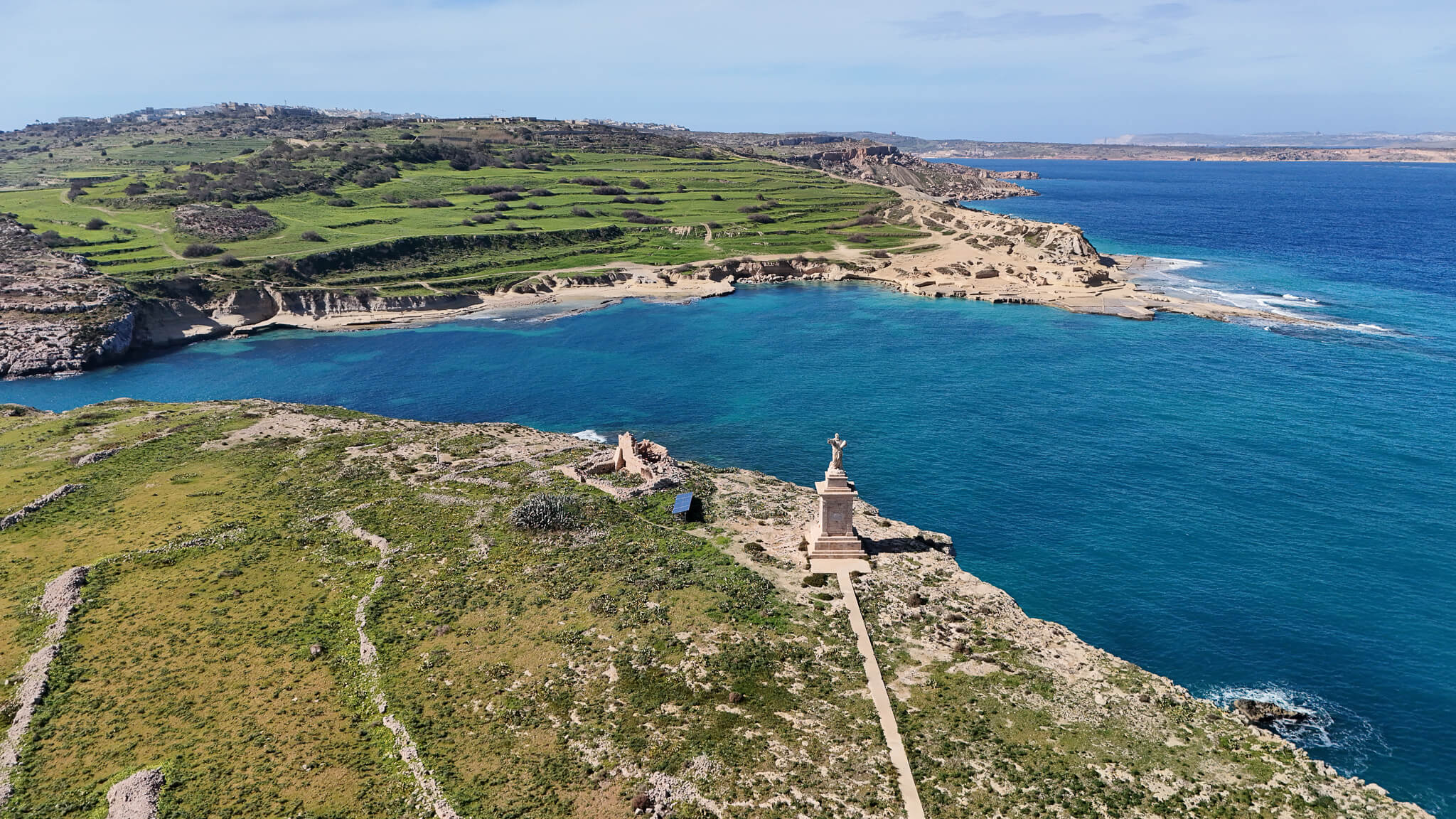
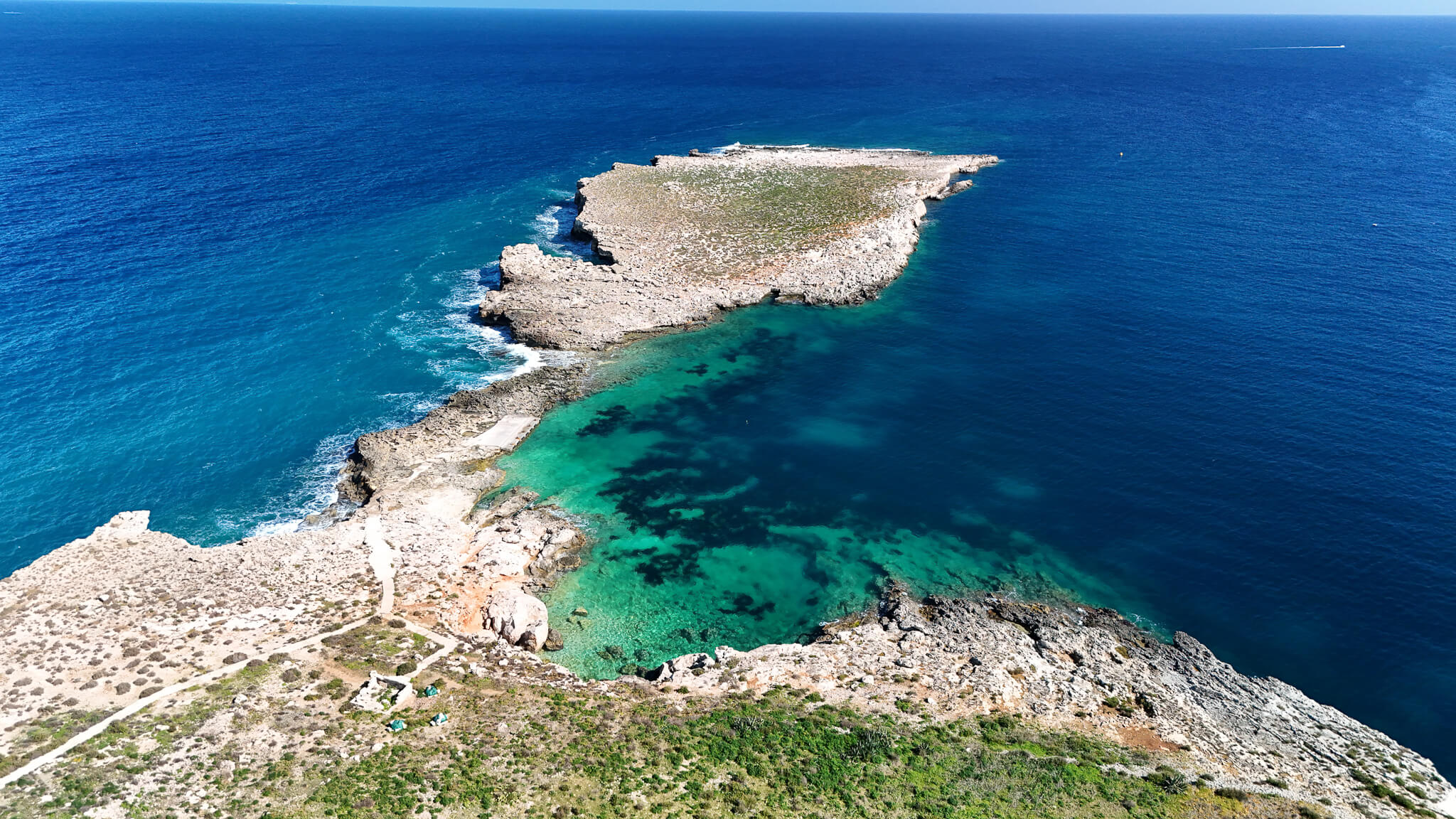
St Paul’s Island, located just off the coast of St Paul’s Bay in the north-east of Malta, forms part of the Maltese archipelago. This small landmass is sometimes divided into two by a narrow isthmus—giving rise to it occasionally being referred to in the plural as “the islands.”


Small but iconic

Over the years, the island passed through the hands of various wealthy families before eventually being transferred to the Order of the Knights. In 1844, a statue of St Paul was erected on the island. A tower was also built, which was later converted into a farmhouse and inhabited until the start of the Second World War. Today, the tower lies in ruins.

Due to the difficulty of access, whether by boat, kayak, or a swim across a busy stretch of sea, the island has remained largely untouched, preserving its natural and unspoilt character. 

The best time to visit would be in April/May, before the summer peak season begins. At this time, you may enjoy kayaking across the sea from St Paul’s Bay and enjoying a hike up to the statue of St Paul. It is particularly breathtaking at sunrise.

A Spiritual Connection

Despite its size, St Paul’s Island holds strong historical and religious significance. It is traditionally associated with the shipwreck of Saint Paul, as described in the Bible. According to scripture, in 60 AD, Paul the Apostle was shipwrecked on an island called Malta while on his way to Rome to face charges. St Paul’s Island has long been believed to be the site of this event, and it is said that Paul played a key role in the introduction of Christianity to the Maltese population.

How to get there

By Car

Park next to Fort Campbell and walk to Blata l-Bajda

By Public transport

Take a bus to Mistra and walk to Blata l-Bajda, before crossing the sea to the island.
Discover the blu

Dolphin Observation Tour

DPAM_FISHFARM-bluetide

Private Marine Life Spotting

rock climbing_MC Adventure

Coastal Adrenaline Activities

simar nature reserve (1)

Simar Nature Reserve

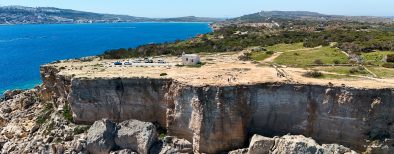
st pauls island-bluetide

Mistra Bay to St Paul’s Island

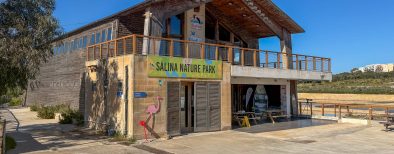
Salina nature reserve-bluetide

Salina Nature Reserve

Rdum tal Madonna-background-bluetide

Rdum tal-Madonna

Dolphins in St Paul's Bay

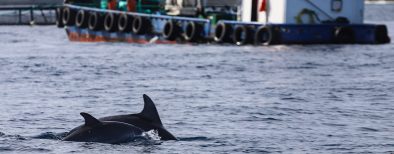
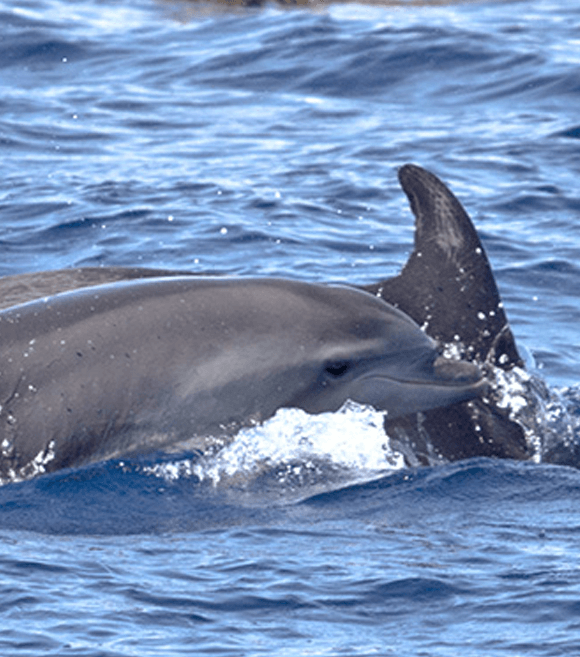
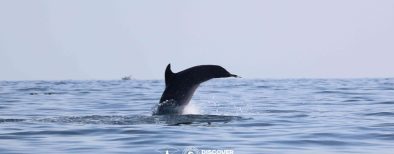
If you bring along a good pair of binoculars and a little patience, you may be rewarded with one of the most exciting sights the Maltese sea can offer: Bottlenose Dolphins. They are sometimes seen in the area of St Paul’s and especially around the fish farms.

How to Spot Them

Look for the dorsal fin: tall, curved, and triangular, it’s the most visible part when a dolphin surfaces. Watch for movement: smooth arcs breaking the water’s surface, sometimes in small groups or high and acrobatic jumps! Stay alert around the farms: dolphins are known to approach fish cages because they’re an easy place to find food.

Aquaculture in Malta

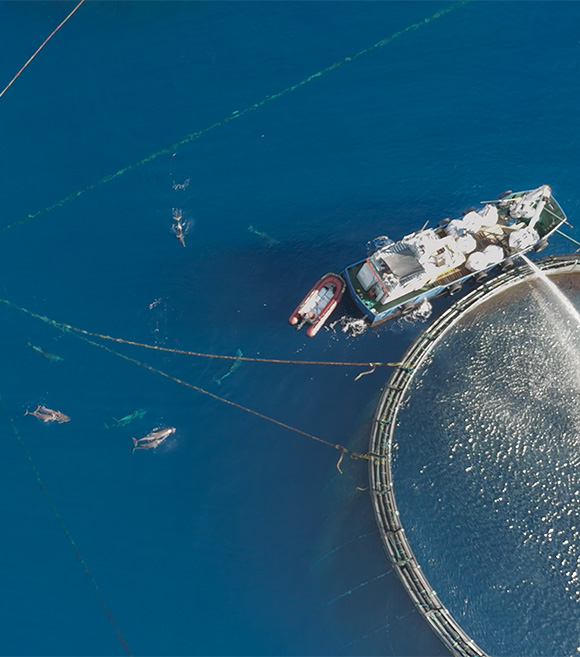
As you walk along St Paul’s Bay, from different viewpoints, you’ll notice a cluster of circular structures floating offshore. These are the fish cages that make up Malta’s aquaculture site in St Paul’s.

Each cage looks like a giant floating ring on the surface, but what you see above water is only part of the story: beneath the surface, nets extend downward to contain the fish while allowing seawater to flow freely, feeding is managed from boats or automated systems, and the entire structure is continuously monitored to ensure fish health and cage safety. 

Dolphins & Fish Farms

The interaction between dolphins and aquaculture is a subject of ongoing research. At EcoMarine Malta, researchers are studying how often dolphins visit the farms in Delimara, what attracts them there, and the impact this has on both the dolphins and aquaculture operations. Understanding these interactions is crucial to balancing marine conservation with human activity.

A Seabird's Sanctuary

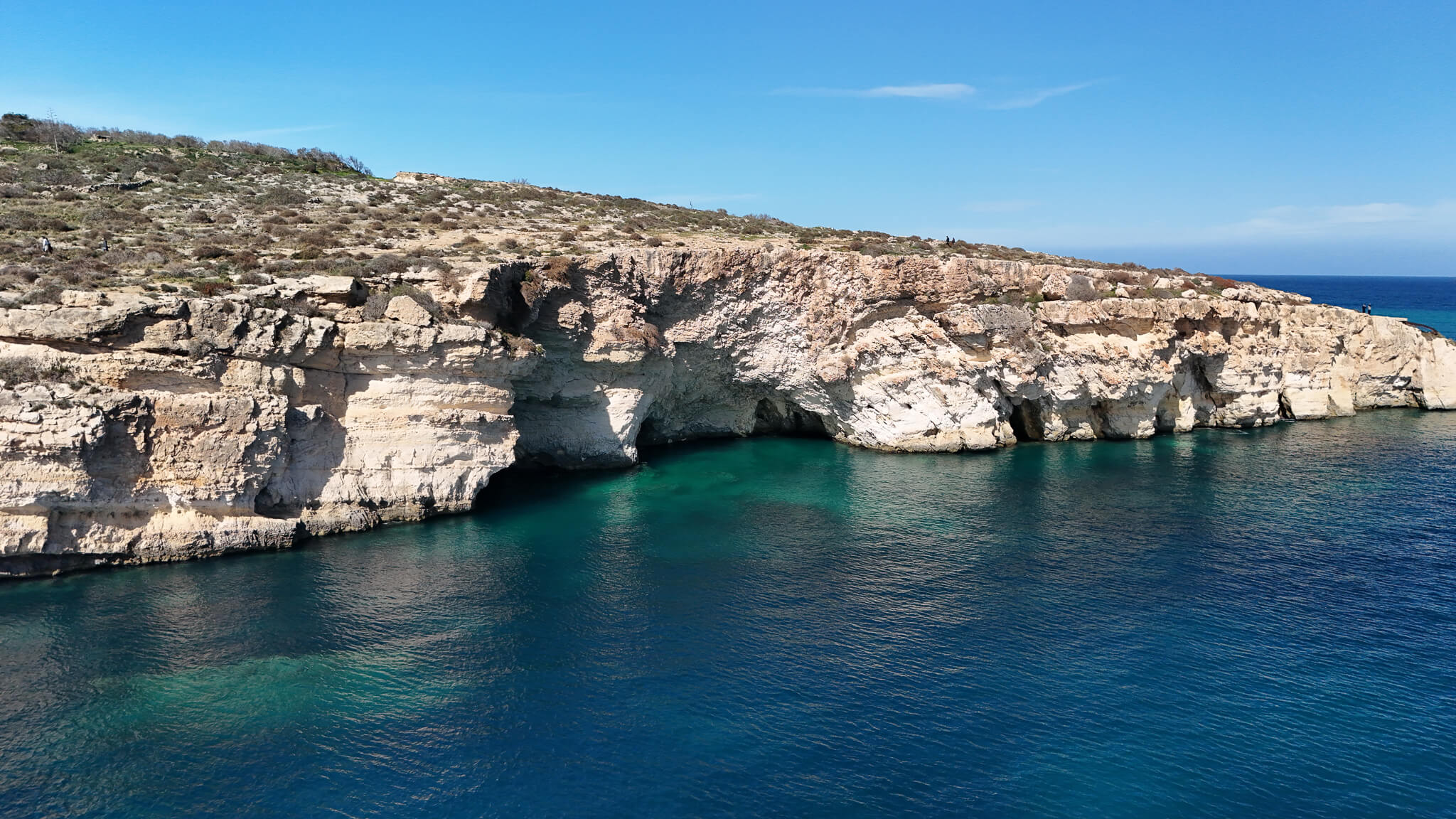
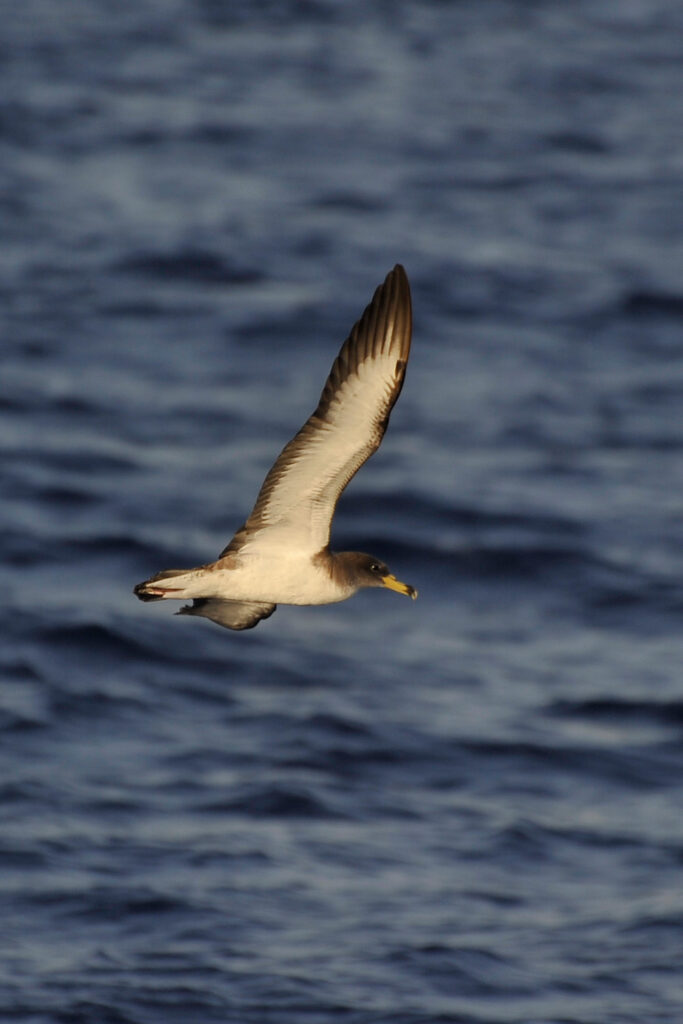
If you make it to St Paul’s Island, during spring and summer, the cliffs of this islet come alive with nesting seabirds — Scopoli’s Shearwater.

The larger of Malta’s two shearwater species, Scopoli’s Shearwater (Calonectris diomedea), known locally as Ċiefa, is a more imposing bird with broader wings and a warm brownish tone on its upperparts. Around 5,000 pairs breed in the Maltese Islands, representing 2–3% of the global population. During summer evenings, large numbers can be seen rafting on the water off the cliffs of Ta’ Ċenċ in Gozo — a truly unforgettable sight. There is something deeply moving about watching a shearwater at sea. Where gulls flap and wheel noisily overhead, the shearwater simply glides — tilting from side to side on rigid wings, wingtips grazing the water’s surface, barely a wingbeat needed. It moves with a quiet certainty, as if it has always known exactly where it is going. Watching one, you feel it too — a stillness, a sense of space, and for a moment, something very close to freedom. BirdLife Malta has been at the forefront of shearwater conservation for many years, running multiple EU-funded LIFE projects dedicated to protecting these birds both on land and at sea.