
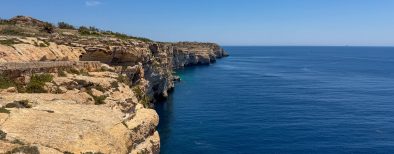
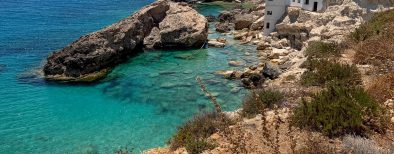
Għar Lapsi, on Malta’s southwest coast, is a small seaside inlet known for its clear waters, swimming, and snorkelling. While it is lively and busy during the summer months, it becomes a peaceful spot in winter, ideal for enjoying the sea and sunset views.
In January 2026, Storm Harry caused significant damage to parts of the coastal infrastructure, including sea access points and some family-run restaurants. Plans are currently underway to restore and improve the area.
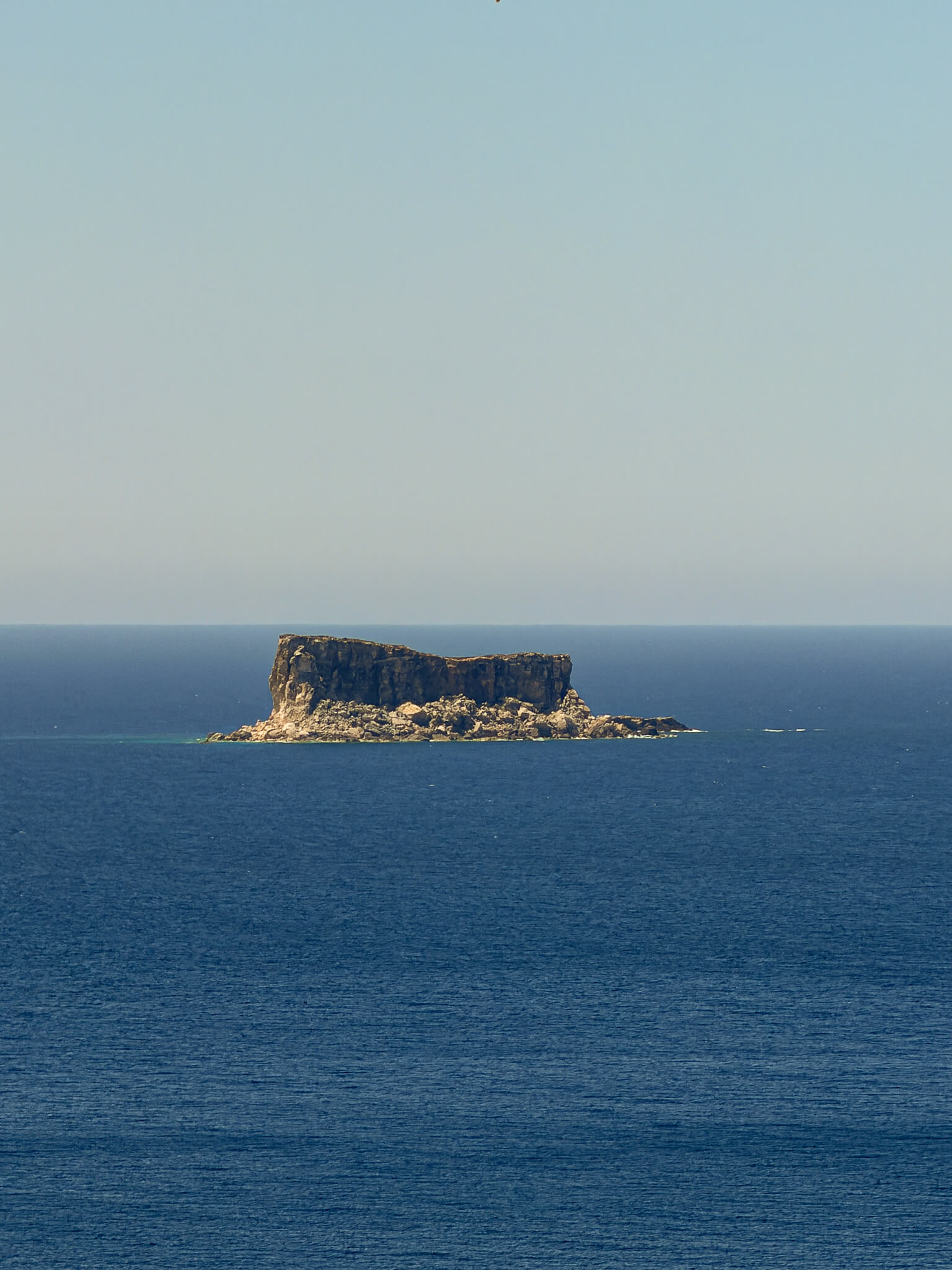
Filfla
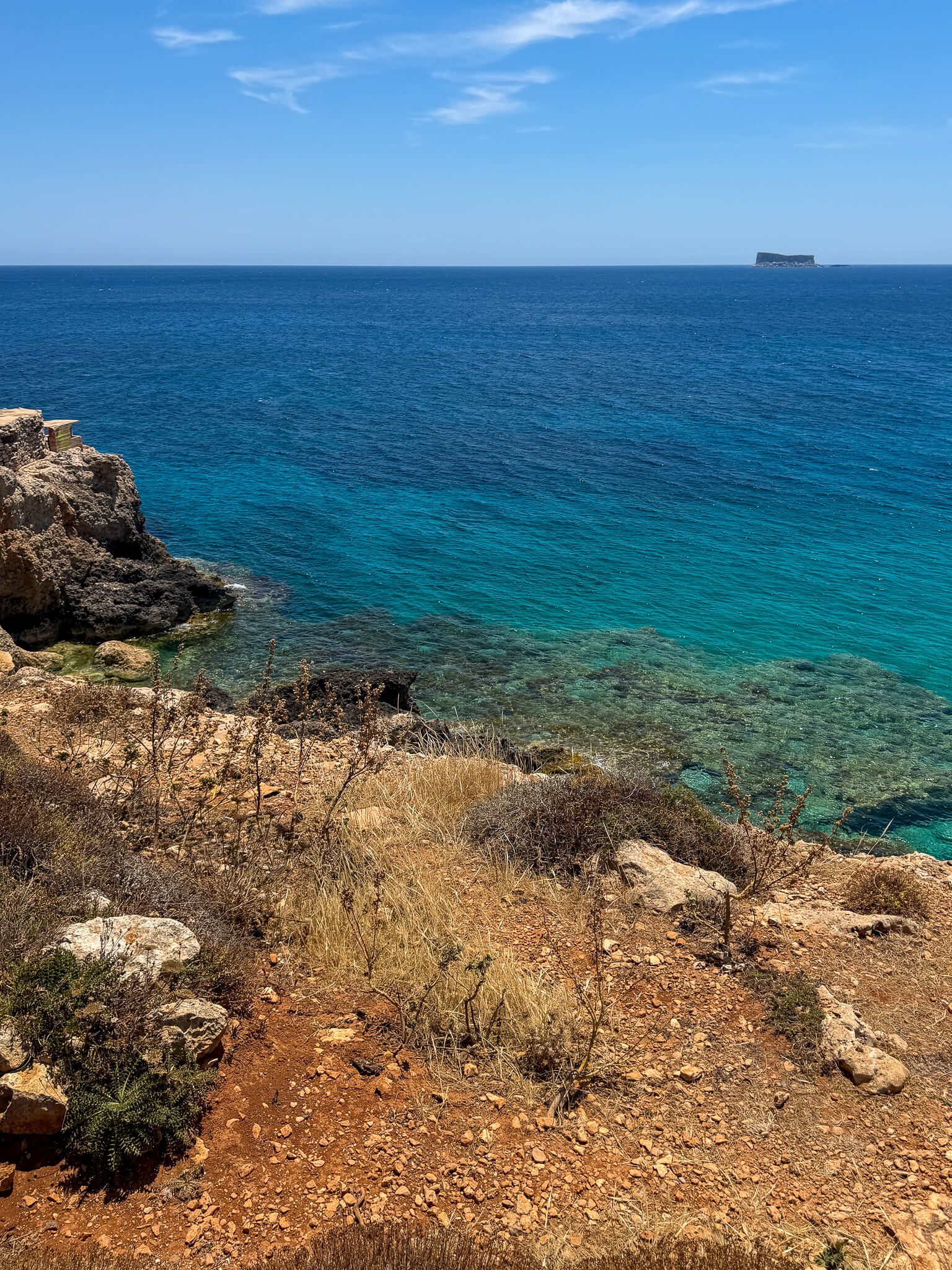
From here, on the horizon, sits Filfla. Small, solitary, ancient.
Once used as a military target, today a protected nature reserve and one of Malta’s most important seabird nesting sites. Yelkouan Shearwater, Scopoli’s Shearwater, European Storm-petrel, Yellow-legged Gull, four protected species that have found refuge on this tiny island, the sea kept for itself. Filfla also serves as a vital resting point for migratory birds crossing the Mediterranean. And beneath its surrounding waters, several species of rays glide through the depths.
While landing on the island is prohibited, it is possible to approach its surrounding waters by boat with the appropriate permits and tour operators.
Lapsi Reverse Osmosis Plant
The landscape is partially interrupted by a Reverse Osmosis plant—one of four facilities that desalinate seawater to supply potable water to the Maltese islands. This particular plant became operational in 1983, in response to severe water shortages and the pressures of a growing population and tourism industry.
At the time, it was one of the largest seawater desalination plants in the world. Its success played a key role in the development of additional Reverse Osmosis plants across the island.
Għar Lapsi Tower
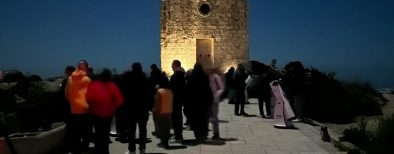
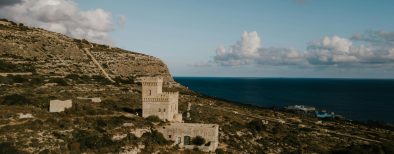
Very little information is available about this tower. At first glance, especially from a distance, it may be mistaken for a watchtower—similar to the many built by the Order of St John. However, a closer look reveals a more ornate design, suggesting a later period of construction and indicating that it was unlikely to have served a military purpose. It is therefore believed that the tower was constructed either as a dwelling or as a folly.
Ħaġar Qim and Mnajdra Archaeological Park
Ħaġar Qim and Mnajdra are two megalithic sites dating back around 5,000 years to the Neolithic period. They were designated as UNESCO World Heritage Sites in 1992 as part of the Megalithic Temples of Malta.
The two sites are linked by a downhill walk of approximately 500 metres. The Archaeological Park also includes a Visitor Centre, which provides further insight into these remarkable temples.
A Climb to Remember
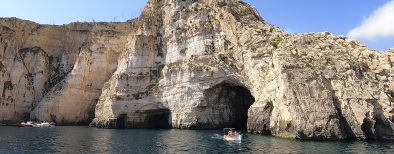
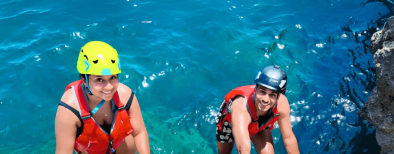
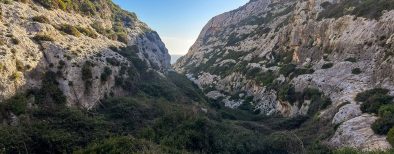
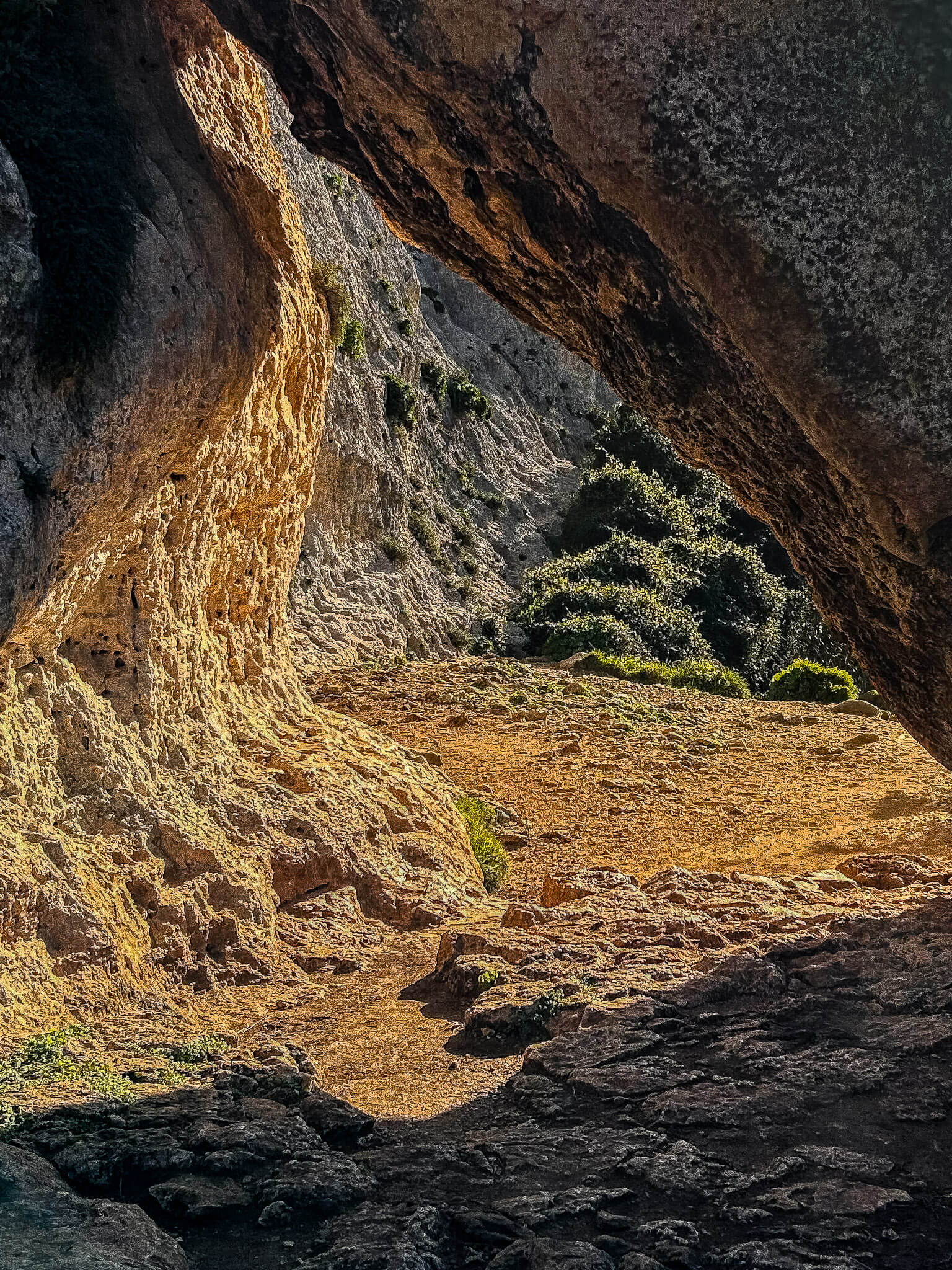
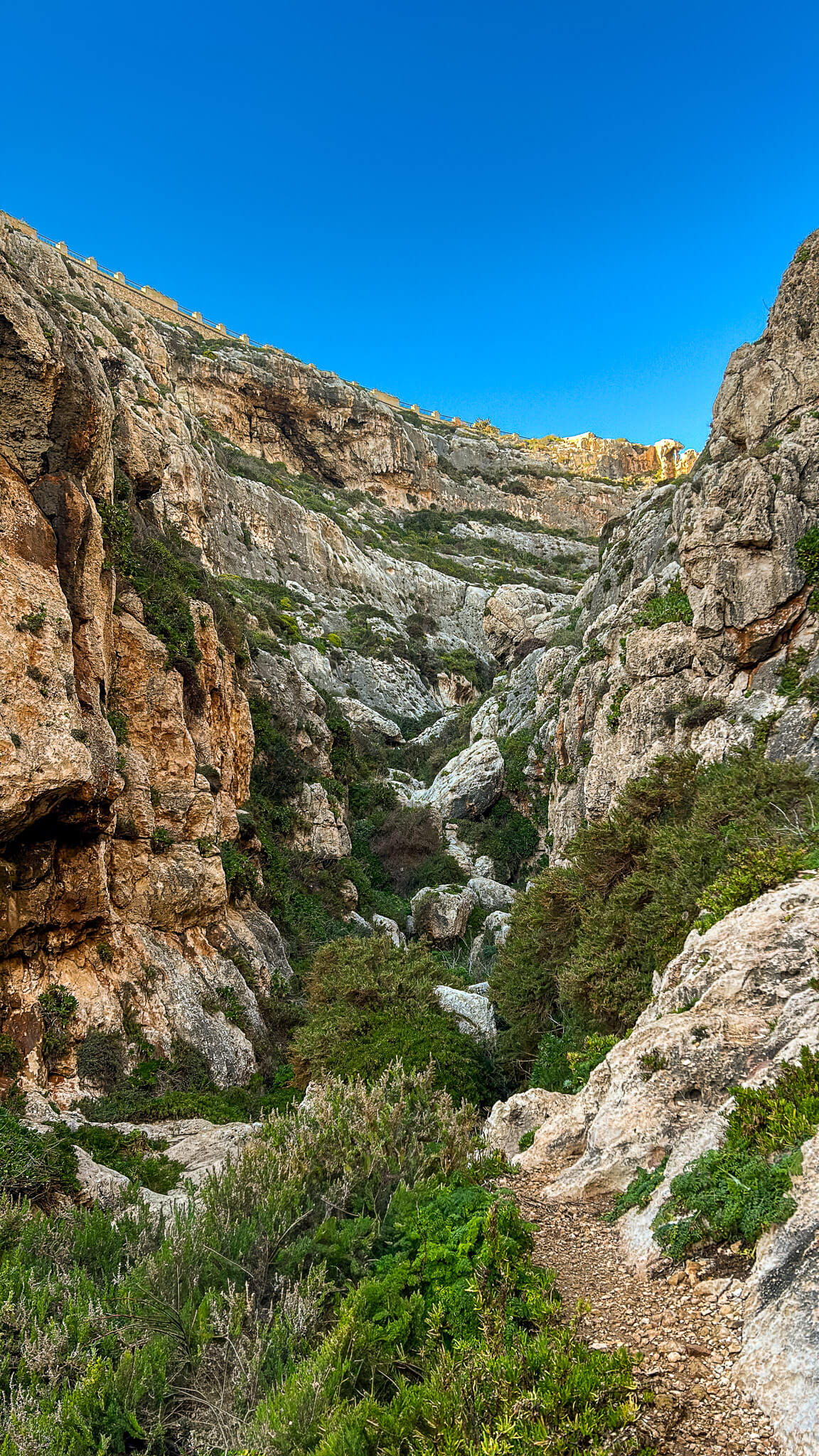
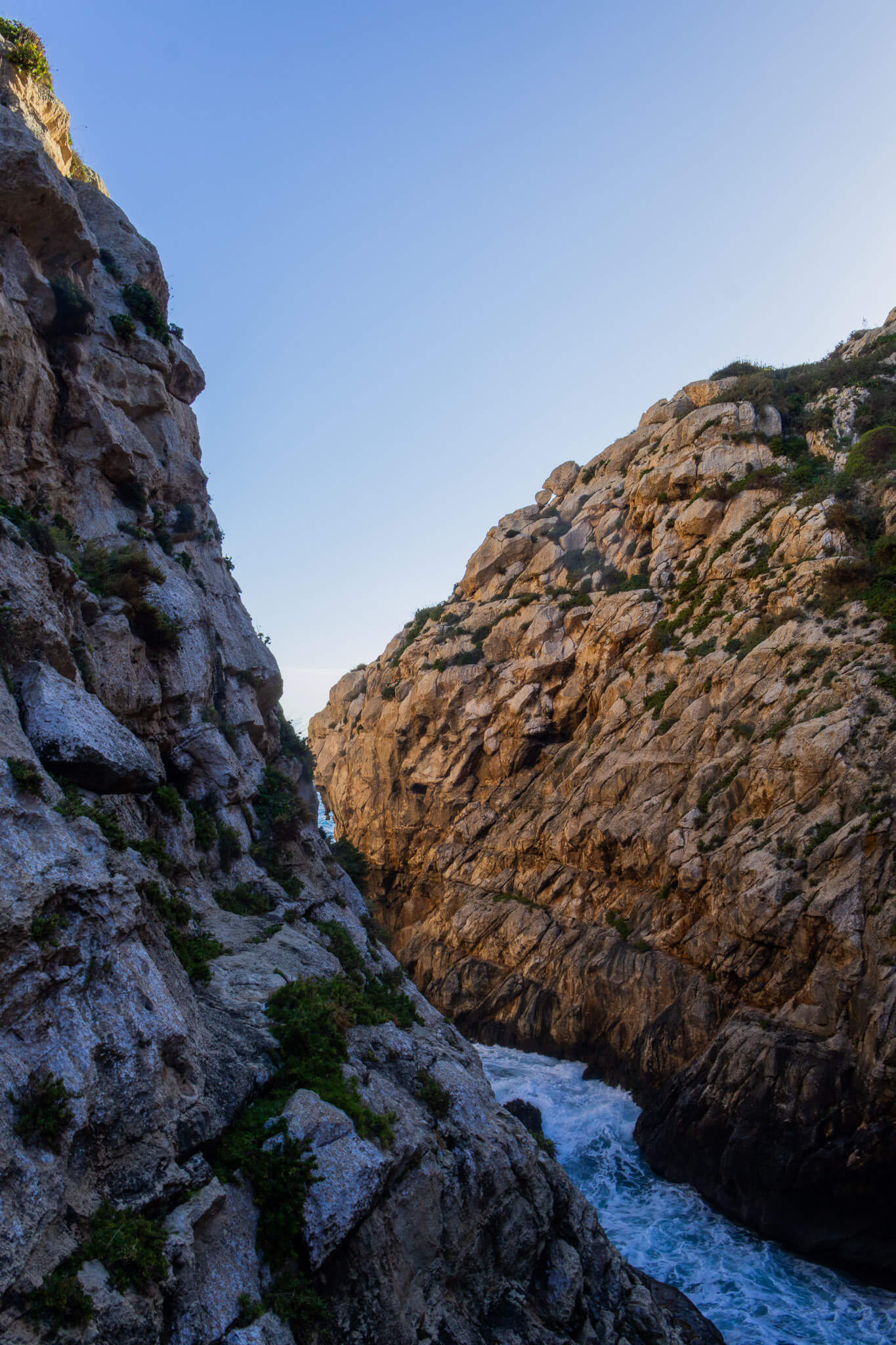
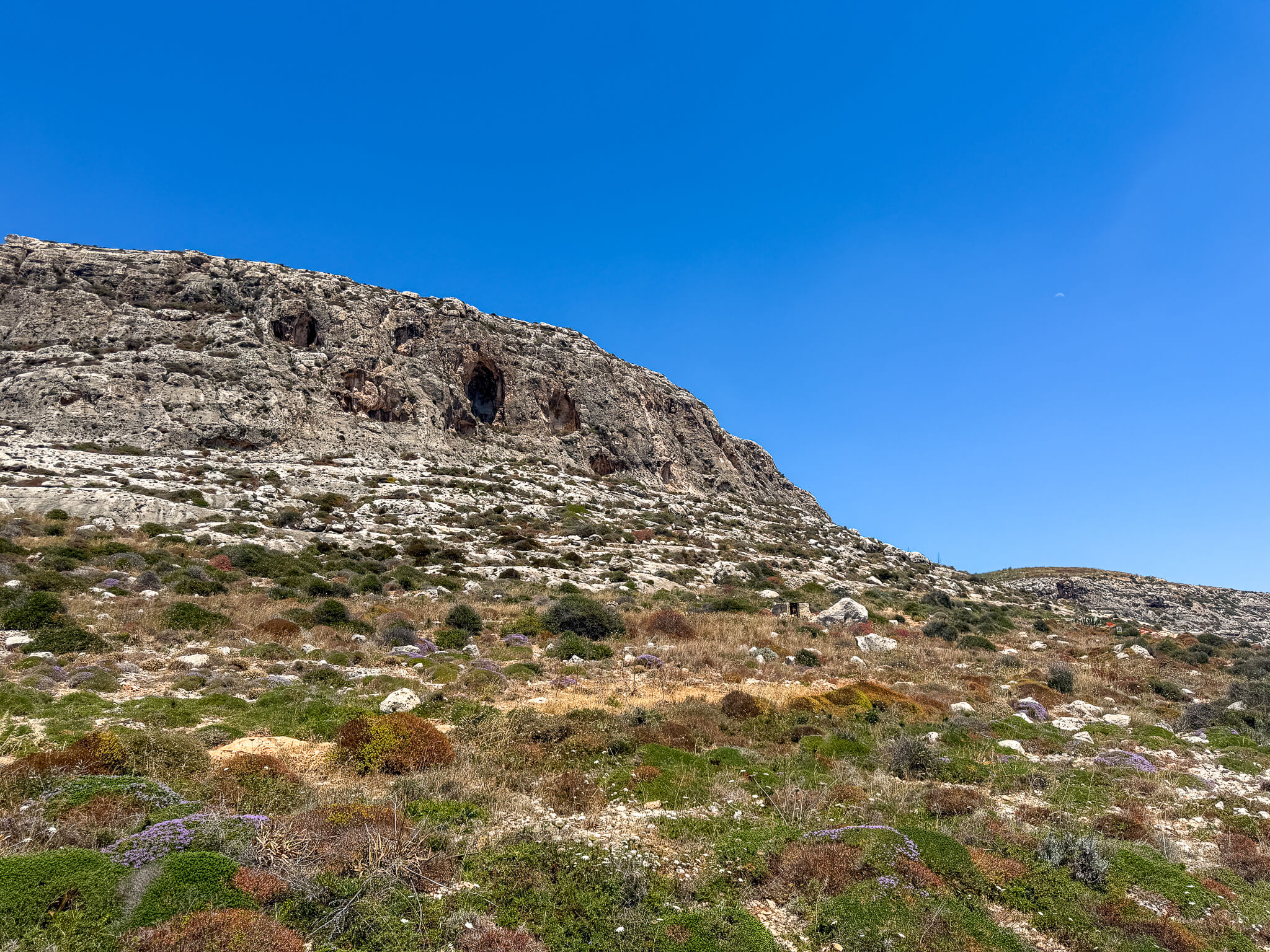
Għar Lapsi also offers scenic hiking trails and several routes for rock climbing. This bay is also a popular destination for divers, thanks to its accessible dive sites featuring caves, swim-throughs, and Posidonia seagrass meadows.
How to get there
By Car
Parking is available at the bottom of the long road leading to Għar Lapsi. During peak seasons this might be limited. Consider taking a bus or taxi.
By Public transport
Take a bus directly to Lapsi.
A sea rich with life
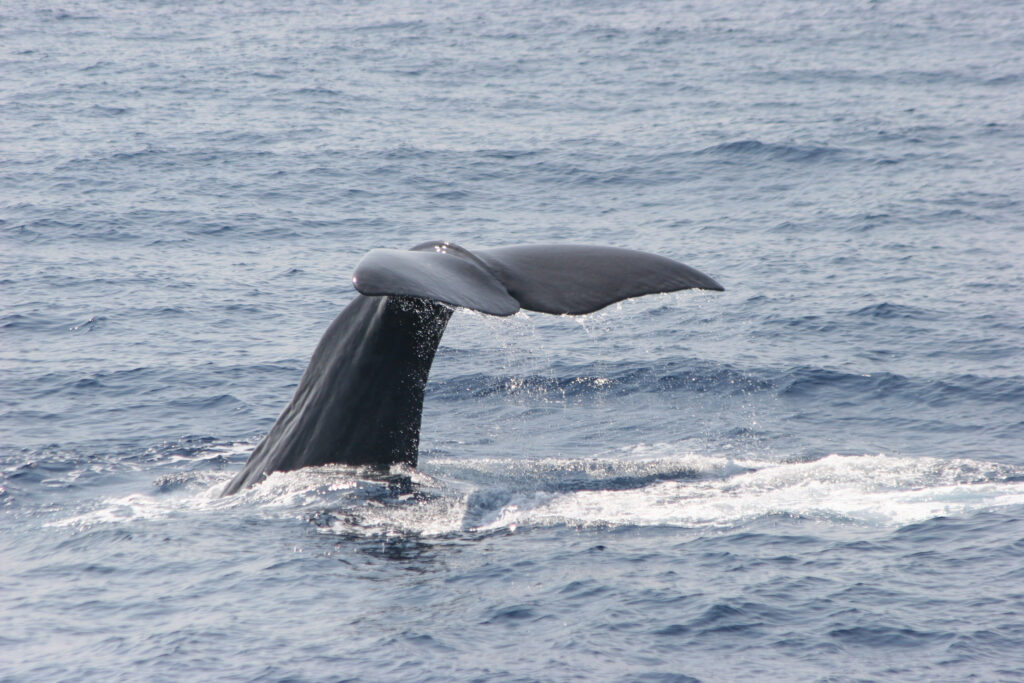
Among the cetaceans that pass through Maltese waters, few command the imagination quite like the Sperm Whale. Roughly 3 miles offshore from Filfla, the seabed drops sharply along a series of dramatic underwater slopes reaching depths of around 1,000 metres — and it is along these deep-water edges that sightings have been recorded. Encounters are rare, but the waters here hold that possibility. These are animals that spend most of their lives in the deep, surfacing only briefly between long, powerful dives — and spotting one, even for a moment, is something that stays with you.
Not only dolphins and whales
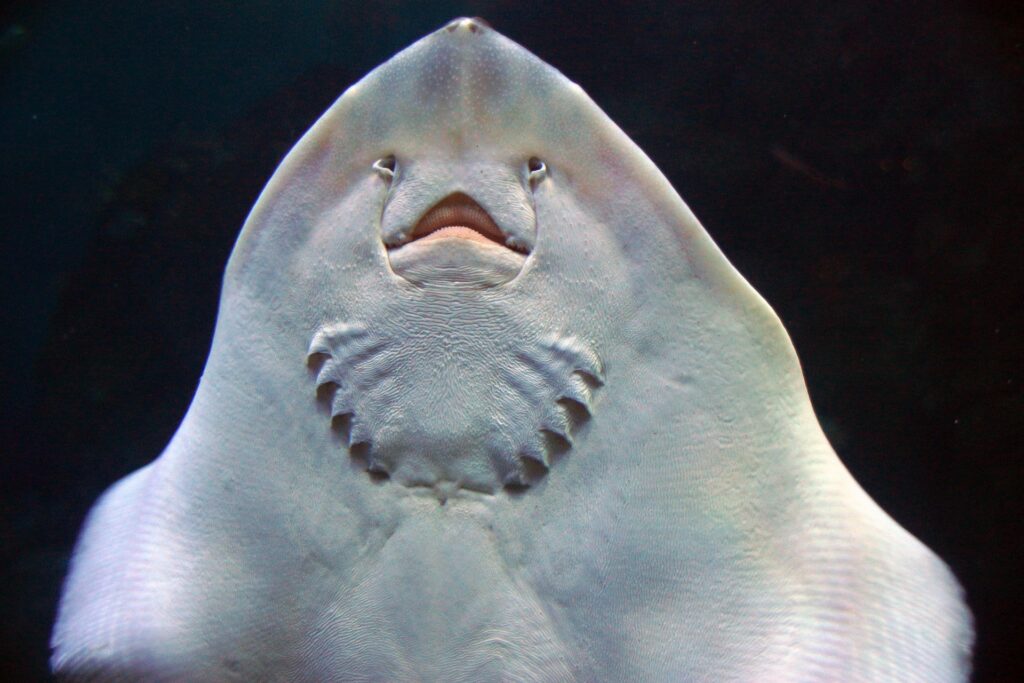
Rays and skates belong to the same group as sharks — the Elasmobranchs — but are easily distinguished by their flattened bodies and broad, wing-like pectoral fins, which allow them to glide effortlessly along the seabed. A key difference between the two is that skates have firmer tails and no stingers, whereas many rays, such as the stingray, possess long tails armed with venomous spines for defence. The protected waters around Filfla are among the best places locally to encounter rays. With fishing prohibited within one nautical mile of the island, the seabed here is noticeably richer and less disturbed — a quiet but compelling example of what marine protection can achieve.
Seabirds
From Għar Lapsi, a short walk up to the clifftops and a good pair of binoculars pointed towards Filfla tells its own story. During spring and summer, the cliffs of this strictly protected islet come alive with nesting seabirds — the Yellow-legged Gull (Larus michahellis), Scopoli’s Shearwater (Calonectris diomedea), and the European Storm-Petrel (Hydrobates pelagicus melitensis). That so many birds thrive here is no coincidence — it is what protection looks like in practice.
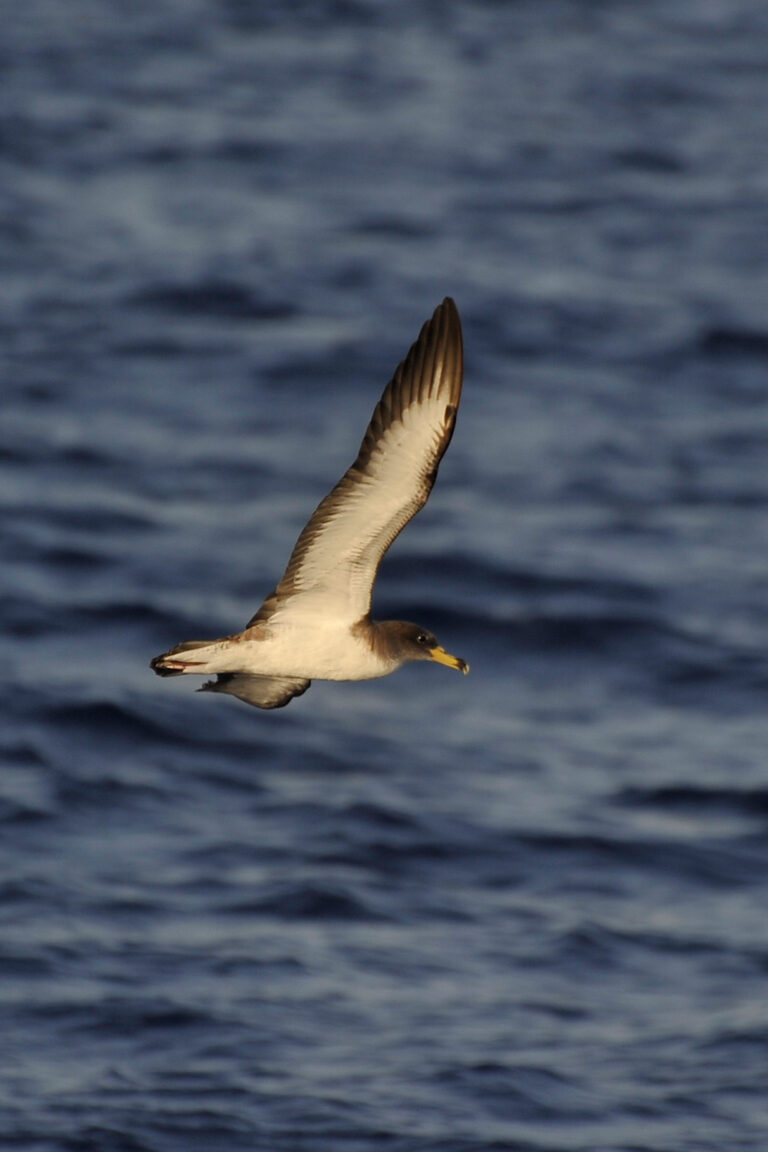
In the picture: Scopoli’s Shearwater — Ċiefa
The larger of Malta’s two shearwater species, Scopoli’s Shearwater (Calonectris diomedea), known locally as Ċiefa, is a more imposing bird with broader wings and a warm brownish tone on its upperparts. Around 5,000 pairs breed in the Maltese Islands, representing 2–3% of the global population. During summer evenings, large numbers can be seen rafting on the water off the cliffs of Ta’ Cenc in Gozo — a truly unforgettable sight. There is something deeply moving about watching a shearwater at sea. Where gulls flap and wheel noisily overhead, the shearwater simply glides — tilting from side to side on rigid wings, wingtips grazing the water’s surface, barely a wingbeat needed. It moves with a quiet certainty, as if it has always known exactly where it is going. Watching one, you feel it too — a stillness, a sense of space, and for a moment, something very close to freedom. BirdLife Malta has been at the forefront of shearwater conservation for many years, running multiple EU-funded LIFE projects dedicated to protecting these birds both on land and at sea.