The Red Tower

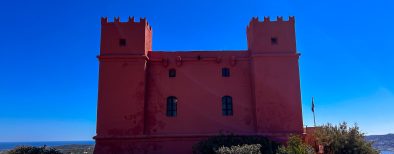
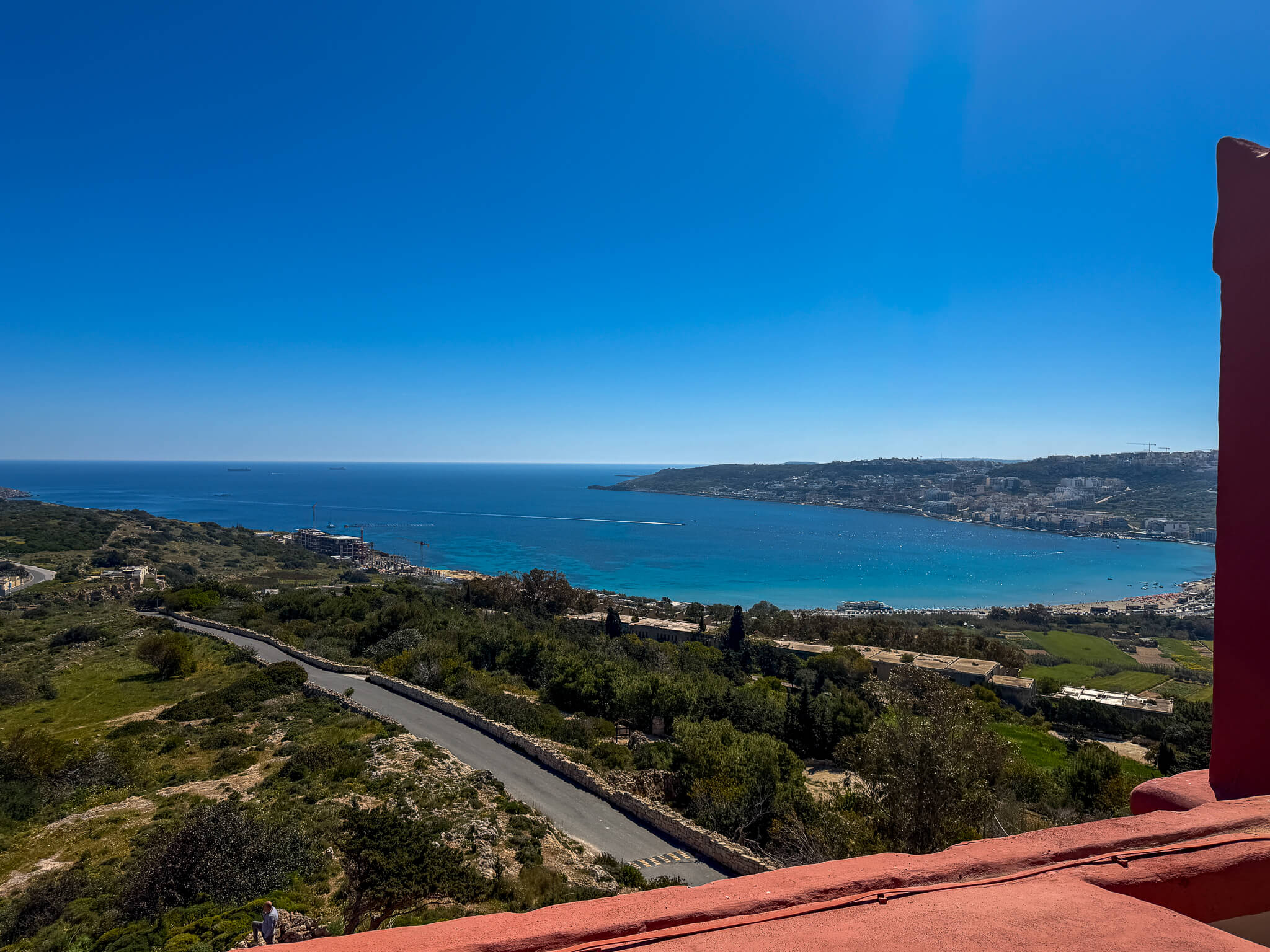
The Red Tower, located in Mellieħa, is a historic coastal watchtower built to protect northern Malta. It overlooks the surrounding countryside and offers wide views across the coast and the open sea.

Ancient Apiaries

Nestled in a sheltered spot at the mouth of a cave just below the ridge top are ancient apiaries, believed to date back to around 1000 AD. They appear as a wall carved with small arches or openings. Pottery canisters were used as hives, placed behind these openings. Each hive had a small hole to the outside for the bees, and a larger opening facing the interior passage, which was sealed with a tile and only opened by the beekeeper to collect the honeycomb.

Mellieħa continues to have a strong connection to honey production, and modern apiaries can still be seen scattered across the countryside today.

Radar Station

Perched on Marfa Ridge in northwest Malta are the remains of a World War II radar station. Strategically located, it was used to detect incoming enemy aircraft from up to 80 miles away, providing vital early warnings of German air raids. The installation once featured a large steel transmitter.

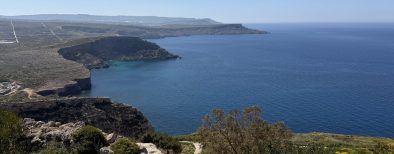
The site stands on the cliffs of Rdum il-Qammieħ, in the western part of Malta’s “fishtail,” and includes several buildings and barracks that have since fallen into ruin. 

Ċumnija Sewage Treatment Plant

Built in 2008 to treat wastewater from the North Malta catchment area, this facility is currently being expanded due to the population increase, to improve sludge reduction and increase the production of reclaimed water for agricultural use.

How to get there

By Car

Parking is available near St Thomas Bay.

By Public transport

Take a bus to Marsaskala, then walk towards St Thomas Bay. The trail begins just beyond the beach area.

bottlenosedolphin-plastic-ecomarinemalta

Marine Life Spotting

ECOMARKET 4 (1)

Summer Nights Market

Rdum il-Qammieh Coast-bluetide

Rdum il-Qammieħ Coast

Paradise bay ghar tuta cave-bluetide

Paradise Bay Għar Tuta Cave

Ghadira natura reserve-Bluetide

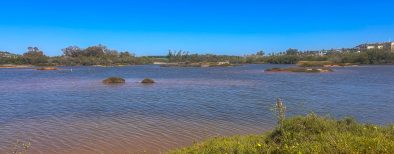
Għadira Natura Reserve

The red tower-Bluetide-bluetide

Red Tower, Paradise Bay

Rdum tal Madonna-background-bluetide

Rdum tal-Madonna

A Life Written in Scars

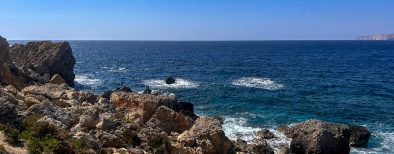
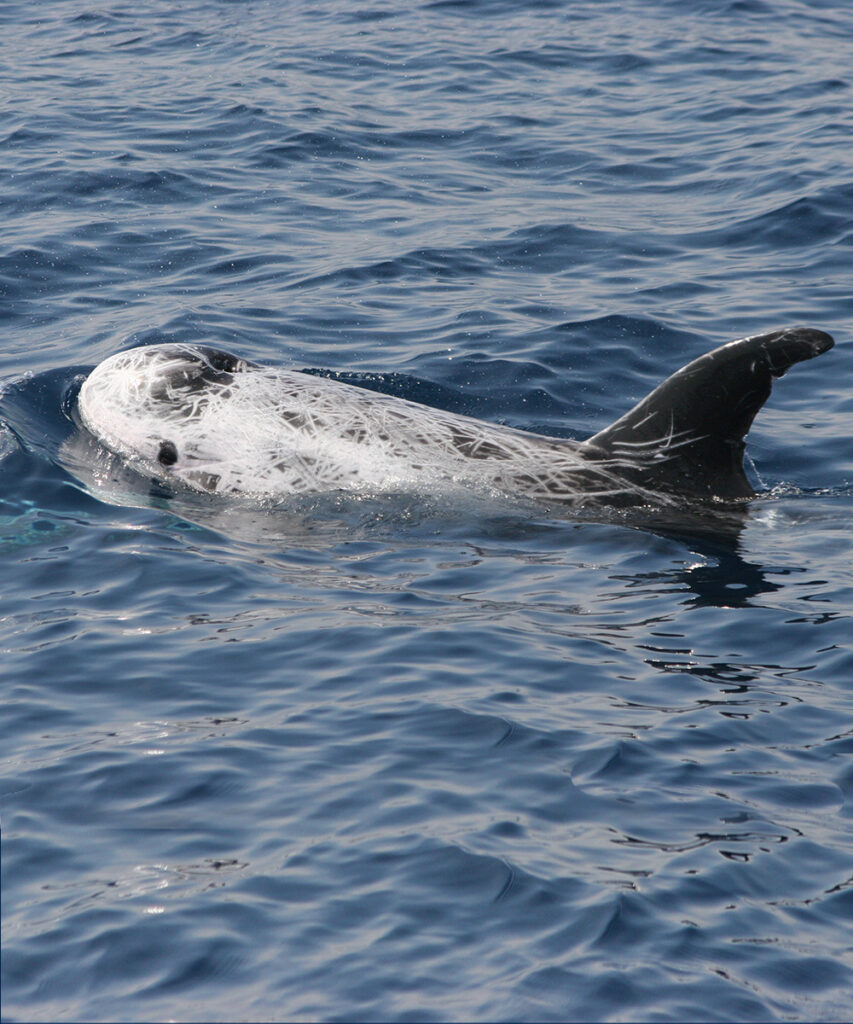
Walking westward, you will reach Radar Point — a spot that opens up one of Malta’s most breathtaking views. To one side, the rugged west coast stretches out before you; to the other, Comino and Gozo sit on the horizon. And beyond it all, the sea takes over completely. Somewhere out there, in the deep offshore waters between Malta, Lampedusa and Pantelleria, lives one of the Mediterranean’s most fascinating dolphins — the Risso’s Dolphin.

How to Spot Them

The Risso’s Dolphin is in a league of its own. One of the larger dolphin species, it can grow to almost four metres — already quite a surprise. But it is its appearance that truly sets it apart. Unlike the sleek, beaked dolphins most of us picture, the Risso’s has a large, rounded head with no snout at all. And then there is the skin: young animals are dark grey, but as they age their colour fades to a pale, ghostly white, covered in a pattern of scars — souvenirs of battles with other Risso’s and the squids they hunt in the deep. In 2021, the Mediterranean subpopulation of Risso’s dolphins was moved to Endangered on the IUCN Red List. Every encounter with this species is not just a privilege — it is a reminder of how much we still have to protect.

Ancient Traveller

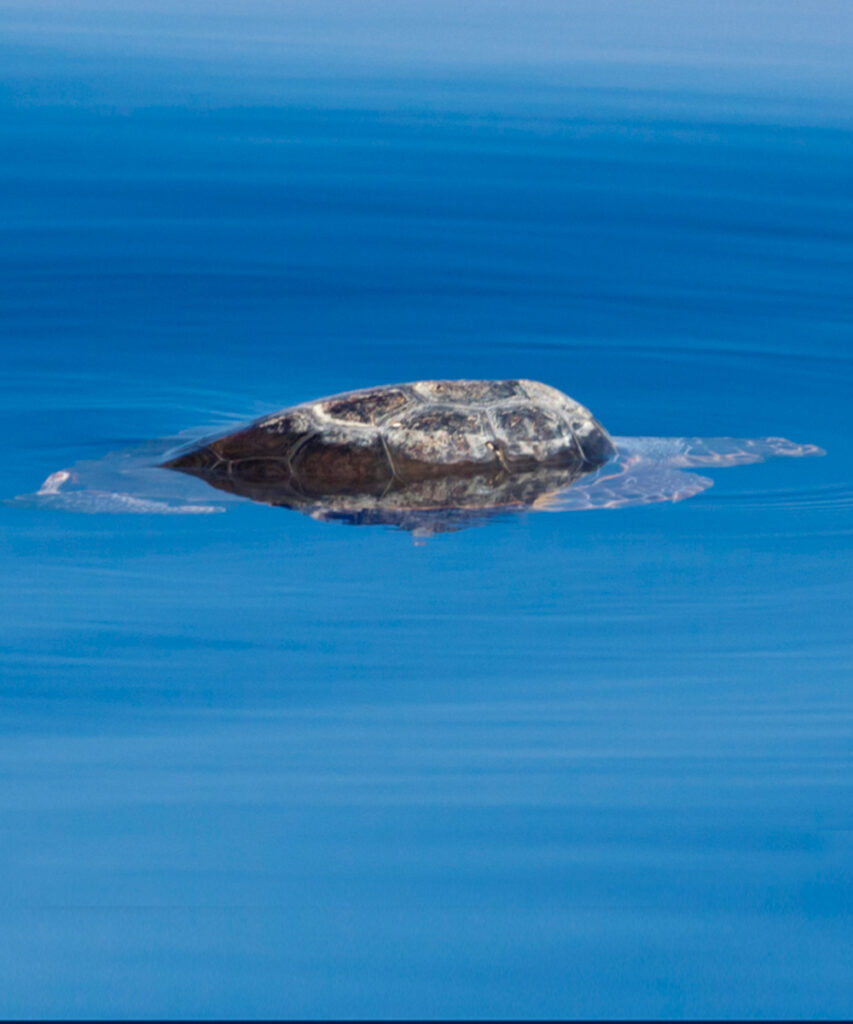
Malta sits at the heart of the Mediterranean, and this position makes it far more significant than it might seem on a map. Every summer, Loggerhead Turtles pass through the waters between Malta and Italy, following ancient routes driven by instinct, returning to the same feeding grounds year after year. Researchers have confirmed that Maltese waters serve as both a key migration corridor and a foraging area for this species, making our small archipelago a genuinely important piece in the Mediterranean conservation puzzle. What makes Malta even more special is that some of these turtles don’t just pass through; they stay to nest. Since 2012, nesting activity has been growing, with females coming ashore on beaches across both Malta and Gozo between May and August. 

Small Actions Big Impact

If you are out on the water in a boat, one of the simplest and most meaningful things you can do is slow down and follow the Code of Conduct. Boat strikes are one of the leading causes of injury and death for sea turtles in the Mediterranean, and reducing speed in offshore areas can make a real difference. These turtles have been navigating these seas for millions of years. With a little care from all of us, they will continue to do so.