
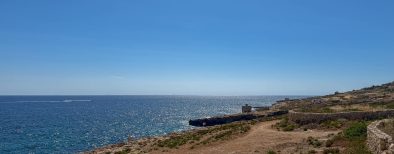
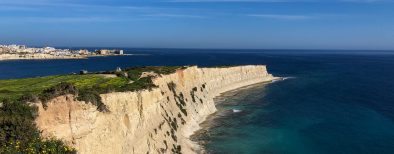
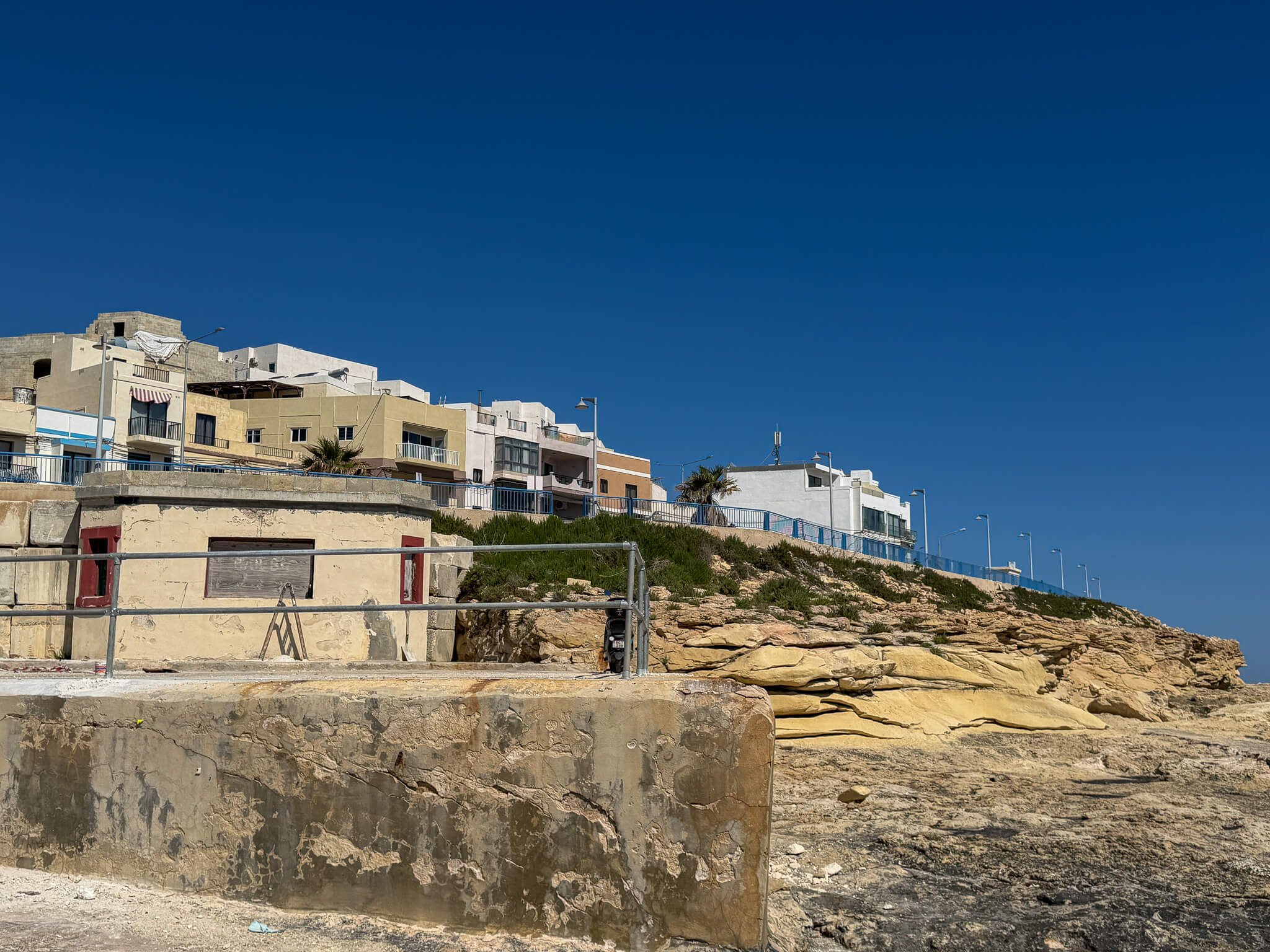
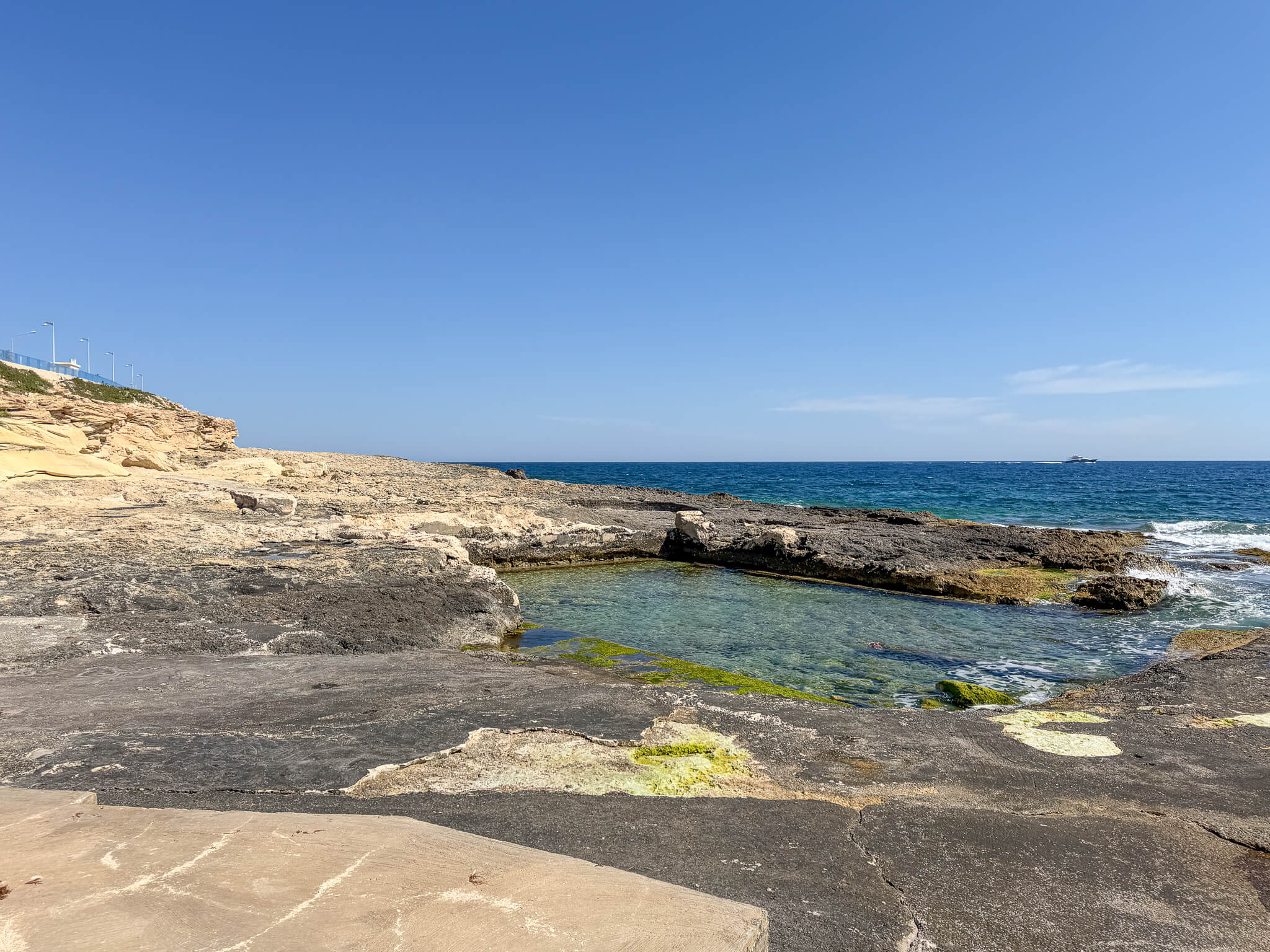
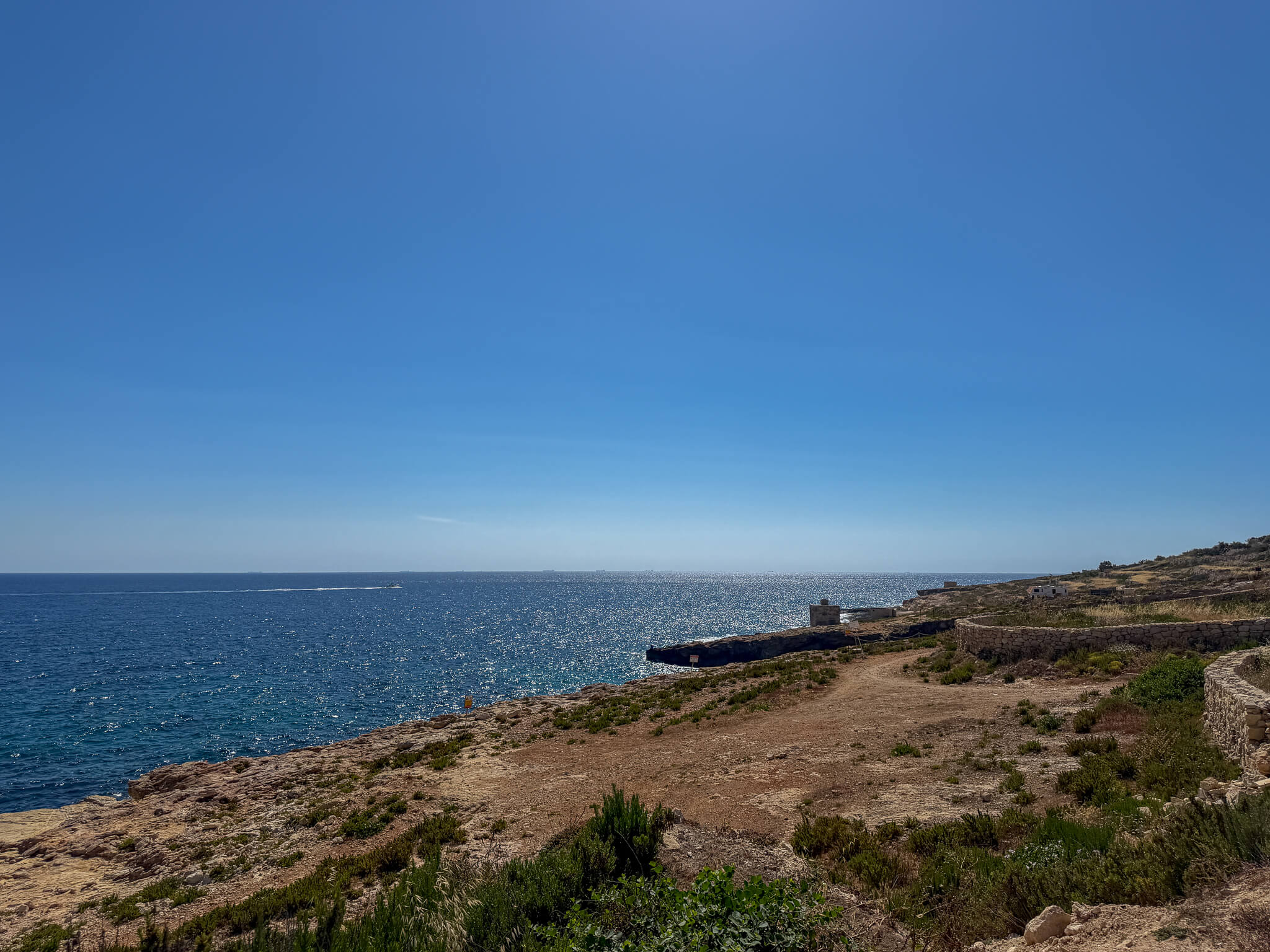
Xgħajra, located along Malta’s eastern coastline, is a quiet seaside village known for its peaceful atmosphere and distinct coastal charm. The area features scenic coastal paths and promenades that offer expansive views across the Grand Harbour and the surrounding waters.
Delle Grazie Battery
If you wish to take a minor detour before leaving this quaint village or extend your walk upon your return, you may want to explore the Delle Grazie Battery, constructed in 1889. This battery is hidden at the top of hilly landscape. It was constructed by the British Royal Academy of Arts and Royal Engineers as a concealed battery to house two 10-inch and two 6-inch Breech-Loading guns. This battery is now home to the Xgħajra Scouts group.
World War II Pillboxes
Along the walk, you may come across several WWII pillboxes, built by the British during World War II as part of a wider network of defensive positions across the island. These small, often inconspicuous structures were typically constructed from concrete, though some were built using limestone or rubble to better blend with the surrounding landscape. Their low profile and subtle design helped conceal them from aerial view. Slits in their thick walls allowed soldiers to fire machine guns and small arms while remaining protected inside.
Set against the vivid blue backdrop of the Mediterranean Sea, these pillboxes create a striking contrast—where remnants of wartime history stand quietly within an otherwise peaceful and scenic coastline.
The Watch Towers
Built in the 17th century during the rule of the Knights of Malta, these coastal watchtowers formed an essential part of the island’s early warning and defence system. Strategically positioned along the shoreline, each tower was carefully placed within sight of its neighbouring towers, creating a continuous line of communication around the islands.
When guards stationed at a tower spotted suspicious ships or signs of an approaching threat, they would light a fire or send up smoke signals. This alert would then be relayed rapidly from one tower to the next, allowing news of potential danger to spread across the coastline in a matter of minutes, giving defenders valuable time to prepare.
One of these towers, Torri ta’ Triq il-Wiesgha, can be spotted along the Xgħajra trail.
Ta' Barkat Sewerage Treatment Plant
Malta is served by three sewerage treatment plants, one of which is located on its sister island, Gozo. The plant at Xgħajra Sewage Treatment Plant is the largest of the three, processing up to 80% of the country’s wastewater.
Inaugurated in 2011, this facility marked a major step forward in environmental management. Prior to its construction, untreated wastewater was discharged directly into the sea, negatively impacting water quality. Since becoming operational, the plant has significantly improved bathing conditions along the coast, contributing to cleaner and safer waters for both residents and visitors.
However, there have been occasional reports of polluted water and foul smells in the area. Treated water is discharged into the sea offshore from the plant, and at times, large numbers of birds can be observed in this area. This is due to the presence of nutrients in the treated effluent, which attract fish and, in turn, seabirds.
If you notice sludge, discoloured water, or detect a foul smell, it is advised not to swim in the area and to report the issue to the relevant authorities.
A Peaceful Escape
Only a few places along Malta’s coast offer true peace and quiet, and this stretch remains largely untouched, likely due to its low profile and distance from main villages.
In winter, Xgħajra feels especially tranquil, offering scenic coastal walks, open sea views, and a sense of escape from busier areas. It’s also rich in history and viewpoints.
If you can, catch the sunrise here—especially in summer—when the day begins with calm waters and a peaceful swim alongside locals, making it a perfect retreat from crowded beaches.
How to get there
By Car
Parking is available on street along the promenade.
By Public transport
Take a bus to Xgħajra and stop as you reach the promenade. The trail begins just beyond the Xgħajra beach.
Dolphins across Xgħajra
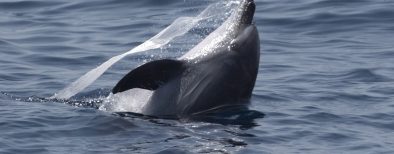
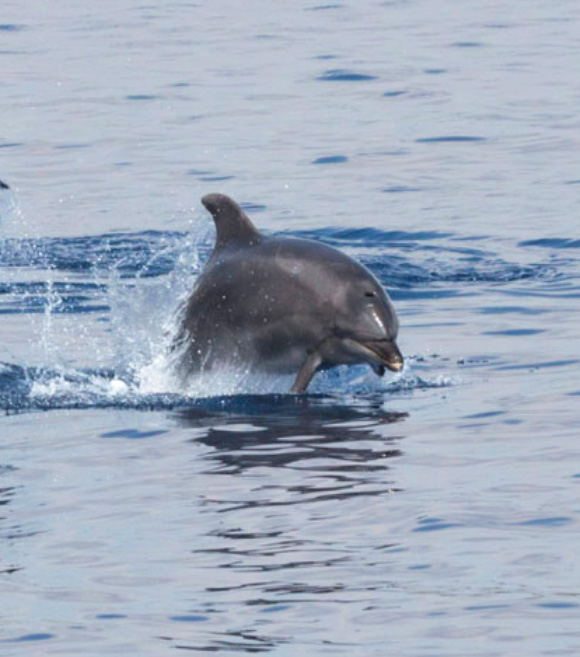
If you bring along a good pair of binoculars and a little patience, you may be rewarded with one of the most exciting sights the Maltese sea can offer: Bottlenose Dolphins. They are often spotted in the coastal area of Xgħajra and Zonqor Point. The dolphin community often travel between their feeding grounds in Delimara to an offshore area across from Xgħajra.
How to Spot Them
Look for the dorsal fin: tall, curved, and triangular, it’s the most visible part when a dolphin surfaces. Watch for movement: smooth arcs breaking the water’s surface, sometimes in small groups or high and acrobatic jumps!
Birds and Sewage
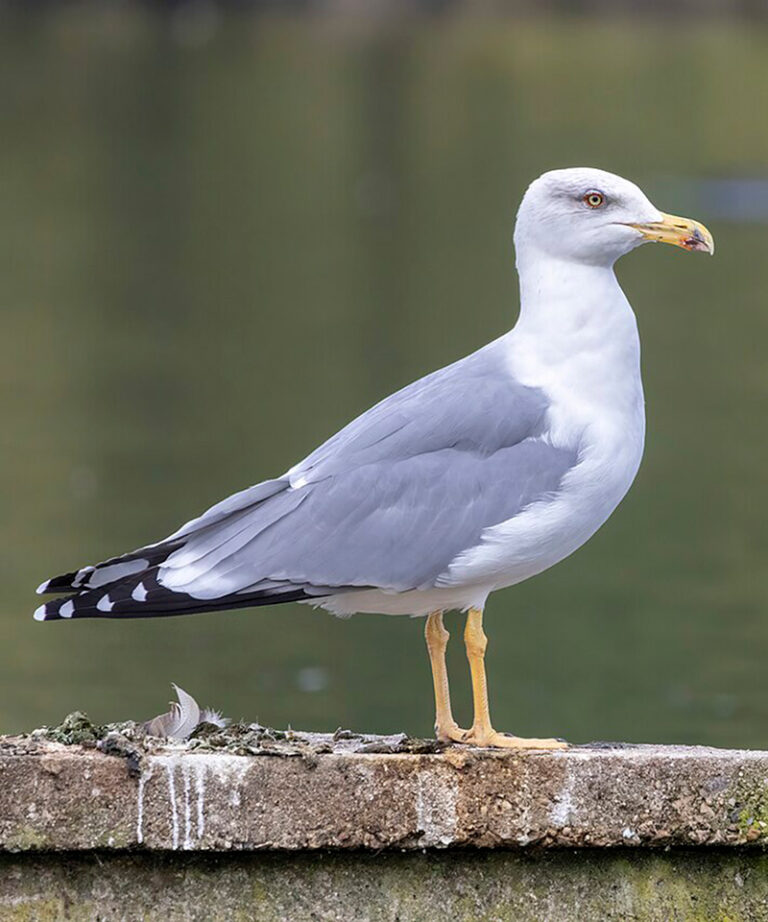
The presence of the sewage discharge pipe located at the edge of Xgħajra creates the conditions for the presence of many birds.
Seagulls are the most frequent, with several species present. The most iconic is the Yellow-legged Gull (Larus michahellis), also known as the Gawwija Prima in Maltese. It is common in the Maltese Islands and is a protected species.