The Madliena Tower
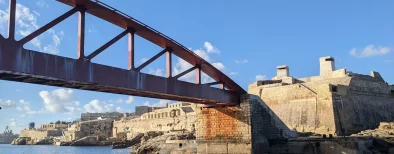
Madliena Tower, built in 1658 on elevated ground in Pembroke near a former medieval watch post, was positioned between St Mark’s and St George’s Towers and followed the typical De Redin design.
Originally a square, two-storey structure with a rooftop turret, it later gained nearby defensive features such as a fougasse (around 1741) and an 18th-century entrenchment, now mostly lost.
Today, the tower is maintained by Wirt Artna and can be visited by appointment.
Desalination Plant
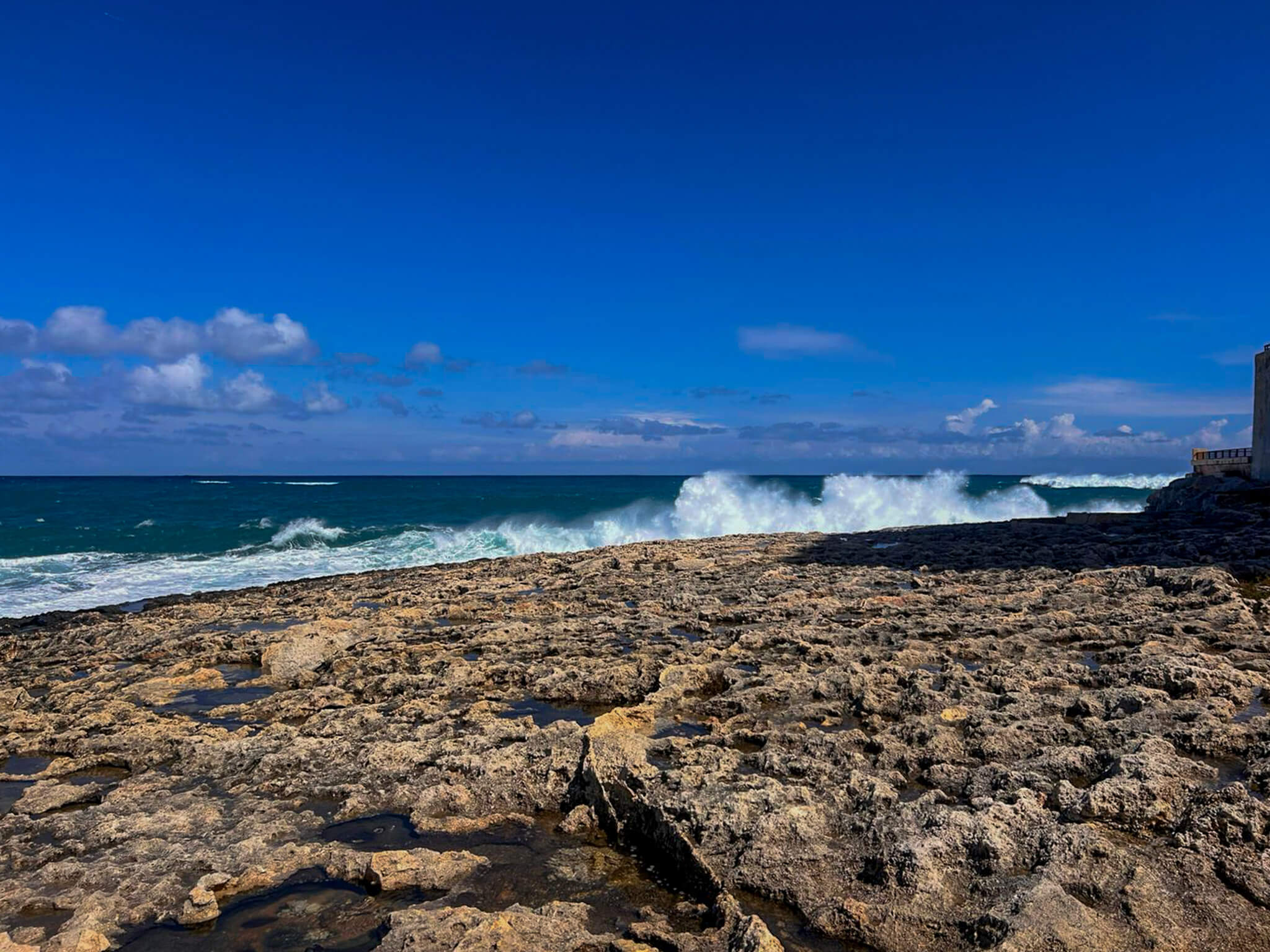
The Natura 2000 landscape is partially interrupted by a reverse osmosis plant, one of four facilities that desalinate seawater to produce potable water in Malta. As a result of this process, which removes salt from seawater, the bay may be slightly saltier due to the discharge of concentrated brine. However, swimming here is still considered safe, thanks to the generally good water quality and easy access to the sea.
White Rocks
The White Rocks complex, spanning about 450,000 square metres, was built in the 1960s by British Forces in Malta as St Patrick’s Officers’ Married Quarters, providing housing for military families.
After the British departure in 1979, it was handed to the government and later converted into a holiday complex, hosting language school students during summers until 1995.
Various redevelopment plans have failed over the years. As of 2025, there are proposals to turn the area into a National Park for families, with designs still under discussion.
An ugly truth
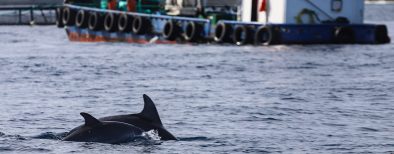
Close to Pembroke, in the neighbouring village of Baħar iċ-Ċagħaq, lies the Mediterraneo Marine Park. Although it is presented as an educational attraction, concerns have been raised about the conditions in which some animals are kept. Visitors have reported dolphins confined to relatively small enclosures, reptiles housed in poorly maintained tanks, and birds kept in limited spaces.
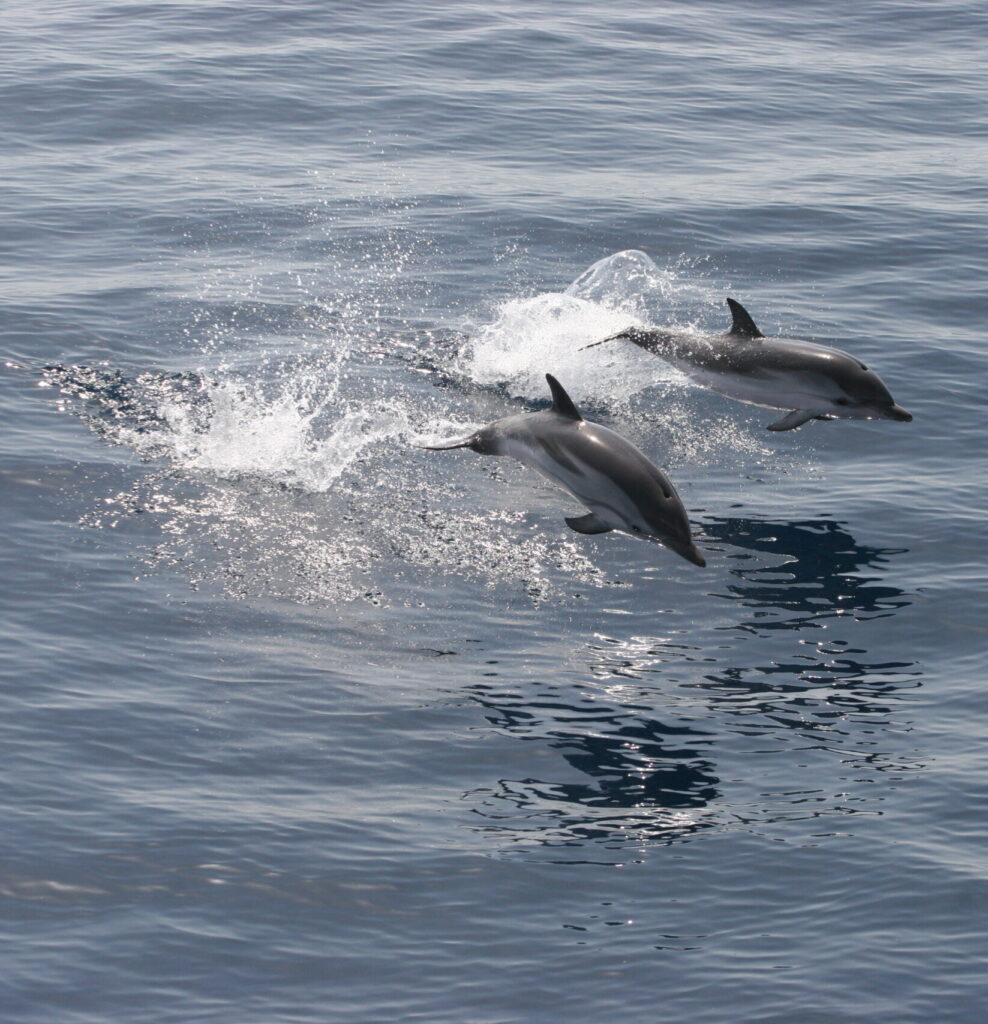
This is particularly worrying in the case of dolphins. These animals are highly intelligent, social, and naturally wide-ranging, often travelling long distances in the wild each day. When kept in confined environments, they can experience stress, boredom, and behavioural changes. Limited space and lack of environmental stimulation can affect both their physical health and mental wellbeing.
It is important to think critically about whether the conditions provided in these types of facilities truly meet the needs of the animals, or whether alternative approaches—such as observing wildlife in natural habitats or supporting genuine conservation initiatives—might be more ethical.
Fancy a Challenge?
For those seeking a bit more adventure, the area transforms once a year—towards the end of May or beginning of June—into an obstacle-filled running trail. The event welcomes participants of all fitness levels and is a great opportunity for team-building with friends or colleagues.
How to get there
By Car
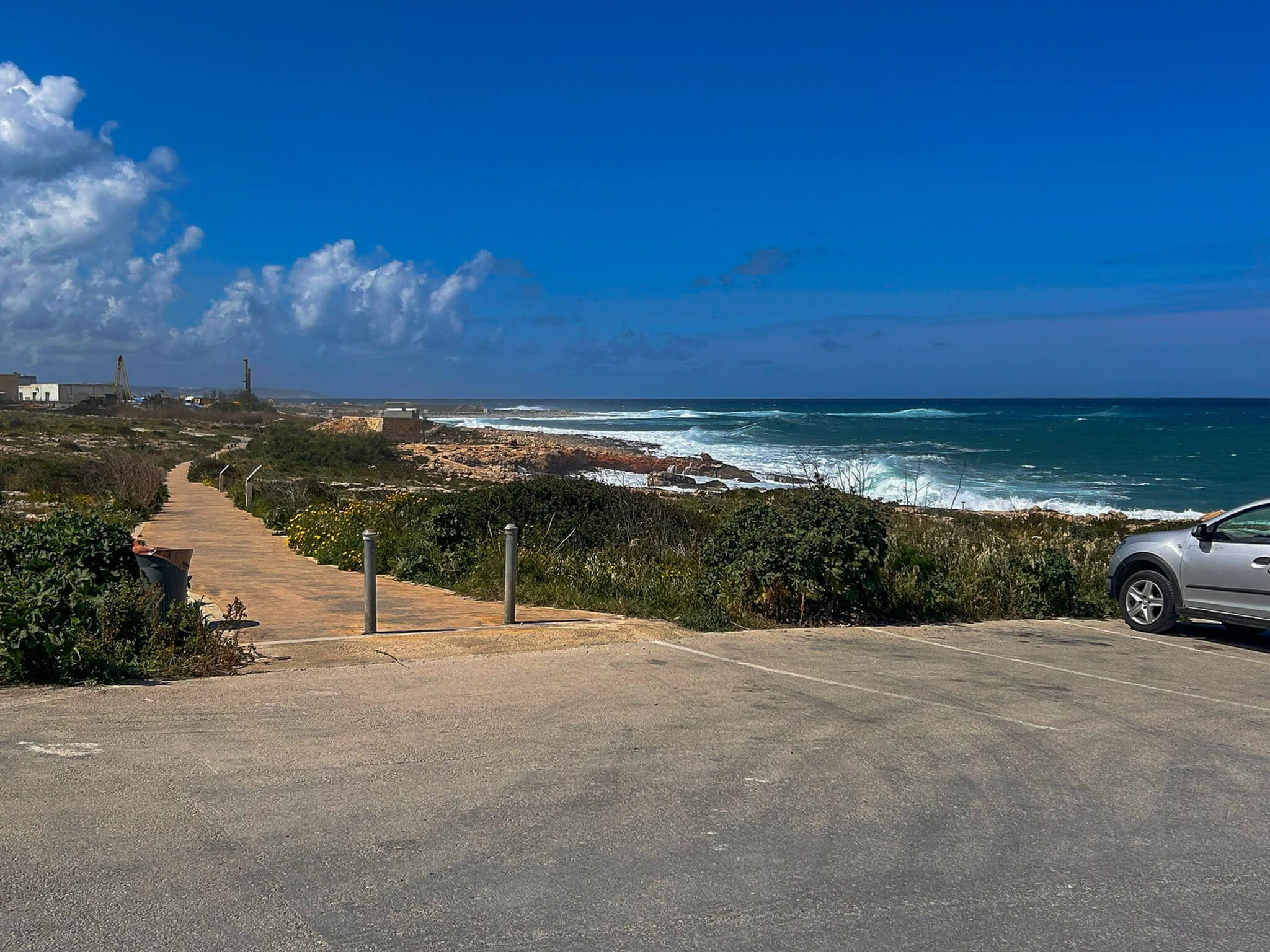
Parking is available on the roadside along most of the coast road.
By Public transport
Take a bus to Pembroke. There are several stops along the sea.