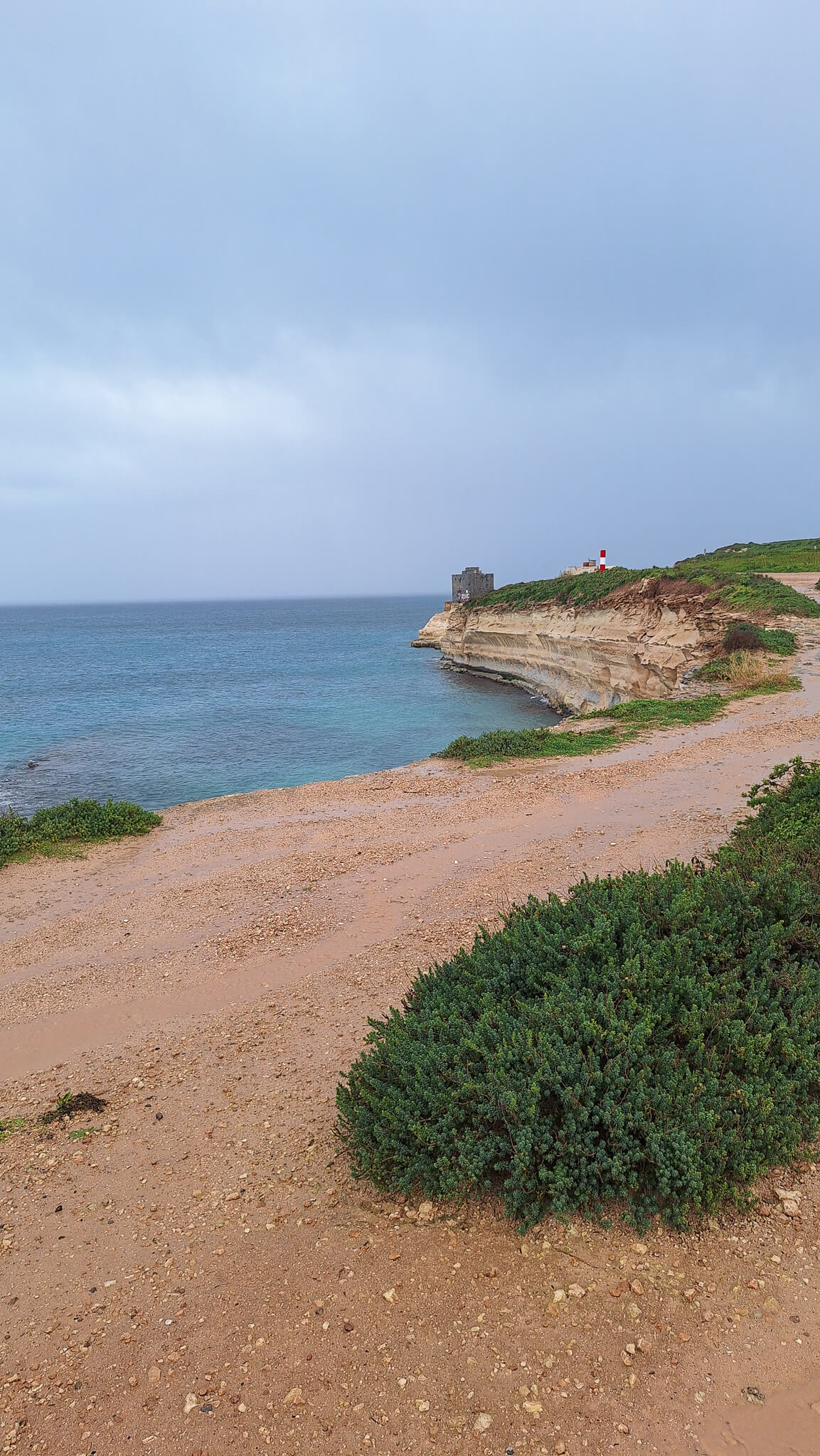
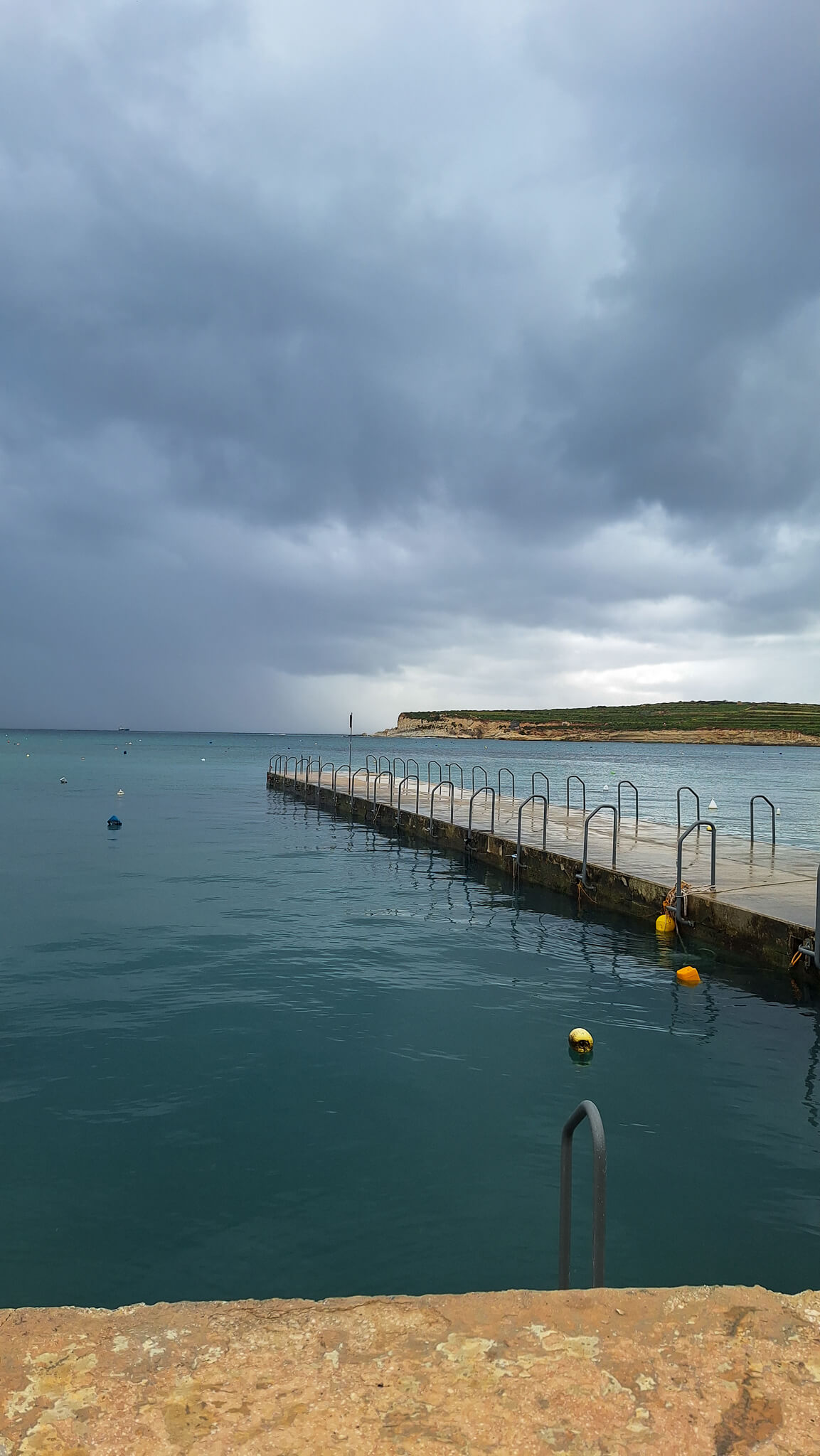
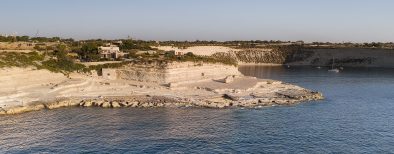
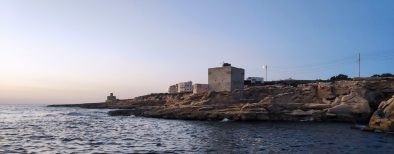
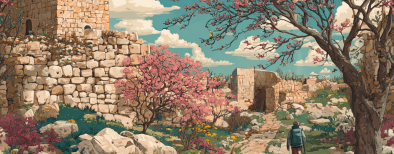
Munxar, located near Marsaskala, is an area with a scenic walking trail that begins near St Thomas Bay and stretches along the coastline, leading to Xrobb l-Għaġin Nature Park. Munxar is not just a walk — it’s an open window onto Malta’s marine environment, where every step tells a story of sea, nature, and history.
The Munxar Window – A Natural Frame
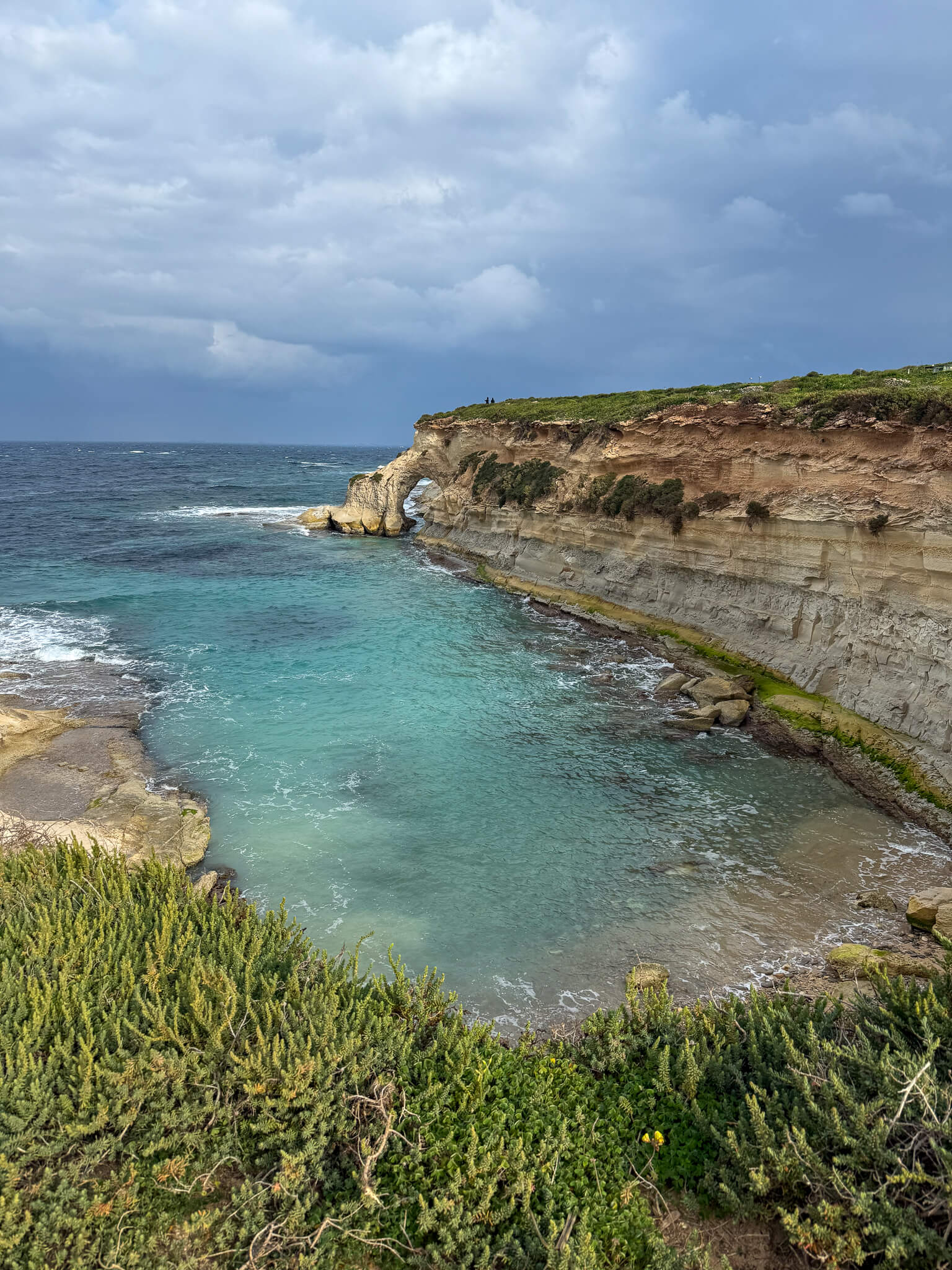
As you walk along the cliffs, pause for a moment and look carefully: the sea has carved a natural arch into the limestone. Locals call it the Munxar Window. Through it, the Mediterranean stretches endlessly, like a living painting waiting for you to notice.
The Mystery of the Cart Ruts
Keep your eyes on the ground. Etched into the rock underwater are deep parallel grooves known as cart ruts. No one knows for certain how old they are or why they were made. Standing there, you can’t help but wonder: who passed through here centuries ago, and what stories did they leave behind?
A View with Layers of History
From the cliffs, the wide sweep of St. Thomas Bay opens up below. Its name recalls a medieval chapel dedicated to the Apostle, while the headland itself — Ras il-Munxar — comes from the Maltese word for “saw,” a reminder of the jagged stacks that once jutted into the sea. Terraced fields still shape the land, showing how people have lived alongside this coast for generations.
Mamo Tower – Sixteen Sides of Strength
As you approach St. Thomas Bay, a curious fortress catches the eye. This is Mamo Tower, built in 1657 with an unusual sixteen-sided design to guard against pirate raids. Imagine the watchmen of the Knights of St. John scanning the same horizon you see today.
The Silent Story of the Jerma Palace
In the distance, a stark contrast rises: the abandoned shell of the Jerma Palace Hotel. Once a symbol of luxury in the 1980s, today it stands in ruins, overlooking the same coast where timeless cliffs and sea continue their dance. It’s a reminder of how human footprints can fade, while nature endures.
How to get there
By Car
Parking is available near St Thomas Bay.
By Public transport
Take a bus to Marsaskala, then walk towards St Thomas Bay. The trail begins just beyond the beach area.
Dolphins Around Munxar
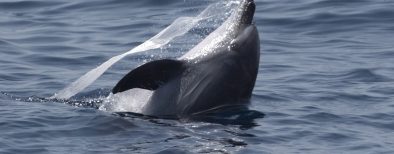
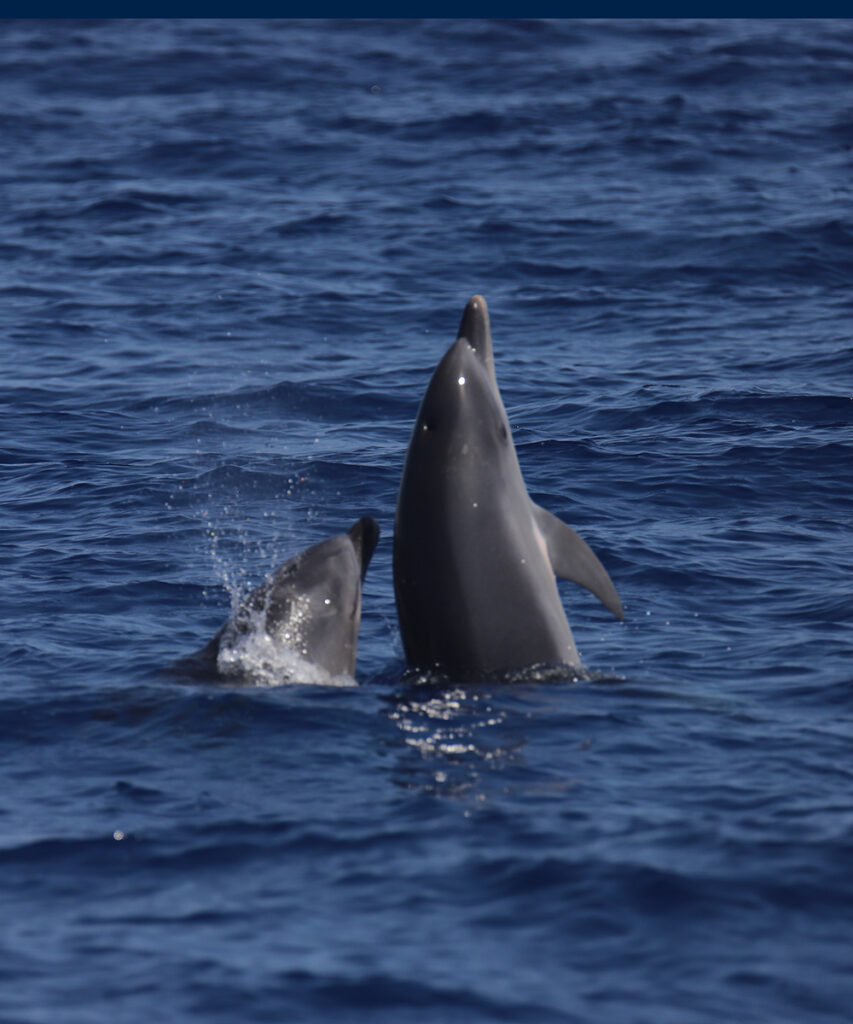
If you bring along a good pair of binoculars and a little patience, you may be rewarded with one of the most exciting sights the Maltese sea can offer: bottlenose dolphins. They are sometimes seen in the area offshore Munxar and especially around the fish farms near Delimara.
How to Spot Them
Look for the dorsal fin: tall, curved, and triangular, it’s the most visible part when a dolphin surfaces. Watch for movement: smooth arcs breaking the water’s surface, sometimes in small groups or high and acrobatic jumps! Stay alert around the farms: dolphins are known to approach fish cages because they’re an easy place to find food.
Aquaculture in Malta
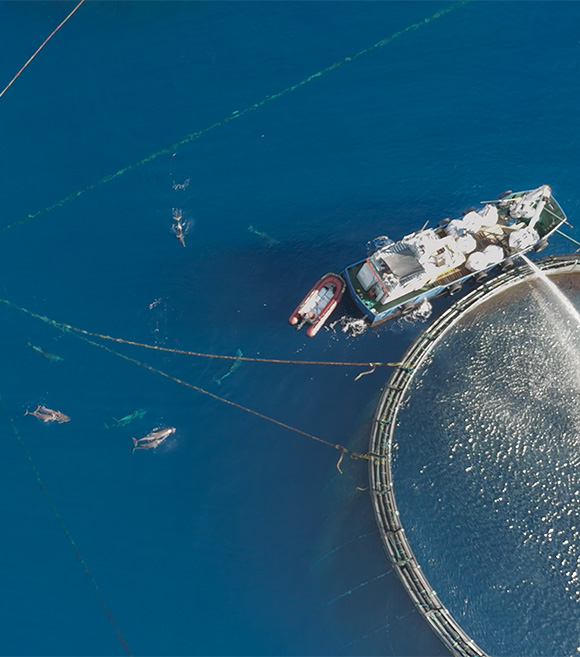
As you walk along the Munxar Path, from different viewpoints, you’ll notice a cluster of circular structures floating offshore. These are the fish cages that make up Malta’s aquaculture site at Delimara. Each cage looks like a giant floating ring on the surface, but what you see above water is only part of the story: beneath the surface, nets extend downward to contain the fish while allowing seawater to flow freely.
Dolphins & Fish Farms
The interaction between dolphins and aquaculture is a subject of ongoing research. At EcoMarine Malta, researchers are studying how often dolphins visit the farms, what attracts them there, and the impact this has on both the dolphins and aquaculture operations. Understanding these interactions is crucial to balancing marine conservation with human activity.
Yellow-Legged-Gull
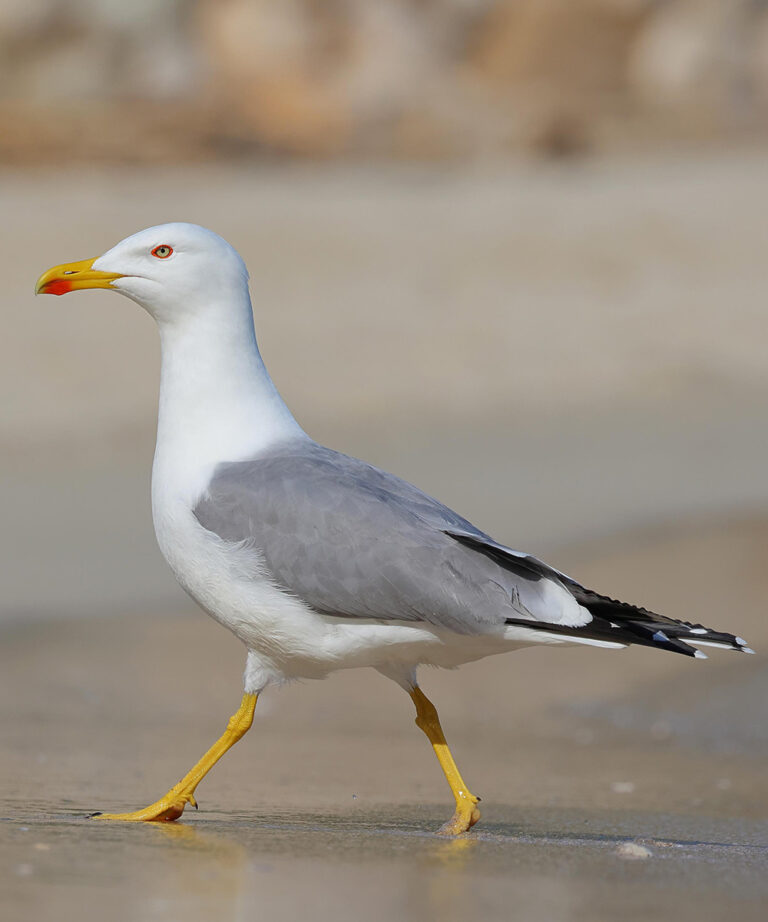
While Munxar is not the best-known birdwatching site in Malta, it is still possible to spot seabirds from the cliffs and around the Delimara aquaculture site at different times of the year. One species who is always there is the Yellow-legged Gull, known in Maltese as Gawwija Prima. Malta is home to several breeding seabird species, and this is by far the most visible one, present all year round.
One of Malta’s largest breeding seabirds, it nests on cliff faces across Malta and Gozo, with a well-established colony on the islet of Filfla. Both adults and juveniles tend to gather around fish farms — a reliable food source in an otherwise demanding sea. Opportunistic and adaptable, they fish, scavenge and are not above stealing a meal from a neighbouring bird.
If you have ever been to a seaside town in Italy or Spain, you will know the type — gulls that land on your table, steal your lunch and barely flinch when you wave them away. In Malta it is a different story. Here they keep their distance, watchful and unhurried but never quite comfortable around people. They are still wild in the true sense of the word, and that is something worth noticing. Keep an eye out for the younger birds too — their mottled brown feathers make them look like an entirely different species compared to the neat grey-and-white adults. It takes up to four years before they grow into their full colours.