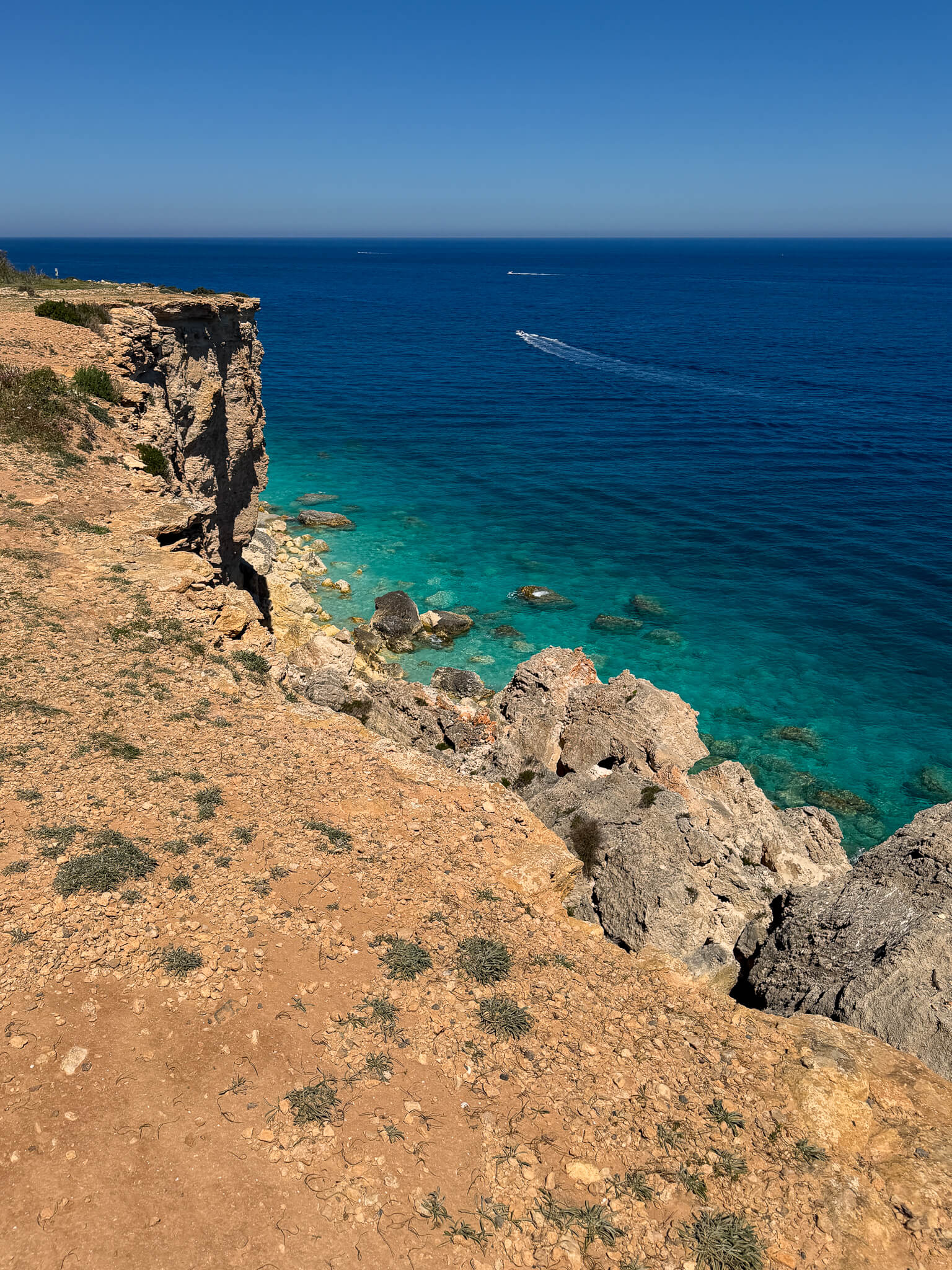
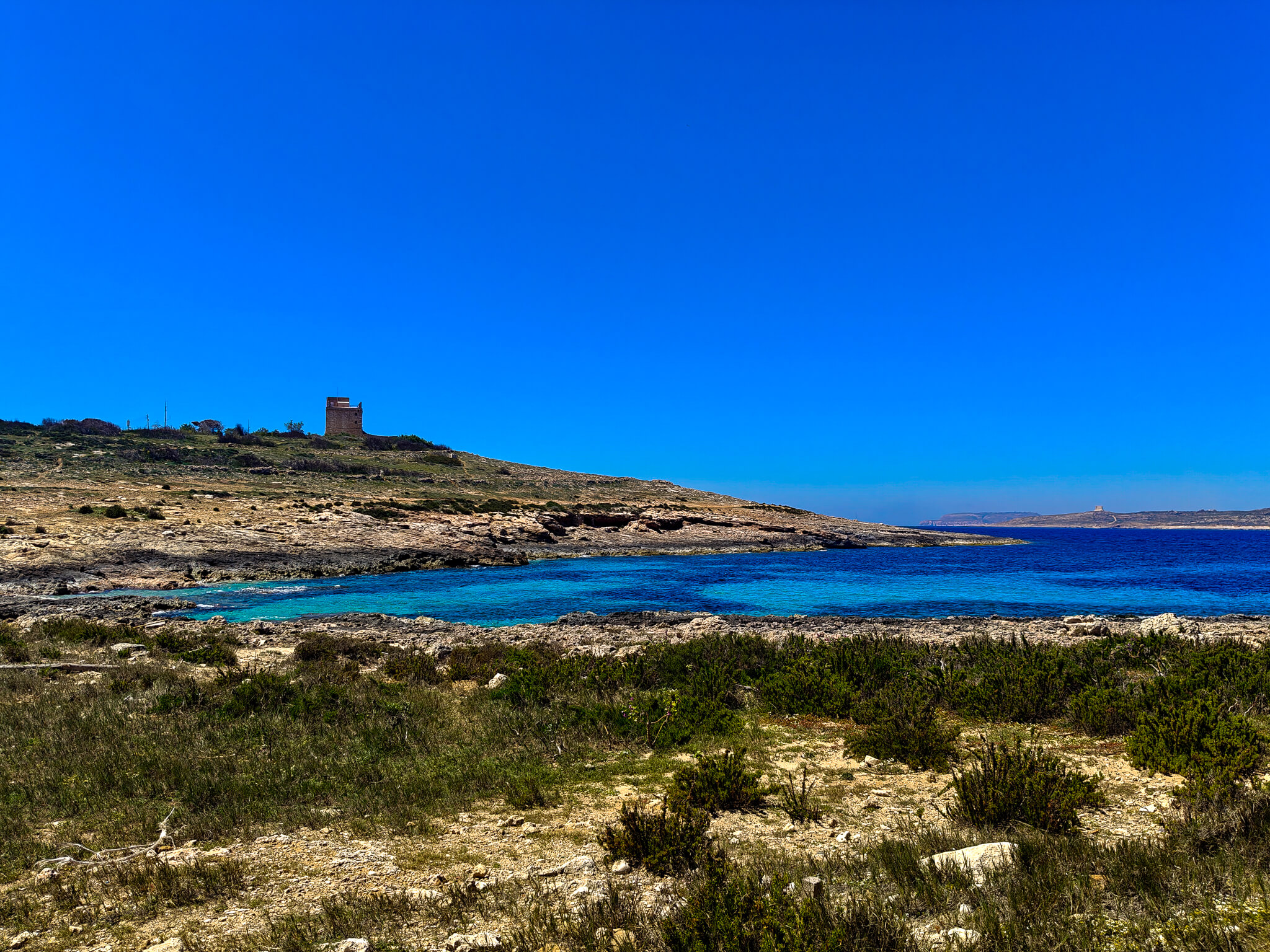
Rdum tal-Madonna, situated on Malta’s northern coast, is a protected cliff area important for wildlife and natural habitats. The area features walking trails and offers panoramic views towards the open Mediterranean Sea.
Camping in Mellieħa
If you enjoy the outdoors and prefer a more natural setting, this area offers well-equipped camping facilities. Whether you stay for a night, a weekend, or longer, you’ll be treated to stunning coastal views that make it easy to unwind and switch off.
Coral Lagoon
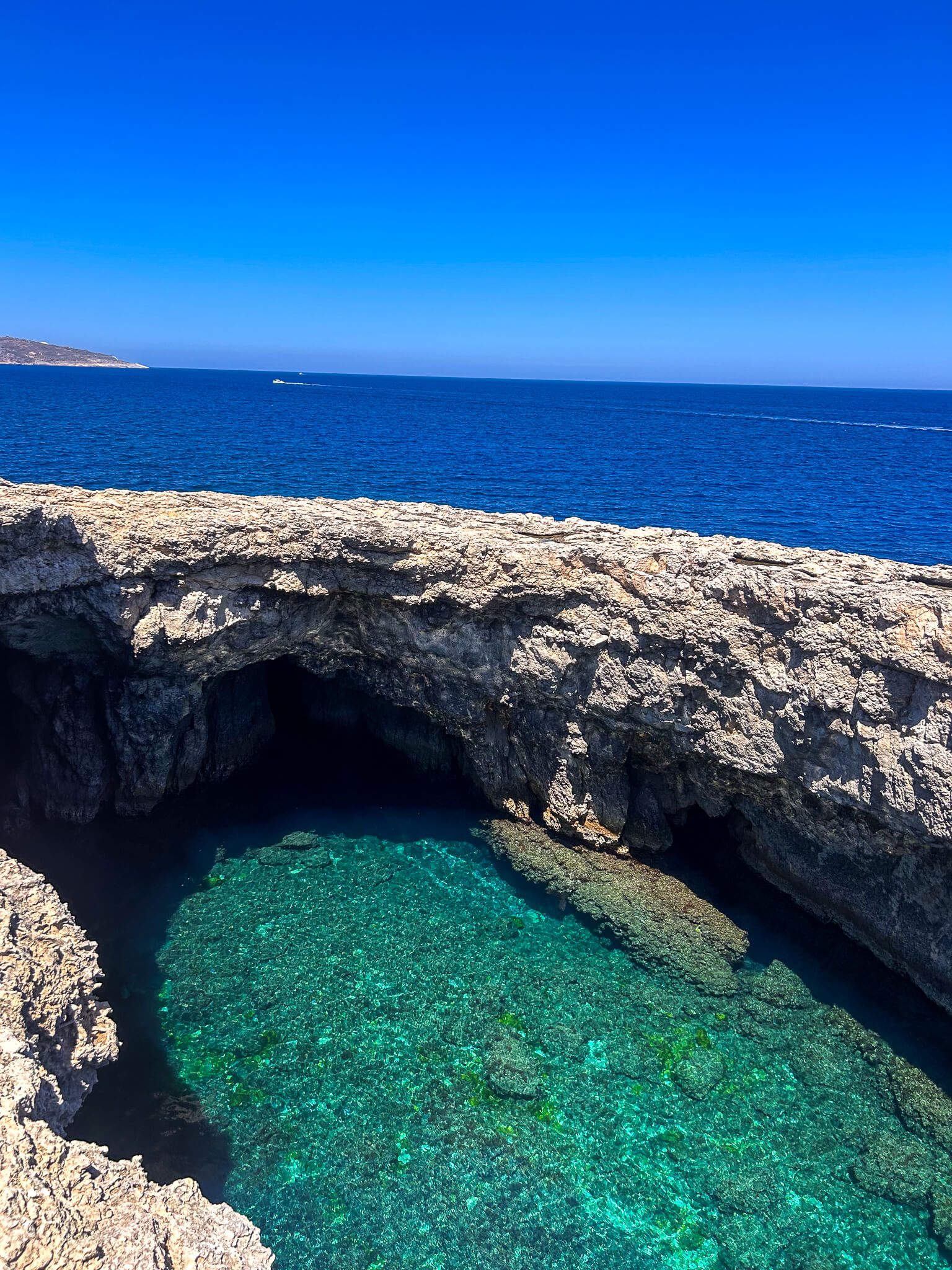
The beautiful Coral Lagoon was once a sea-level cave; after its roof collapsed, it formed a striking natural pool with crystal-clear water. It can be reached either by a walk from the Chapel of the Immaculate Conception or by renting a kayak from Armier and approaching it from the sea. This lagoon is well-worth a visit. Avoid busier periods by going early in the morning or late afternoon.
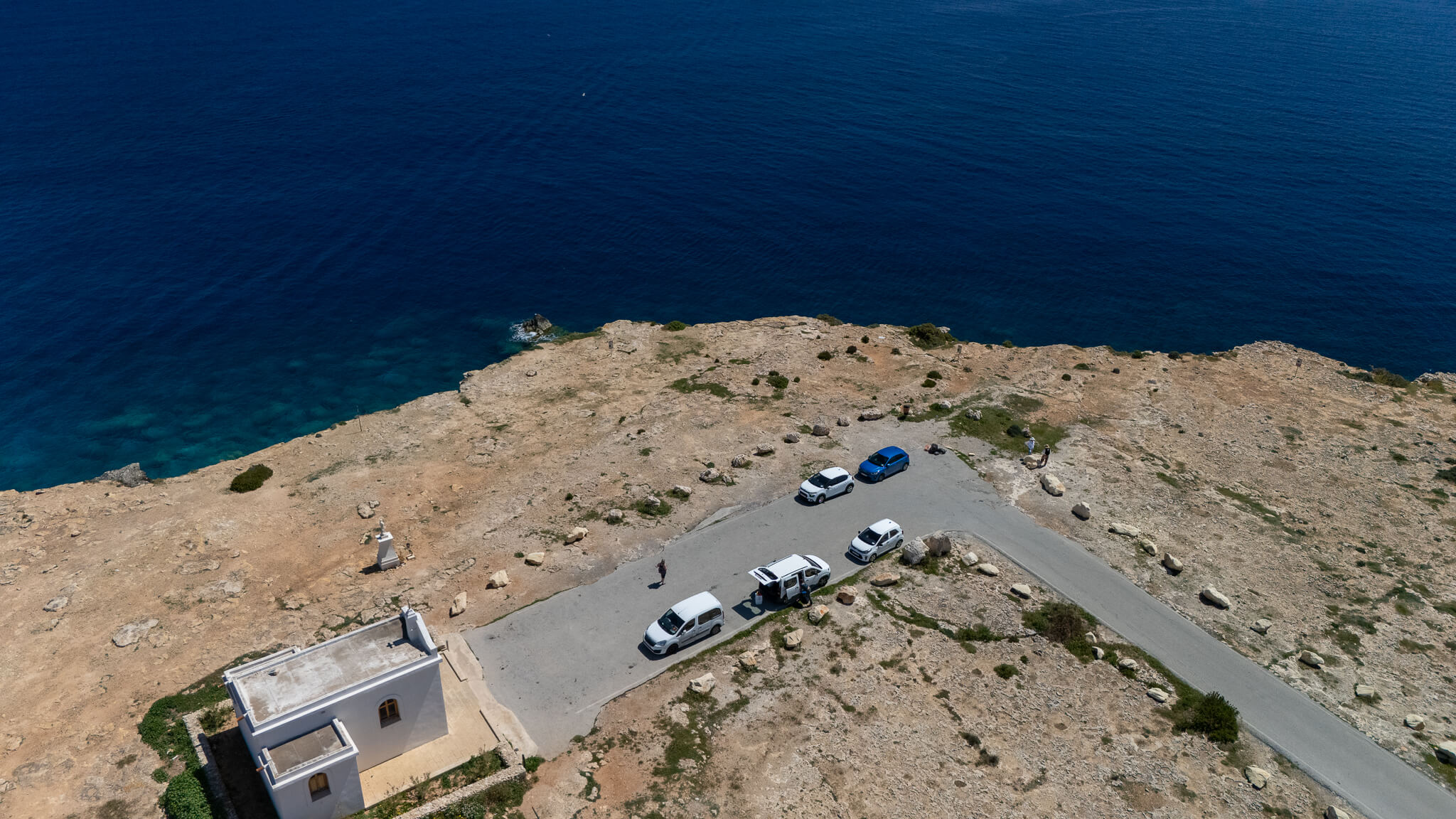
Chapel of Immaculate Conception
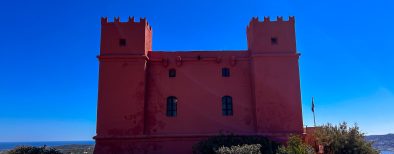
This modest chapel stands on a promontory in Mellieħa and is dedicated to those who lost their lives at sea, while also expressing gratitude for those who were spared. It was built in the 19th century after two fishermen were caught in a storm—tragically, only one survived.
How to get there
By Car
Parking is available along sections of the road leading to Rdum tal-Madonna and close to the chapel.
By Public transport
Take a bus to Qammieħ on the way to Cirkewwa. There is a long walk along the main road leading to the Chapel.
Common, but not so Common Dolphins
In the deeper waters between Malta, Gozo and Sicily, the Common dolphin is a known presence, though rarely seen from shore. Once widespread across the Mediterranean, numbers have declined sharply in recent decades. A regular inhabitant of these seas in name, this species carries an ironic truth: Listed as Endangered on the IUCN Red List in the Mediterranean, every glimpse of them is a rare privilege. And they are not alone out there…
How to recognize them
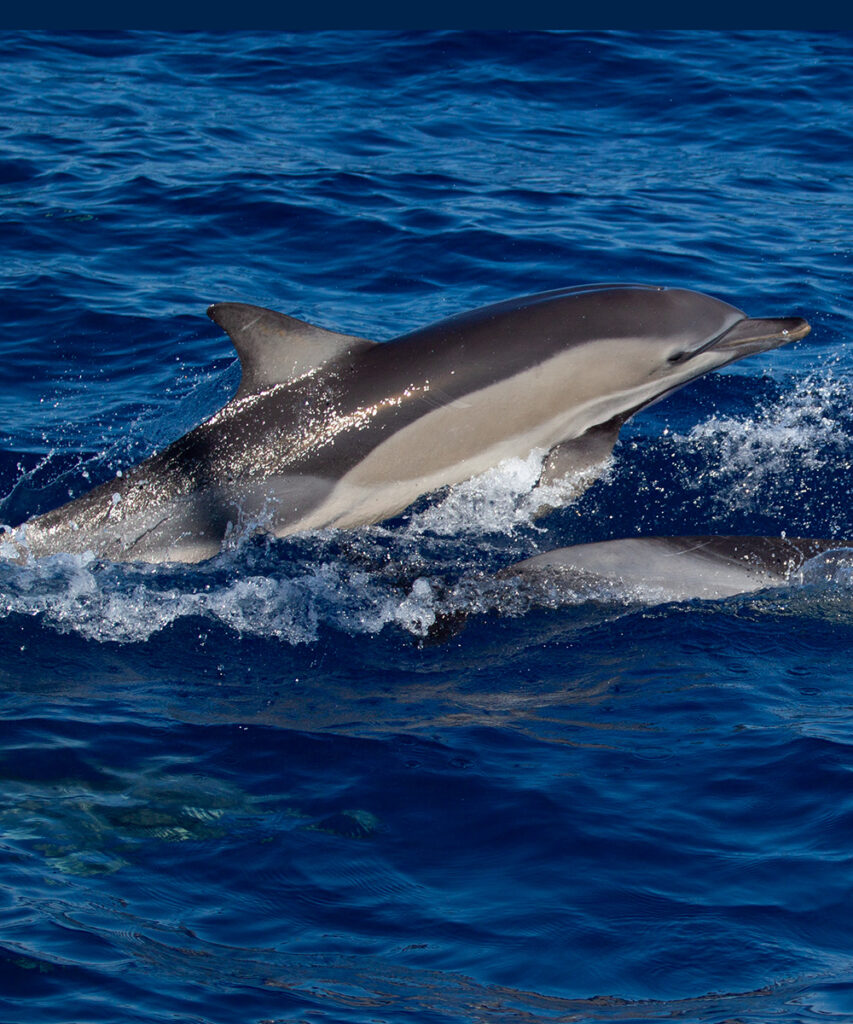
Sleek and fast, the Short-beaked Common dolphin is one of the most strikingly coloured cetaceans in the Mediterranean. Look for the distinctive hourglass pattern on their sides — a vivid mix of yellow, grey and white, with a dark cape running from the forehead to the tail, and a short, well-defined beak.
Aquaculture in Malta
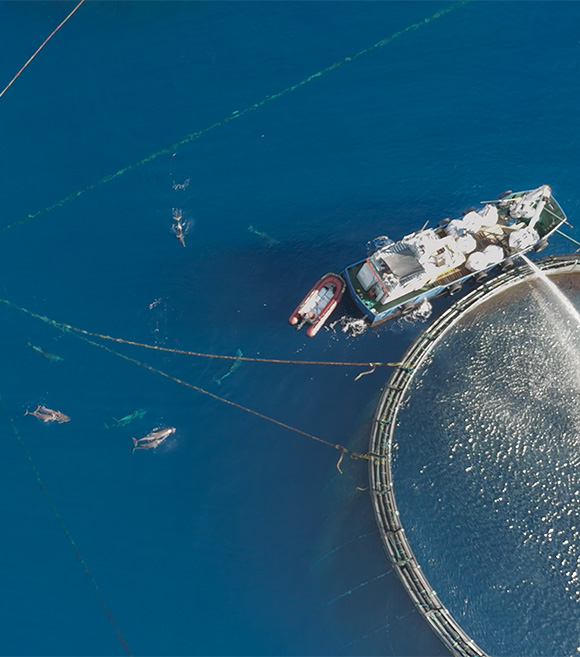
As you walk along the coast, from different viewpoints, you’ll notice a cluster of circular structures floating. The ones closer to shore are the fish cages used for the production of seabream/seabass, whilst the ones seen offshore are tuna farms..
Each cage looks like a giant floating ring on the surface, but what you see above water is only part of the story: beneath the surface, nets extend downward to contain the fish while allowing seawater to flow freely, feeding is managed from boats or automated systems, and the entire structure is continuously monitored to ensure fish health and cage safety.
Dolphins & Fish Farms
The interaction between dolphins and aquaculture is a subject of ongoing research. At EcoMarine Malta, researchers are studying how often dolphins visit the farms, what attracts them there, and the impact this has on both the dolphins and aquaculture operations. Understanding these interactions is crucial to balancing marine conservation with human activity.