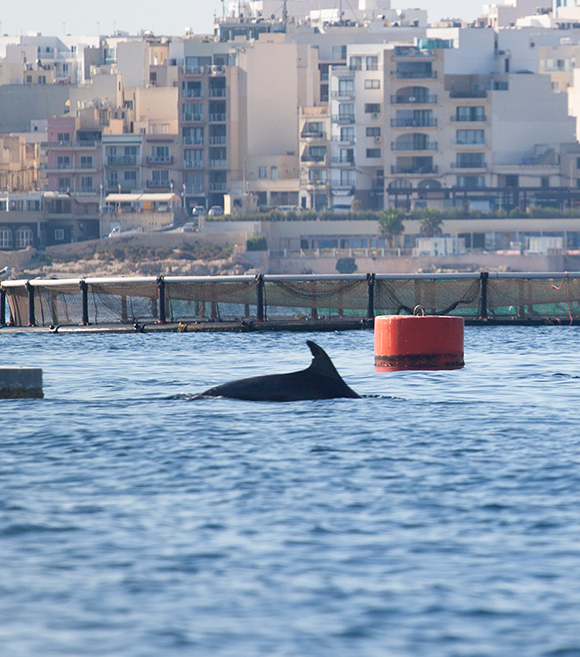
The Maltese Islands are precious gems located in the heart of the Mediterranean Sea. Positioned at the crossroads of currents entering from the Strait of Gibraltar and those flowing from the eastern Mediterranean basin, the surrounding waters are rich in biodiversity, which play an important role in shaping the region’s trophic chains. Below you can explore some of the species which may be observed in Maltese and surrounding waters.
Cetaceans of the Mediterranean Sea
Cetaceans, which include dolphins, whales and porpoises, belong to the order Cetacea, a term derived from the ancient Greek word ketos, meaning whale. Over millions of years, they have evolved from land-dwelling mammals into the fully aquatic animals we observe today. Through a series of remarkable adaptations, cetaceans have been able to survive and thrive in one of the most challenging environments on Earth: the ocean.
Although dolphins and whales spend their entire lives in the water, they retain many key characteristics of terrestrial mammals. They breathe air using lungs, are warm-blooded, give birth to live young, and nurse their offspring with milk. At the same time, they possess distinctive features that enable life in the marine environment, including powerful tail flukes for propulsion, a blowhole located on the top of the head for breathing, and a dorsal fin that aids stability while swimming.
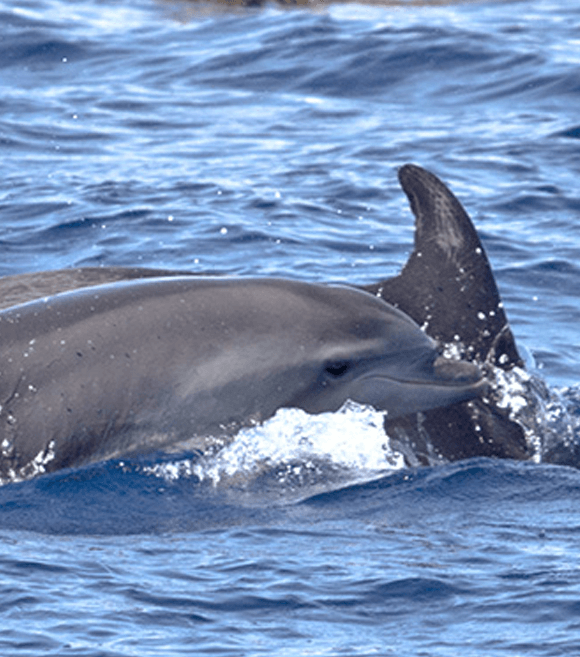
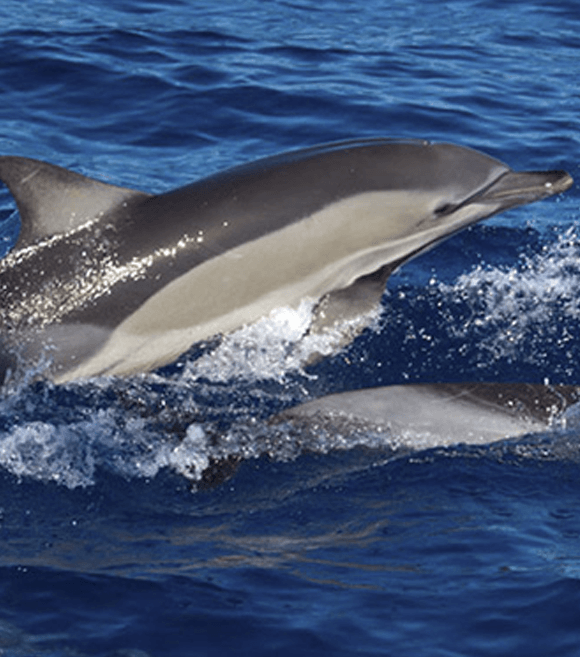
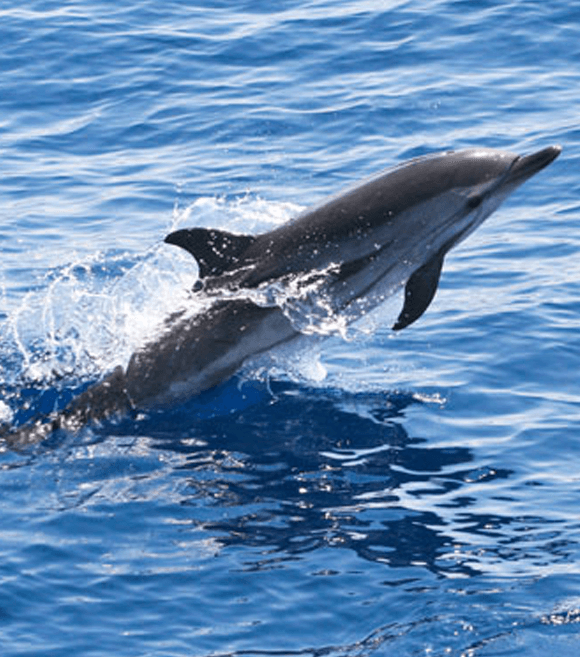
Globally, there are almost ninety species of cetaceans, which are divided into two main groups: odontocetes and mysticetes. Odontocetes are toothed whales, while mysticetes possess baleen plates instead of teeth, allowing them to filter plankton and small prey from the water. Eight cetacean species are found in the Mediterranean Sea, and all of these have been recorded in Maltese coastal waters. The three most frequently encountered species however, are the bottlenose dolphin, the short-beaked common dolphin and the striped dolphin.
Odontocetes
Odontocetes, commonly referred to as toothed whales, are comprised of seventy-three recognized species, including dolphins, porpoises, beaked whales, and sperm whales. In addition to possessing conical-shaped teeth, this group differs from other cetaceans by having a single blowhole located centrally on the top of the head, with the notable exception of the sperm whale, whose blowhole is positioned off-centre. Odontocetes primarily use their teeth to capture fish or squid; however, some species exhibit more specialized feeding behaviours. For example, orcas use their teeth to prey on pinnipeds, while sperm whales are believed to use theirs for intimidation, aggressive interactions, or in the pursuit of large squid.
Toothed whales are capable of producing a wide range of sounds using nasal air sacs located just below the blowhole. The principal categories of vocalisations include frequency-modulated whistles, burst-pulsed sounds, and clicks. Although the full extent of their vocal abilities is not yet fully understood, research has demonstrated that dolphins communicate using whistle-like sounds produced by the vibration of connective tissue, functioning in a manner similar to human vocal cords. Clicks are produced as part of a high-frequency biological sonar system known as echolocation. These sounds originate in the nasal passages and are focused through a specialised fatty structure in the forehead, located below the blowhole, called the melon. The returning echoes are received primarily through the lower jaw and transmitted to the inner ear, allowing toothed whales to detect prey with remarkable precision. Echolocation enables these species to hunt effectively in low-light conditions, such as at night or in deep waters.
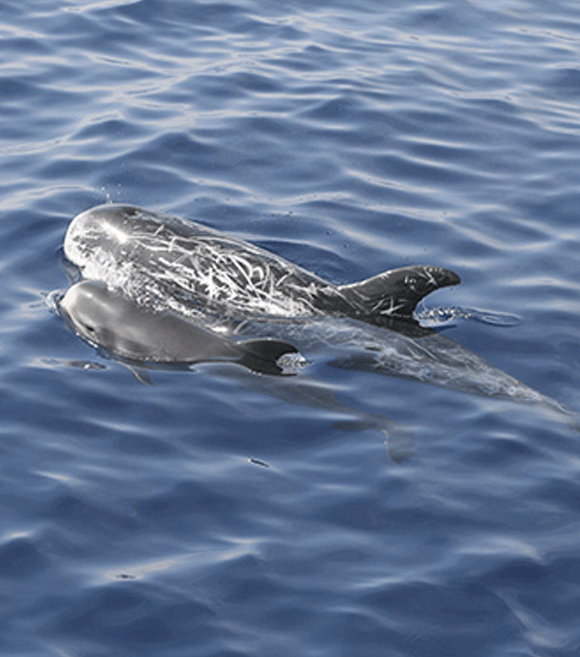
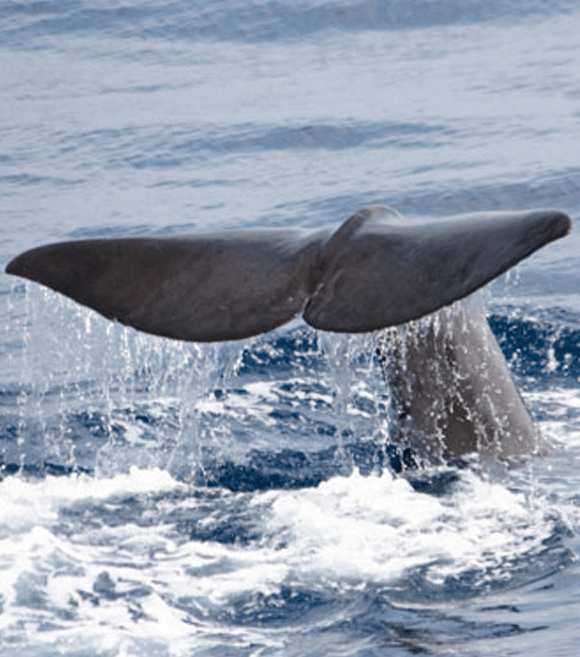
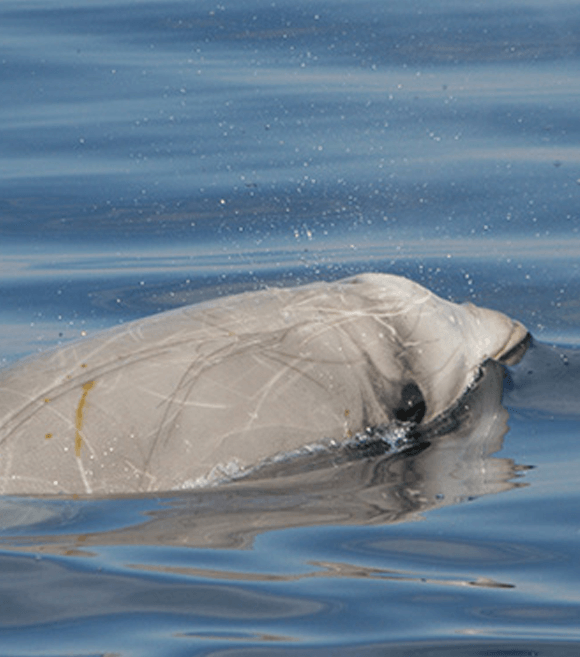
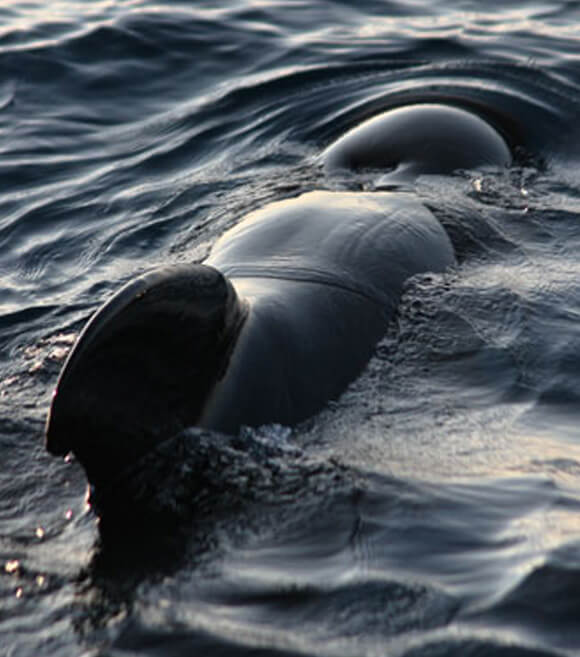
Seven species of toothed whales are found in the Mediterranean Sea. These include the striped dolphin (Stenella coeruleoalba), short-beaked common dolphin (Delphinus delphis), common bottlenose dolphin (Tursiops truncatus), Risso’s dolphin (Grampus griseus), long-finned pilot whale (Globicephala melas), Cuvier’s beaked whale (Ziphius cavirostris), and the sperm whale (Physeter macrocephalus).
Mysticetes
Mysticetes, commonly known as baleen whales, are so named because they possess characteristic baleen plates that hang from the upper jaw in place of teeth. Baleen is composed of keratin and is used to filter small prey, such as krill, plankton, and small fish, from large volumes of seawater. During feeding, baleen whales accelerate to engulf substantial amounts of water and then use their tongue to expel the water through the baleen plates, trapping the prey inside the mouth before swallowing.
Baleen whales are characterised by the presence of two blowholes, which consist of separate nasal openings located at the top of the head. These slit-like openings are surrounded by muscular flaps that seal the longitudinal openings, allowing whales to inhale and exhale efficiently before diving.
Mysticetes also produce a range of sounds; however, these differ from the vocalisations of odontocetes. Baleen whales typically emit low-frequency sounds, generally below 5,000 Hz. Some of these vocalisations are believed to be among the loudest produced by any animal and can travel hundreds of kilometres underwater. Baleen whale sounds include moans, grunts, and knocks (below 200 Hz), as well as chirps, cries, whistles, and songs (above 1,000 Hz).
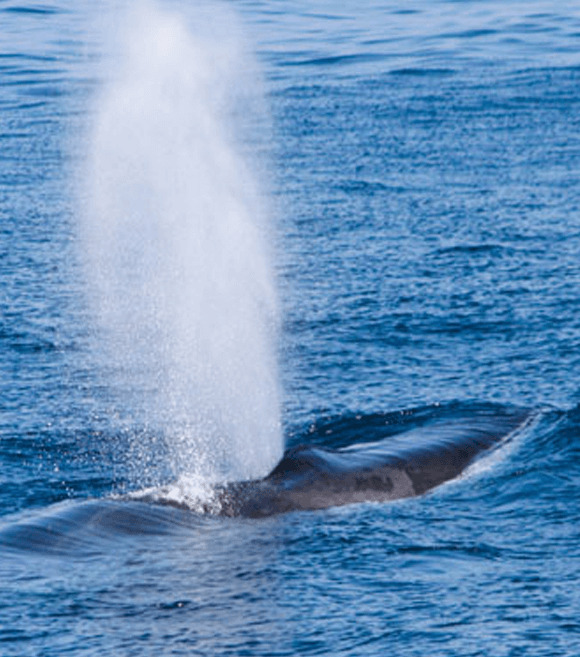
The Mediterranean Sea is home to the second-largest animal on Earth, the fin whale (Balaenoptera physalus), which can reach lengths of up to 24m. In April 2021, several fin whale sightings were recorded around the island of Gozo. These whales commonly use the Strait of Sicily as a migratory route during winter and early spring.
Sea turtles of the Mediterranean Sea
Sea turtles are some of the most ancient inhabitants of our oceans, having roamed the Earth for millions of years. They belong to the order Testudines and the suborder Cryptodira, making them reptiles, much like snakes and lizards. As reptiles, sea turtles are cold-blooded, breathe air through lungs, and are covered in dry, scaly skin. Despite spending almost their entire lives at sea, they depend on land for one vital purpose: reproduction. Female turtles display a remarkable behaviour known as philopatry, returning to the very beaches where they were born to lay their own eggs. This brief nesting period is often the only time a sea turtle will emerge onto dry land.
Highly migratory by nature, sea turtles travel vast distances across oceans and seas, connecting ecosystems along the way. In doing so, they play an essential role in maintaining the health of marine and coastal habitats, from seagrass meadows to coral reefs.
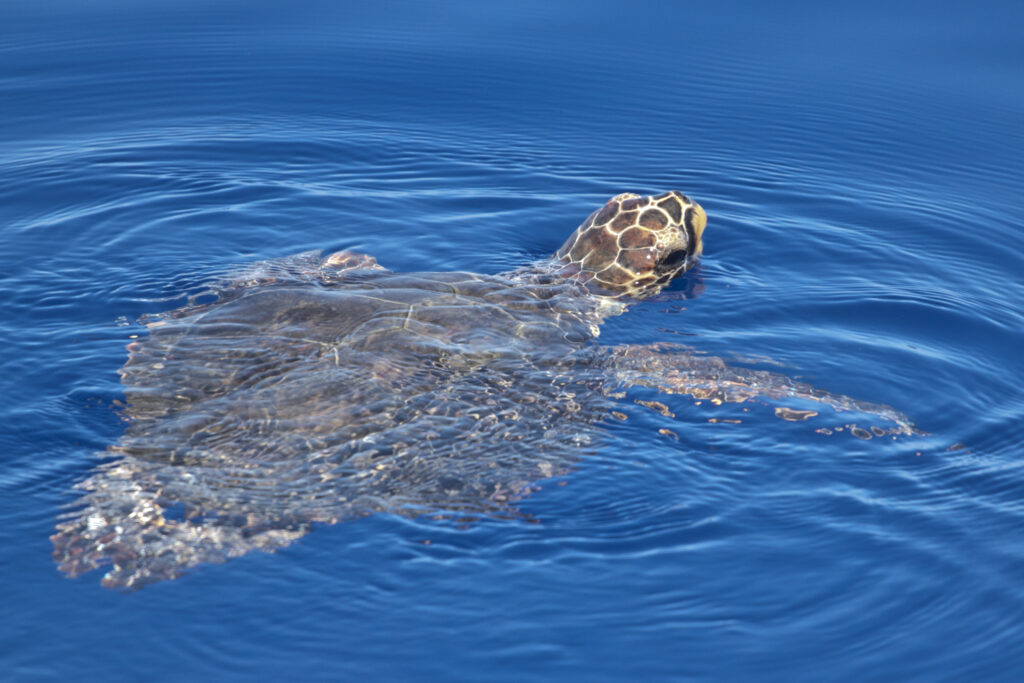
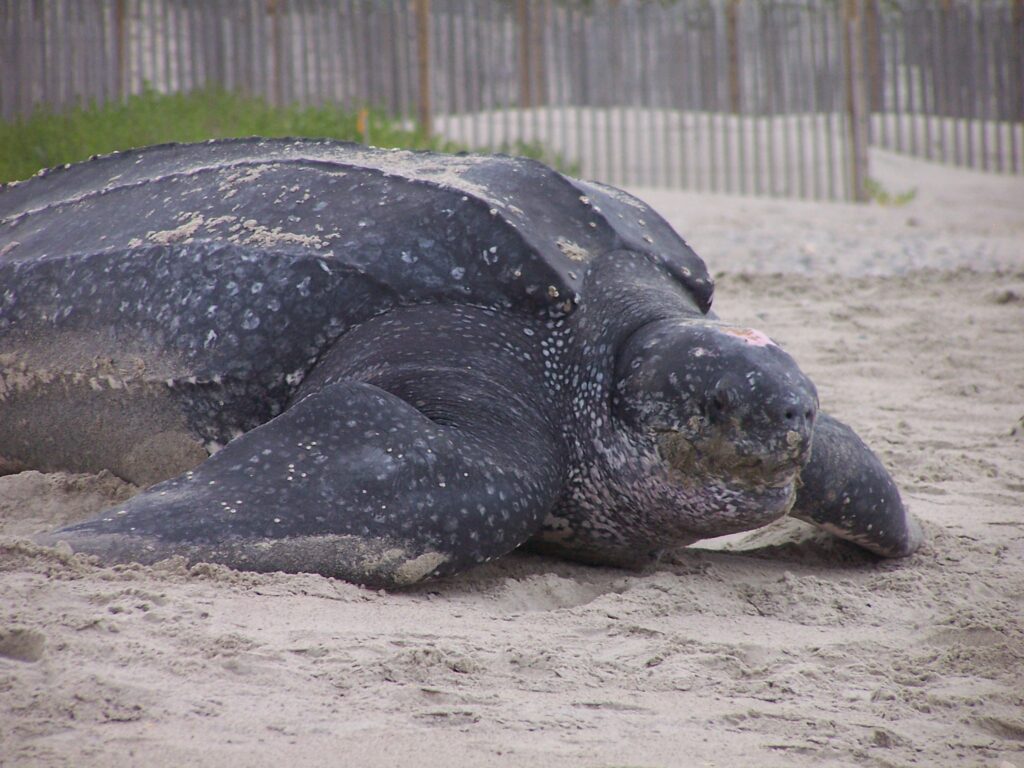
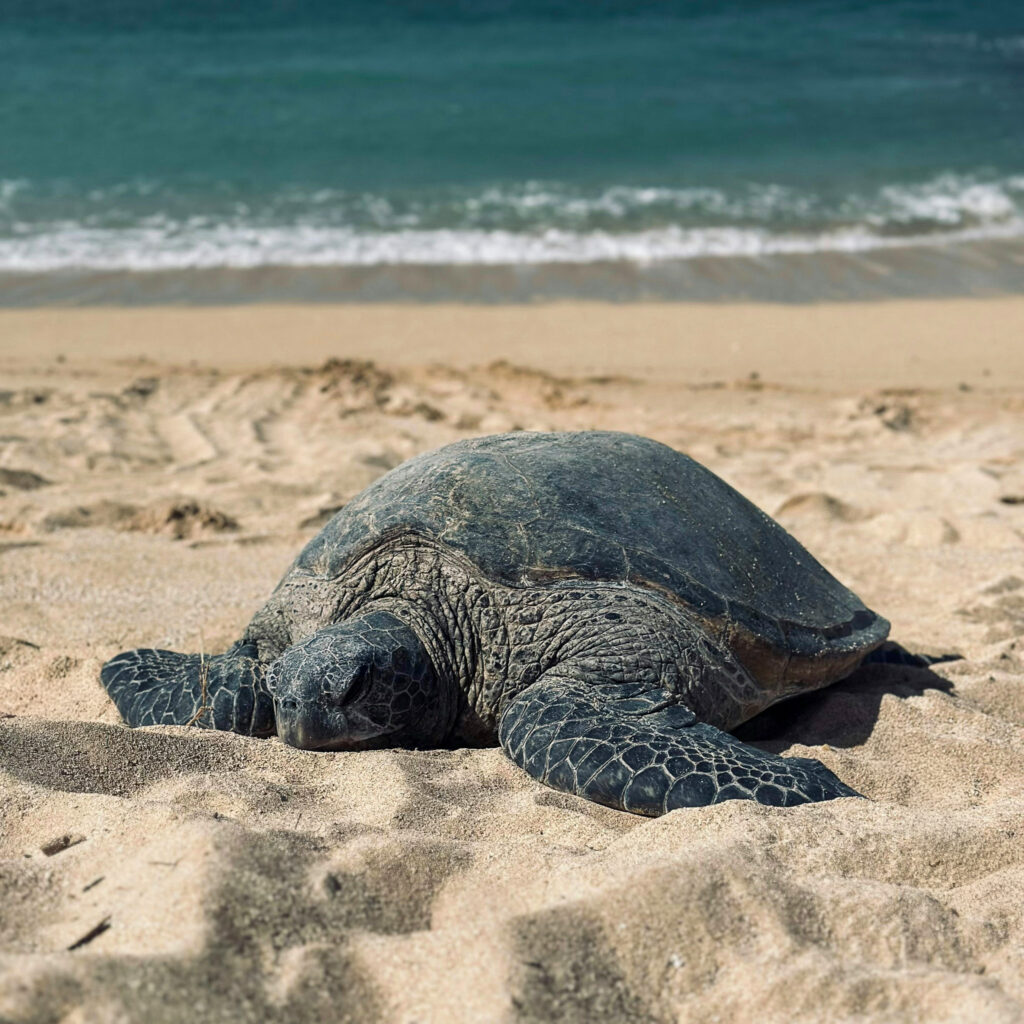
Of the seven sea turtle species found worldwide, five are known to occur in the Mediterranean Sea. The Maltese Islands lie at the heart of this region, acting as a natural link between the western and eastern Mediterranean basins. To date, three species of sea turtles have been recorded in Maltese waters: the Loggerhead turtle (Caretta caretta), the Green turtle (Chelonia mydas), and the Leatherback turtle (Dermochelys coriacea).
Within the Mediterranean, both the Loggerhead and Green turtle are known to nest, while the Leatherback turtle remains a nomadic visitor, using the sea primarily as a feeding ground rather than a nesting area. The Loggerhead turtle is by far the most common nesting species in the region and is the only species confirmed to have nested in Malta.
Despite their long evolutionary history, sea turtles have experienced a dramatic decline in recent centuries. Human activities pose significant threats, including the ingestion of plastic pollution, entanglement in fishing gear and ghost nets, boat strikes, accidental capture as bycatch, illegal harvesting for shells or skin, egg poaching, and the loss of nesting beaches due to coastal development. More recently, artificial light at night in coastal areas has emerged as a serious threat, disrupting nesting females and disorienting hatchlings, preventing them from finding their way to the sea. Climate change poses an additional challenge, as rising sea levels reduce suitable nesting habitat. As a result, most sea turtle species are now classified as either Vulnerable or Endangered on the International Union for Conservation of Nature (IUCN) Red List. In response to their declining populations, sea turtles and their habitats are protected under various international conservation laws.
If you encounter an injured or distressed turtle around the Maltese islands, please report it to Nature Trust by calling the Wildlife rescue team on +356 9999 9505 stating the location and emergency.
Sea birds
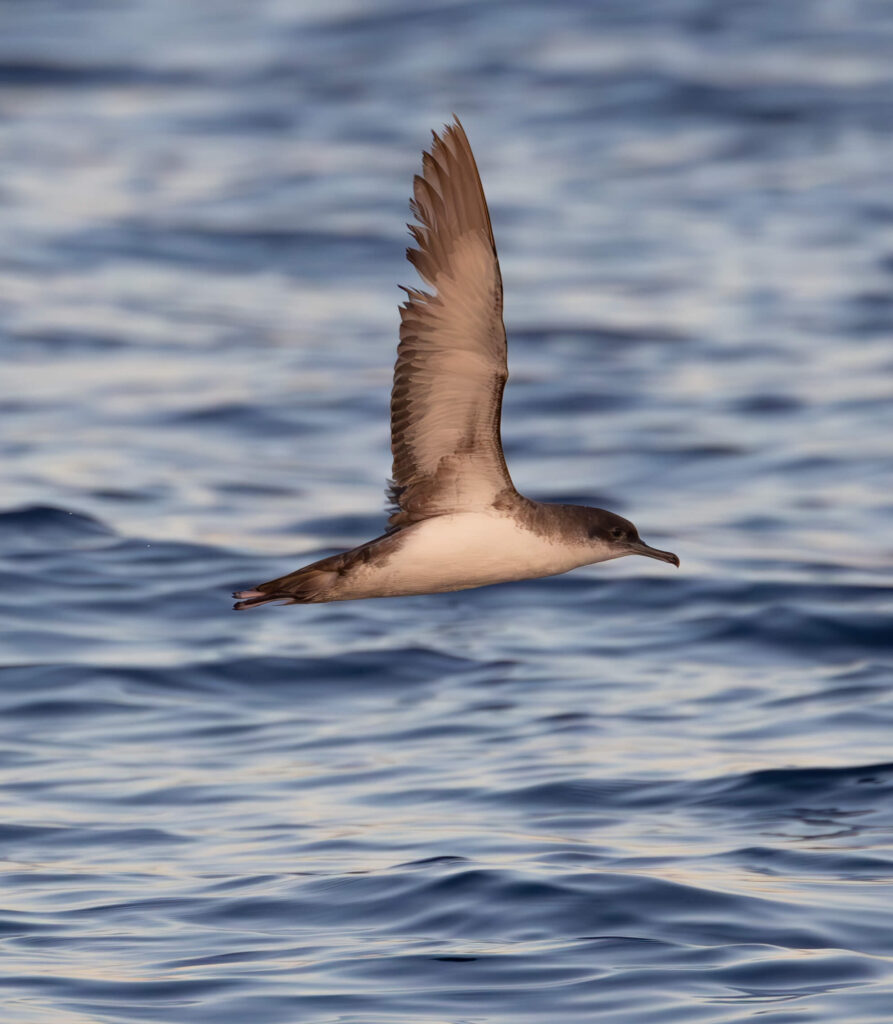
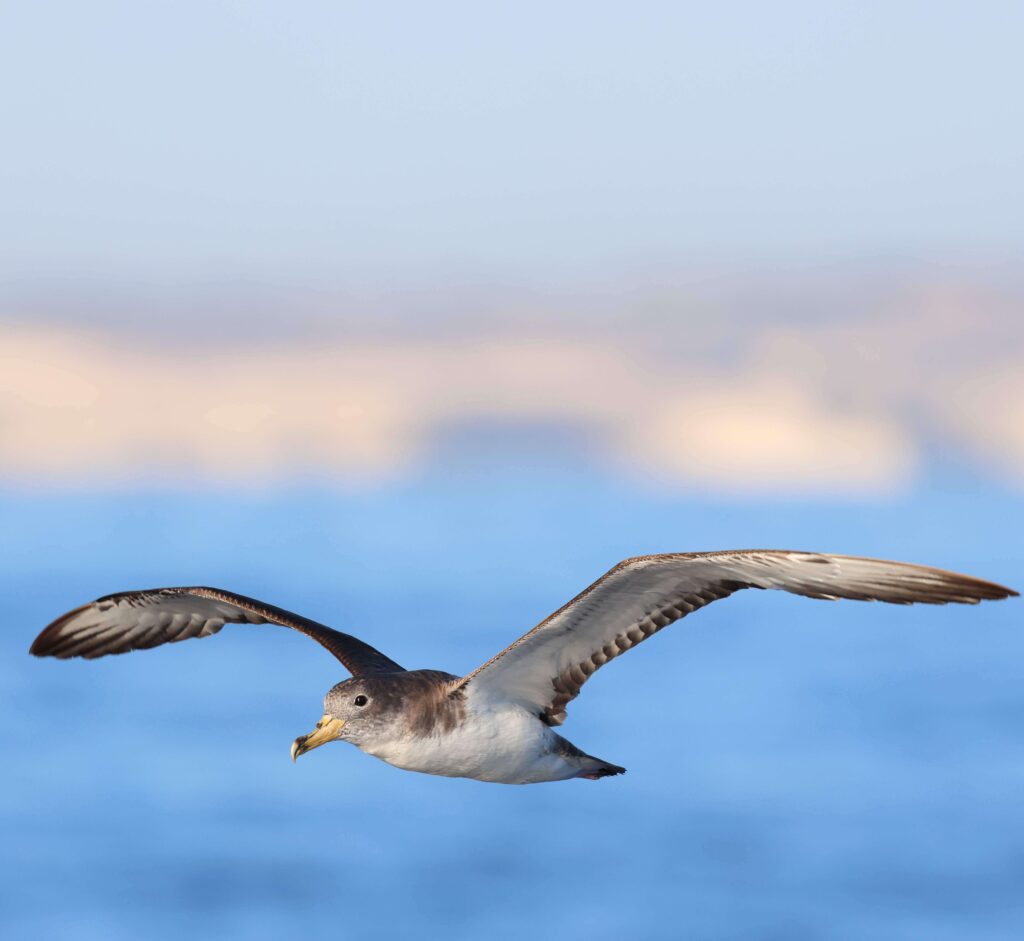
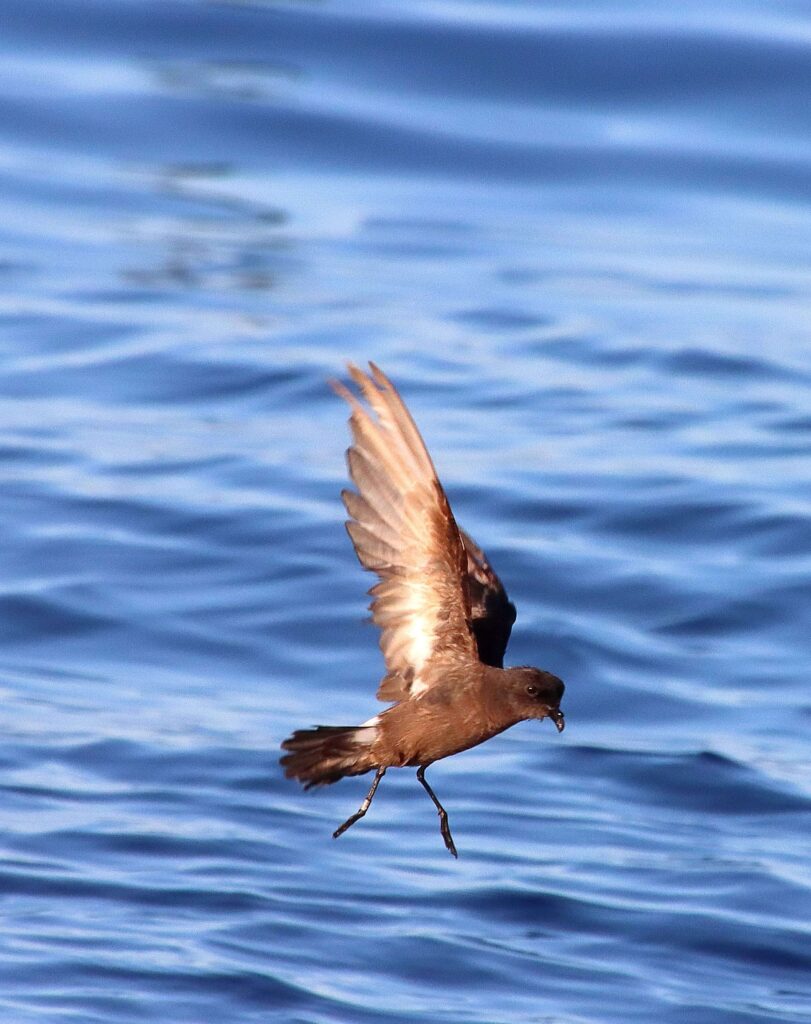
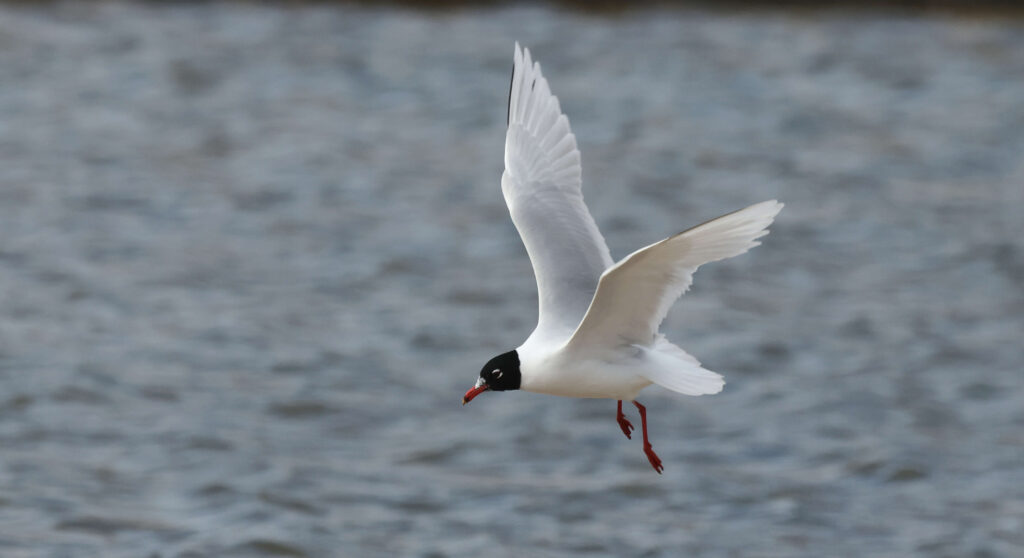
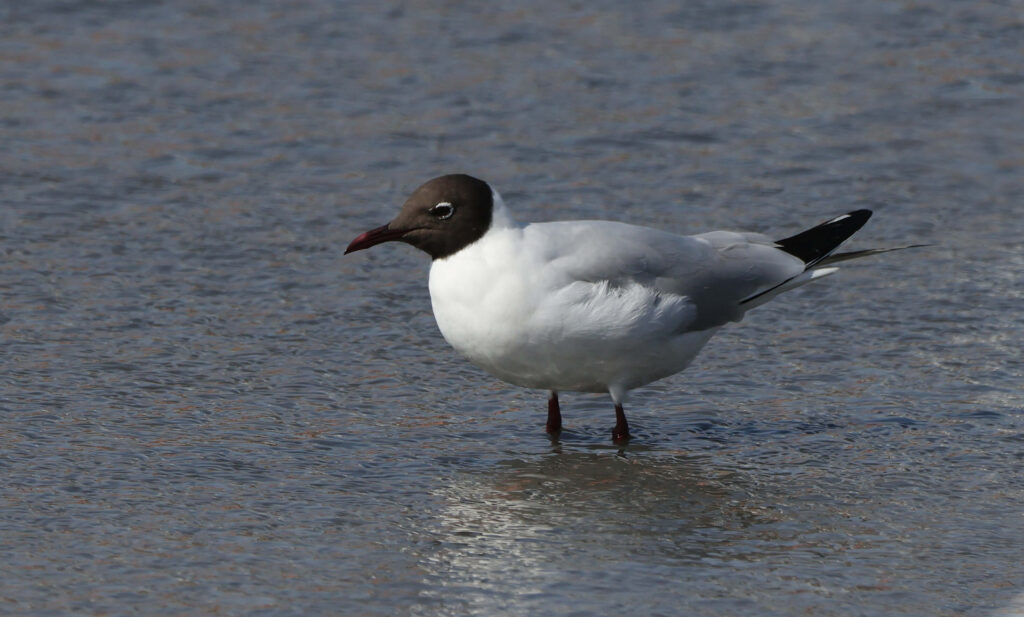
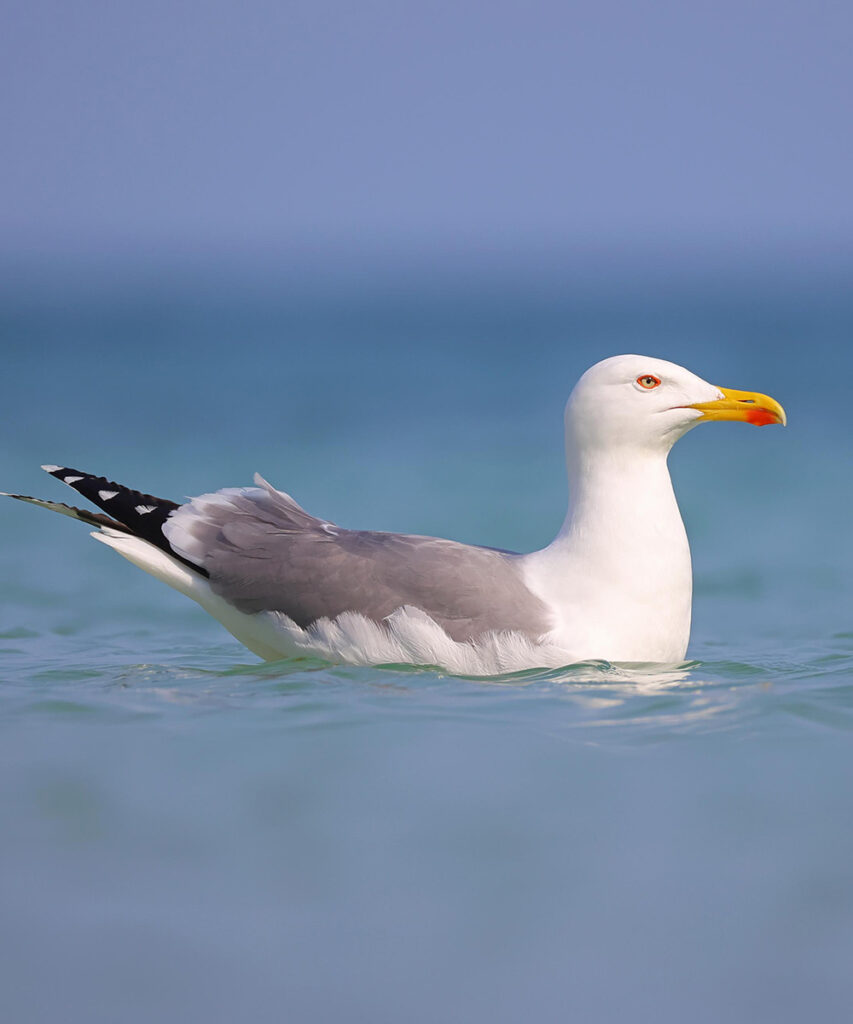
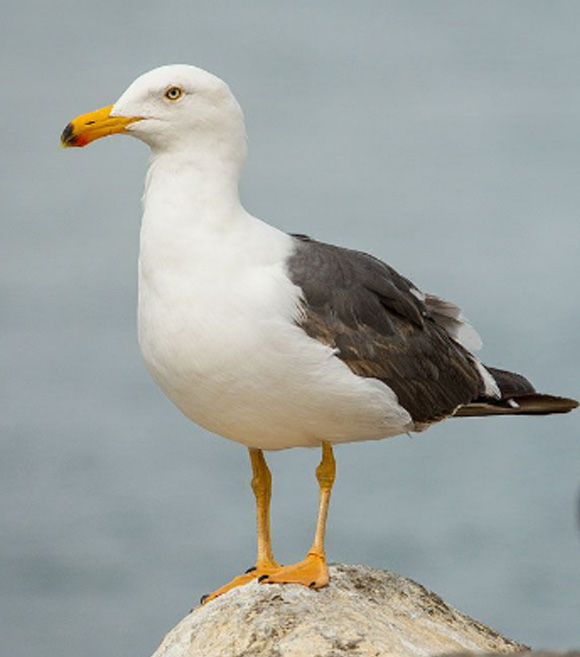
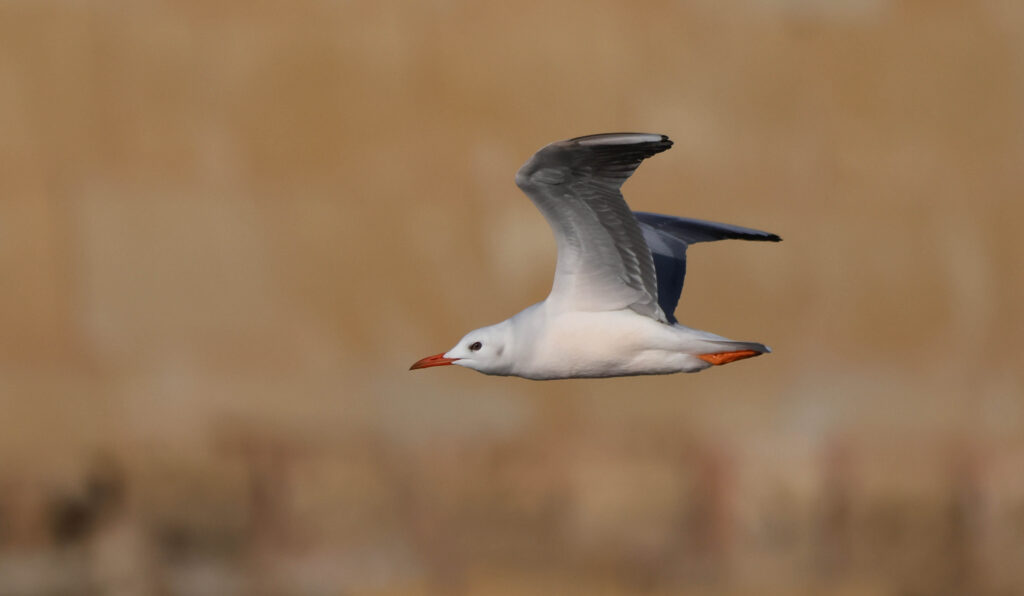
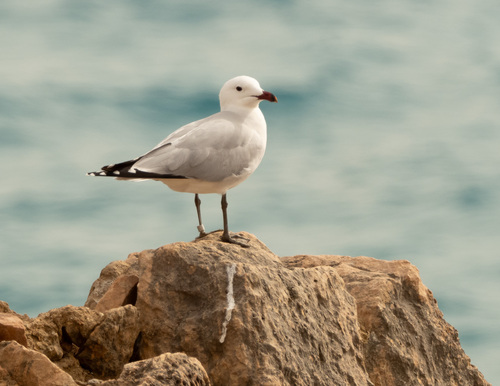
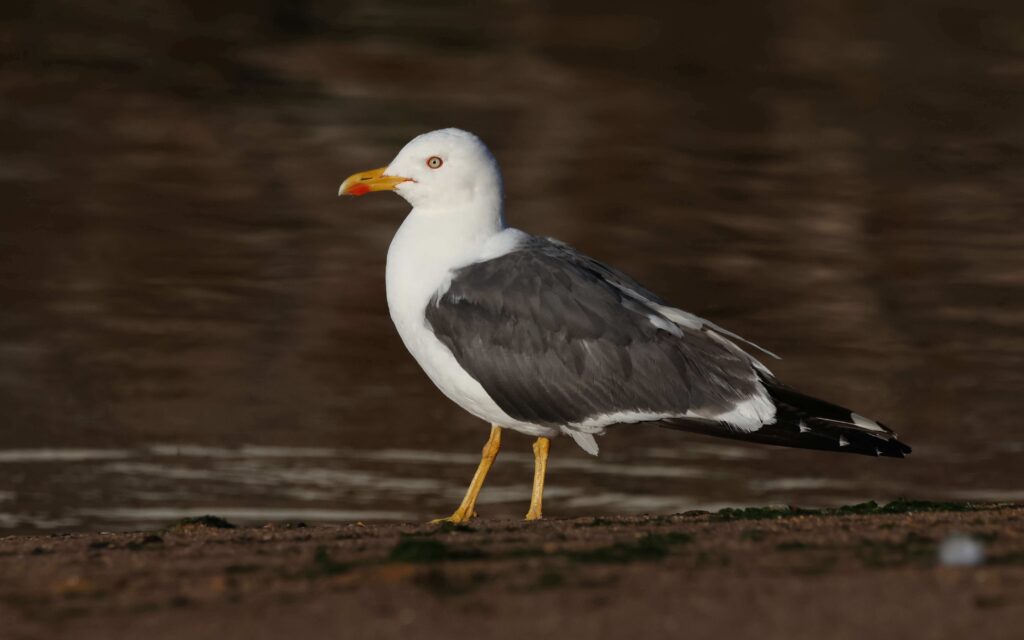
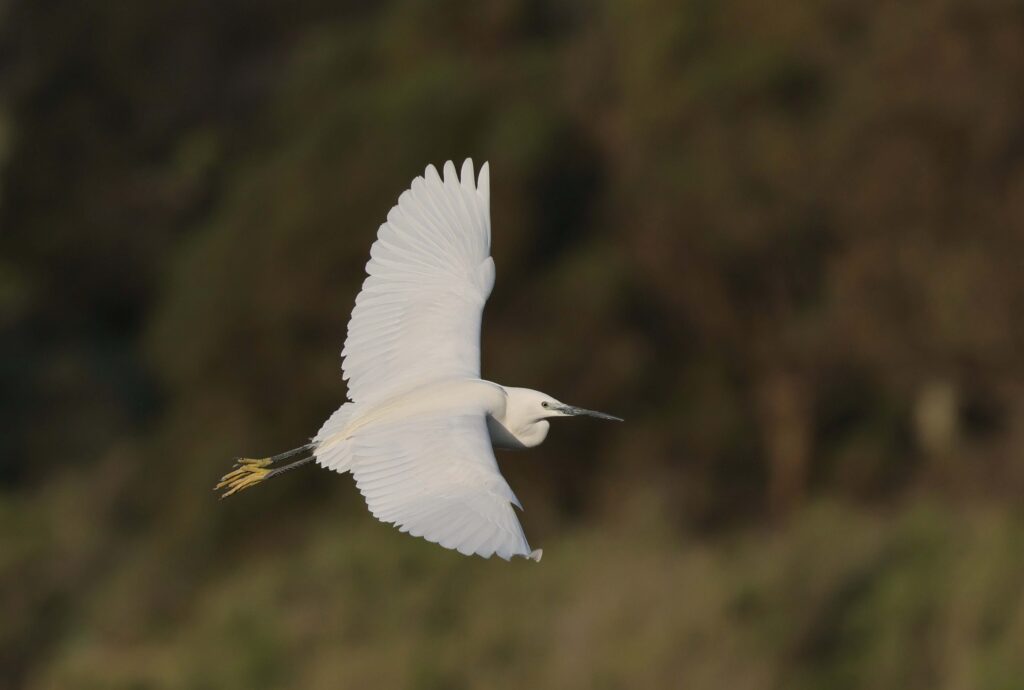
The Maltese Islands host three of the most endangered species of seabirds in the world. Storm-petrel, Yelkouan Shearwater, Scopoli’s Shearwater see more in BirdLifeMalta. The Maltese Islands are also located on the Europe-Africa migratory flyway of many birds species who choose the Maltese archipelago as resting land during the long journey from European breeding grounds to African wintering grounds and vice-versa. For this reasons, it is imperative to create a safe and protected habitat, where birds can live safely, and we can admire these fascinating animals.
Elasmobranchs
Sharks, skates, and rays belong to the same group known as elasmobranchs, a subgroup of cartilaginous fish (Chondrichthyes). Like other fish, elasmobranchs breathe through gills, are cold-blooded, and have skeletons made of cartilage rather than bone. This group includes many different species, each with its own characteristics. Below are a few examples of sharks, skates, and rays found in the Mediterranean Sea and Maltese coastal waters.
Sharks
Unlike bony fish, sharks have dermal denticles instead of scales and have many rows of replaceable teeth (typically between five to fifteen rows) at any given time. Sharks also lack swim bladders and rely on their large, oil-rich liver to help maintain buoyancy in the water.
Sharks are among the oldest living groups of animals on Earth, having existed for over 400 million years. Found in oceans around the world, they play a crucial role in maintaining healthy marine ecosystems. Most sharks are apex predators, helping to regulate the abundance and behaviour of other species, thus preventing any one group from dominating the ecosystem. Contrary to popular belief, the vast majority of shark species pose little to no danger to humans, and encounters are extremely rare.
Globally, sharks face increasing pressure from human (anthropogenic) activities. Overfishing, both targeted and accidental (bycatch), remains the greatest threat to shark populations. Many species grow slowly, reach sexual maturity late (often in their 30s), and produce few offspring, making them particularly vulnerable to population decline.
The Mediterranean Sea, known for its distinct colour palette of blue waters and scenic coastlines, is home to a vast number of sharks, rays and skates. There are over 40 shark species, ranging in size and ecology, yet they all play a vital role in maintaining the balance of a healthy ecosystem. However, the Mediterranean is also one of the most heavily impacted marine environments in the world. Intense fishing pressure, limited space, and slow recovery rates have led to dramatic declines in many shark and ray populations over the past century. Habitat degradation, pollution, and climate change further compound these pressures, with several Mediterranean shark species now classified as critically endangered.
Public perception has also played a role in the challenges sharks face. Popular media and social platforms often portray sharks as dangerous monsters to be feared. While sharks are capable of causing harm, attacks are extremely rare and usually occur when animals feel threatened or disturbed in their natural habitat. Spreading accurate information and raising awareness is essential to reduce stigma and promote coexistence with these vulnerable species.
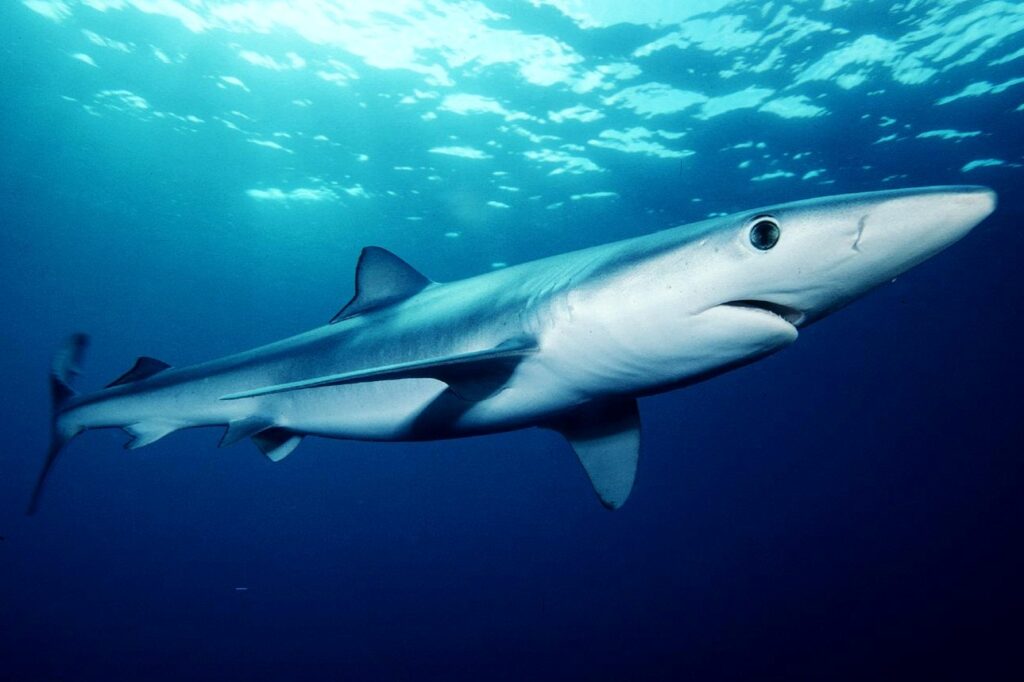
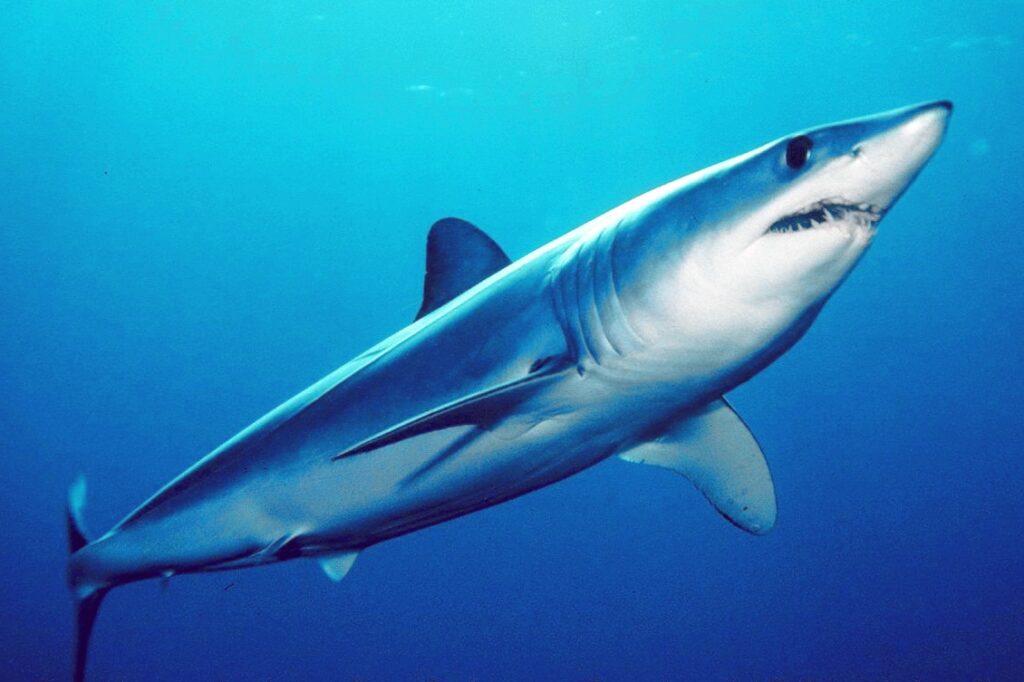
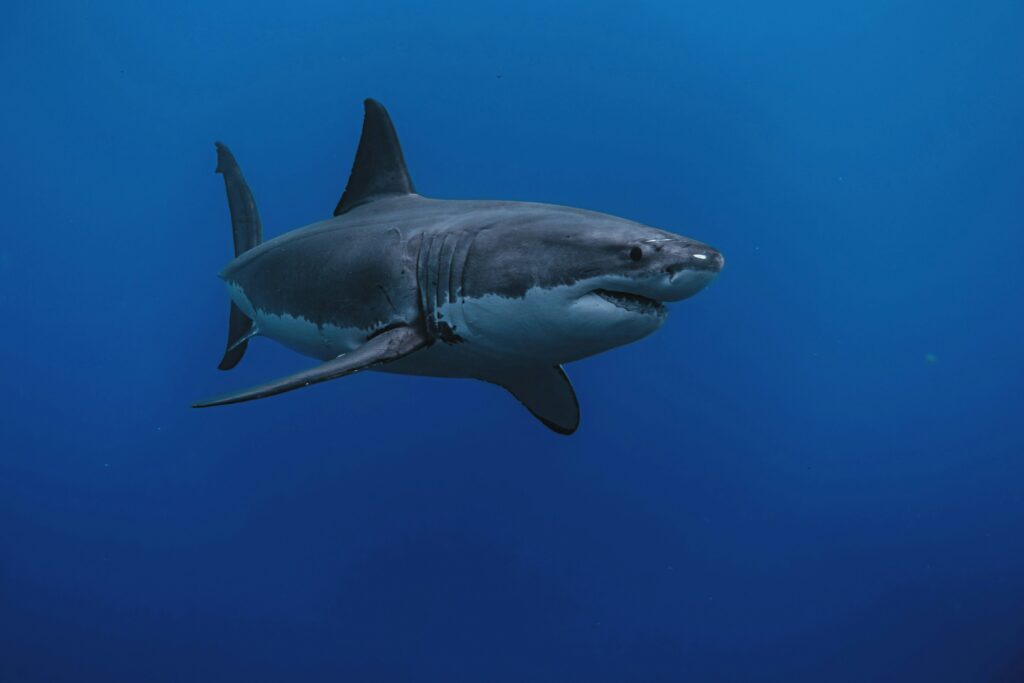
In waters around Malta, sharks are a natural but often unseen part of the marine ecosystem. Most species found locally are small to medium-sized and live offshore or at depth – more than 300m deep, meaning they are rarely encountered by people. Maltese waters are particularly important as feeding or transit areas rather than permanent habitats. Nevertheless, larger species such as the Blue shark, the Shortfin mako, and even the Great white shark have been recorded in Maltese waters. Protecting sharks in this region is not only about conserving individual species, but also about preserving the balance of the wider Mediterranean marine ecosystem. Continued awareness, responsible fishing practices, and regional conservation efforts are vital to ensure sharks remain part of Malta’s seas for generations to come.
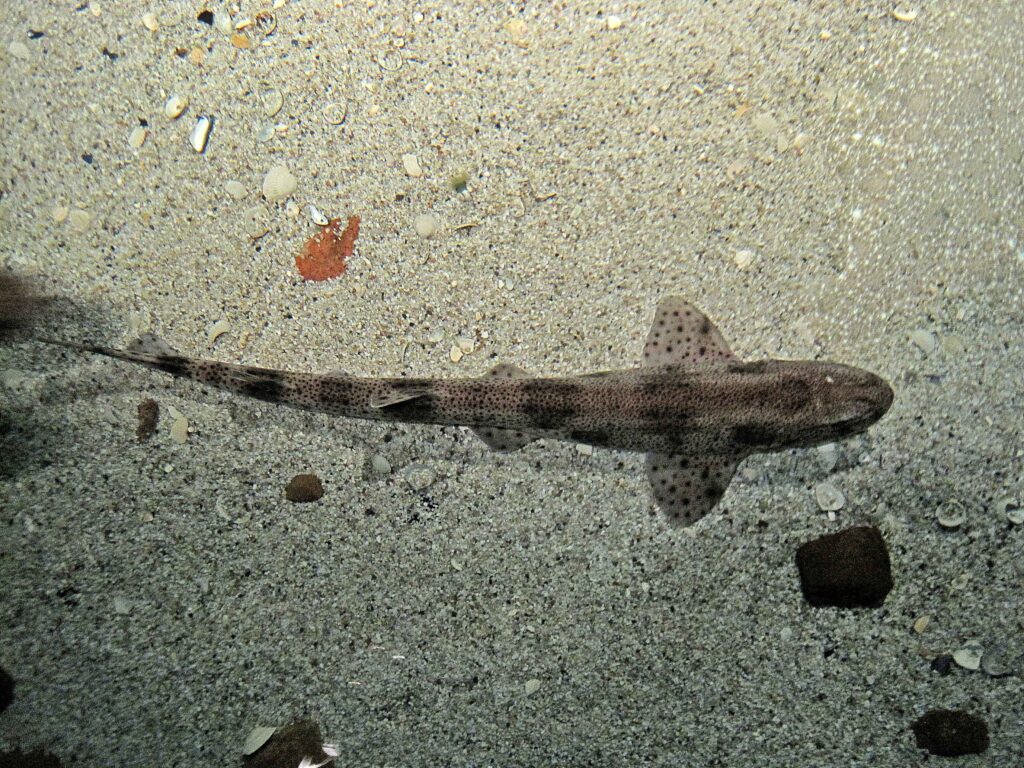
Sharklab Malta is a not-for-profit, non-governmental organisation (NGO) dedicated to supporting the recovery of shark populations in the Mediterranean Sea, with a particular focus on catsharks and nursehounds. Through close collaboration with local fisheries, the organisation conducts regular visits to identify pregnant female sharks. When found, egg cases are carefully extracted and transferred to aquariums, where the embryos are safely reared under controlled conditions.
Once the young sharks have developed sufficiently, they are released back into the sea, helping to strengthen wild populations. This important conservation initiative is carried out in partnership with the National Aquarium. In addition, Sharklab Malta provides assistance to injured or distressed sharks, and members of the public are encouraged to contact the organisation if they encounter a shark in need along the Maltese coast.
Skates and Rays
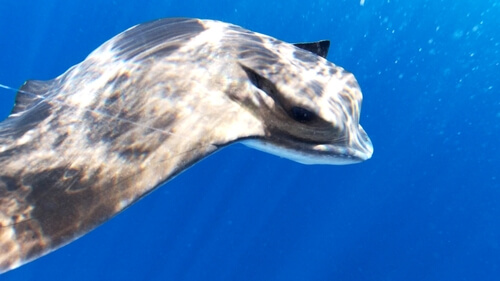
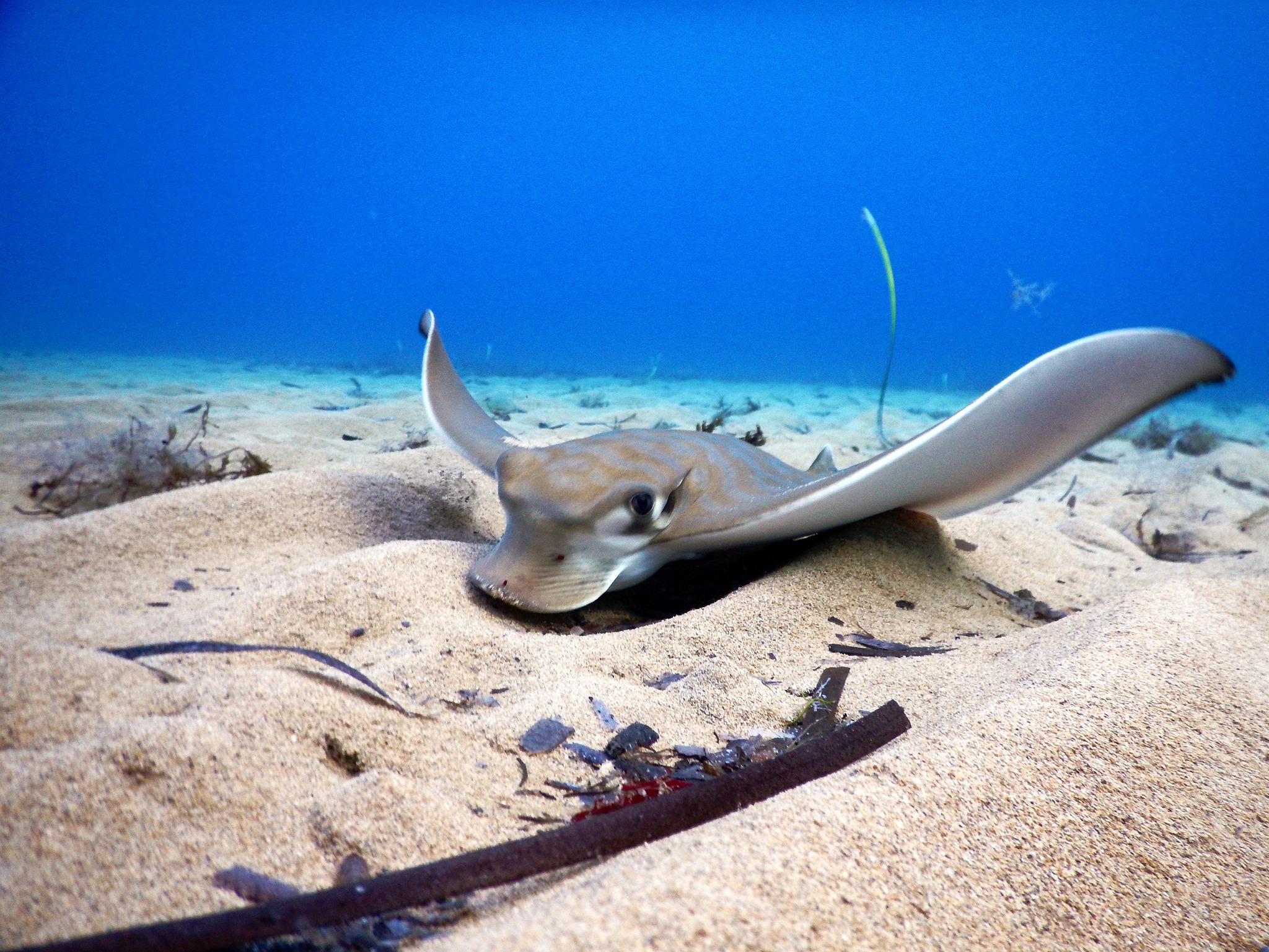
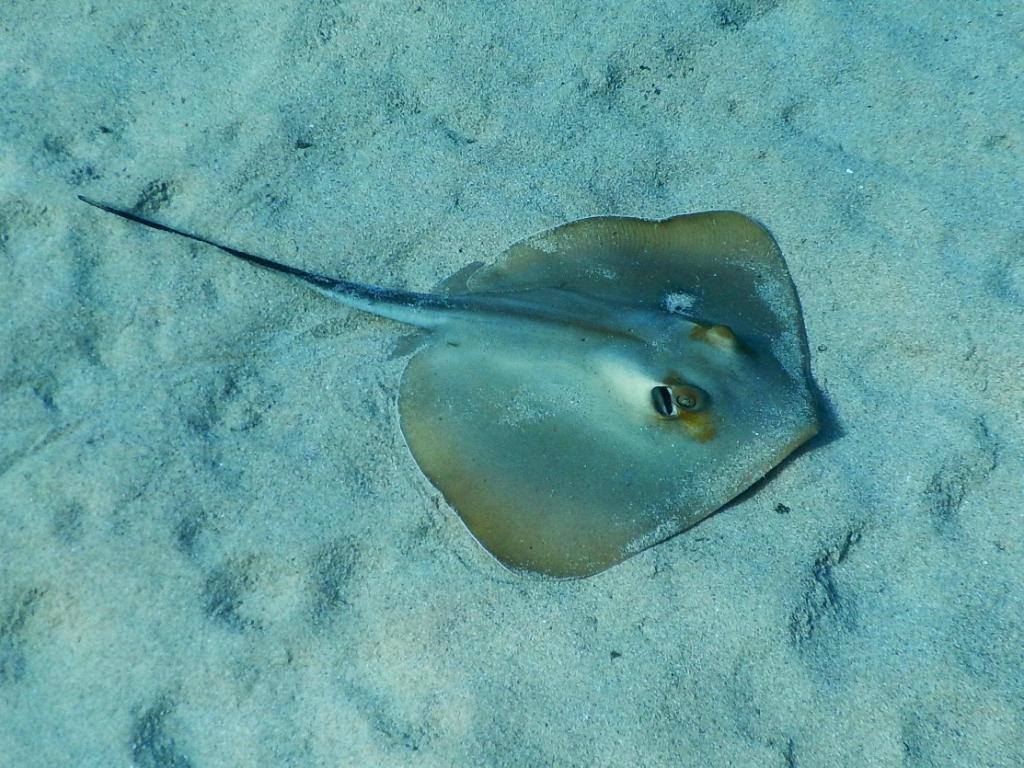
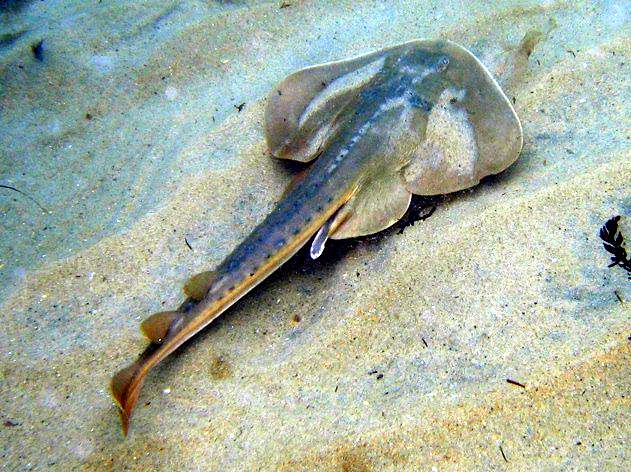
Rays and skates are closely related to sharks and fall within the same category of Elasmobranchs. Unlike sharks, rays and skates have flattened bodies with wide pectoral fins that extend like wings, allowing them to glide gracefully along the sea floor. Skates usually have more rigid tails and lack stingers, while many rays, like the stingray, have long tails often equipped with venomous spines for defence.
In the Mediterranean Sea, these species are an important part of the ecosystem, acting as mid-level predators that help regulate populations of small fish, crustaceans, and molluscs. However, many Mediterranean rays and skates are under pressure from human activities, including bottom trawling, bycatch in fisheries, and habitat degradation. Their slow growth, late maturity, and low reproductive rates make them particularly vulnerable to overexploitation.
Around Malta, rays and skates are typically found along sandy or muddy seabeds, from shallow coastal areas to deeper offshore waters. Species that have been recorded locally include the common stingray, eagle rays, bull rays and thornback rays, as well as several skate species. They are mostly non-threatening to humans and play a subtle but essential role in maintaining the balance of local marine ecosystems. Conservation efforts, such as fishing regulations and protected areas, are vital to ensure that these often-overlooked elasmobranchs continue to thrive in Maltese waters.
Fish
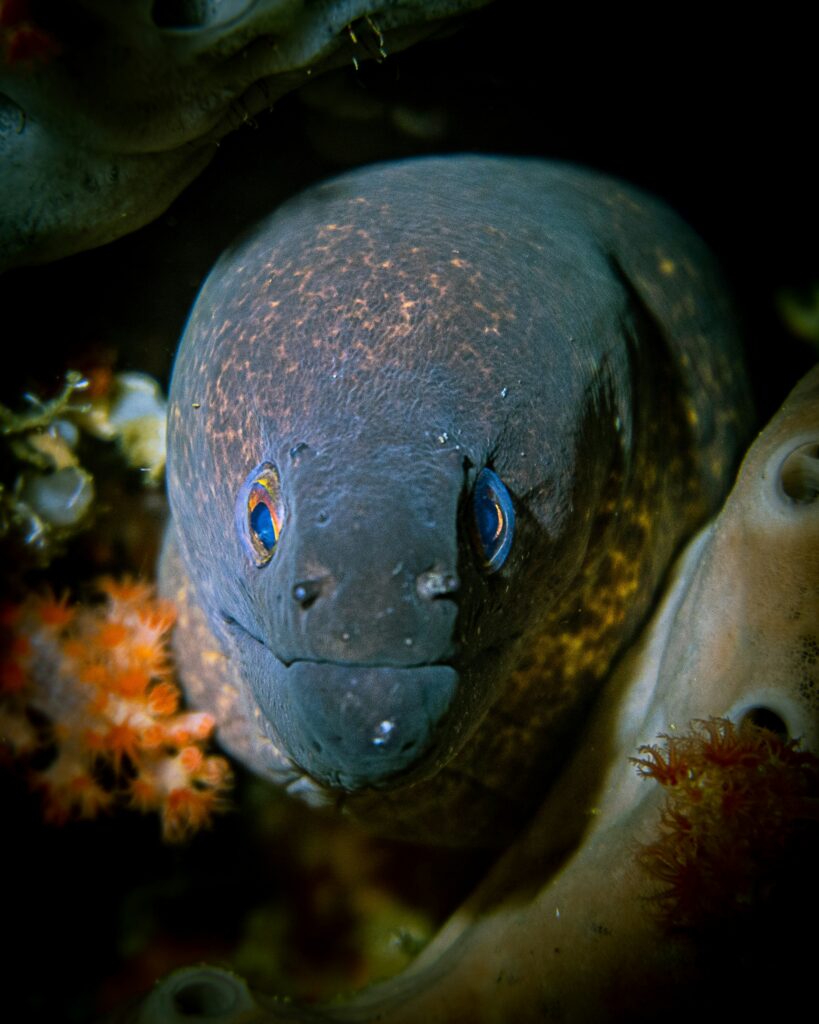
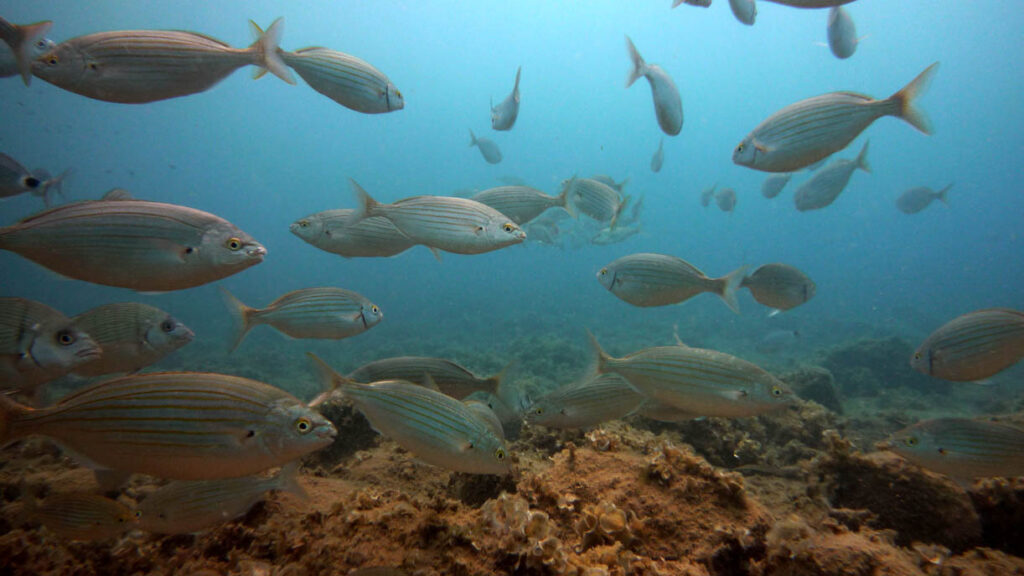
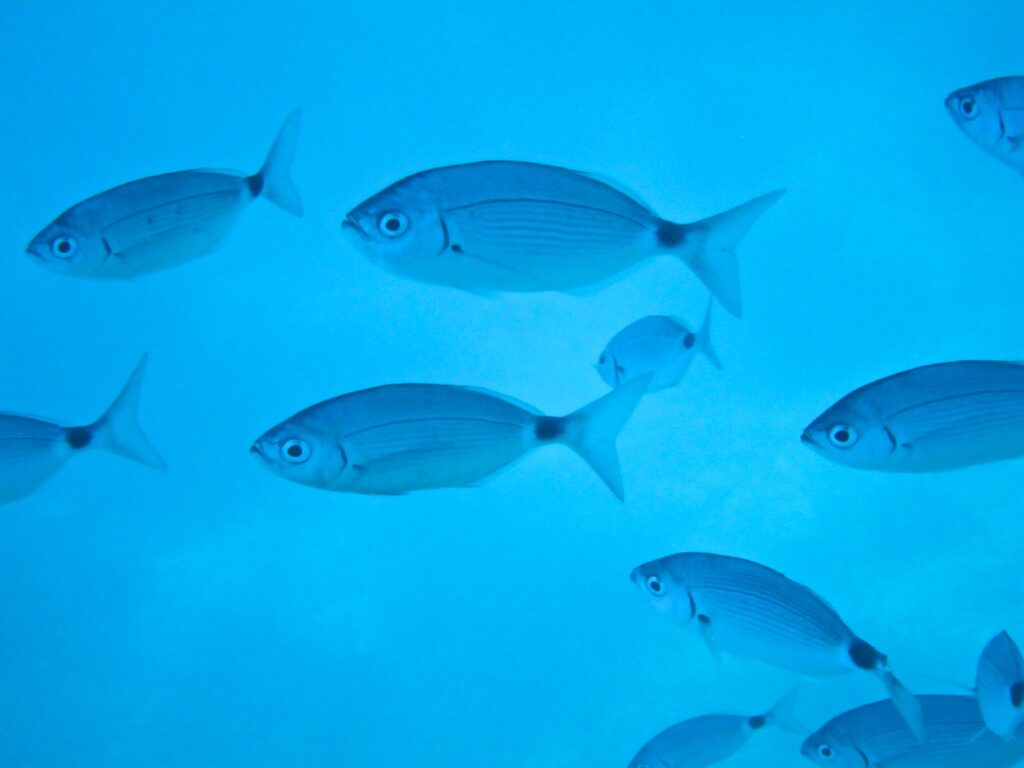
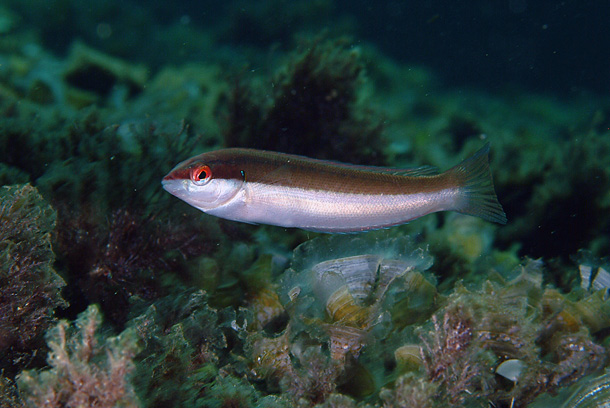
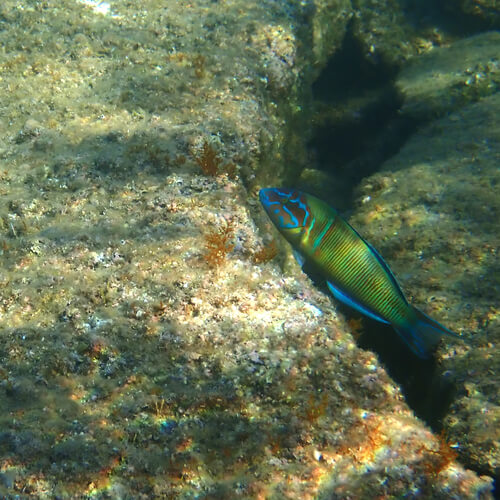
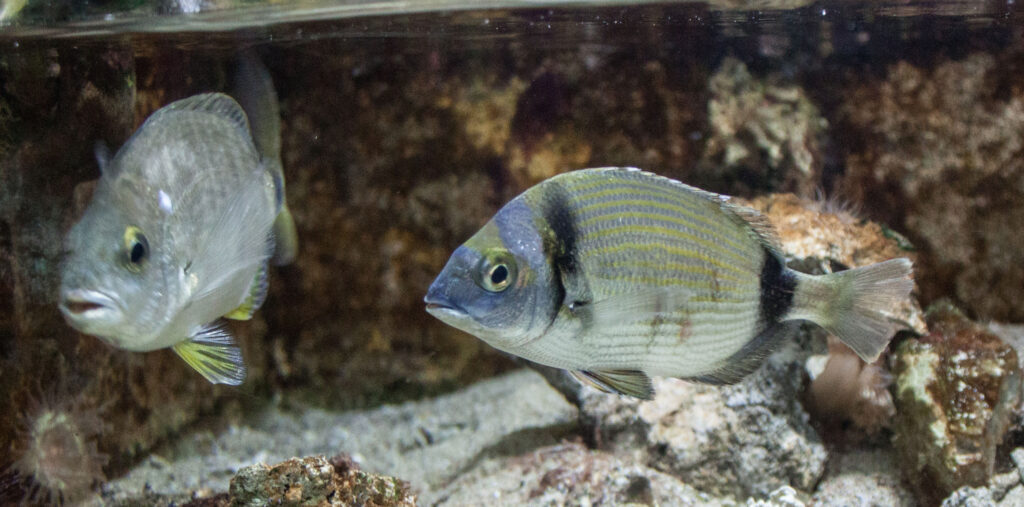
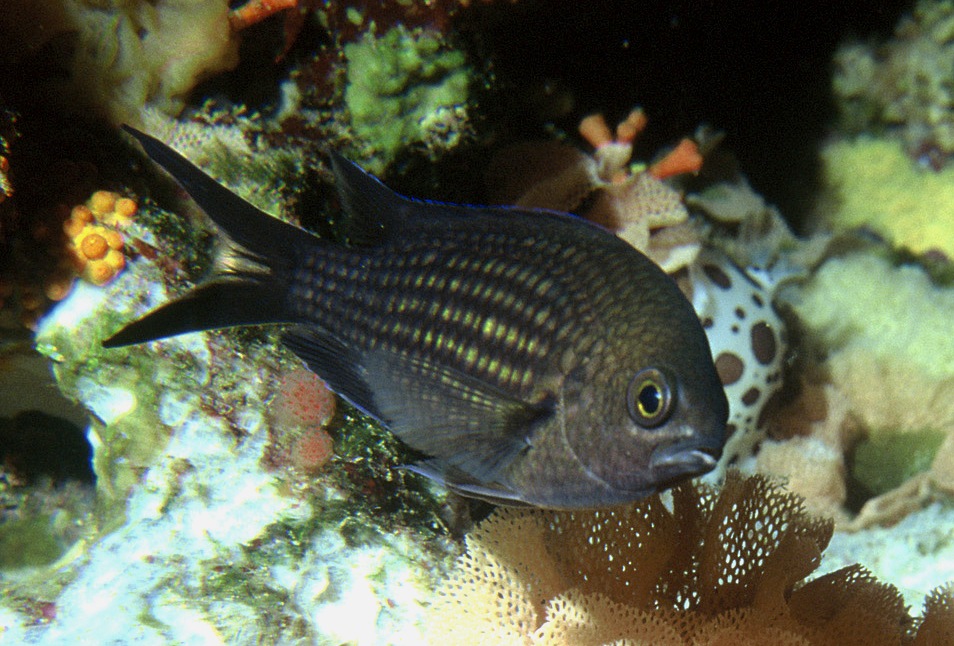
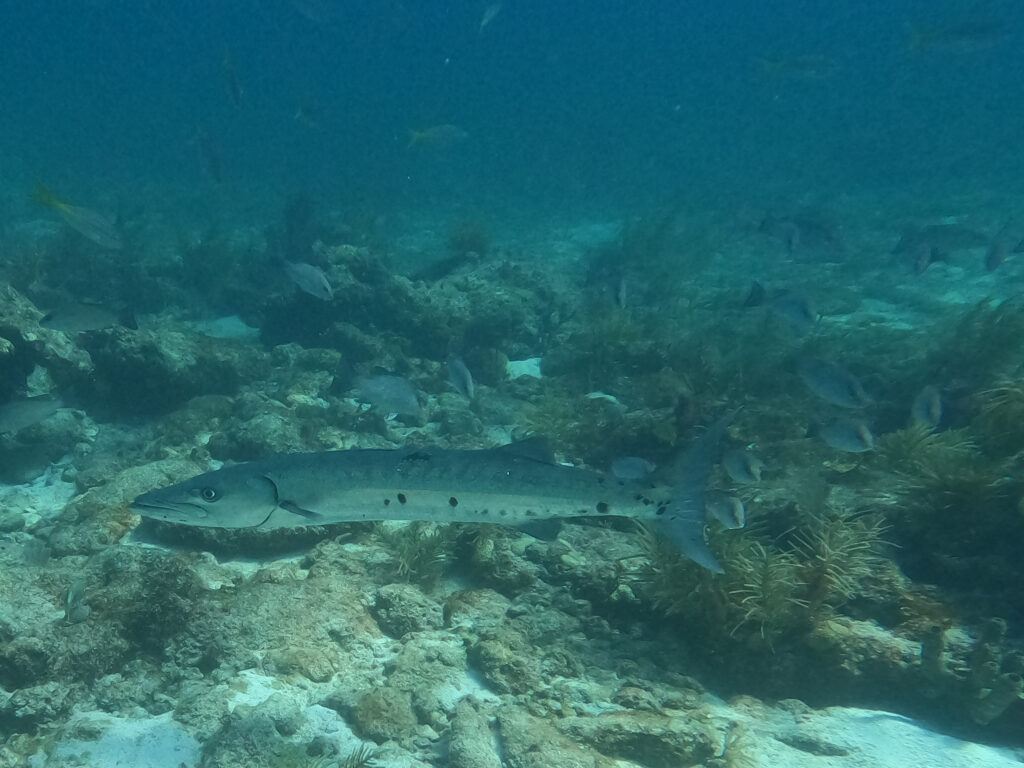
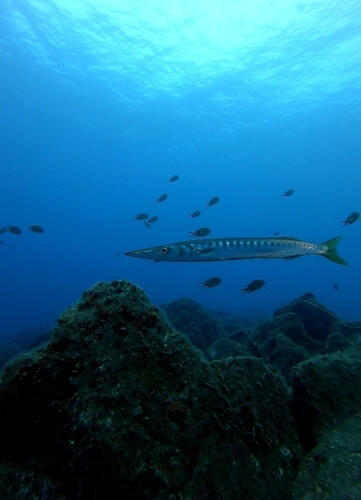
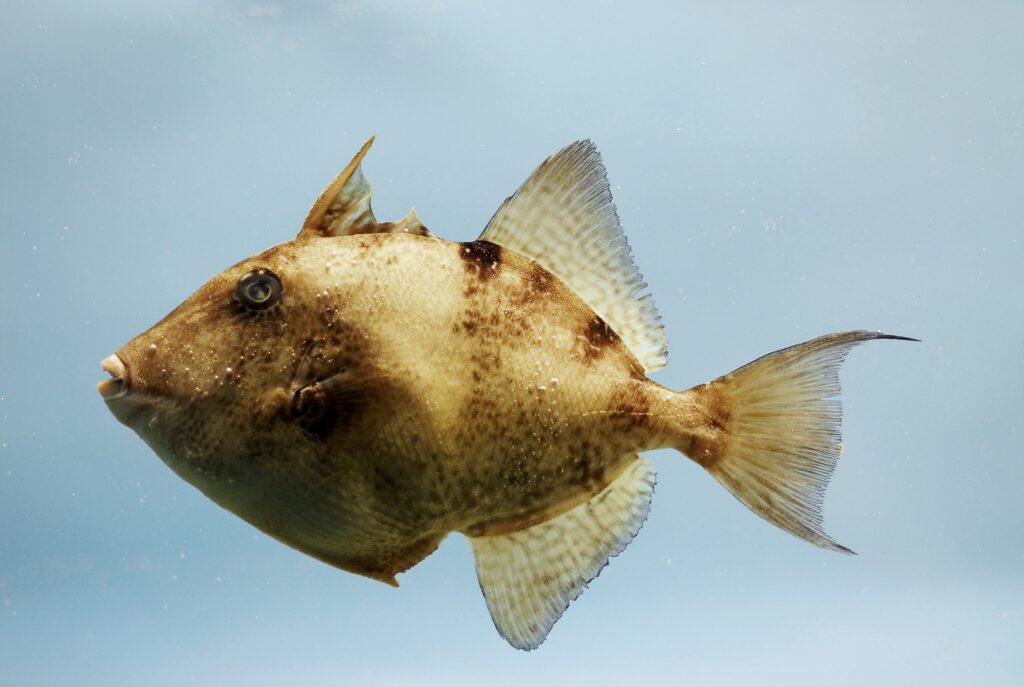
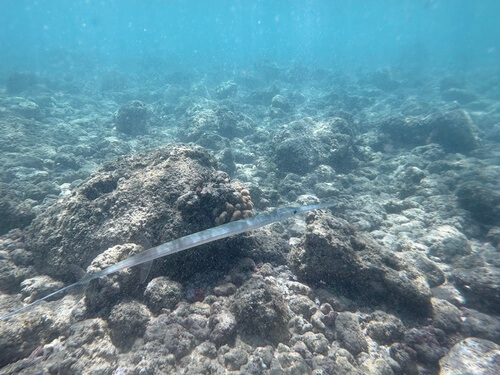
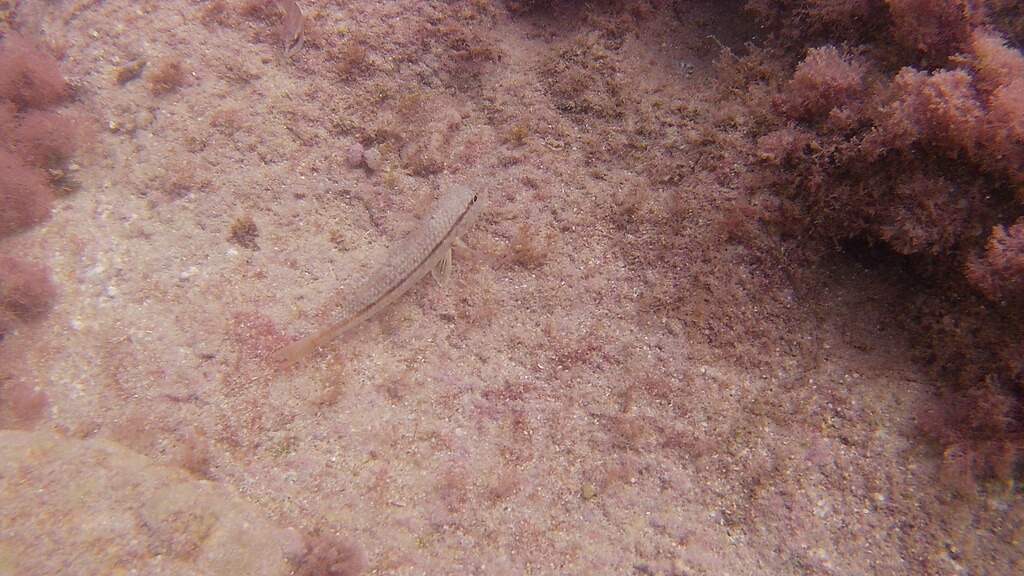
Set in the heart of the Mediterranean Sea, Malta’s coastal waters are home to a rich diversity of fish species, many of which can be encountered while swimming, snorkelling, or diving. Unfortunately, human pressures such as overfishing, over-tourism, ocean warming, habitat degradation, and plastic pollution are contributing to the decline of many species populations. Find out more about the fish and how you can contribute to safeguarding their existence.
Aquaculture & Tuna Farms in Malta
25-nautical-mile zone around Malta is designated as a managed fishing area, with the first 12 nautical miles reserved exclusively for Maltese fishers, including aquaculture operators, to protect local resources and promote sustainable use. Malta currently has six commercial fish farms, all operating on government-leased sites along the eastern coastline, from Mellieħa and Mistra Bay in the north to areas near Marsaxlokk Bay in the south. Some land-based sites are used to rear juvenile fish before they are transferred offshore for further growth.
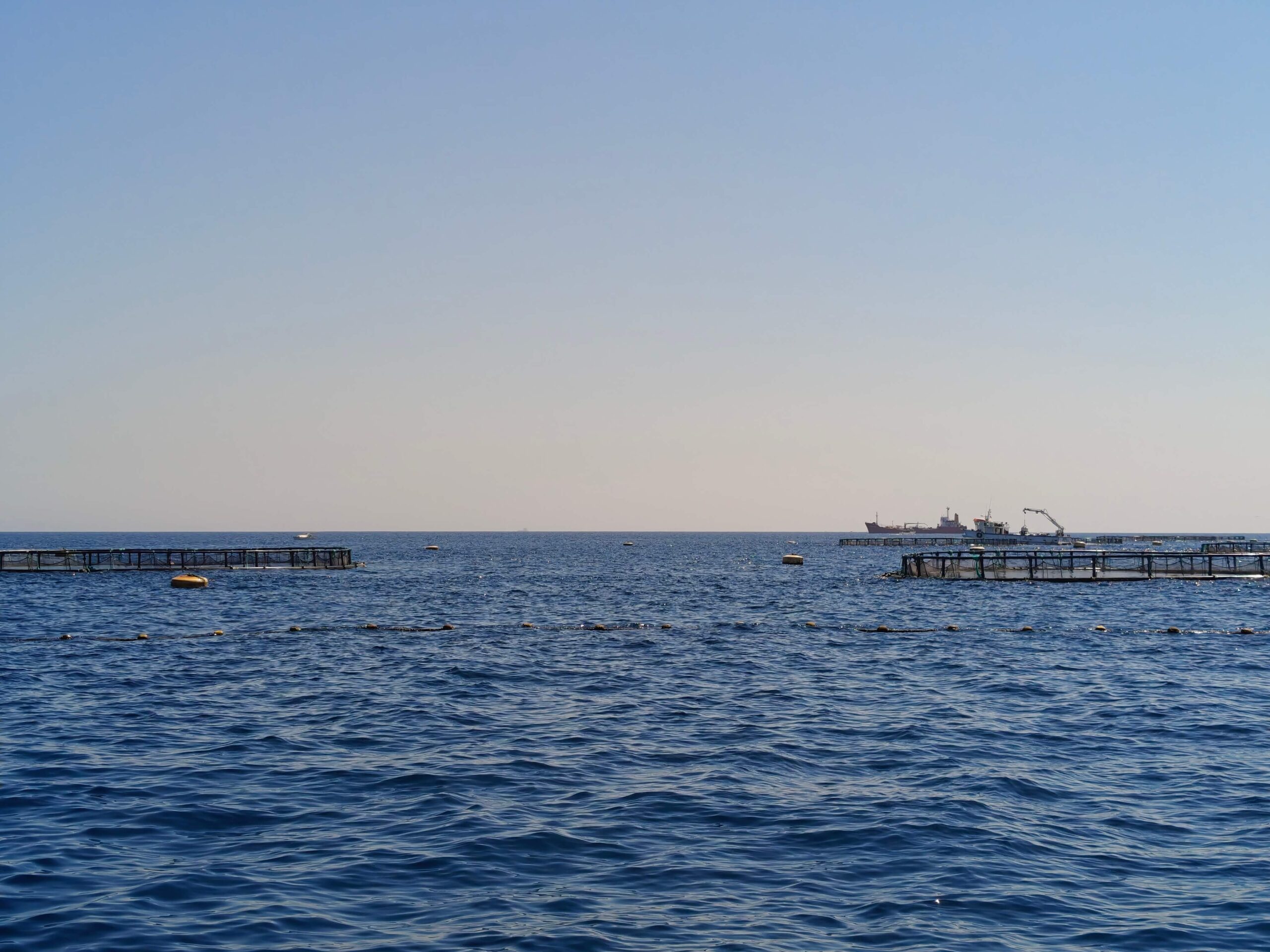
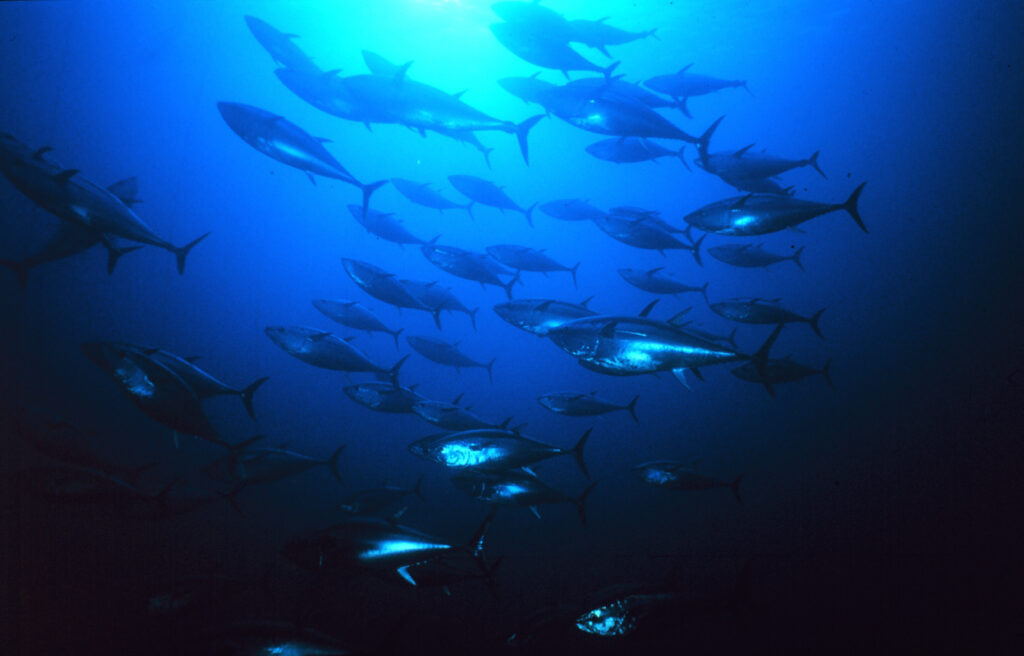
Aquaculture in Malta is divided into two sectors: capture-based species (CBS) and closed-cycle species (CCS). The CBS sector is dominated by the farming of Atlantic bluefin tuna, which accounts for over 80% of production. Around 13,000 tonnes are reared annually, generating roughly €170 million, with about 90% exported to Asian markets. The installations of the tuna farms are made up of large circular sea cages, similar in appearance to those used in the aquaculture. Positioned in open waters, the cages are designed to hold and fatten fish in controlled conditions while allowing natural water flow. Unlike traditional aquaculture, this practice involves capturing wild tuna and transferring them to offshore pens, where they are fed and grown before export.
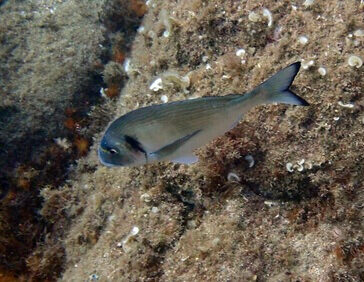
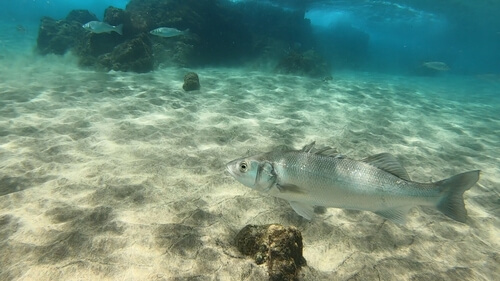
Closed-cycle aquaculture focuses on species such as Gilthead seabream and European seabass, typically farmed closer to shore in northern and southern coastal areas. Further details on the species farmed in Malta and on the process are provided below.
Fish Aggregating Devices (FADs)
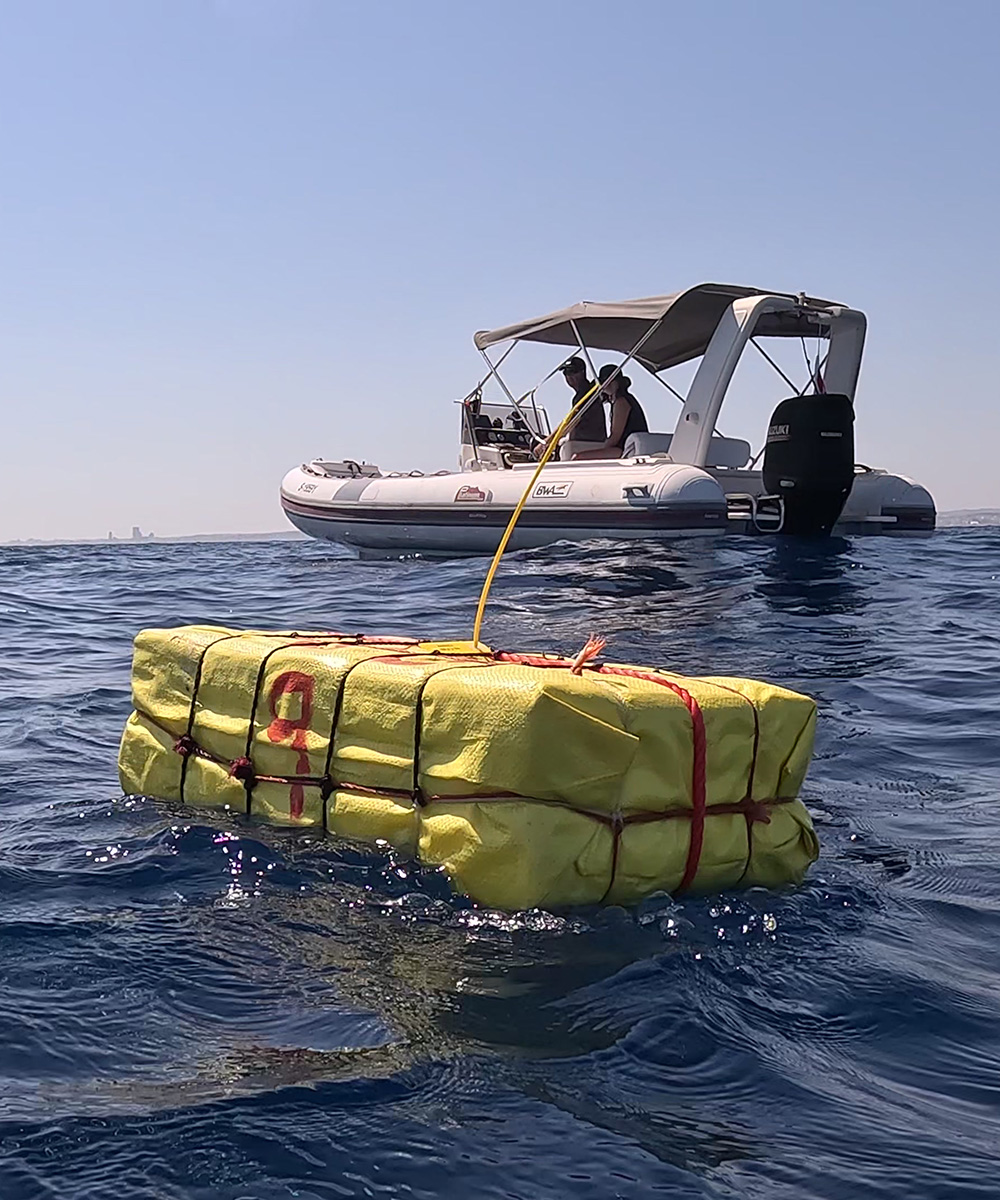
Fishing Aggregating Devices (FADs) are floating installations designed to concentrate fish by providing shaded microhabitats that attract multiple species. These structures commonly consist of a buoyant polystyrene base with palm leaves attached beneath it. They are typically positioned at distances ranging from 3 to 8 nautical miles from the coastline and are usually indicated by surface buoys.
Historical records suggest that the use of FADs in the Mediterranean dates back to approximately 200 AD, when the Roman writer Oppian documented their application in the capture of dolphinfish, scientifically known as Coryphaena hippurus. In the Maltese context, these devices are called “kannizzati” and are traditionally employed in the seasonal fishery targeting dolphinfish, locally referred to as “lampuki.” This fishery has been established since the 1960s and remains economically significant for Malta.
The lampuki fishing season officially begins on 15 August and closes on 31 December, with provisions allowing an extension until 31 January in the event of unfavorable weather. In terms of contribution, dolphinfish represents around 40% of the total annual catch by weight and accounts for over 10% of the overall annual value of Malta’s commercial fisheries sector.
Artisanal Fishing in Malta
Artisanal fisheries dominate Malta’s fishing industry, making up around 93% of the commercial sector. These small-scale operations typically use vessels under 12 meters, such as the traditional luzzu, and are mainly based in coastal communities. Fishers rely on a mix of gear, including trammel nets, pots, and longlines, adapting their methods throughout the year.
The fleet consists largely of small boats, with about 302 full-time registered vessels operating primarily in local waters. Traditional types such as the luzzu, kajjik, firilla, and bimbu remain widely used, reflecting both practicality and cultural heritage.
Fishing practices are strongly seasonal, with techniques like bottom-set nets, longlines, and lampara (purse seining) used to target species such as mackerel and sardines. This flexibility allows fishers to adjust to changing conditions and species availability.
In addition to its economic role, the sector is vital for coastal livelihoods, local food supply, and the preservation of maritime traditions, especially in areas like Marsaxlokk. However, it faces ongoing challenges, including environmental pressures, competition from larger-scale fisheries, and declining participation, which may lead to a loss of traditional skills over time.
A Layered Complexity
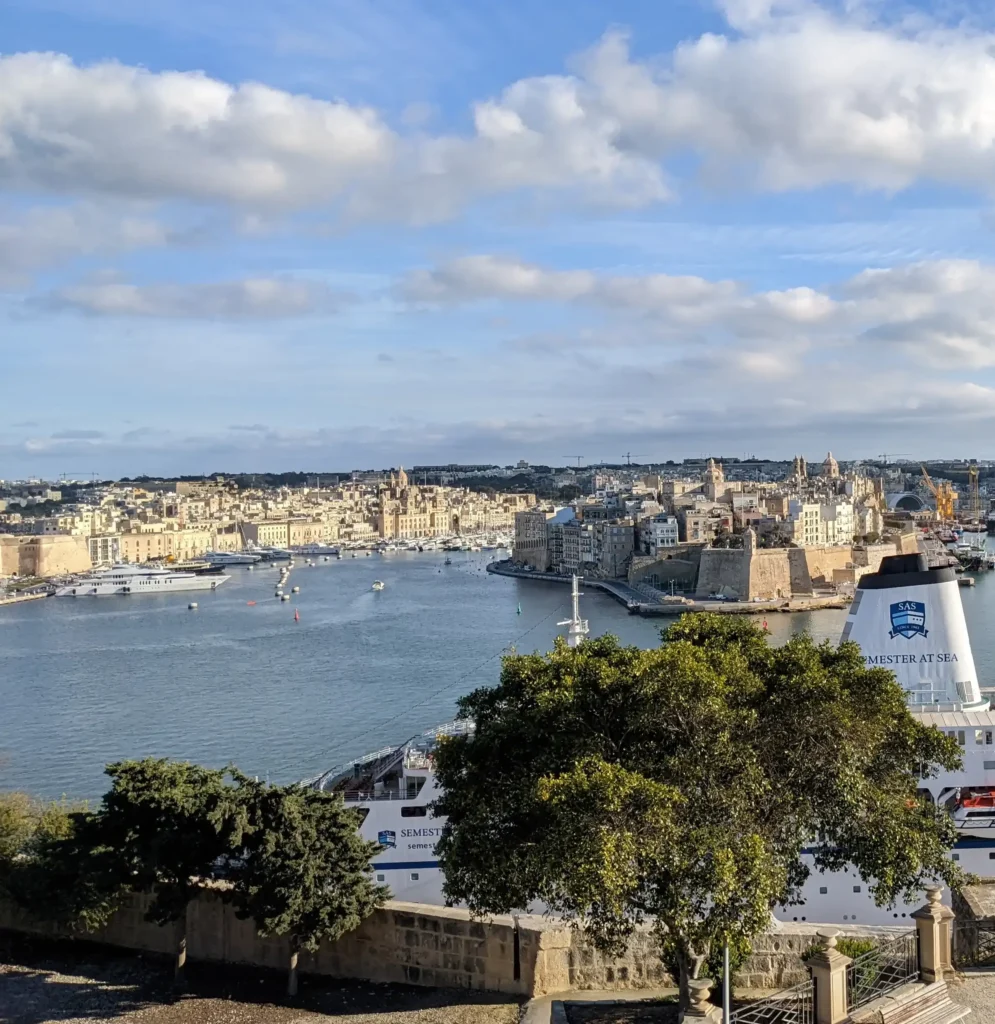
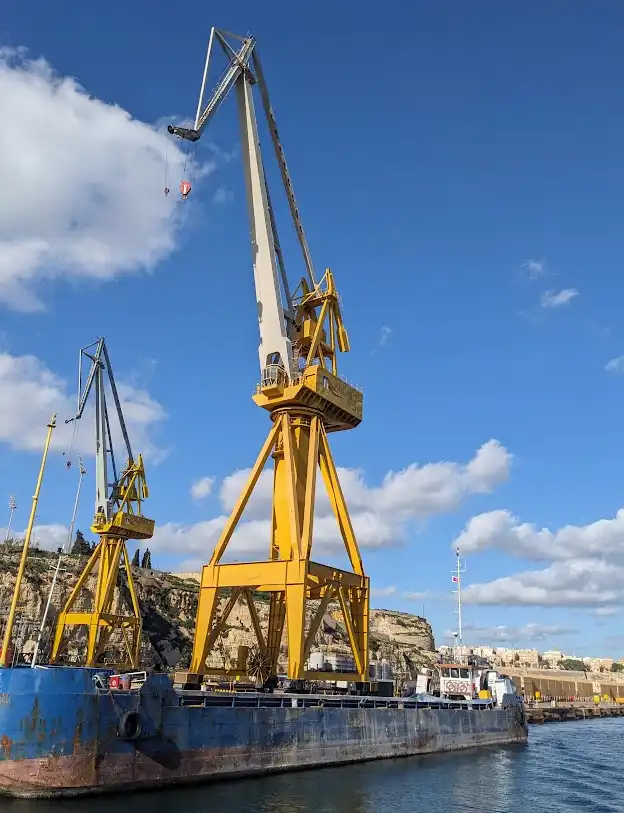
The Grand Harbour supports a wide range of activities, some of which can be seen as conflicting. From its rich history to ferry services, regattas, ship repairs, cargo operations, and fish landings, it hosts a diverse mix of uses and facilities.